University College Venlo, Campus Venlo, Maastricht University, Maastricht, The Netherlands.
Adv Nutr. 2021 Oct 1;12(5):1911-1929. doi: 10.1093/advances/nmab033.
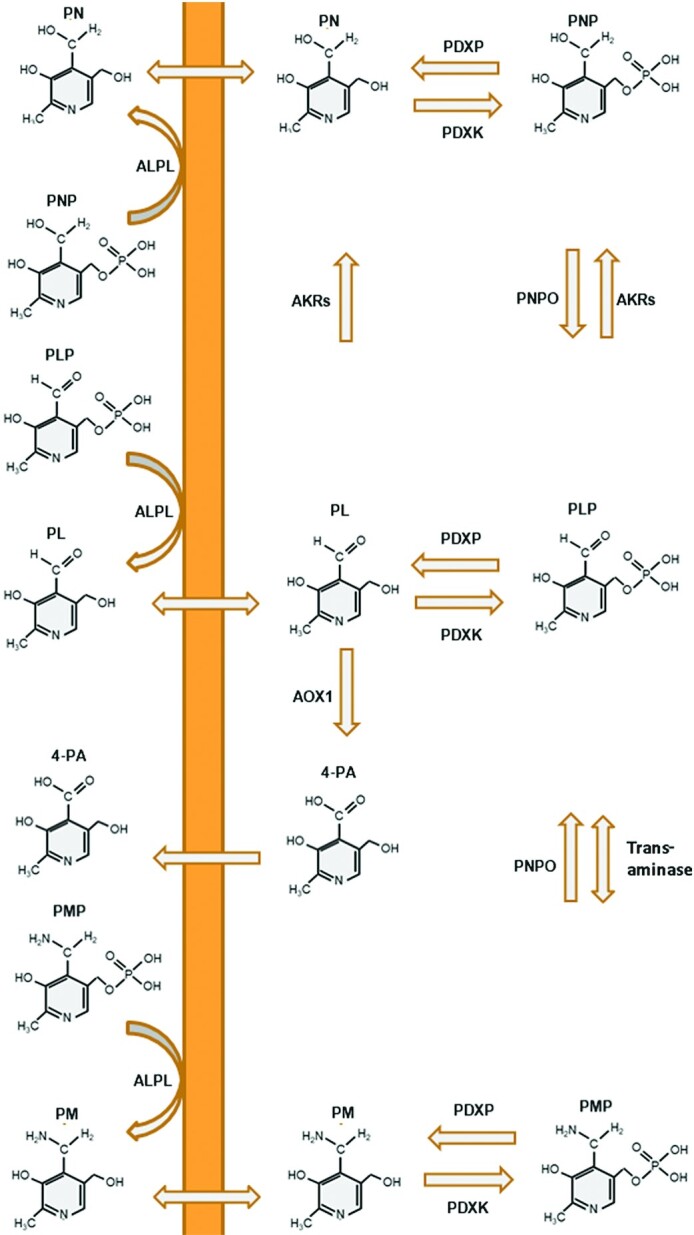
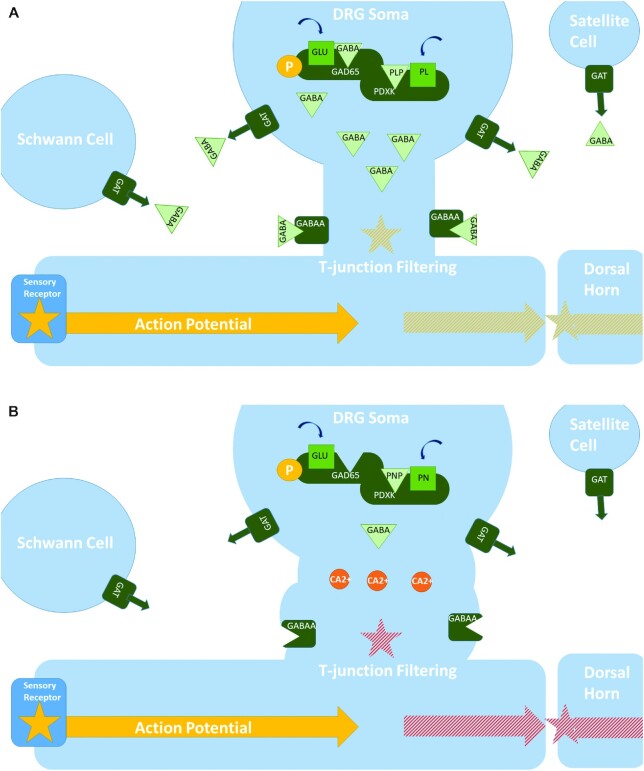
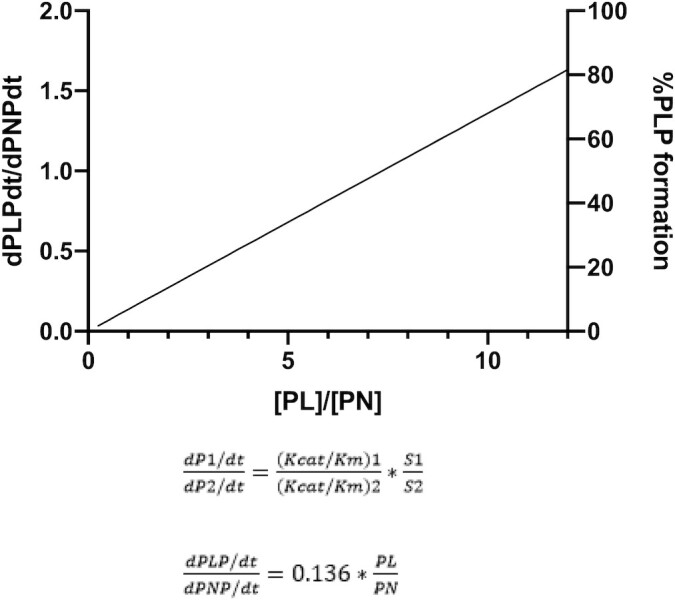
Vitamin B-6 in the form of pyridoxine (PN) is commonly used by the general population. The use of PN-containing supplements has gained lots of attention over the past years as they have been related to the development of peripheral neuropathy. In light of this, the number of reported cases of adverse health effects due to the use of vitamin B-6 have increased. Despite a long history of study, the pathogenic mechanisms associated with PN toxicity remain elusive. Therefore, the present review is focused on investigating the mechanistic link between PN supplementation and sensory peripheral neuropathy. Excessive PN intake induces neuropathy through the preferential injury of sensory neurons. Recent reports on hereditary neuropathy due to pyridoxal kinase (PDXK) mutations may provide some insight into the mechanism, as genetic deficiencies in PDXK lead to the development of axonal sensory neuropathy. High circulating concentrations of PN may lead to a similar condition via the inhibition of PDXK. The mechanism behind PDXK-induced neuropathy is unknown; however, there is reason to believe that it may be related to γ-aminobutyric acid (GABA) neurotransmission. Compounds that inhibit PDXK lead to convulsions and reductions in GABA biosynthesis. The absence of central nervous system-related symptoms in PDXK deficiency could be due to differences in the regulation of PDXK, where PDXK activity is preserved in the brain but not in peripheral tissues. As PN is relatively impermeable to the blood-brain barrier, PDXK inhibition would similarly be confined to the peripheries and, as a result, GABA signaling may be perturbed within peripheral tissues, such as sensory neurons. Perturbed GABA signaling within sensory neurons may lead to excitotoxicity, neurodegeneration, and ultimately, the development of peripheral neuropathy. For several reasons, we conclude that PDXK inhibition and consequently disrupted GABA neurotransmission is the most plausible mechanism of toxicity.
维生素 B-6 以吡哆醇(PN)的形式被普通人群广泛使用。近年来,由于 PN 补充剂与周围神经病变的发展有关,因此它们的使用引起了广泛关注。鉴于此,由于使用维生素 B-6 而导致的不良健康影响的报告病例数量有所增加。尽管已经进行了长期的研究,但与 PN 毒性相关的发病机制仍然难以捉摸。因此,本综述的重点是研究 PN 补充与感觉周围神经病之间的机制联系。过量的 PN 摄入通过优先损伤感觉神经元引起神经病。最近关于由于吡哆醛激酶(PDXK)突变引起的遗传性神经病的报道可能为该机制提供了一些见解,因为 PDXK 的遗传缺陷会导致轴索性感觉神经病的发展。PN 循环浓度升高可能通过抑制 PDXK 导致类似的情况。PDXK 诱导的神经病的机制尚不清楚;但是,有理由相信它可能与γ-氨基丁酸(GABA)神经传递有关。抑制 PDXK 的化合物会导致惊厥和 GABA 生物合成减少。PDXK 缺乏症中没有中枢神经系统相关症状可能是由于 PDXK 调节的差异所致,其中 PDXK 活性在大脑中得到保留,但在周围组织中则没有。由于 PN 相对不易穿透血脑屏障,因此 PDXK 抑制也将局限于周围组织,结果,GABA 信号可能会在周围组织(例如感觉神经元)中受到干扰。感觉神经元中 GABA 信号的紊乱可能导致兴奋性毒性,神经退行性变,最终导致周围神经病的发生。由于多种原因,我们得出结论,PDXK 抑制以及随之而来的 GABA 神经传递紊乱是最合理的毒性机制。