Aneja Sakshi, Sharma Ashutosh, Gupta Rishi, Yoo Doo-Yeol
Department of Civil Engineering, University of Victoria, Victoria, BC V8W 2Y2, Canada.
Department of Architectural Engineering, Hanyang University, Seoul 04763, Korea.
Materials (Basel). 2021 Apr 1;14(7):1729. doi: 10.3390/ma14071729.
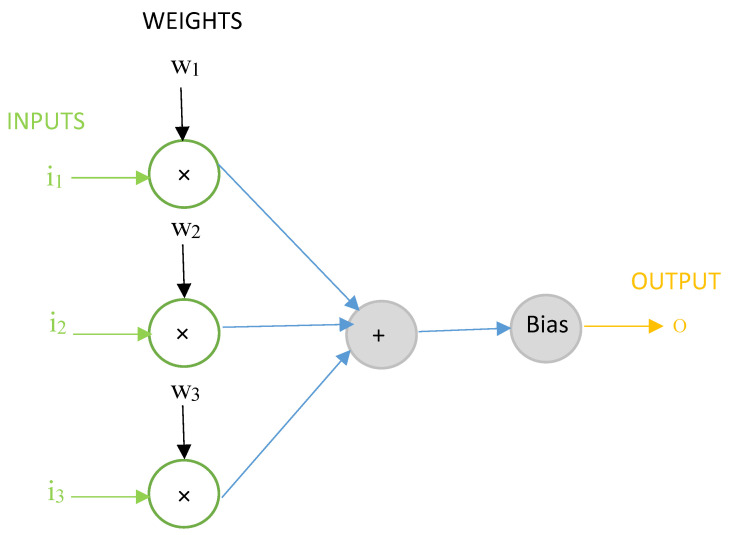
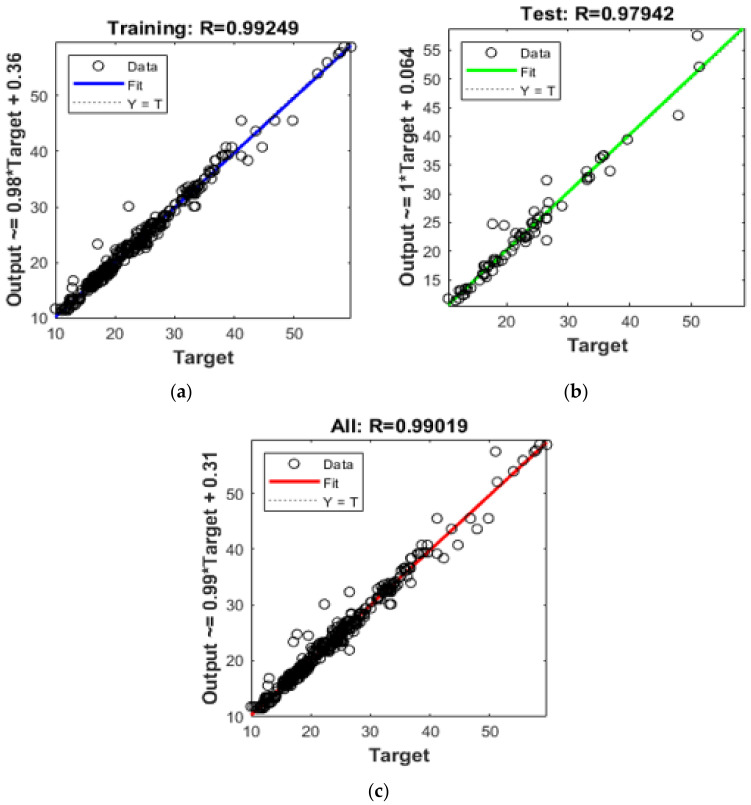
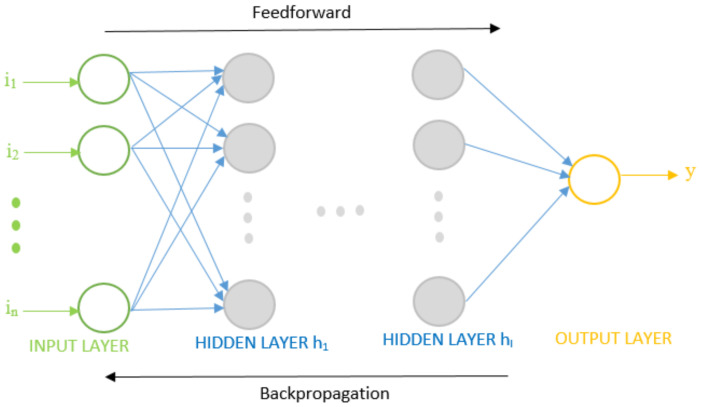
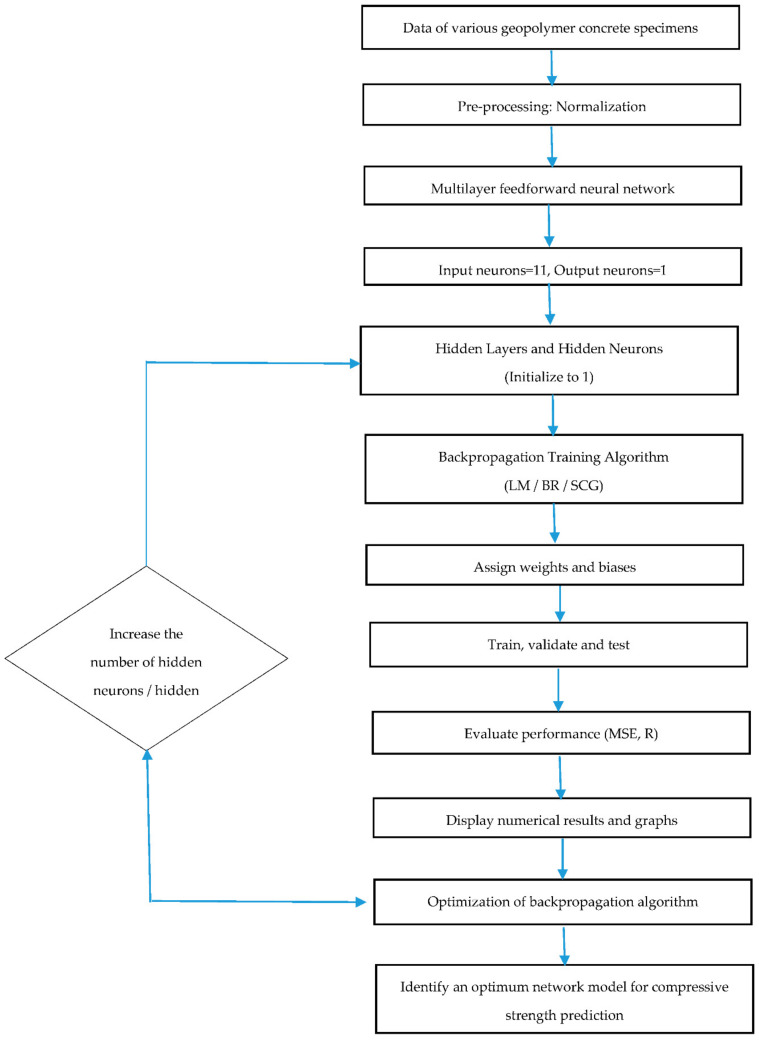
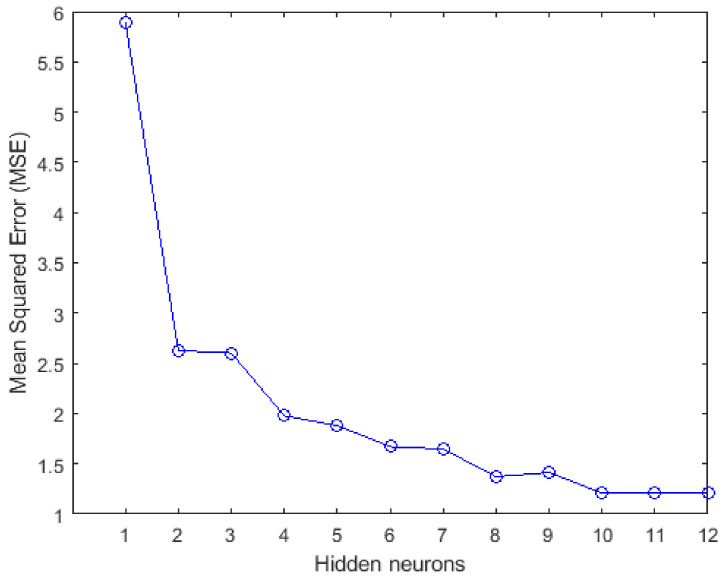
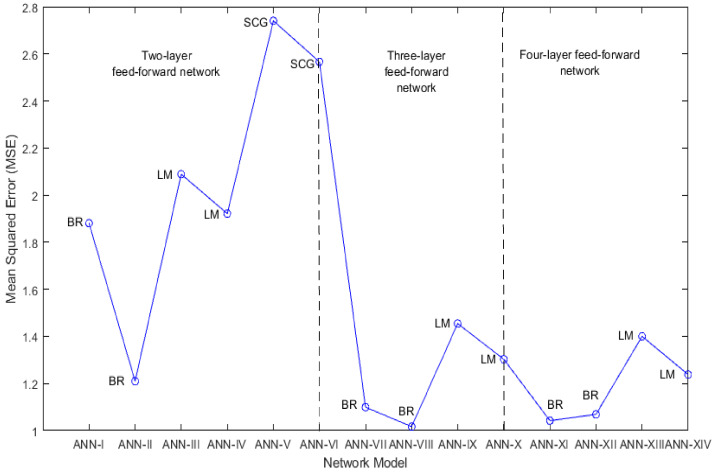
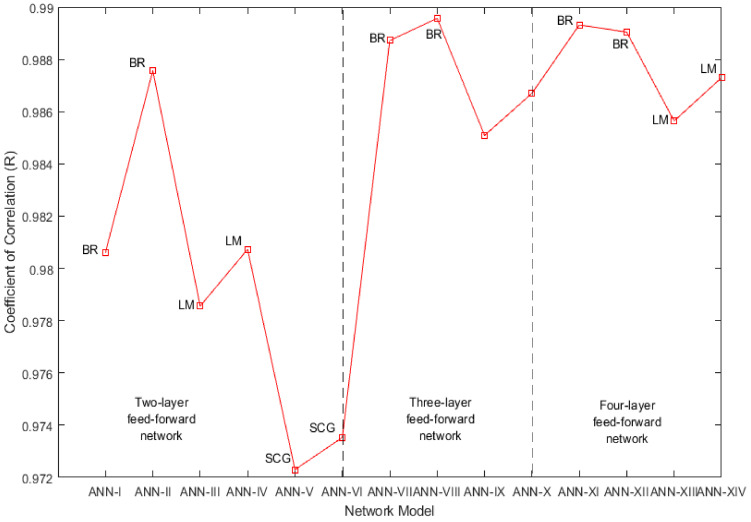
Geopolymer concrete (GPC) offers a potential solution for sustainable construction by utilizing waste materials. However, the production and testing procedures for GPC are quite cumbersome and expensive, which can slow down the development of mix design and the implementation of GPC. The basic characteristics of GPC depend on numerous factors such as type of precursor material, type of alkali activators and their concentration, and liquid to solid (precursor material) ratio. To optimize time and cost, Artificial Neural Network (ANN) can be a lucrative technique for exploring and predicting GPC characteristics. In this study, the compressive strength of fly-ash based GPC with bottom ash as a replacement of fine aggregates, as well as fly ash, is predicted using a machine learning-based ANN model. The data inputs are taken from the literature as well as in-house lab scale testing of GPC. The specifications of GPC specimens act as input features of the ANN model to predict compressive strength as the output, while minimizing error. Fourteen ANN models are designed which differ in backpropagation training algorithm, number of hidden layers, and neurons in each layer. The performance analysis and comparison of these models in terms of mean squared error (MSE) and coefficient of correlation (R) resulted in a Bayesian regularized ANN (BRANN) model for effective prediction of compressive strength of fly-ash and bottom-ash based geopolymer concrete.
地质聚合物混凝土(GPC)通过利用废料为可持续建筑提供了一种潜在的解决方案。然而,GPC的生产和测试程序相当繁琐且昂贵,这可能会减缓配合比设计的发展以及GPC的应用。GPC的基本特性取决于许多因素,如前驱体材料的类型、碱激发剂的类型及其浓度,以及液固(前驱体材料)比。为了优化时间和成本,人工神经网络(ANN)可能是一种用于探索和预测GPC特性的有利技术。在本研究中,使用基于机器学习的ANN模型预测了以底灰替代细集料以及粉煤灰的粉煤灰基GPC的抗压强度。数据输入取自文献以及GPC的室内实验室规模测试。GPC试件的规格作为ANN模型的输入特征,以预测抗压强度作为输出,同时将误差最小化。设计了14个ANN模型,这些模型在反向传播训练算法、隐藏层数以及每层的神经元数量方面有所不同。根据均方误差(MSE)和相关系数(R)对这些模型进行性能分析和比较,得出了一个贝叶斯正则化ANN(BRANN)模型,用于有效预测粉煤灰和底灰基地质聚合物混凝土的抗压强度。