Biomedical Research and Innovation Platform, South African Medical Research Council, Tygerberg 7505, South Africa.
Department of Biotechnology, Faculty of Natural Science, University of the Western Cape, Private Bag X17, Bellville, Cape Town 7535, South Africa.
Genes (Basel). 2021 Apr 6;12(4):532. doi: 10.3390/genes12040532.
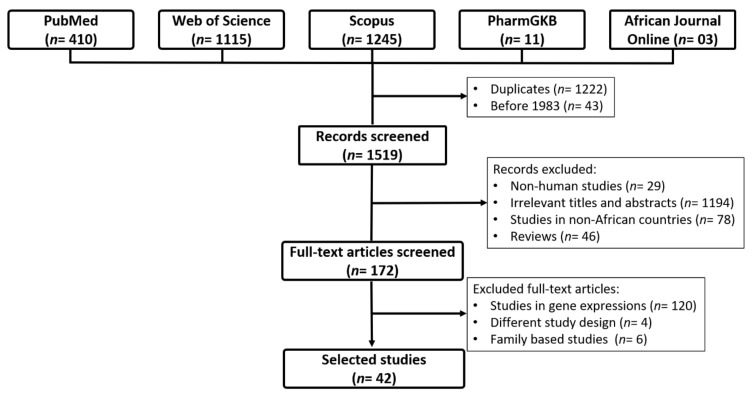
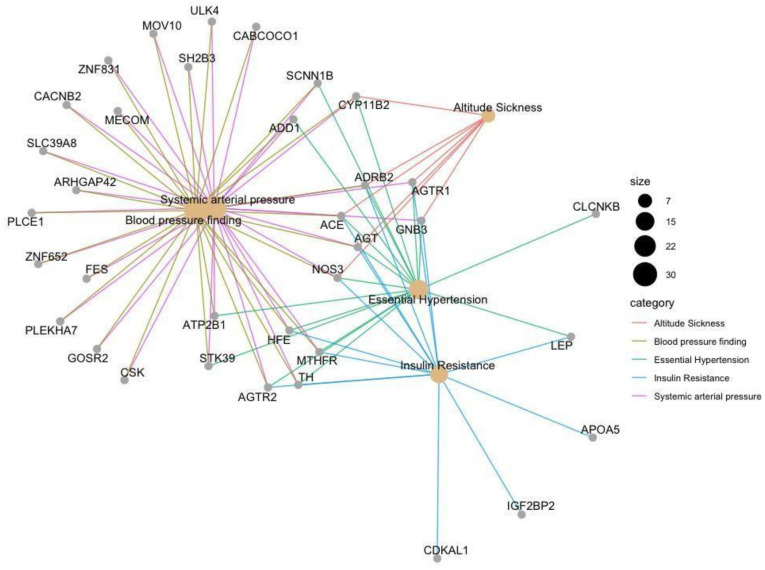
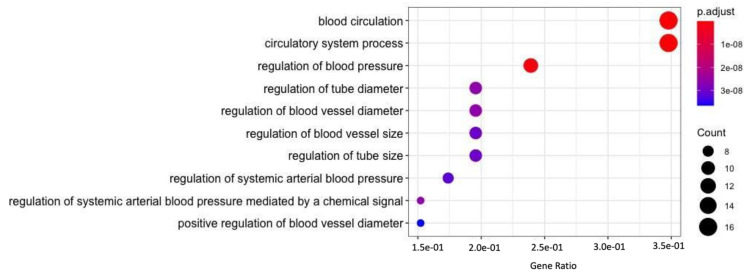
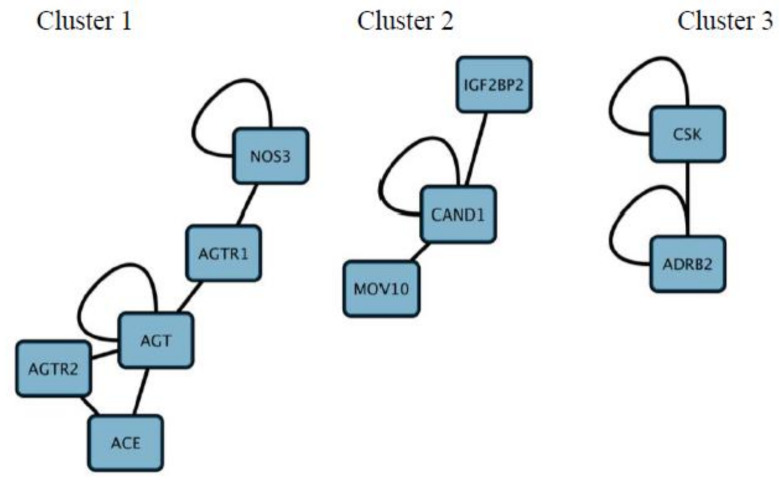
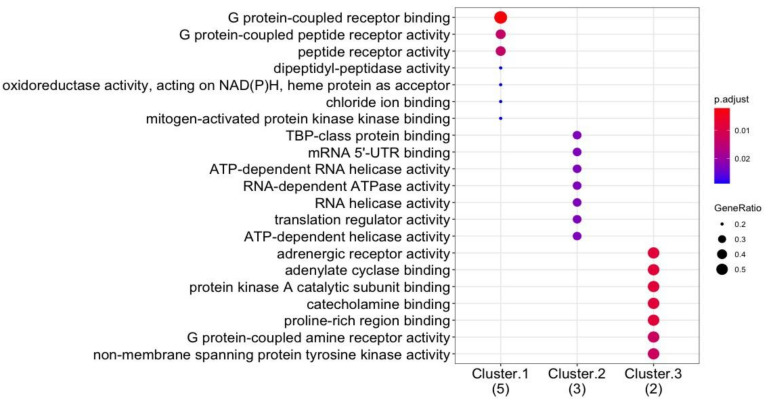
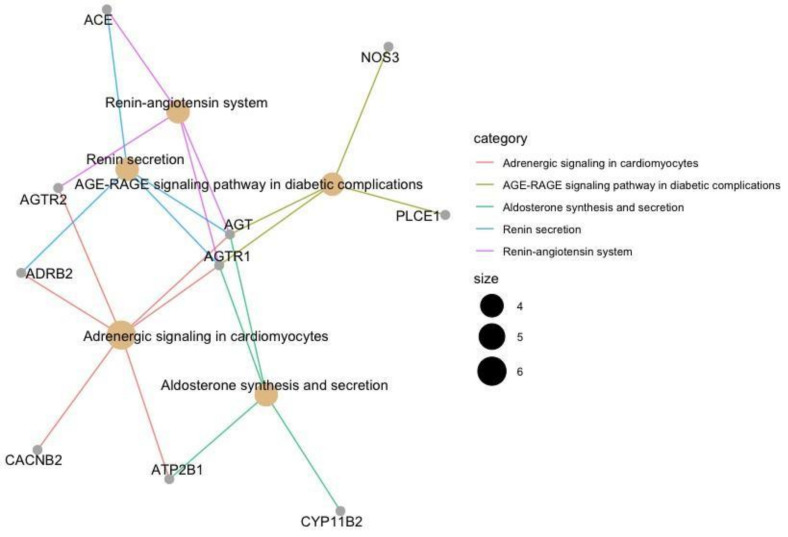
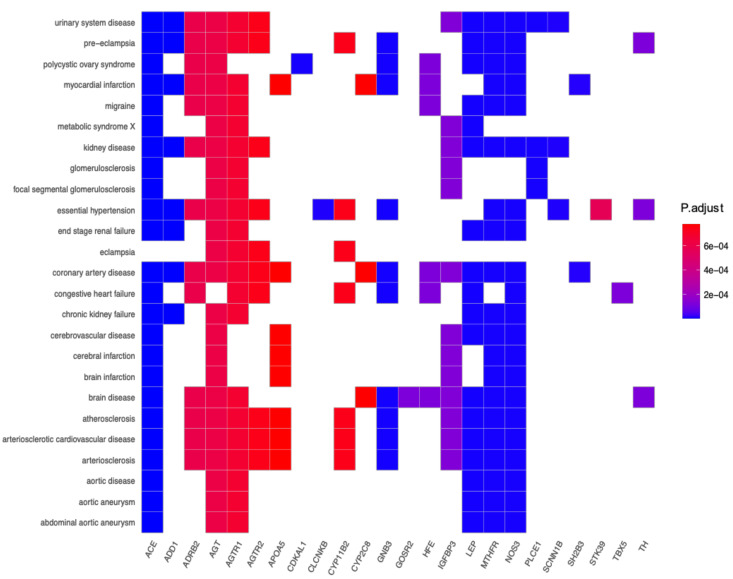
Hypertension (HTN) is a persistent public health problem affecting approximately 1.3 billion individuals globally. Treatment-resistant hypertension (TRH) is defined as high blood pressure (BP) in a hypertensive patient that remains above goal despite use of ≥3 antihypertensive agents of different classes including a diuretic. Despite a plethora of treatment options available, only 31.0% of individuals have their HTN controlled. Interindividual genetic variability to drug response might explain this disappointing outcome because of genetic polymorphisms. Additionally, the poor knowledge of pathophysiological mechanisms underlying hypertensive disease and the long-term interaction of antihypertensive drugs with blood pressure control mechanisms further aggravates the problem. Furthermore, in Africa, there is a paucity of pharmacogenomic data on the treatment of resistant hypertension. Therefore, identification of genetic signals having the potential to predict the response of a drug for a given individual in an African population has been the subject of intensive investigation. In this review, we aim to systematically extract and discuss African evidence on the genetic variation, and pharmacogenomics towards the treatment of HTN. Furthermore, in silico methods are utilized to elucidate biological processes that will aid in identifying novel drug targets for the treatment of resistant hypertension in an African population. To provide an expanded view of genetic variants associated with the development of HTN, this study was performed using publicly available databases such as PubMed, Scopus, Web of Science, African Journal Online, PharmGKB searching for relevant papers between 1984 and 2020. A total of 2784 articles were reviewed, and only 42 studies were included following the inclusion criteria. Twenty studies reported associations with HTN and genes such as (rs699), (rs1799752), (rs1799983), (rs1801133), (rs5186), while twenty-two studies did not show any association within the African population. Thereafter, an in silico predictive approach was utilized to identify several genes including , , , and which may act as potential drug targets because they are involved in pathways known to influence blood pressure. Next, co-expressed genes were identified as they are controlled by the same transcriptional regulatory program and may potentially be more effective as multiple drug targets in the treatment regimens for HTN. Genes belonging to the co-expressed gene cluster, , and as well as and showed enrichment of G-protein-coupled receptor activity, the classical targets of drug discovery, which mediate cellular signaling processes. The latter is of importance, as the targeting of co-regulatory gene clusters will allow for the development of more effective HTN drug targets that could decrease the prevalence of both controlled and TRH.
高血压(HTN)是一个持续存在的全球公共卫生问题,影响着大约 13 亿人。治疗抵抗性高血压(TRH)定义为高血压患者的血压持续高于目标值,尽管使用了≥3 种不同类别的降压药物,包括利尿剂。尽管有大量的治疗选择,但只有 31.0%的人能够控制他们的高血压。药物反应的个体间遗传变异性可能是由于遗传多态性导致这种令人失望的结果。此外,对高血压疾病病理生理机制的了解不足以及降压药物与血压控制机制的长期相互作用进一步加剧了这一问题。此外,在非洲,关于治疗抵抗性高血压的药物基因组学数据很少。因此,确定具有预测个体对特定药物反应潜力的遗传信号一直是深入研究的课题。在这篇综述中,我们旨在系统地提取和讨论非洲在遗传变异和药物基因组学方面治疗高血压的证据。此外,还利用计算方法阐明了生物过程,这将有助于确定治疗非洲人群中抵抗性高血压的新药物靶点。为了提供与高血压发展相关的遗传变异的更广泛视角,本研究使用了公开可用的数据库,如 PubMed、Scopus、Web of Science、African Journal Online、PharmGKB 等,搜索 1984 年至 2020 年之间的相关文献。共回顾了 2784 篇文章,仅根据纳入标准纳入了 42 项研究。20 项研究报告了与 HTN 和基因(如 (rs699)、 (rs1799752)、 (rs1799983)、 (rs1801133)、 (rs5186))相关的关联,而 22 项研究在非洲人群中未显示出任何关联。此后,利用计算预测方法识别了几个基因,包括 、 、 、 ,它们可能作为潜在的药物靶点,因为它们参与了已知影响血压的途径。接下来,识别共表达基因,因为它们受到相同转录调控程序的控制,并且可能作为治疗高血压的治疗方案中的多个药物靶点更有效。属于共表达基因簇的基因 、 、 以及 和 显示了 G 蛋白偶联受体活性的富集,这是药物发现的经典靶点,介导细胞信号转导过程。这一点很重要,因为共调节基因簇的靶向将允许开发更有效的高血压药物靶点,从而降低控制和 TRH 的患病率。