Monowar Tahmina, Rahman Md Sayedur, Bhore Subhash J, Sathasivam Kathiresan V
Unit of Microbiology, Faculty of Medicine, AIMST University, Bedong 08100, Kedah, Malaysia.
Government of the People's Republic of Bangladesh, Ministry of Information, Bangladesh Betar, Mymensingh 2202, Bangladesh.
Pharmaceutics. 2021 Apr 8;13(4):511. doi: 10.3390/pharmaceutics13040511.
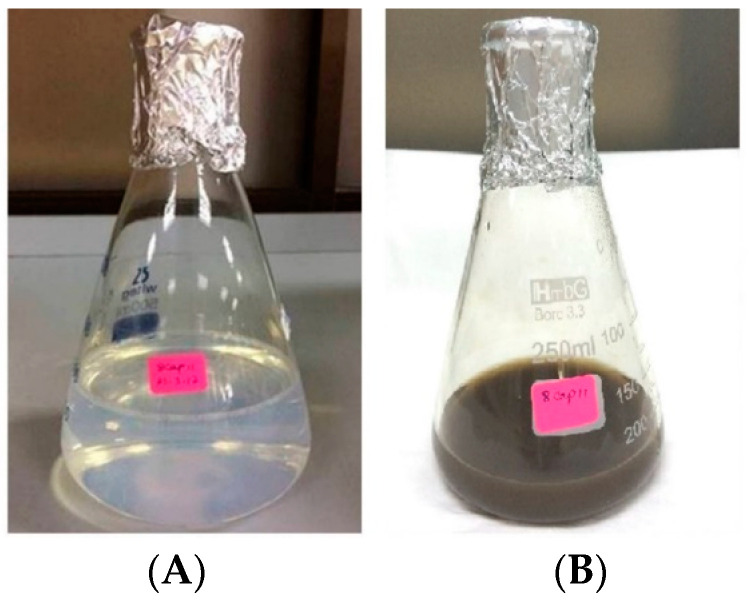
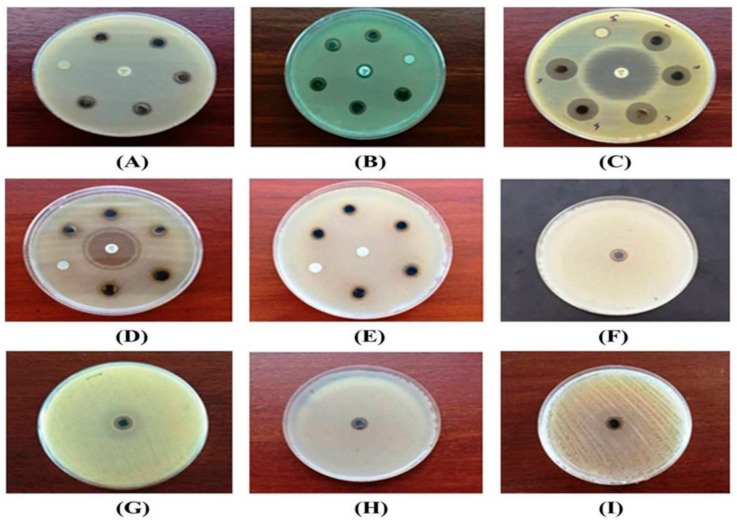
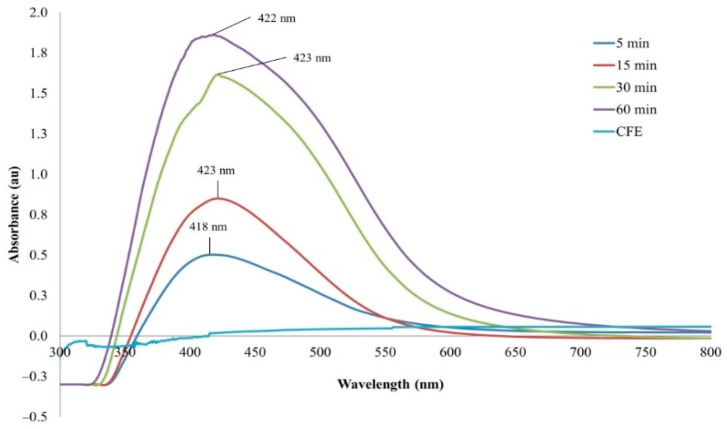
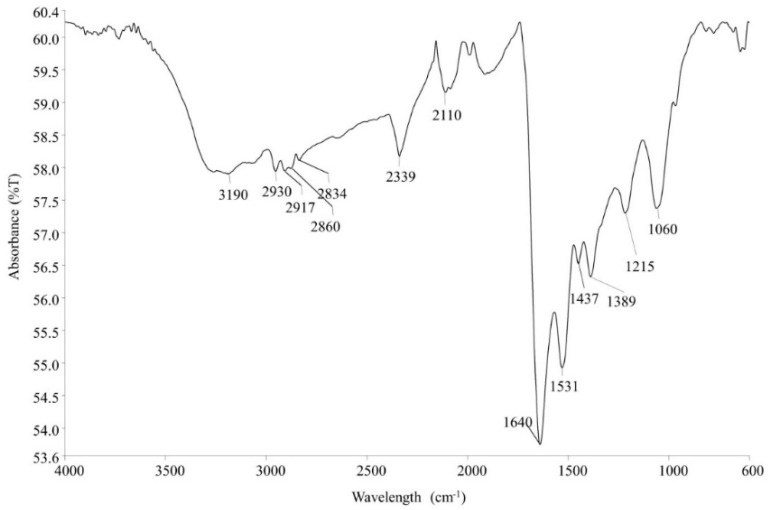
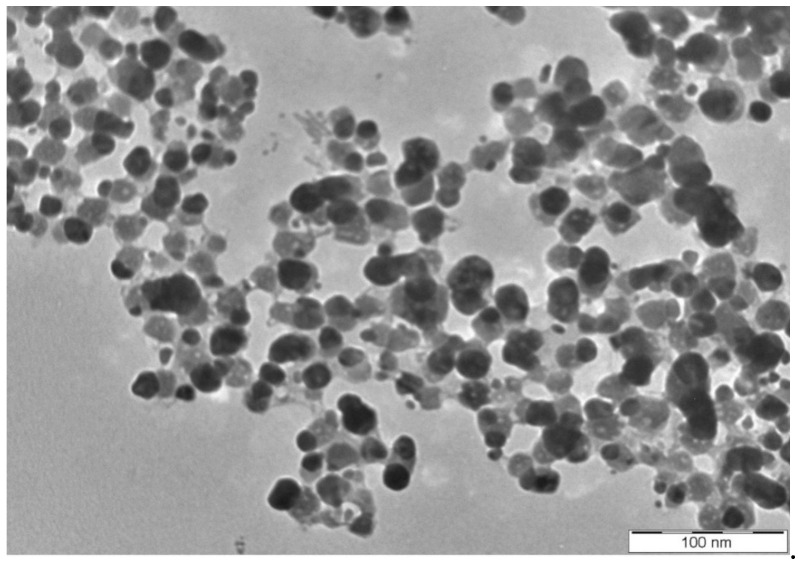
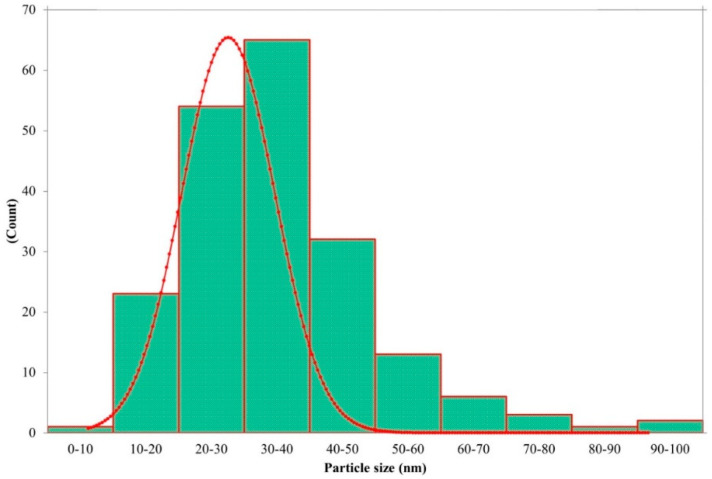
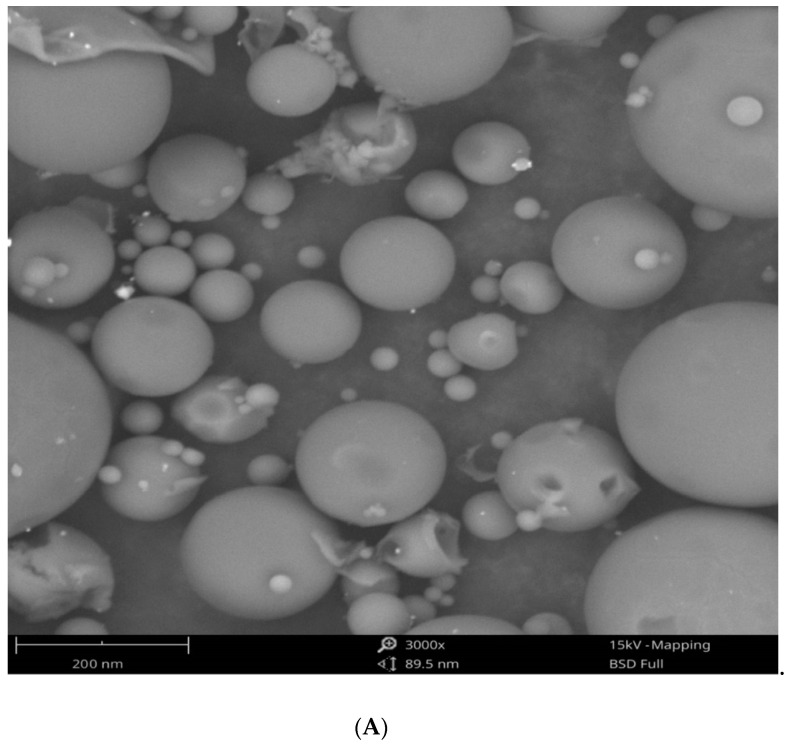
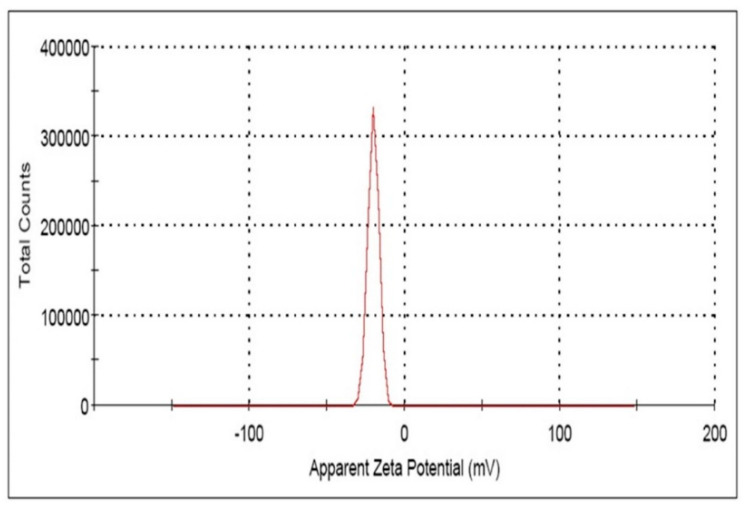
Antimicrobial resistance (AMR), one of the greatest issues for humankind, draws special attention to the scientists formulating new drugs to prevent it. Great emphasis on the biological synthesis of silver nanoparticles (AgNPs) for utilization in single or combinatorial therapy will open up new avenues to the discovery of new antimicrobial drugs. The purpose of this study was to synthesize AgNPs following a green approach by using an endophytic bacterial strain, , and to assess their antimicrobial potential against five pathogenic and four multidrug-resistant (MDR) microbes. UV-Vis spectroscopy, fourier-transform infrared spectroscopy (FTIR), transmission electron microscopy (TEM), scanning electron microscopy-energy dispersive X-ray spectroscopy (SEM-EDX), and zeta potential (ζ) were used to characterize the synthesized AgNPs. Endophytic -mediated AgNPs (Eh-AgNPs) were represented by a strong UV-Vis absorbance peak at 418 nm within 5 min, forming spherical and polydispersed nanoparticles in the size range of 9.91 nm to 92.54 nm. The Eh-AgNPs were moderately stable with a mean ζ value of -19.73 ± 3.94 mV. The presence of amine, amide, and hydroxyl functional groups was observed from FTIR analysis. In comparison to conventional antibiotics, the Eh-AgNPs were more effective against (ATCC 10876) and (ATCC 10231), exhibiting 9.14 ± 0.05 mm and 8.24 ± 0.05 mm zones of inhibition (ZOIs), respectively, while displaying effective inhibitory activity with ZOIs ranging from 10.98 ± 0.08 to 13.20 ± 0.07 mm against the MDR bacteria. Eh-AgNP synthesis was rapid and eco-friendly. The results showed that Eh-AgNPs are promising antimicrobial agents that can be used in the development and formulation of new drugs to curb the menace of antimicrobial resistance in pathogenic and MDR microbes.
抗菌耐药性(AMR)是人类面临的最大问题之一,这引起了致力于研发新药以预防该问题的科学家们的特别关注。高度重视银纳米颗粒(AgNPs)的生物合成以用于单一或联合治疗,将为发现新型抗菌药物开辟新途径。本研究的目的是通过使用一种内生细菌菌株,采用绿色方法合成AgNPs,并评估其对五种致病微生物和四种多重耐药(MDR)微生物的抗菌潜力。利用紫外可见光谱、傅里叶变换红外光谱(FTIR)、透射电子显微镜(TEM)、扫描电子显微镜 - 能量色散X射线光谱(SEM - EDX)和zeta电位(ζ)对合成的AgNPs进行表征。内生介导的AgNPs(Eh - AgNPs)在5分钟内于418 nm处呈现出强烈的紫外可见吸收峰,形成尺寸范围为9.91 nm至92.54 nm的球形且多分散的纳米颗粒。Eh - AgNPs具有中等稳定性,平均ζ值为 - 19.73 ± 3.94 mV。通过FTIR分析观察到存在胺、酰胺和羟基官能团。与传统抗生素相比,Eh - AgNPs对金黄色葡萄球菌(ATCC 10876)和枯草芽孢杆菌(ATCC 10231)更有效,抑菌圈(ZOIs)分别为9.14 ± 0.05 mm和8.24 ± 0.05 mm,同时对多重耐药细菌的抑菌圈范围为10.98 ± 0.08至13.20 ± 0.07 mm,显示出有效的抑制活性。Eh - AgNP的合成快速且环保。结果表明,Eh - AgNPs是有前景的抗菌剂,可用于开发和配制新药,以遏制致病微生物和多重耐药微生物中的抗菌耐药威胁。