Hofstoetter Ursula S, Freundl Brigitta, Lackner Peter, Binder Heinrich
Center for Medical Physics and Biomedical Engineering, Medical University of Vienna, 1090 Vienna, Austria.
Neurological Center, Klinik Penzing-Wiener Gesundheitsverbund, 1140 Vienna, Austria.
Brain Sci. 2021 Apr 8;11(4):472. doi: 10.3390/brainsci11040472.
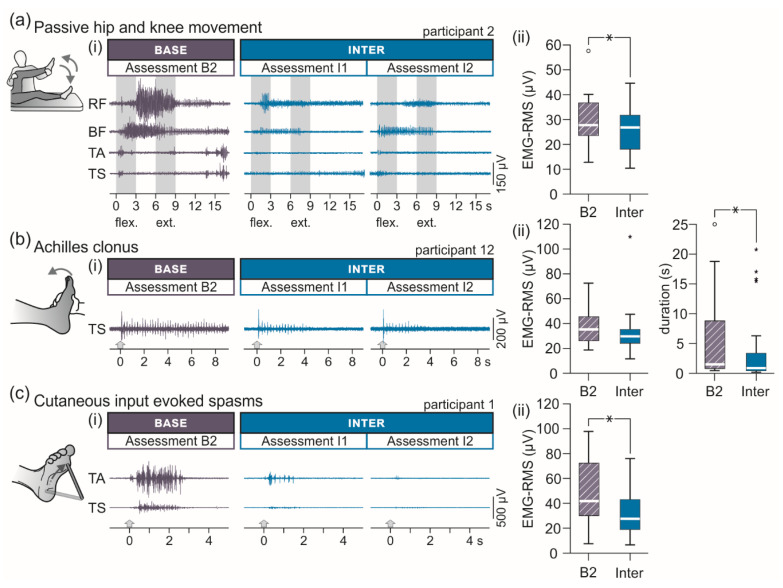
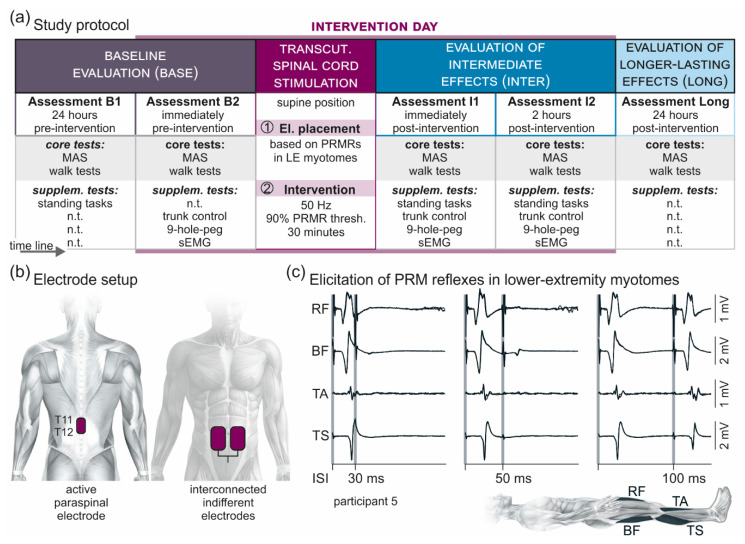
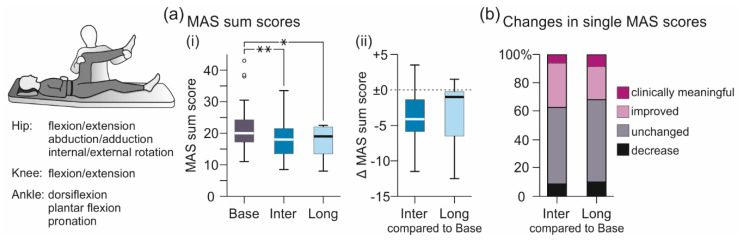
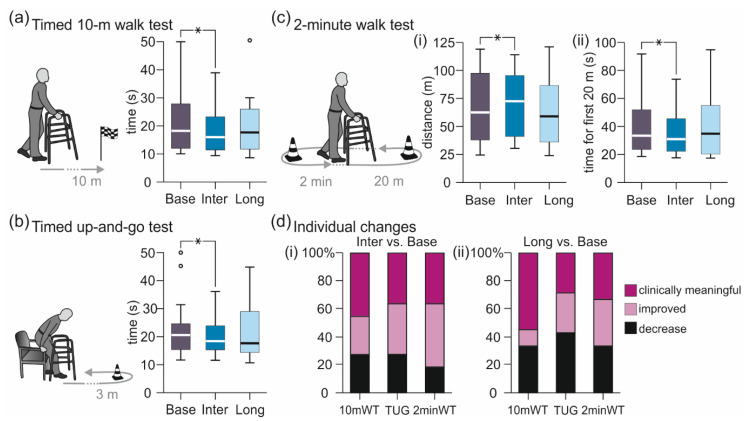
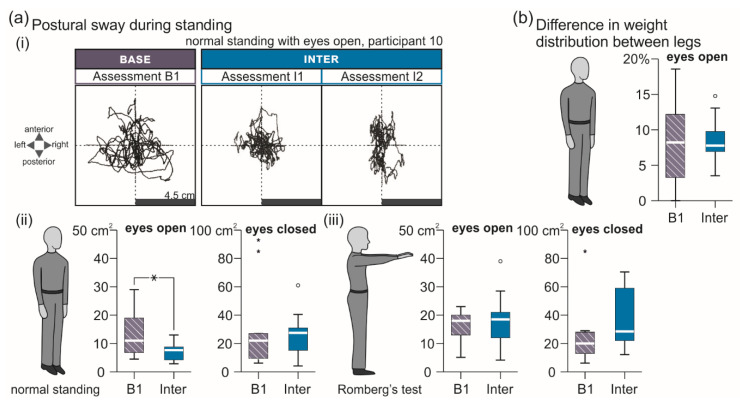
Gait dysfunction and spasticity are common debilitating consequences of multiple sclerosis (MS). Improvements of these motor impairments by lumbar transcutaneous spinal cord stimulation (tSCS) have been demonstrated in spinal cord injury. Here, we explored for the first time the motor effects of lumbar tSCS applied at 50 Hz for 30 min in 16 individuals with MS and investigated their temporal persistence post-intervention. We used a comprehensive protocol assessing walking ability, different presentations of spasticity, standing ability, manual dexterity, and trunk control. Walking ability, including walking speed and endurance, was significantly improved for two hours beyond the intervention and returned to baseline after 24 h. Muscle spasms, clonus duration, and exaggerated stretch reflexes were reduced for two hours, and clinically assessed lower-extremity muscle hypertonia remained at improved levels for 24 h post-intervention. Further, postural sway during normal standing with eyes open was decreased for two hours. No changes were detected in manual dexterity and trunk control. Our results suggest that transcutaneous lumbar SCS can serve as a clinically accessible method without known side effects that holds the potential for substantial clinical benefit across the disability spectrum of MS.
步态功能障碍和痉挛是多发性硬化症(MS)常见的致残后果。经皮脊髓电刺激(tSCS)改善脊髓损伤患者的这些运动障碍已有相关证明。在此,我们首次探讨了对16例MS患者施加频率为50Hz、时长30分钟的腰部tSCS的运动效果,并研究了干预后其效果的持续时间。我们采用了一套综合方案来评估步行能力、痉挛的不同表现形式、站立能力、手部灵活性和躯干控制能力。步行能力,包括步行速度和耐力,在干预结束后两小时内显著提高,并在24小时后恢复到基线水平。肌肉痉挛、阵挛持续时间和过度伸展反射在两小时内有所减轻,临床评估的下肢肌肉张力亢进在干预后24小时内仍保持改善水平。此外,睁眼正常站立时的姿势摆动在两小时内有所减少。手部灵活性和躯干控制能力未检测到变化。我们的结果表明,经皮腰部脊髓电刺激可作为一种临床上可采用的方法,且无已知副作用,有可能在MS的整个残疾范围内带来显著的临床益处。