Zauska Lubos, Bova Stefan, Benova Eva, Bednarcik Jozef, Balaz Matej, Zelenak Vladimir, Hornebecq Virginie, Almasi Miroslav
Department of Inorganic Chemistry, Faculty of Science, P. J. Šafárik University, Moyzesova 11, SK-041 01 Košice, Slovakia.
BovaChem s.r.o, Garbiarska 1919/14, SK-048 01 Rožňava, Slovakia.
Materials (Basel). 2021 Apr 9;14(8):1880. doi: 10.3390/ma14081880.
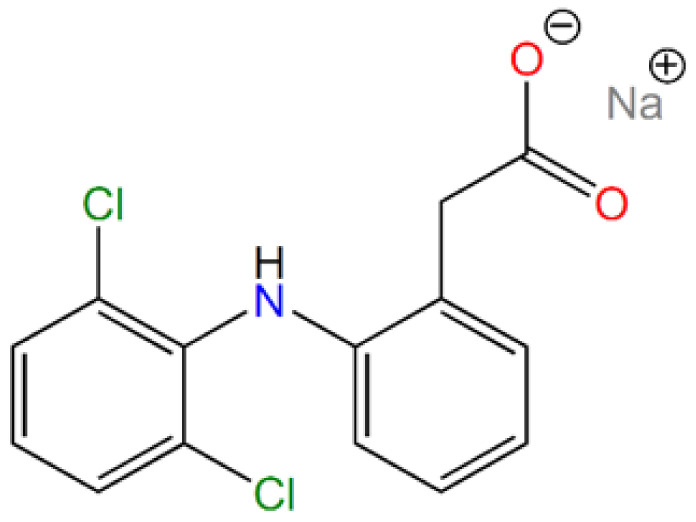
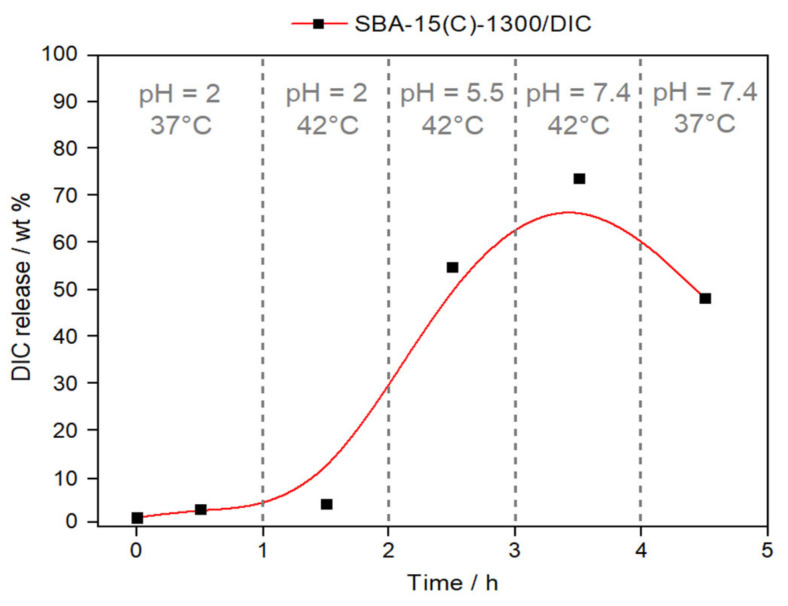
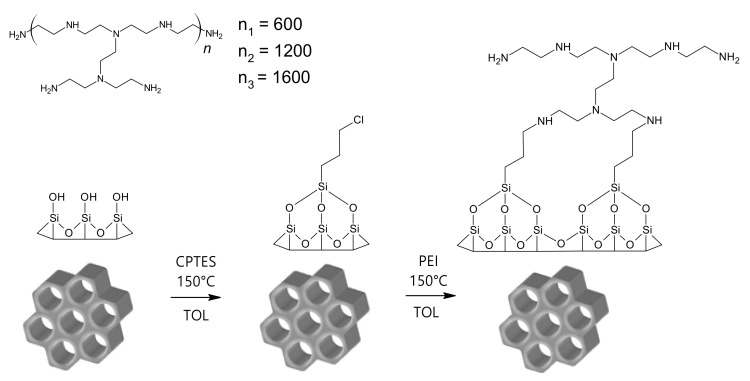
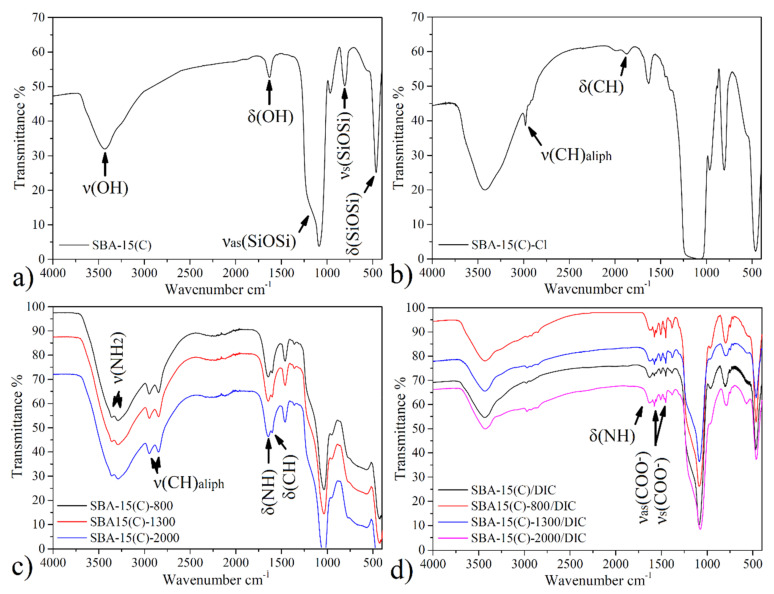
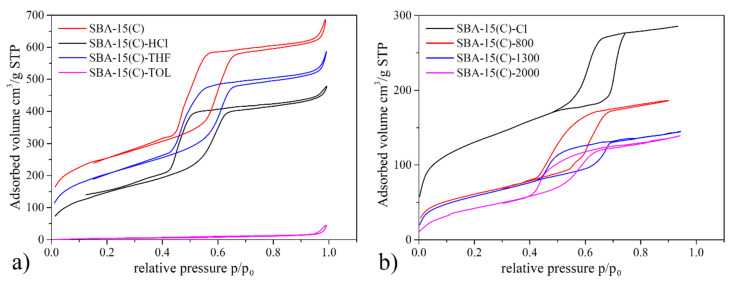
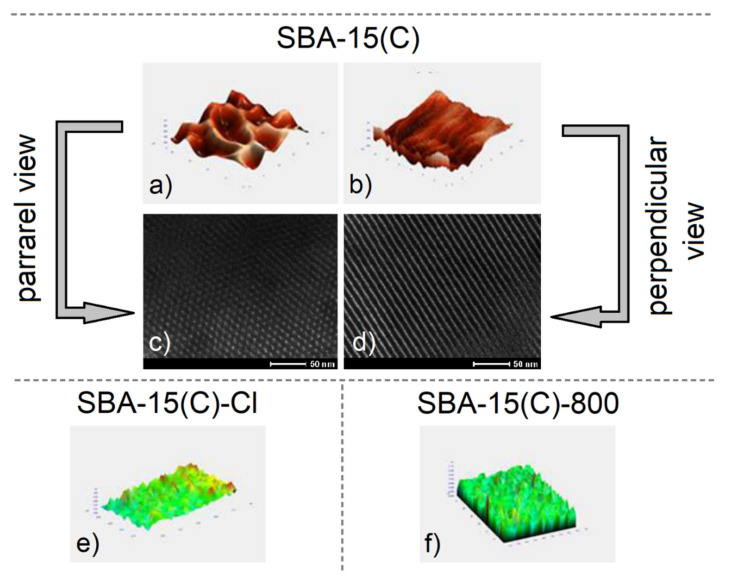
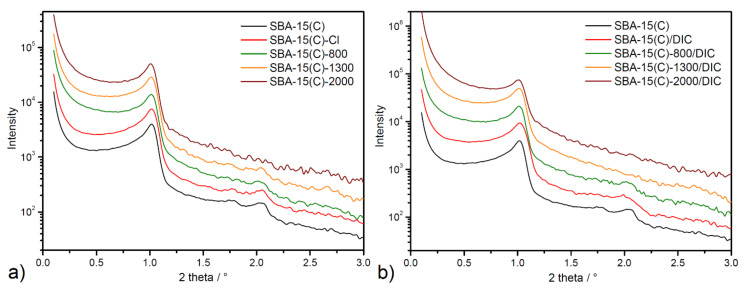
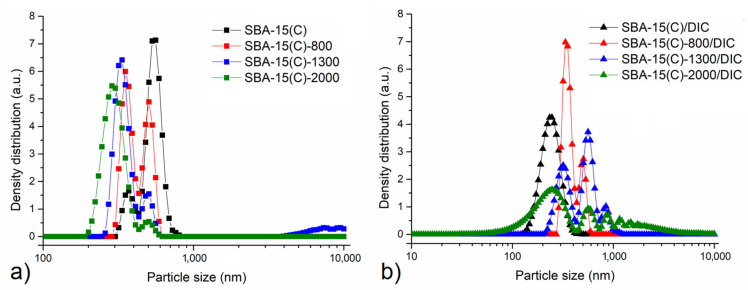
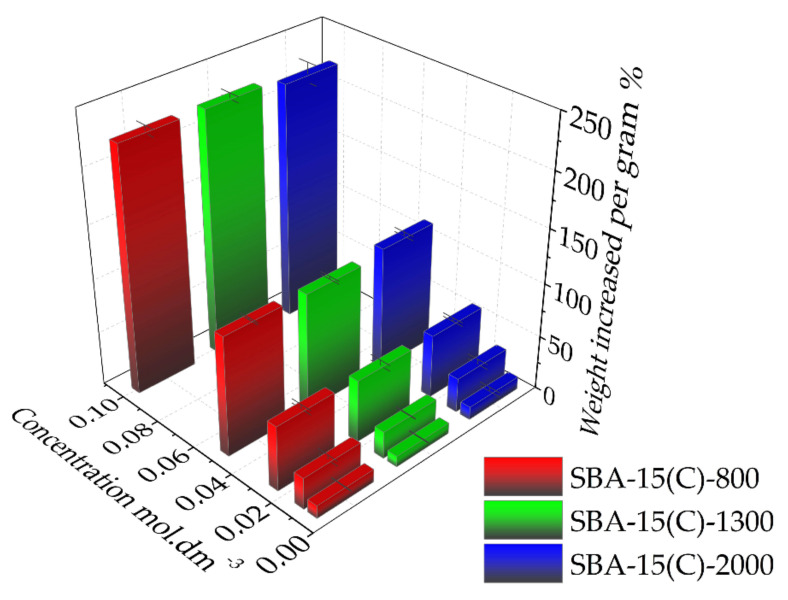
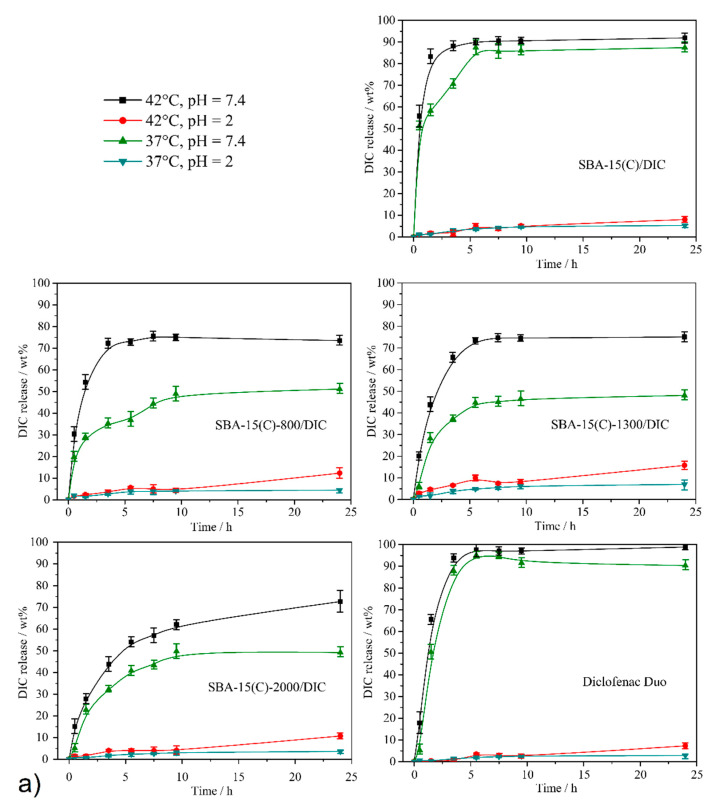
Mesoporous SBA-15 silica material was prepared by the sol-gel method and functionalized with thermosensitive polyethylenimine polymers with different molecular weight (g·mol): 800 (SBA-15(C)-800), 1300 (SBA-15(C)-1300) and 2000 (SBA-15(C)-2000). The nonsteroidal anti-inflammatory drug (NSAID) diclofenac sodium was selected as a model drug and encapsulated into the pores of prepared supports. Materials were characterized by the combination of infrared spectroscopy (IR), atomic force microscopy (AFM), transmission electron microscopy (TEM), photon cross-correlation spectroscopy (PCCS), nitrogen adsorption/desorption analysis, thermogravimetry (TG), differential scanning calorimetry (DSC) and small-angle X-ray diffraction (SA-XRD) experiments. The drug release from prepared matrixes was realized in two model media differing in pH, namely small intestine environment/simulated body fluid (pH = 7.4) and simulated gastric fluid (pH = 2), and at different temperatures, namely normal body temperature (T = 37 °C) and inflammatory temperature (T = 42 °C). The process of drug loading into the pores of prepared materials from the diclofenac sodium salt solutions with different concentrations and subsequent quantitative determination of released drugs was analyzed by UV-VIS spectroscopy. Analysis of prepared SBA-15 materials modified with polyethylenimines in solution showed a high ability to store large amounts of the drug, up to 230 wt.%. Experimental results showed their high drug release into the solution at pH = 7.4 for both temperatures, which is related to the high solubility of diclofenac sodium in a slightly alkaline environment. At pH = 2, a difference in drug release rate was observed between both temperatures. Indeed, at a higher temperature, the release rates and the amount of released drug were 2-3 times higher than those observed at a lower temperature. Different kinetic models were used to fit the obtained drug release data to determine the drug release rate and its release mechanism. Moreover, the drug release properties of prepared compounds were compared to a commercially available medicament under the same experimental conditions.
介孔SBA-15二氧化硅材料通过溶胶-凝胶法制备,并使用不同分子量(g·mol)的热敏聚乙烯亚胺聚合物进行功能化:800(SBA-15(C)-800)、1300(SBA-15(C)-1300)和2000(SBA-15(C)-2000)。选择非甾体抗炎药(NSAID)双氯芬酸钠作为模型药物,并将其包封到制备的载体孔中。通过红外光谱(IR)、原子力显微镜(AFM)、透射电子显微镜(TEM)、光子交叉相关光谱(PCCS)、氮吸附/解吸分析、热重分析(TG)、差示扫描量热法(DSC)和小角X射线衍射(SA-XRD)实验对材料进行表征。在两种pH不同的模型介质中实现了从制备的基质中释放药物,即小肠环境/模拟体液(pH = 7.4)和模拟胃液(pH = 2),以及在不同温度下,即正常体温(T = 37°C)和炎症温度(T = 42°C)。通过紫外可见光谱分析了从不同浓度的双氯芬酸钠盐溶液将药物加载到制备材料孔中的过程以及随后对释放药物的定量测定。对溶液中用聚乙烯亚胺改性的制备的SBA-15材料的分析表明其具有储存大量药物的高能力,高达230 wt.%。实验结果表明,在两种温度下,它们在pH = 7.4时都能将大量药物释放到溶液中,这与双氯芬酸钠在弱碱性环境中的高溶解度有关。在pH = 2时,观察到两种温度下药物释放速率存在差异。实际上,在较高温度下,释放速率和释放药物的量比在较低温度下观察到的高2至3倍。使用不同的动力学模型拟合获得的药物释放数据,以确定药物释放速率及其释放机制。此外,在相同实验条件下,将制备化合物的药物释放特性与市售药物进行了比较。