Zhang Mengyuan, Chang Zhonghua, Wang Xiaofeng, Li Qian
School of Materials Science and Engineering, Zhengzhou University, Zhengzhou 450002, China.
National Center for International Research of Micro-Nano Molding Technology, Key Laboratory of Henan Province for Micro Molding Technology, Zhengzhou 450002, China.
Polymers (Basel). 2021 Apr 14;13(8):1270. doi: 10.3390/polym13081270.
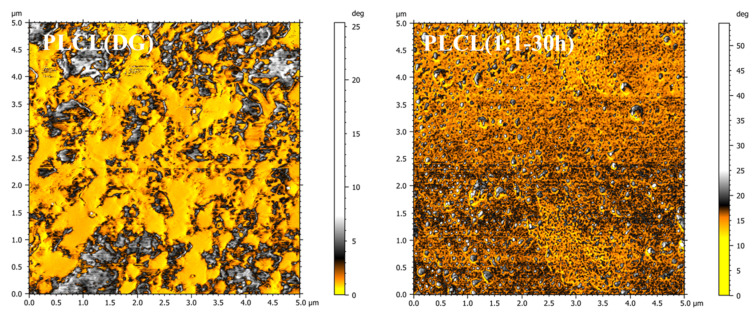
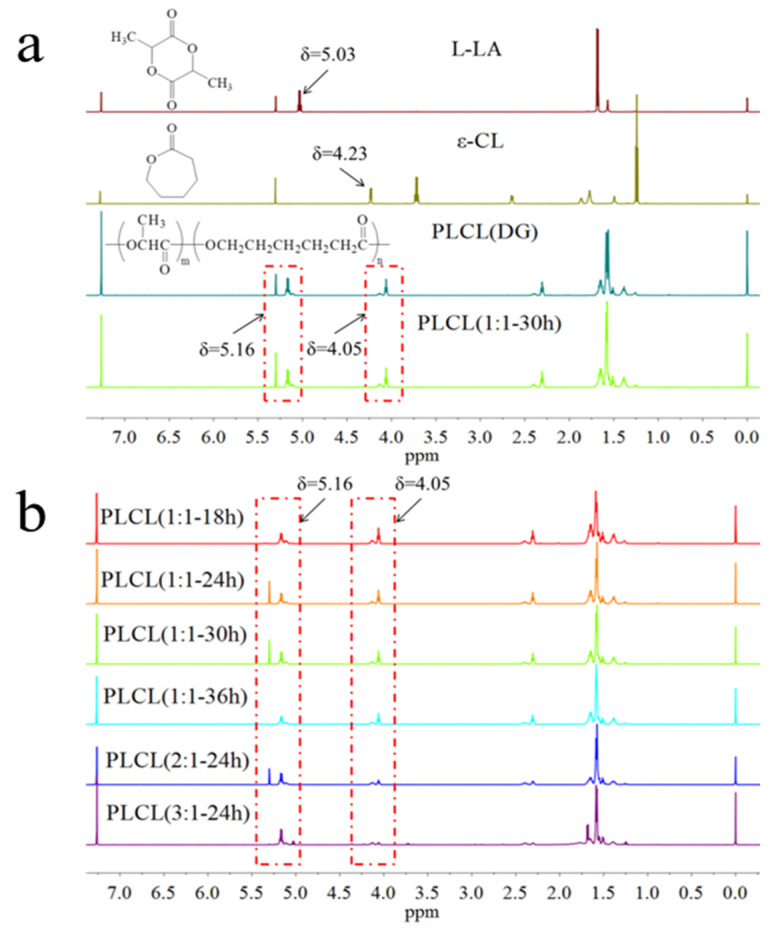
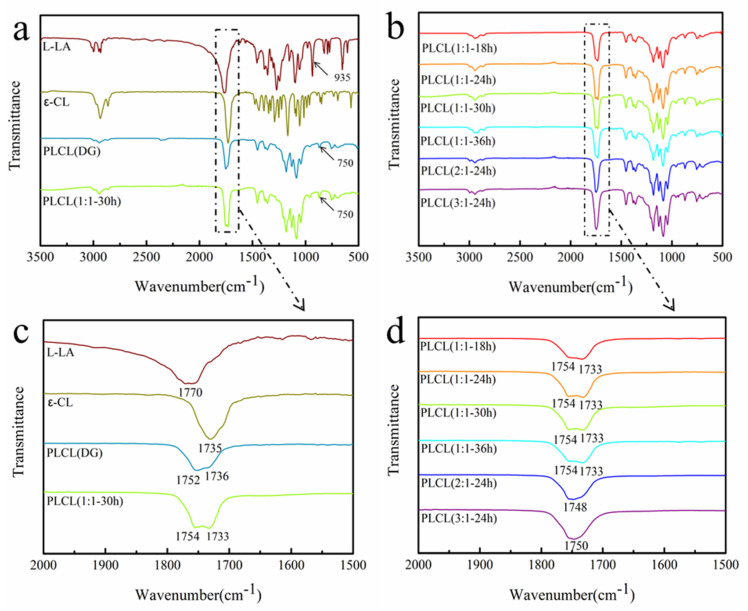
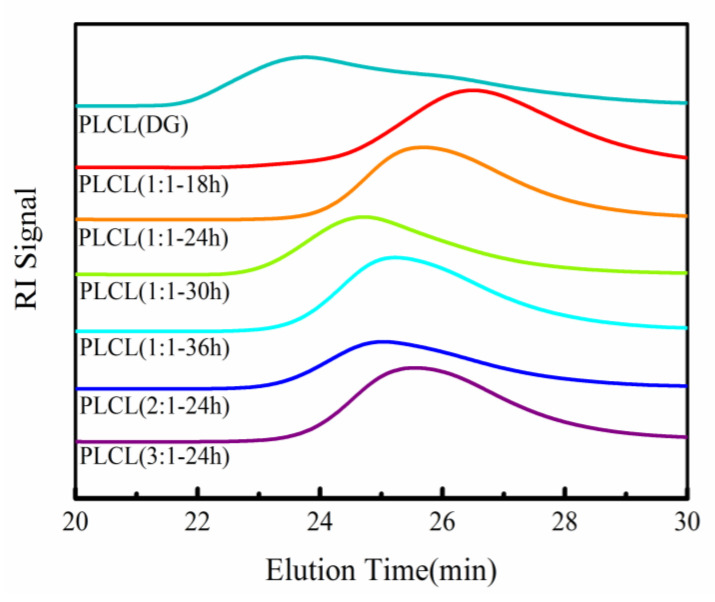
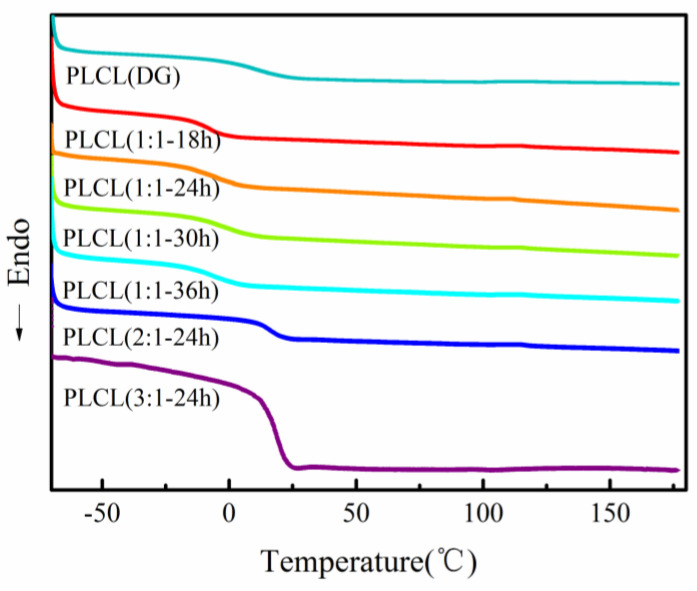
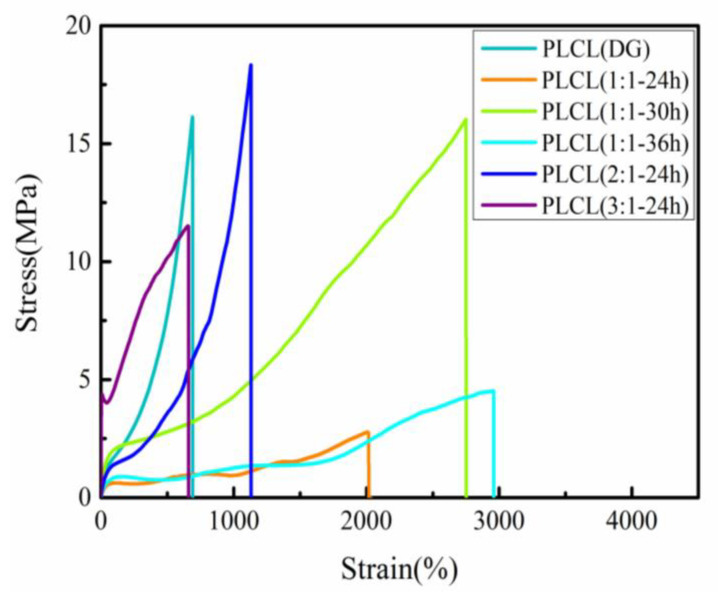
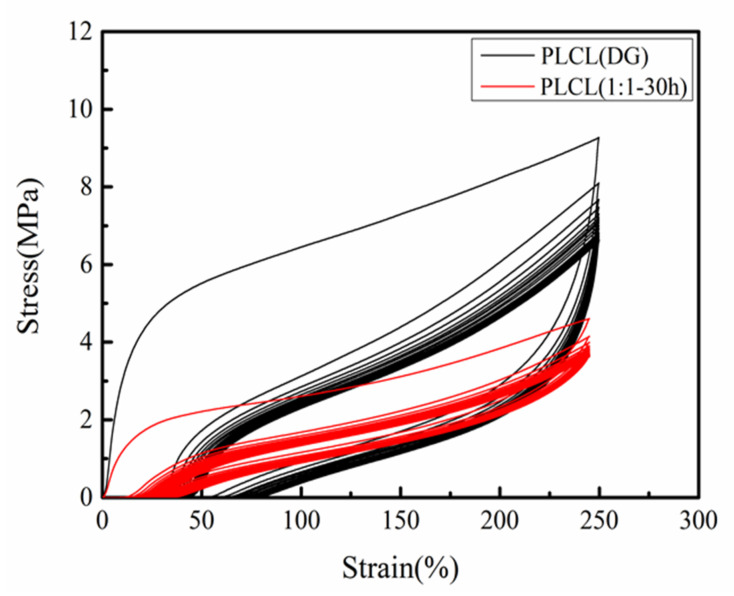
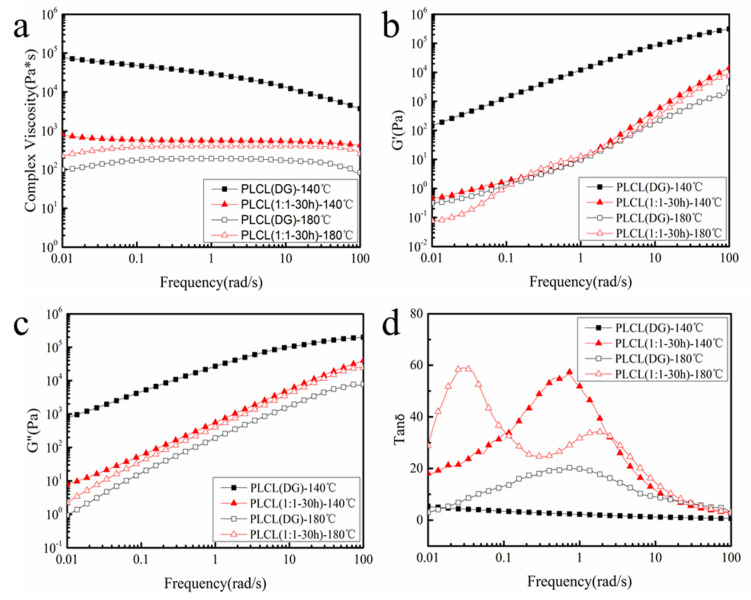
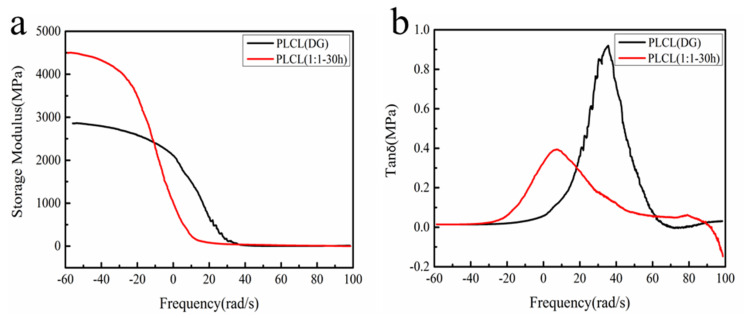
Biodegradable and bioabsorbable polymers have drawn considerable attention because of their mechanical properties that mimic human soft tissue. Poly(l-lactide-co-ε-caprolactone) (PLCL), the copolymer of L-lactic (LA) and ε-caprolactone (CL), has been applied in many tissue engineering and regenerative medicine fields. However, both the synthesis of PLCL and the structure-activity relationship of the copolymer need to be further investigated to allow tuning of different mechanical properties. The synthesis conditions of PLCL were optimized to increase the yield and improve the copolymer properties. The synthetic process was evaluated by while varying the molar ratio of the monomers and polymerization time. The mechanical properties of the copolymer were investigated from the macroscopic and microscopic perspectives. Changes in the polymerization time and feed ratio resulted in the difference in the LA and CL content, which, in turn, caused the PLCL to exhibit different properties. The PLCL obtained with a feed ratio of 1:1 (LA:CL) and a polymerization time of 30 h has the best toughness and elasticity. The developed PLCL may have applications in dynamic mechanical environment, such as vascular tissue engineering.
可生物降解和生物可吸收的聚合物因其模仿人体软组织的机械性能而备受关注。聚(L-丙交酯-共-ε-己内酯)(PLCL),即L-乳酸(LA)和ε-己内酯(CL)的共聚物,已应用于许多组织工程和再生医学领域。然而,PLCL的合成及其共聚物的构效关系都需要进一步研究,以便调节不同的机械性能。优化了PLCL的合成条件以提高产率并改善共聚物性能。通过改变单体的摩尔比和聚合时间来评估合成过程。从宏观和微观角度研究了共聚物的机械性能。聚合时间和进料比的变化导致LA和CL含量的差异,进而使PLCL表现出不同的性能。进料比为1:1(LA:CL)且聚合时间为30小时所得到的PLCL具有最佳的韧性和弹性。所开发的PLCL可能在动态力学环境中具有应用,如血管组织工程。