Chalgham Ali, Ehrmann Andrea, Wickenkamp Inge
Faculty of Engineering and Mathematics, Bielefeld University of Applied Sciences, 33619 Bielefeld, Germany.
Mechanical Department, Ecole Nationale d'Ingénieurs de Sfax (ENIS), Sfax 3038, Tunisia.
Polymers (Basel). 2021 Apr 11;13(8):1239. doi: 10.3390/polym13081239.
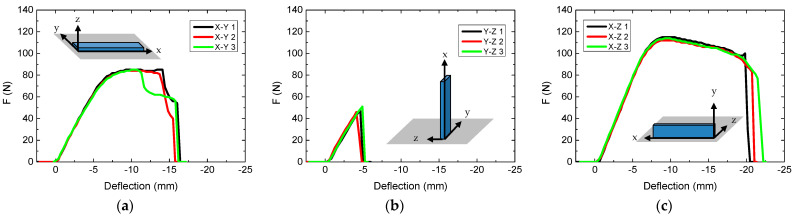
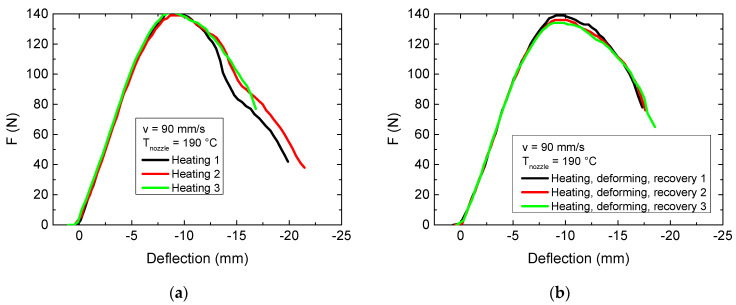
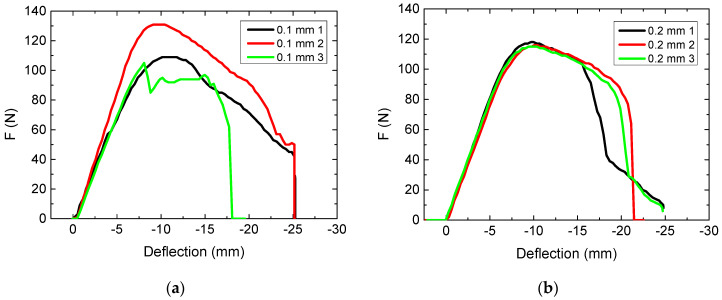
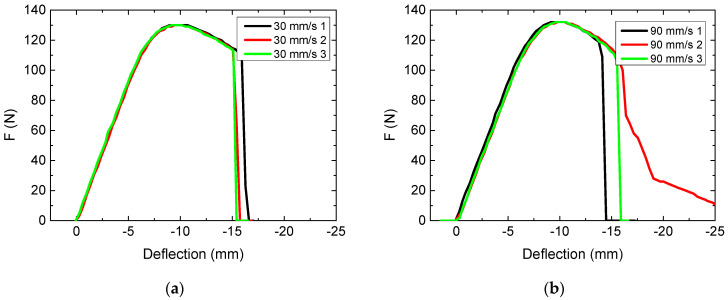
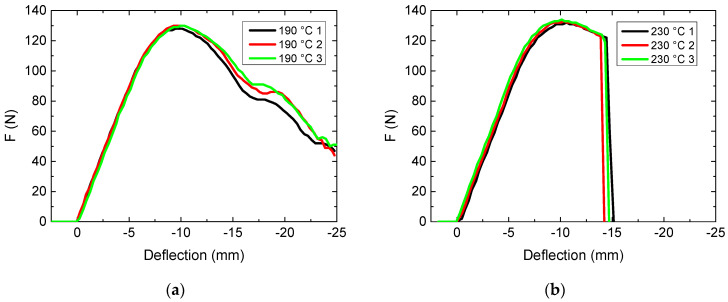
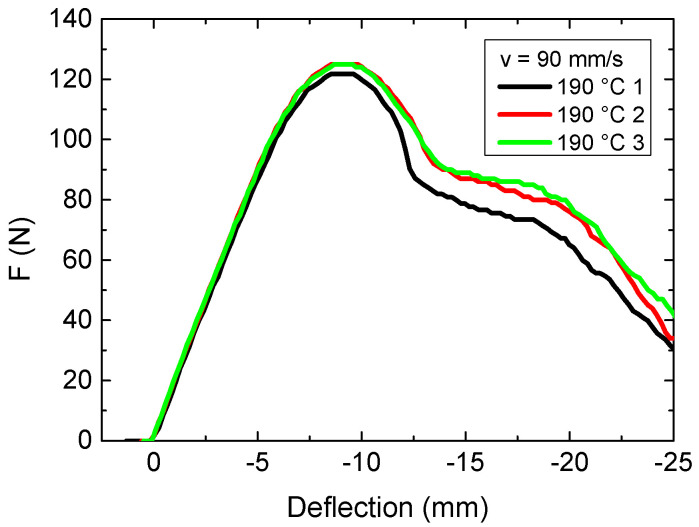
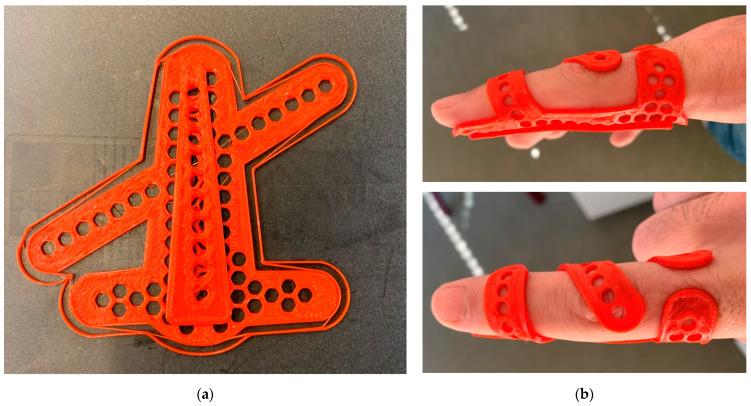
Fused deposition modeling (FDM) is one of the most often-used technologies in additive manufacturing. Several materials are used with this technology, such as poly(lactic acid) (PLA), which is most commonly applied. The mechanical properties of 3D-printed parts depend on the process parameters. This is why, in this study, three-point bending tests were carried out to characterize the influence of build orientation, layer thickness, printing temperature and printing speed on the mechanical properties of PLA samples. Not only the process parameters may affect the mechanical properties, but heat after-treatment also has an influence on them. For this reason, additional samples were printed with optimal process parameters and characterized after pure heat treatment as well as after deformation at a temperature above the glass transition temperature, cooling with applied deformation, and subsequent recovery under heat treatment. These findings are planned to be used in a future study on finger orthoses that could either be printed according to shape or in a flat shape and afterwards heated and bent around the finger.
熔融沉积建模(FDM)是增材制造中最常用的技术之一。该技术使用多种材料,例如最常用的聚乳酸(PLA)。3D打印部件的机械性能取决于工艺参数。因此,在本研究中,进行了三点弯曲试验,以表征构建方向、层厚、打印温度和打印速度对PLA样品机械性能的影响。不仅工艺参数可能会影响机械性能,热处理也会对其产生影响。因此,使用最佳工艺参数打印了额外的样品,并在纯热处理后以及在高于玻璃化转变温度的温度下变形、在施加变形的情况下冷却并随后在热处理下恢复后对其进行了表征。这些发现计划用于未来关于手指矫形器的研究,该矫形器既可以根据形状打印,也可以打印成扁平形状,然后加热并围绕手指弯曲。