Ehrmann Guido, Ehrmann Andrea
Virtual Institute of Applied Research on Advanced Materials (VIARAM).
Faculty of Engineering and Mathematics, Bielefeld University of Applied Sciences, 33619 Bielefeld, Germany.
Polymers (Basel). 2021 Apr 14;13(8):1275. doi: 10.3390/polym13081275.
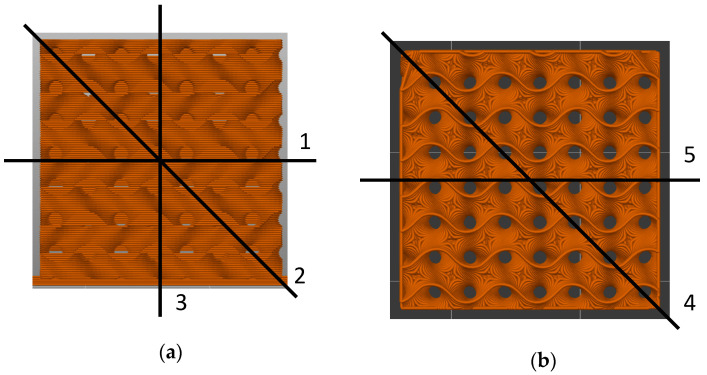
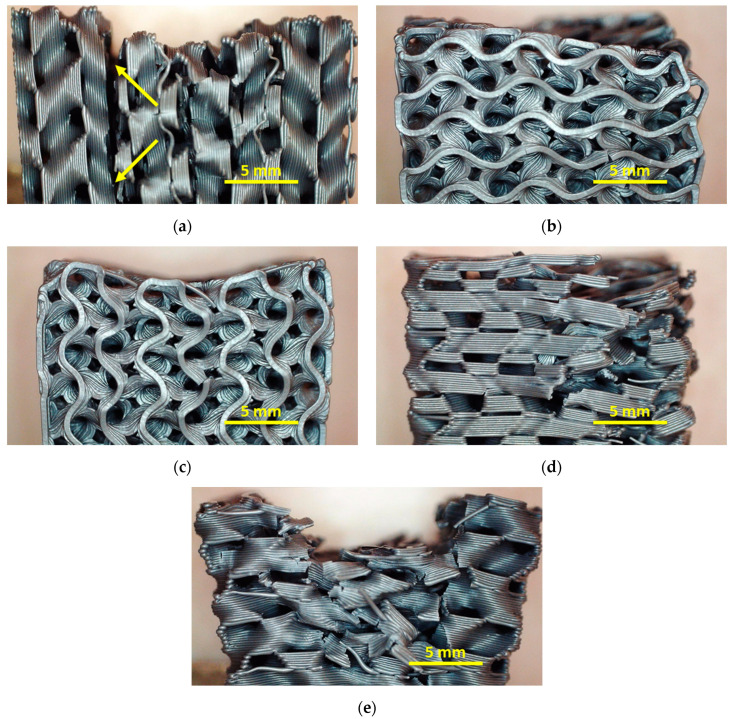
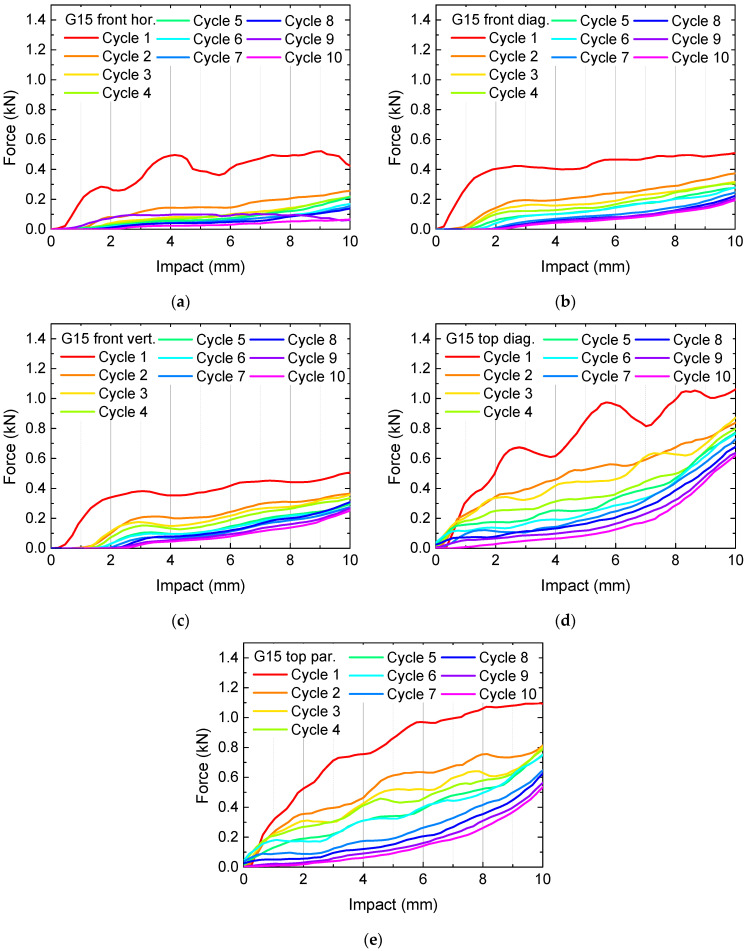
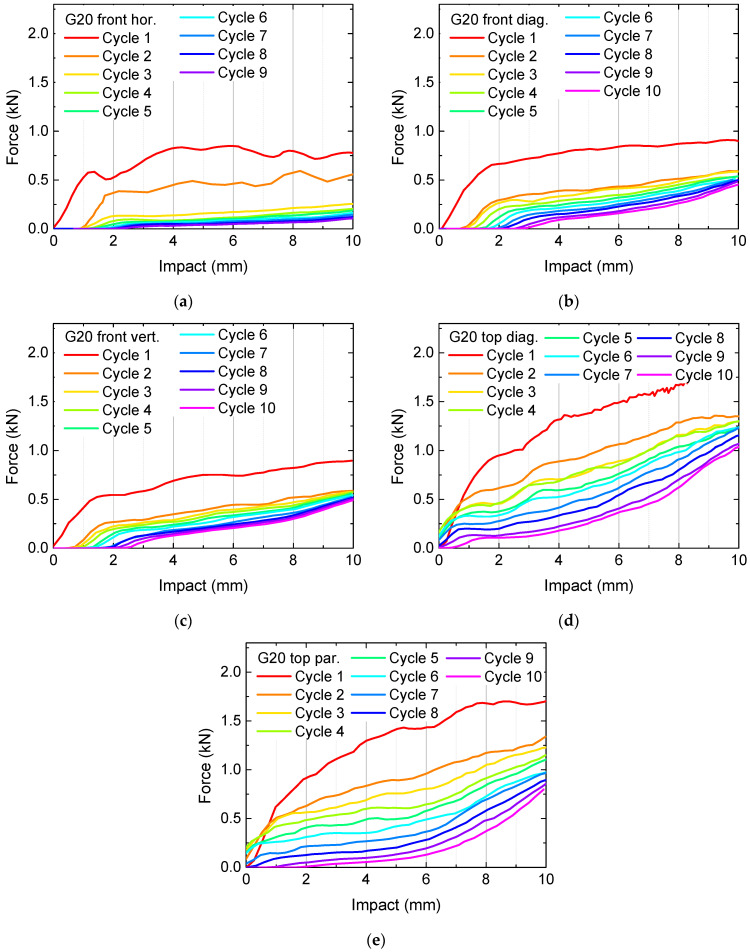
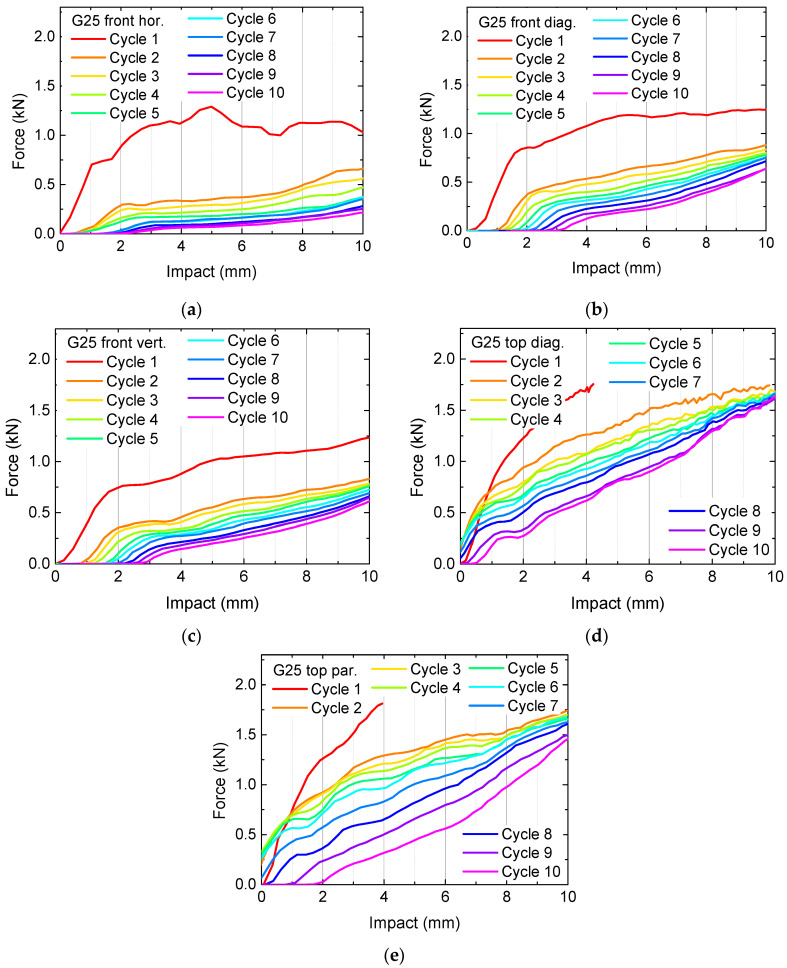
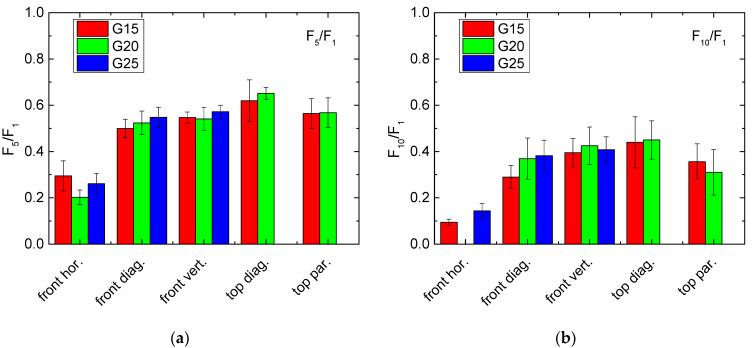
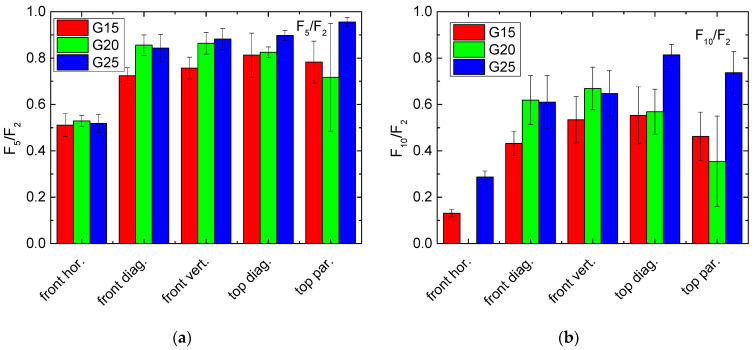
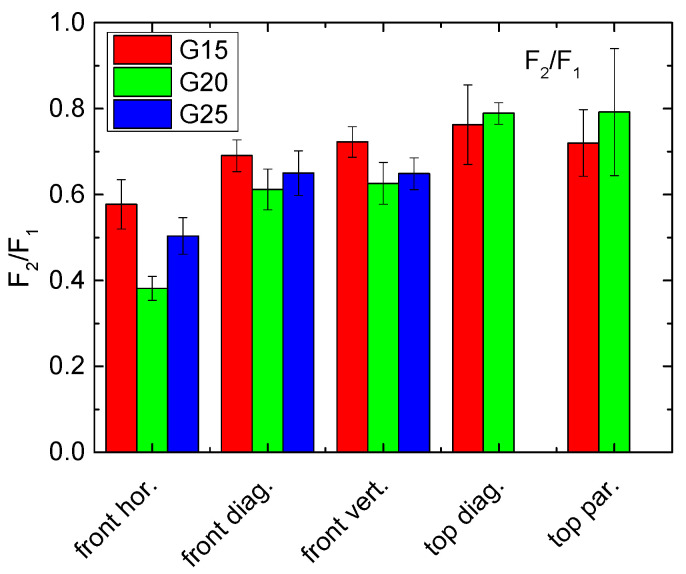
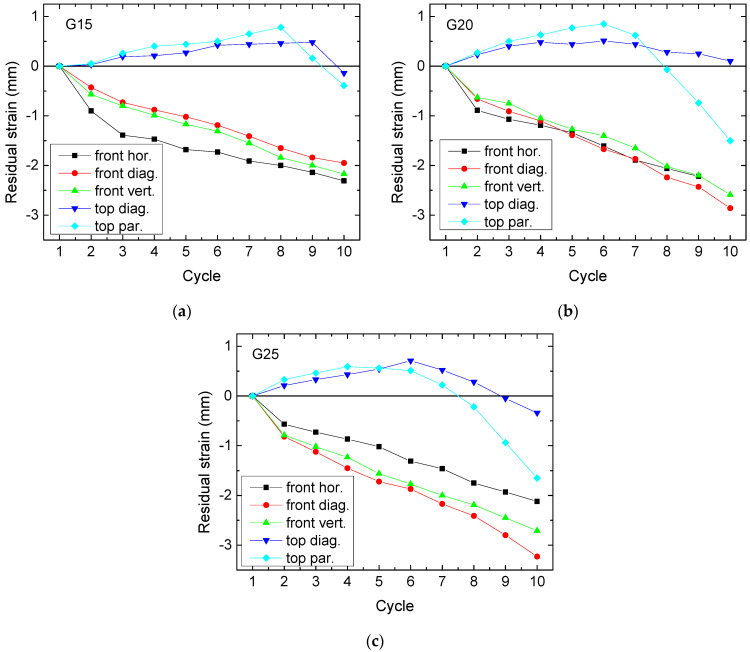
Poly(lactic acid) is not only one of the most often used materials for 3D printing via fused deposition modeling (FDM), but also a shape-memory polymer. This means that objects printed from PLA can, to a certain extent, be deformed and regenerate their original shape automatically when they are heated to a moderate temperature of about 60-100 °C. It is important to note that pure PLA cannot restore broken bonds, so that it is necessary to find structures which can take up large forces by deformation without full breaks. Here we report on the continuation of previous tests on 3D-printed cubes with different infill patterns and degrees, now investigating the influence of the orientation of the applied pressure on the recovery properties. We find that for the applied gyroid pattern, indentation on the front parallel to the layers gives the worst recovery due to nearly full layer separation, while indentation on the front perpendicular to the layers or diagonal gives significantly better results. Pressing from the top, either diagonal or parallel to an edge, interestingly leads to a different residual strain than pressing from front, with indentation on top always firstly leading to an expansion towards the indenter after the first few quasi-static load tests. To quantitatively evaluate these results, new measures are suggested which could be adopted by other groups working on shape-memory polymers.
聚乳酸不仅是通过熔融沉积建模(FDM)进行3D打印最常用的材料之一,也是一种形状记忆聚合物。这意味着由聚乳酸打印的物体在一定程度上可以变形,并且当加热到约60-100°C的适中温度时会自动恢复其原始形状。需要注意的是,纯聚乳酸无法修复断裂的键,因此有必要找到能够通过变形承受较大力而不会完全断裂的结构。在此,我们报告了之前对具有不同填充图案和程度的3D打印立方体进行测试的后续情况,现在研究施加压力的方向对恢复特性的影响。我们发现,对于所应用的螺旋状图案,平行于层的正面进行压痕会导致最差的恢复效果,因为几乎完全的层分离,而垂直于层或对角线的正面进行压痕会得到明显更好的结果。有趣的是,从顶部(无论是对角线方向还是平行于一条边)施压与从正面施压相比会导致不同的残余应变,在最初几次准静态载荷测试后,顶部压痕总是首先导致朝着压头方向膨胀。为了定量评估这些结果,我们提出了新的测量方法,其他研究形状记忆聚合物的团队可以采用。