Pellegrino Laura, Coscia Martina, Pierella Camilla, Giannoni Psiche, Cherif Amel, Mugnosso Maddalena, Marinelli Lucio, Casadio Maura
Department Informatics, Bioengineering, Robotics and Systems Engineering (DIBRIS), University of Genoa, 16126 Genoa, Italy.
Bertarelli Foundation Chair in Translational Neuroengineering, Ecole Polytechnique Federale de Lausanne, 1015 Lausanne, Switzerland.
Life (Basel). 2021 Apr 23;11(5):383. doi: 10.3390/life11050383.
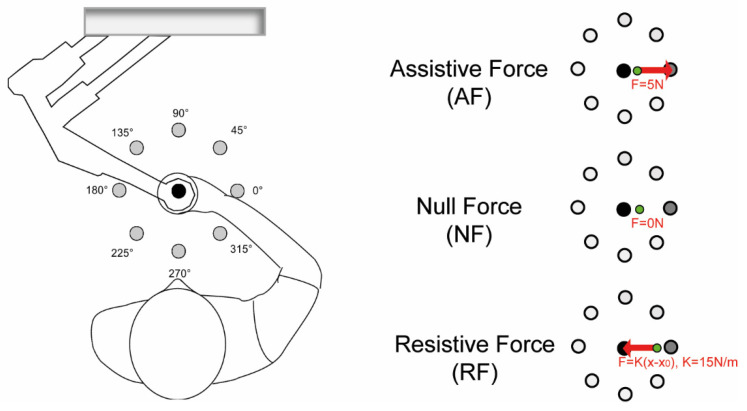
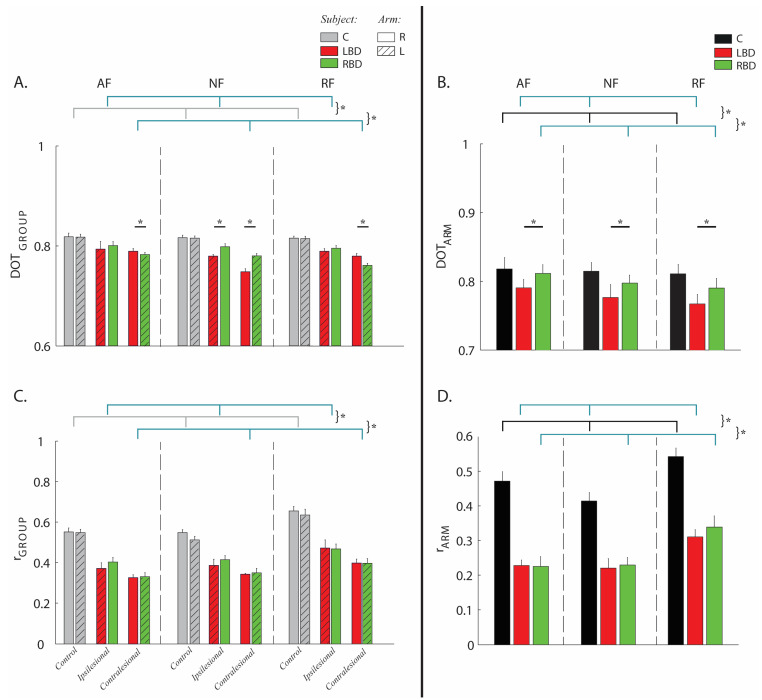
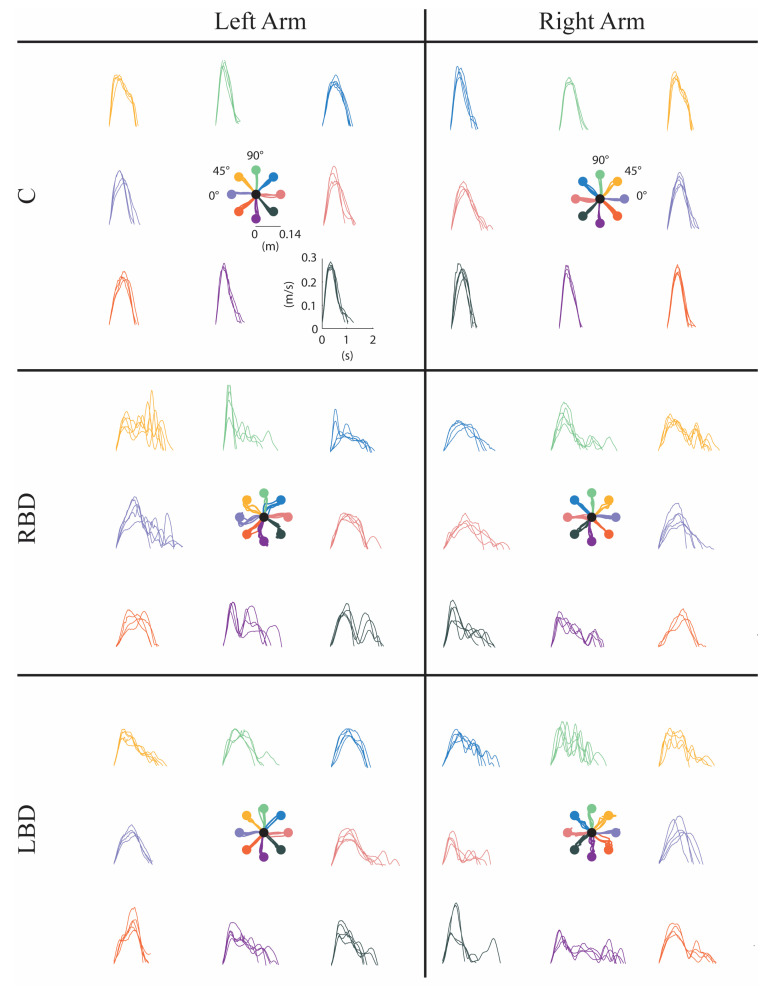
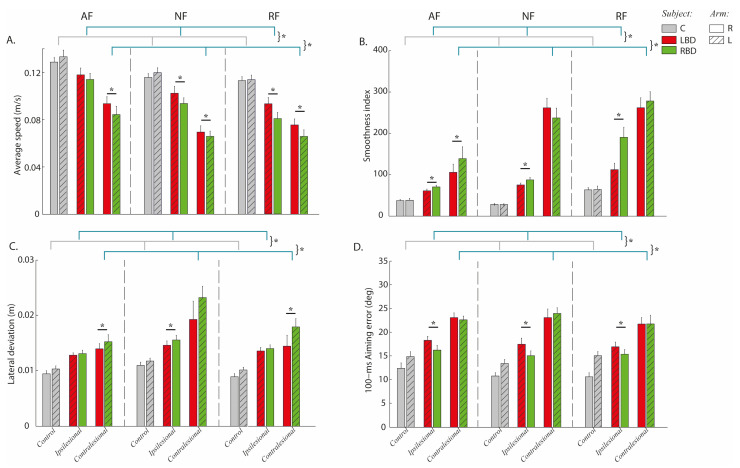
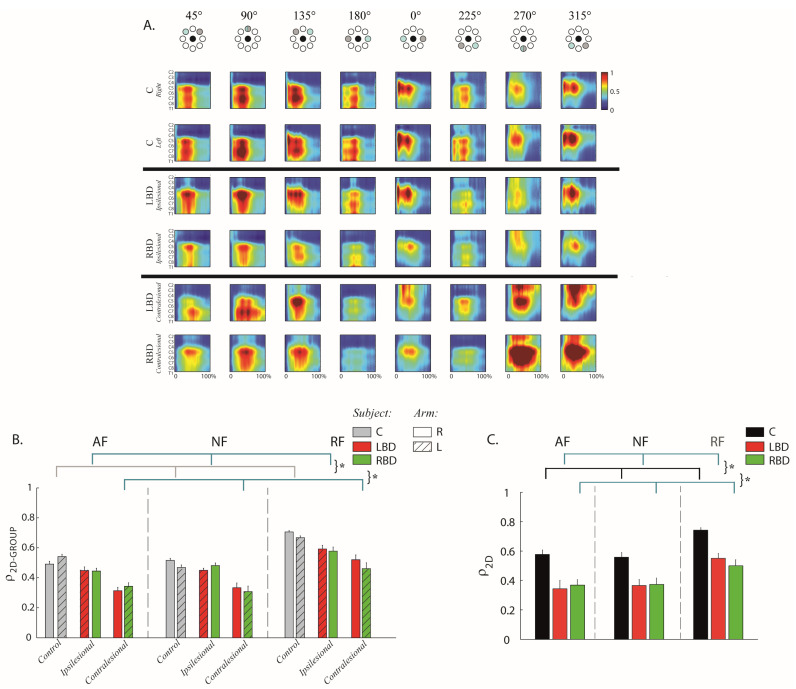
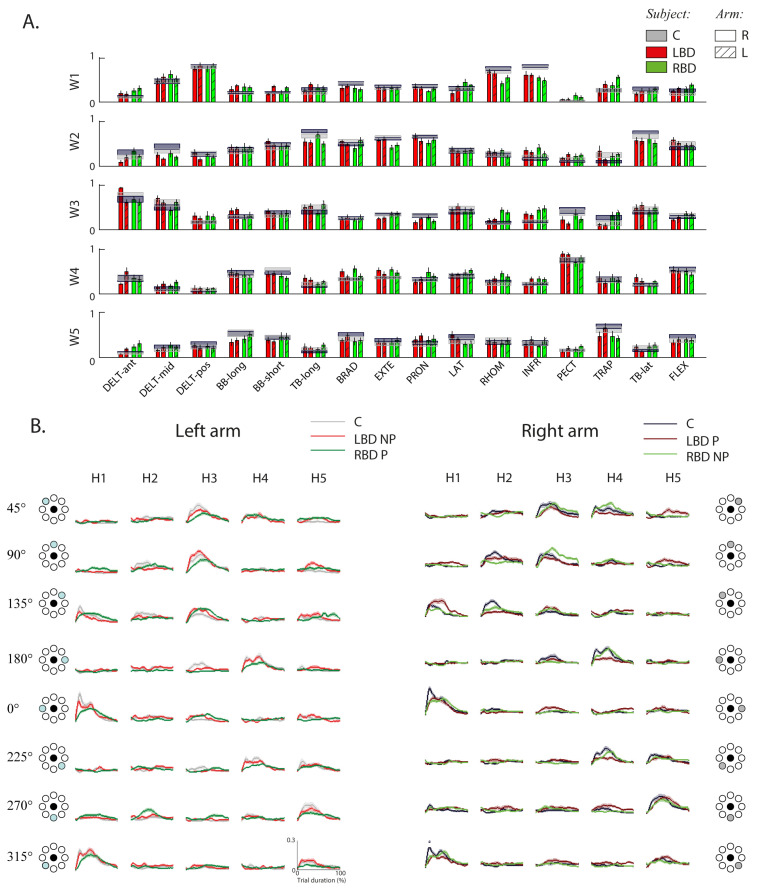
This study investigated how stroke's hemispheric localization affects motor performance, spinal maps and muscle synergies while performing planar reaching with and without assistive or resistive forces. A lesion of the right hemisphere affected performance, reducing average speed and smoothness and augmenting lateral deviation in both arms. Instead, a lesion of the left hemisphere affected the aiming error, impairing the feedforward control of the ipsilesional arm. The structure of the muscle synergies had alterations dependent on the lesion side in both arms. The applied force fields reduced the differences in performance and in muscle activations between arms and among populations. These results support the hypotheses of hemispheric specialization in movement control and identify potential significant biomarkers for the design of more effective and personalized rehabilitation protocols.
本研究调查了在施加或不施加辅助力或阻力的情况下进行平面伸手动作时,中风的半球定位如何影响运动表现、脊髓图谱和肌肉协同作用。右半球损伤会影响表现,降低平均速度和平滑度,并增加双臂的侧向偏差。相反,左半球损伤会影响瞄准误差,损害患侧手臂的前馈控制。双臂肌肉协同作用的结构根据损伤侧而发生改变。施加的力场减少了双臂之间以及不同人群之间在表现和肌肉激活方面的差异。这些结果支持了运动控制中半球特化的假设,并为设计更有效和个性化的康复方案确定了潜在的重要生物标志物。