Cardiology Department, Reference Center on Lysosomal Storage Disorders, Hospital Senhora da Oliveira, 4835-044 Guimarães, Portugal.
Life and Health Sciences Research Institute (ICVS), School of Medicine, University of Minho, 4710-057 Braga, Portugal.
Int J Mol Sci. 2021 Apr 23;22(9):4434. doi: 10.3390/ijms22094434.
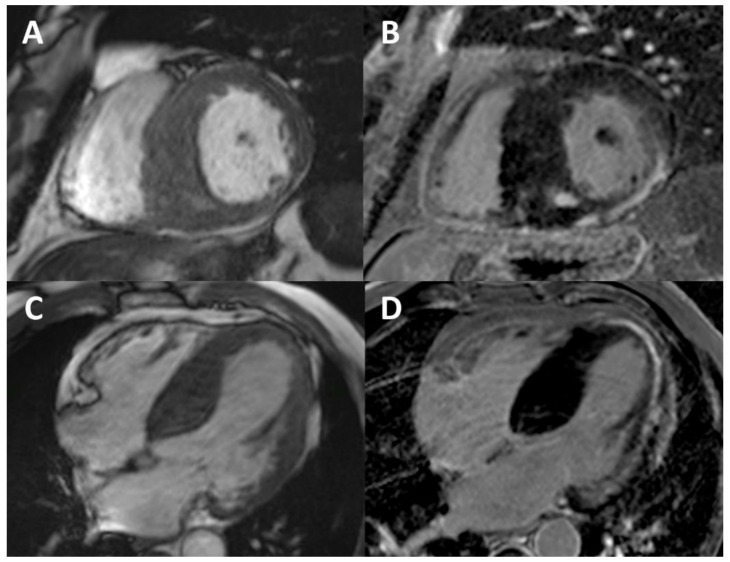
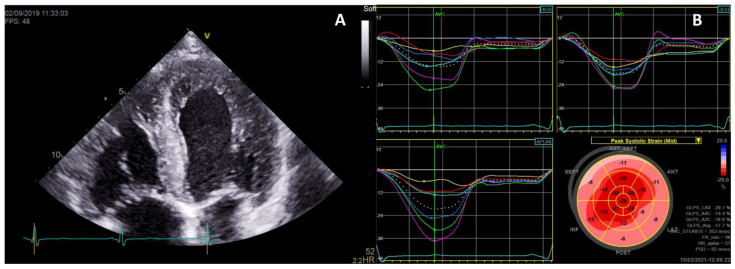
Fabry disease (FD) is an X-linked lysosomal storage disorder caused by mutations of the gene that result in a deficiency of the enzymatic activity of α-galactosidase A and consequent accumulation of glycosphingolipids in body fluids and lysosomes of the cells throughout the body. GB3 accumulation occurs in virtually all cardiac cells (cardiomyocytes, conduction system cells, fibroblasts, and endothelial and smooth muscle vascular cells), ultimately leading to ventricular hypertrophy and fibrosis, heart failure, valve disease, angina, dysrhythmias, cardiac conduction abnormalities, and sudden death. Despite available therapies and supportive treatment, cardiac involvement carries a major prognostic impact, representing the main cause of death in FD. In the last years, knowledge has substantially evolved on the pathophysiological mechanisms leading to cardiac damage, the natural history of cardiac manifestations, the late-onset phenotypes with predominant cardiac involvement, the early markers of cardiac damage, the role of multimodality cardiac imaging on the diagnosis, management and follow-up of Fabry patients, and the cardiac efficacy of available therapies. Herein, we provide a comprehensive and integrated review on the cardiac involvement of FD, at the pathophysiological, anatomopathological, laboratory, imaging, and clinical levels, as well as on the diagnosis and management of cardiac manifestations, their supportive treatment, and the cardiac efficacy of specific therapies, such as enzyme replacement therapy and migalastat.
法布瑞氏病(FD)是一种 X 连锁溶酶体贮积症,由基因的突变引起,导致α-半乳糖苷酶 A 的酶活性缺乏,从而导致糖脂在全身体液和细胞溶酶体中蓄积。GB3 在几乎所有的心脏细胞(心肌细胞、传导系统细胞、成纤维细胞以及内皮和平滑肌血管细胞)中蓄积,最终导致心室肥厚和纤维化、心力衰竭、瓣膜病、心绞痛、心律失常、心脏传导异常和猝死。尽管有可用的治疗方法和支持性治疗,心脏受累仍具有重要的预后影响,是 FD 的主要死亡原因。在过去的几年中,关于导致心脏损伤的病理生理机制、心脏表现的自然病史、以心脏受累为主的迟发性表型、心脏损伤的早期标志物、多模式心脏成像在 Fabry 患者的诊断、管理和随访中的作用以及可用治疗方法的心脏疗效等方面的知识有了实质性的发展。在此,我们就 FD 的心脏受累情况,从病理生理、解剖病理学、实验室、影像学和临床等方面,以及心脏表现的诊断和管理、其支持性治疗,以及特定治疗方法(如酶替代疗法和米加司他)的心脏疗效等方面,进行了全面综合的综述。