Cellular Reprogramming and Embryo Biotechnology Laboratory, Dental Research Institute, School of Dentistry, Seoul National University, Seoul 08826, Korea.
Samsung Medical Center, Samsung Biomedical Research Institute, School of Medicine, Sungkyunkwan University, Seoul 06351, Korea.
Int J Mol Sci. 2021 Apr 20;22(8):4287. doi: 10.3390/ijms22084287.
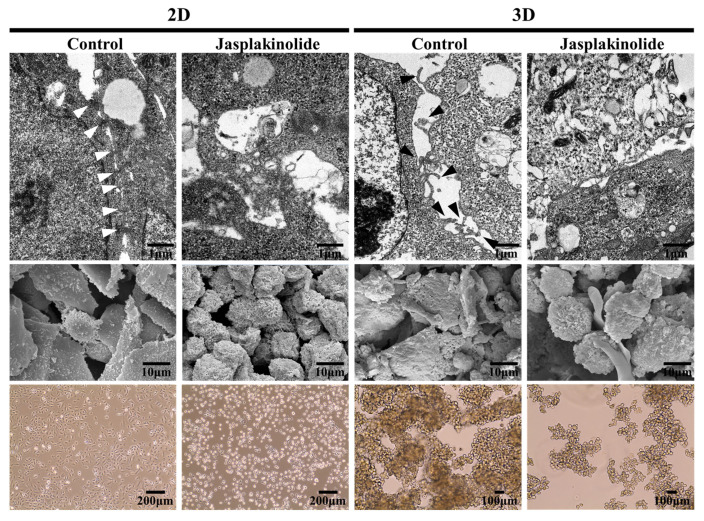
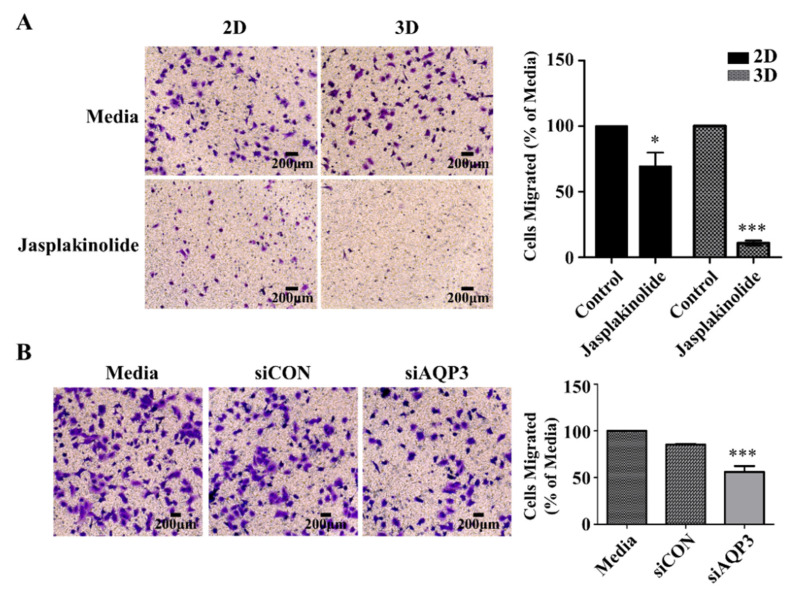
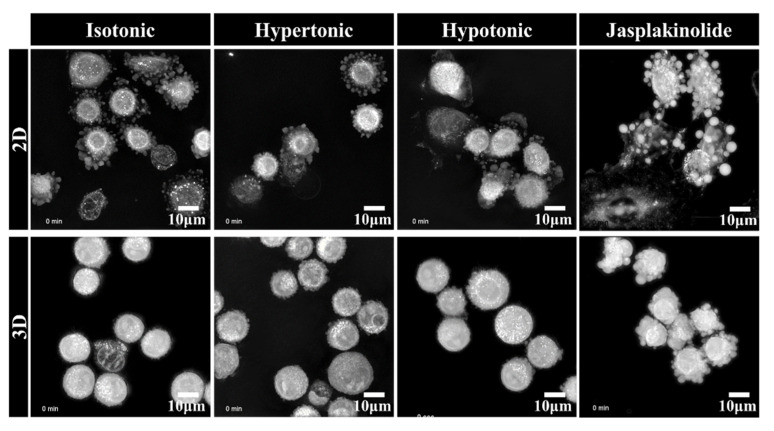
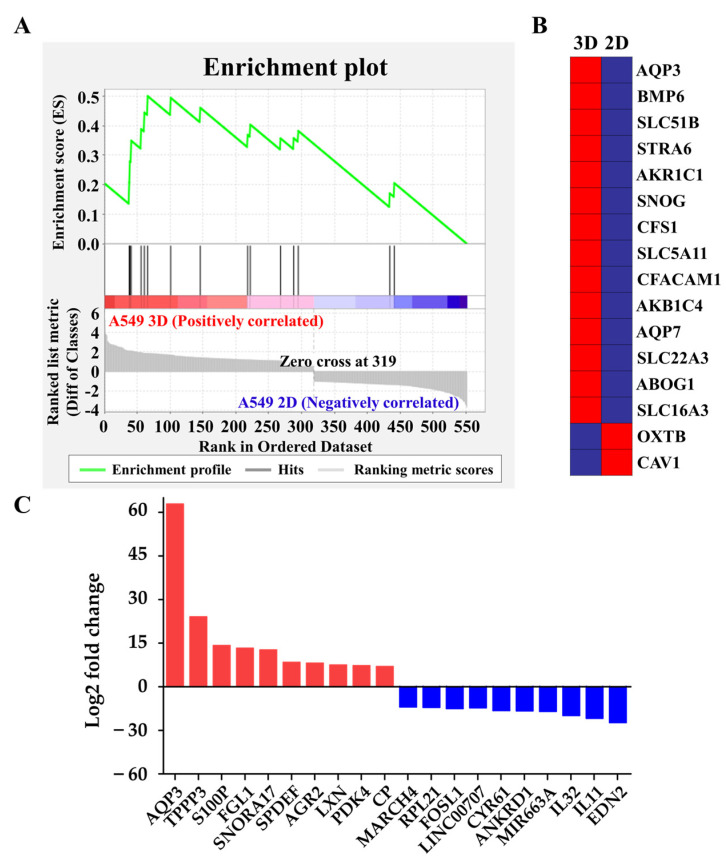
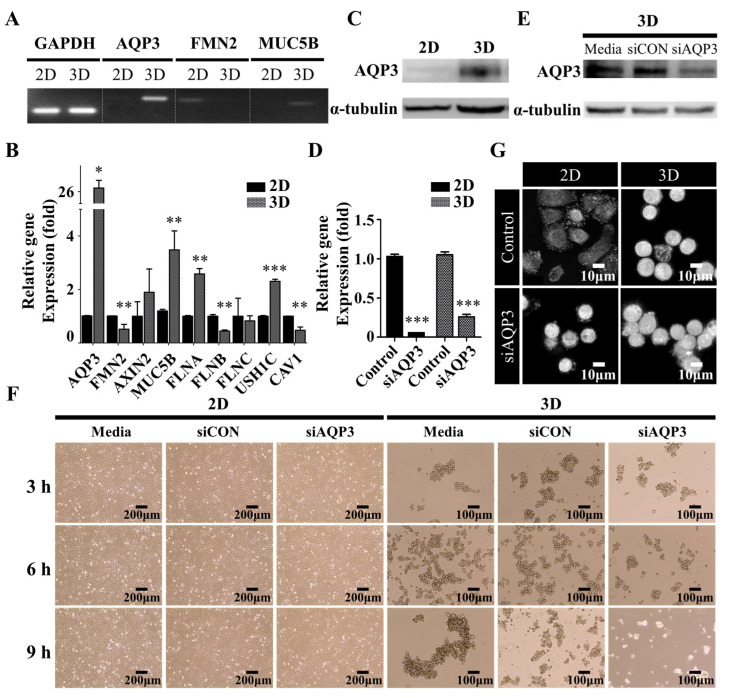
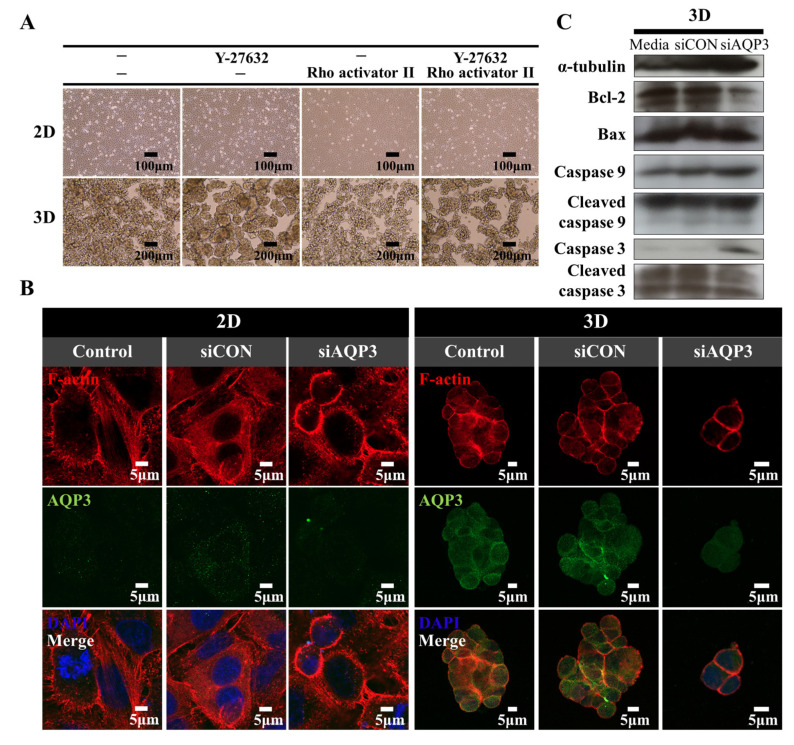
Tumor cell aggregation is critical for cell survival following the loss of extracellular matrix attachment and dissemination. However, the underlying mechanotransduction of clustering solitary tumor cells is poorly understood, especially in non-small cell lung cancers (NSCLC). Here, we examined whether cell surface protrusions played an important role in facilitating the physical contact between floating cells detached from a substrate. We employed poly-2-hydroxyethyl methacrylate-based 3D culture methods to mimic in vivo tumor cell cluster formation. The suprastructural analysis of human NSCLC A549 cell spheroids showed that finger-like protrusions clung together via the actin cytoskeleton. Time-lapse holotomography demonstrated that the finger-like protrusions of free-floating cells in 3D culture displayed exploratory coalescence. Global gene expression analysis demonstrated that the genes in the organic hydroxyl transport were particularly enriched in the A549 cell spheroids. Particularly, the knockdown of the water channel aquaporin 3 gene () impaired multicellular aggregate formation in 3D culture through the rearrangement of the actomyosin cytoskeleton. Moreover, the cells with reduced levels of AQP3 decreased their transmigration. Overall, these data indicate that cell detachment-upregulated contributes to cell surface protrusions through actomyosin cytoskeleton remodeling, causing the aggressive aggregation of free-floating cells dependent on the property of the substratum and collective metastasis.
肿瘤细胞聚集对于细胞在细胞外基质附着和扩散丧失后的存活至关重要。然而,细胞簇集的潜在力学转导在很大程度上仍未被理解,尤其是在非小细胞肺癌(NSCLC)中。在这里,我们研究了细胞表面突起是否在促进从基质上脱落的悬浮细胞之间的物理接触中发挥重要作用。我们采用基于聚 2-羟乙基甲基丙烯酸酯的 3D 培养方法来模拟体内肿瘤细胞簇的形成。人 NSCLC A549 细胞球体的超微结构分析表明,指状突起通过肌动球蛋白细胞骨架相互粘连。延时全层摄影术显示,3D 培养中自由悬浮细胞的指状突起表现出探索性的融合。全基因表达分析表明,有机羟基转运相关基因在 A549 细胞球体中特别丰富。特别是,水通道蛋白 aquaporin 3 基因()的敲低通过肌动球蛋白细胞骨架的重排,破坏了 3D 培养中的多细胞聚集形成。此外,AQP3 水平降低的细胞其迁移能力也降低。总的来说,这些数据表明细胞脱落后上调的 通过肌动球蛋白细胞骨架重塑促进细胞表面突起的形成,导致依赖于基质性质的游离悬浮细胞的侵袭性聚集和集体转移。