Department of Experimental Biology, Faculty of Science, Masaryk University, 62500 Brno, Czech Republic.
Archaea Physiology & Biotechnology Group, Department of Functional and Evolutionary Ecology, Universität Wien, 1090 Wien, Austria.
Int J Mol Sci. 2021 Apr 13;22(8):4007. doi: 10.3390/ijms22084007.
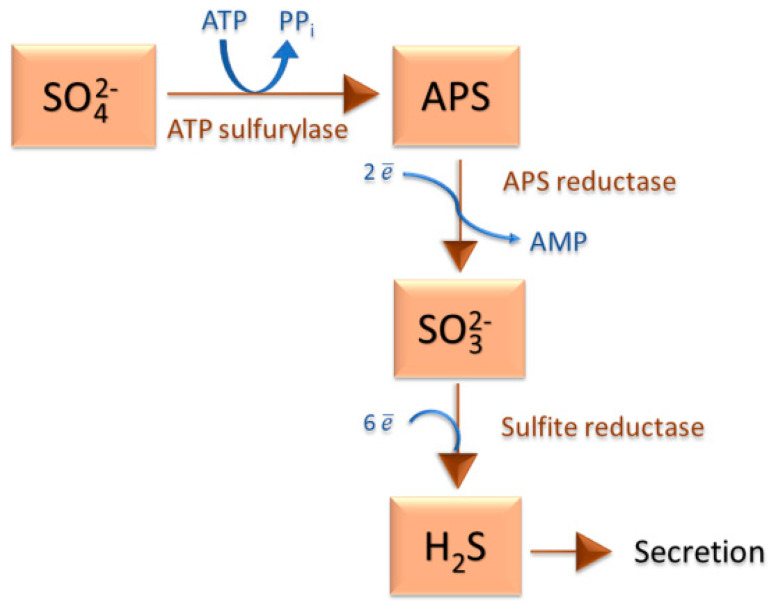
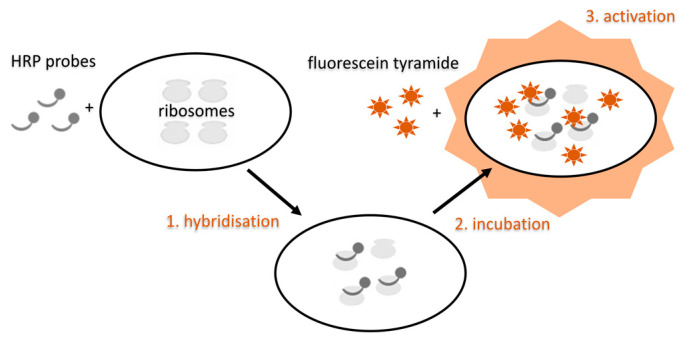
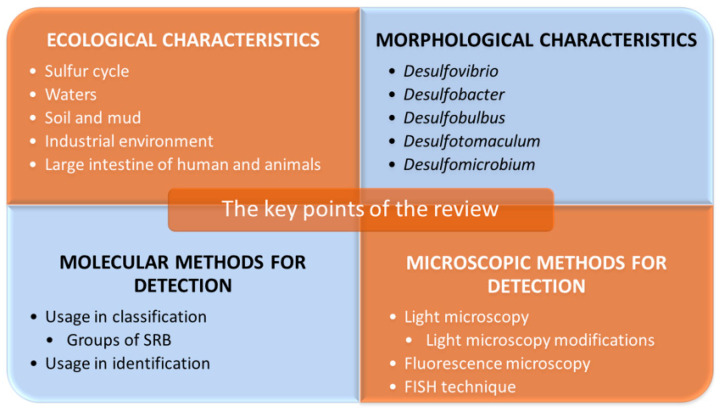
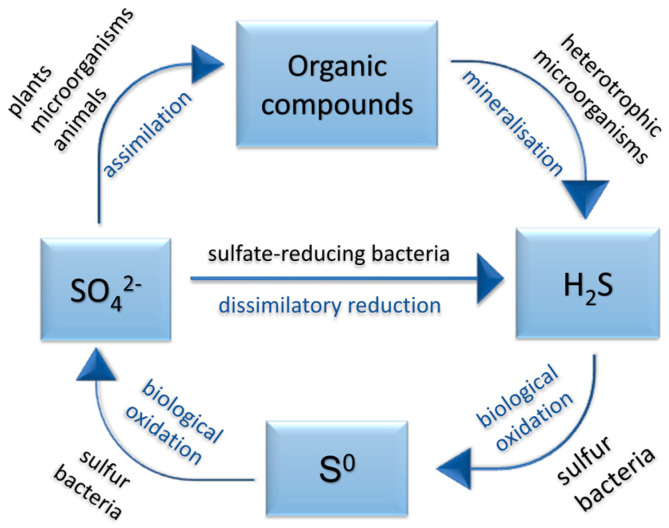
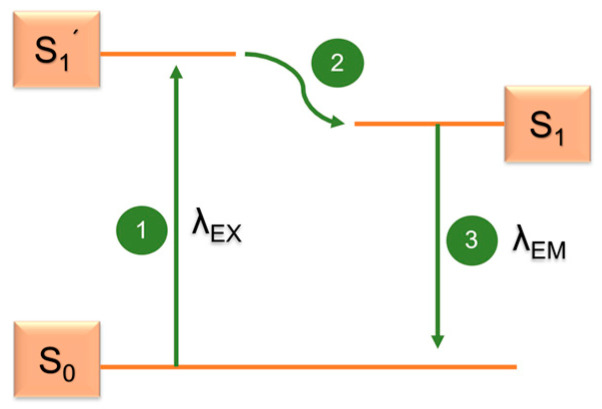
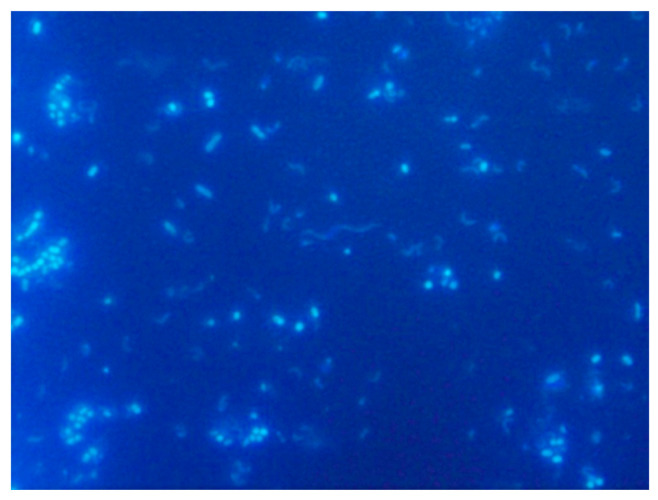
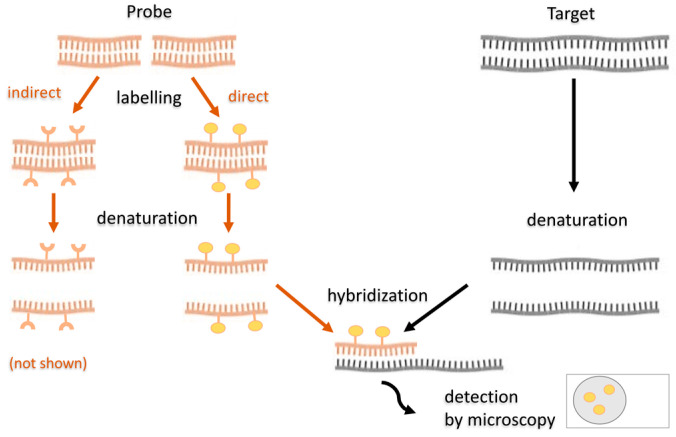
This paper is devoted to microscopic methods for the identification of sulfate-reducing bacteria (SRB). In this context, it describes various habitats, morphology and techniques used for the detection and identification of this very heterogeneous group of anaerobic microorganisms. SRB are present in almost every habitat on Earth, including freshwater and marine water, soils, sediments or animals. In the oil, water and gas industries, they can cause considerable economic losses due to their hydrogen sulfide production; in periodontal lesions and the colon of humans, they can cause health complications. Although the role of these bacteria in inflammatory bowel diseases is not entirely known yet, their presence is increased in patients and produced hydrogen sulfide has a cytotoxic effect. For these reasons, methods for the detection of these microorganisms were described. Apart from selected molecular techniques, including metagenomics, fluorescence microscopy was one of the applied methods. Especially fluorescence in situ hybridization (FISH) in various modifications was described. This method enables visual identification of SRB, determining their abundance and spatial distribution in environmental biofilms and gut samples.
本文致力于介绍用于鉴定硫酸盐还原菌(SRB)的微观方法。文中描述了各种生境、形态以及用于检测和鉴定这种非常异质的厌氧微生物群的技术。SRB 存在于地球上几乎所有的生境中,包括淡水和海水、土壤、沉积物或动物。在石油、水和天然气行业,由于它们产生的硫化氢,会造成相当大的经济损失;在牙周病和人类结肠中,它们会引起健康并发症。尽管这些细菌在炎症性肠病中的作用尚未完全清楚,但它们在患者中的存在增加了,并且产生的硫化氢具有细胞毒性作用。出于这些原因,描述了这些微生物的检测方法。除了包括宏基因组学在内的一些选定的分子技术外,荧光显微镜也是应用的方法之一。特别是各种修饰的荧光原位杂交(FISH)方法。该方法能够直观地鉴定 SRB,确定它们在环境生物膜和肠道样本中的丰度和空间分布。