IEEE Trans Med Imaging. 2021 Sep;40(9):2295-2305. doi: 10.1109/TMI.2021.3076810. Epub 2021 Aug 31.
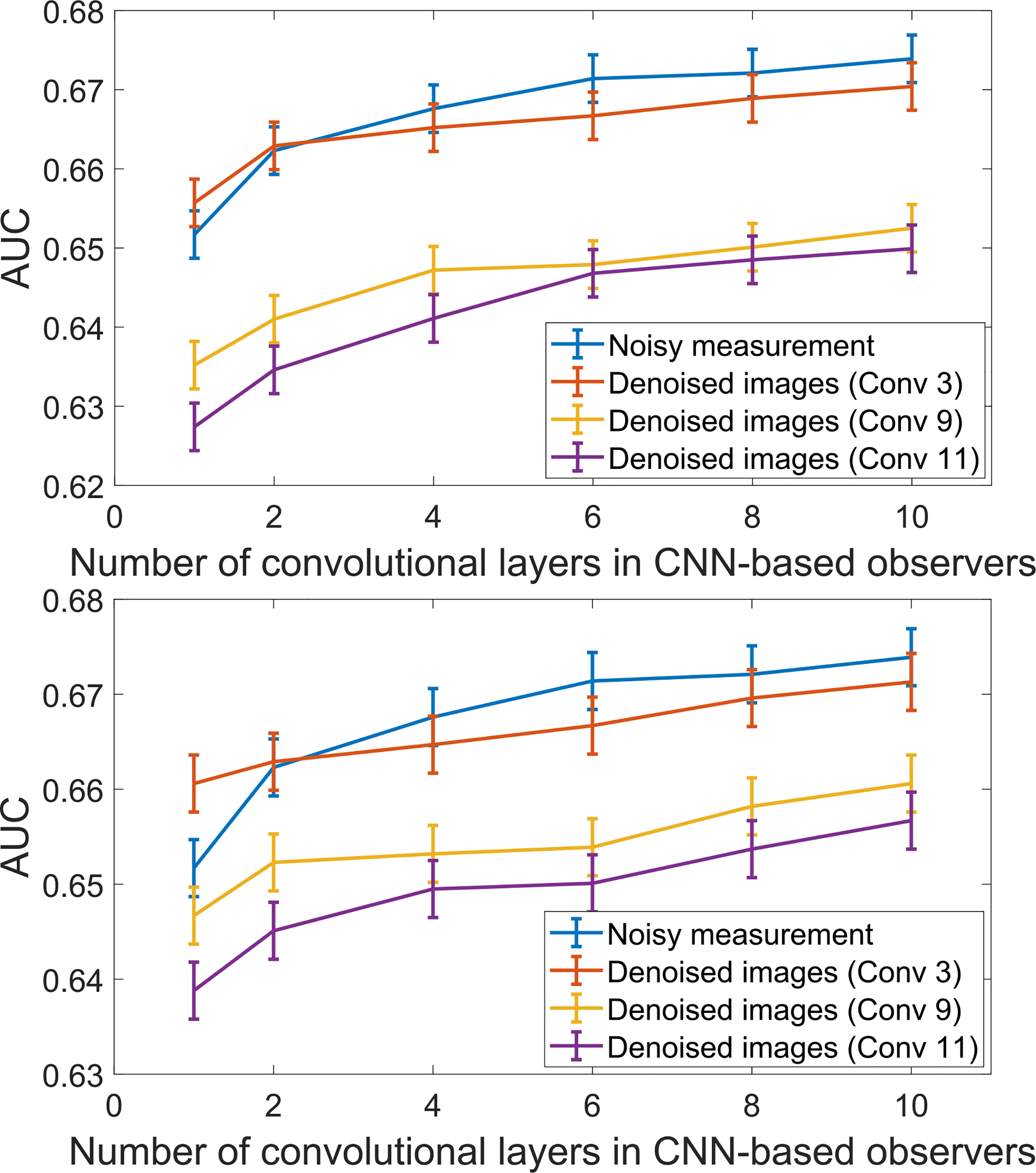
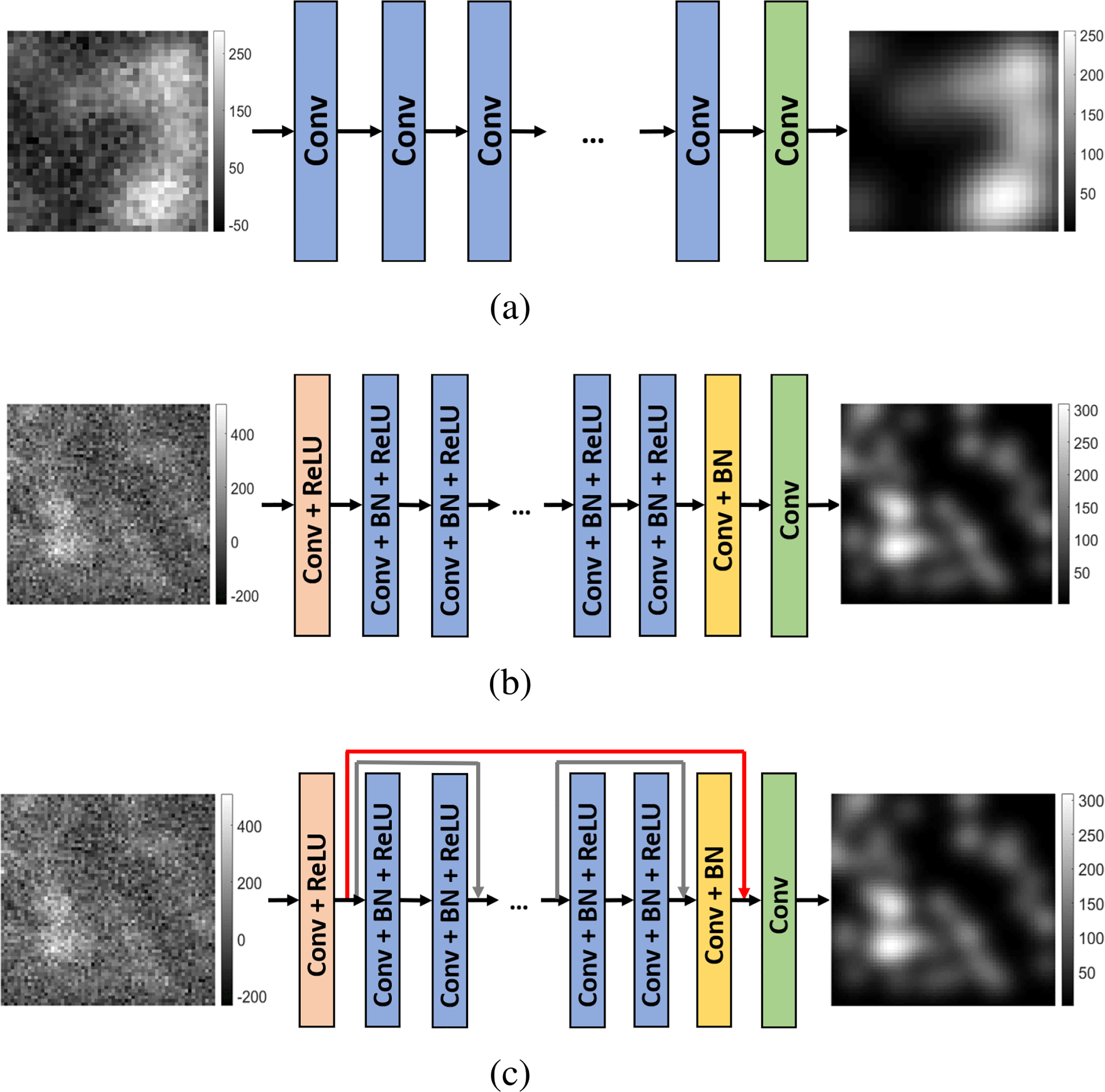
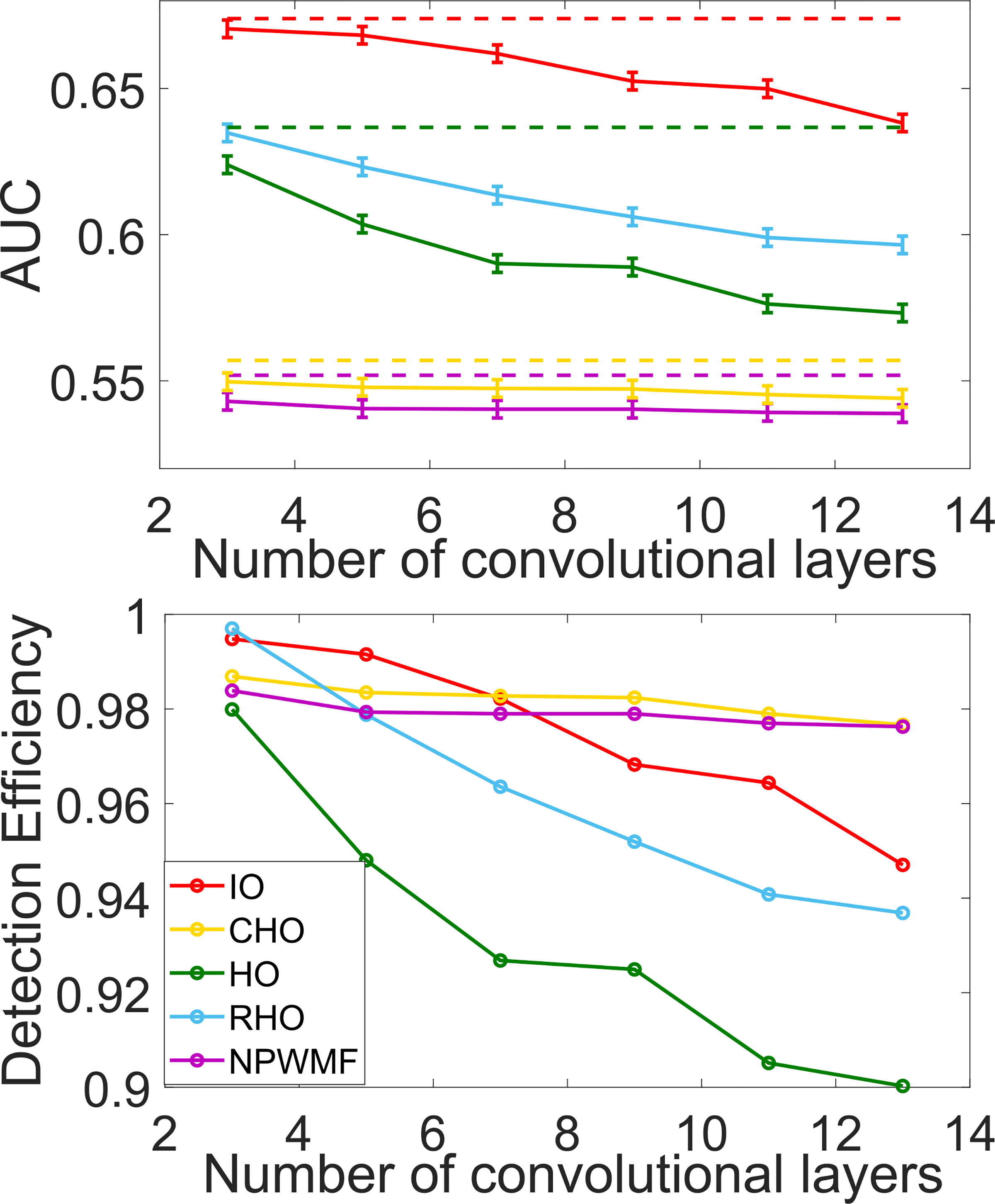
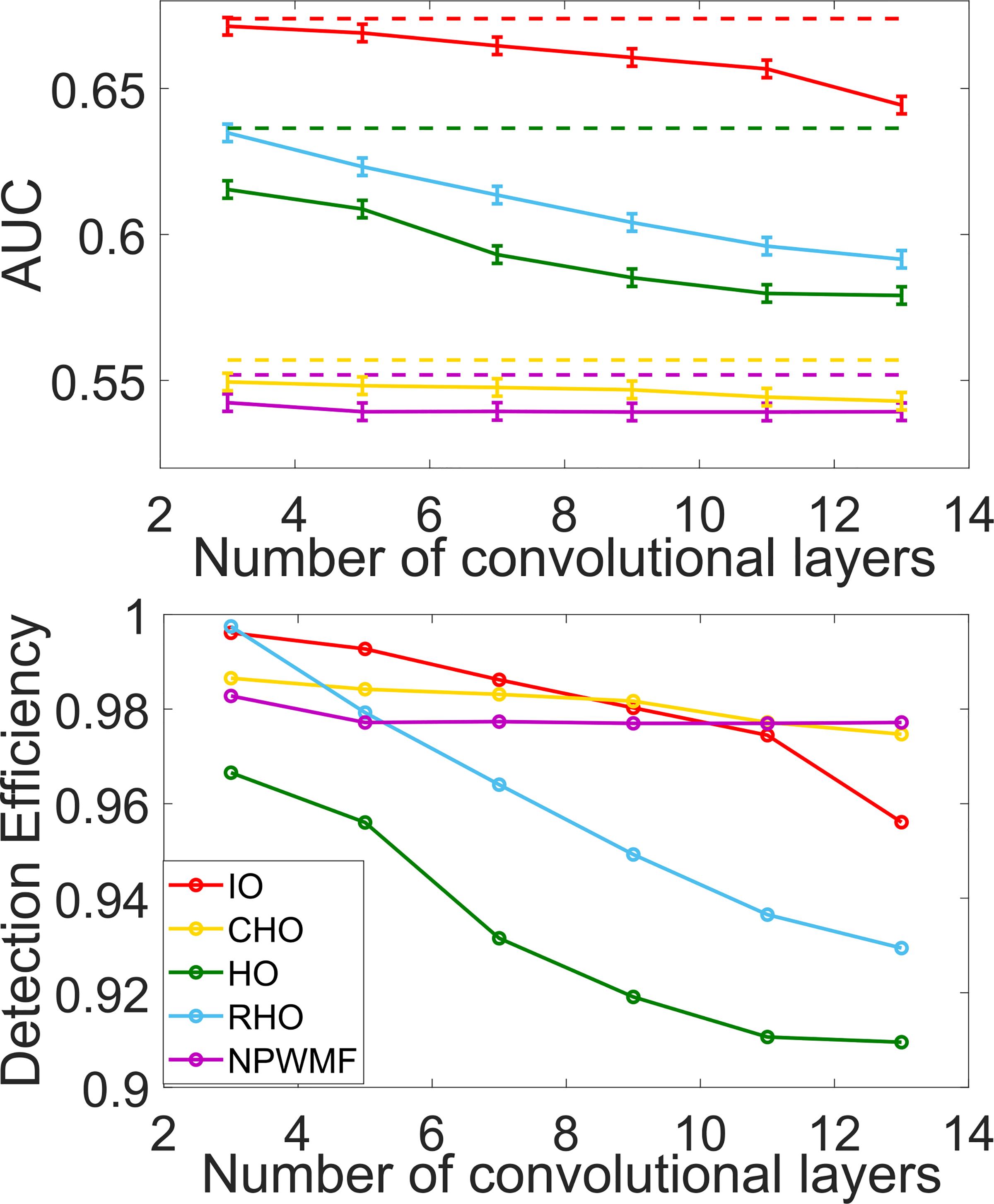
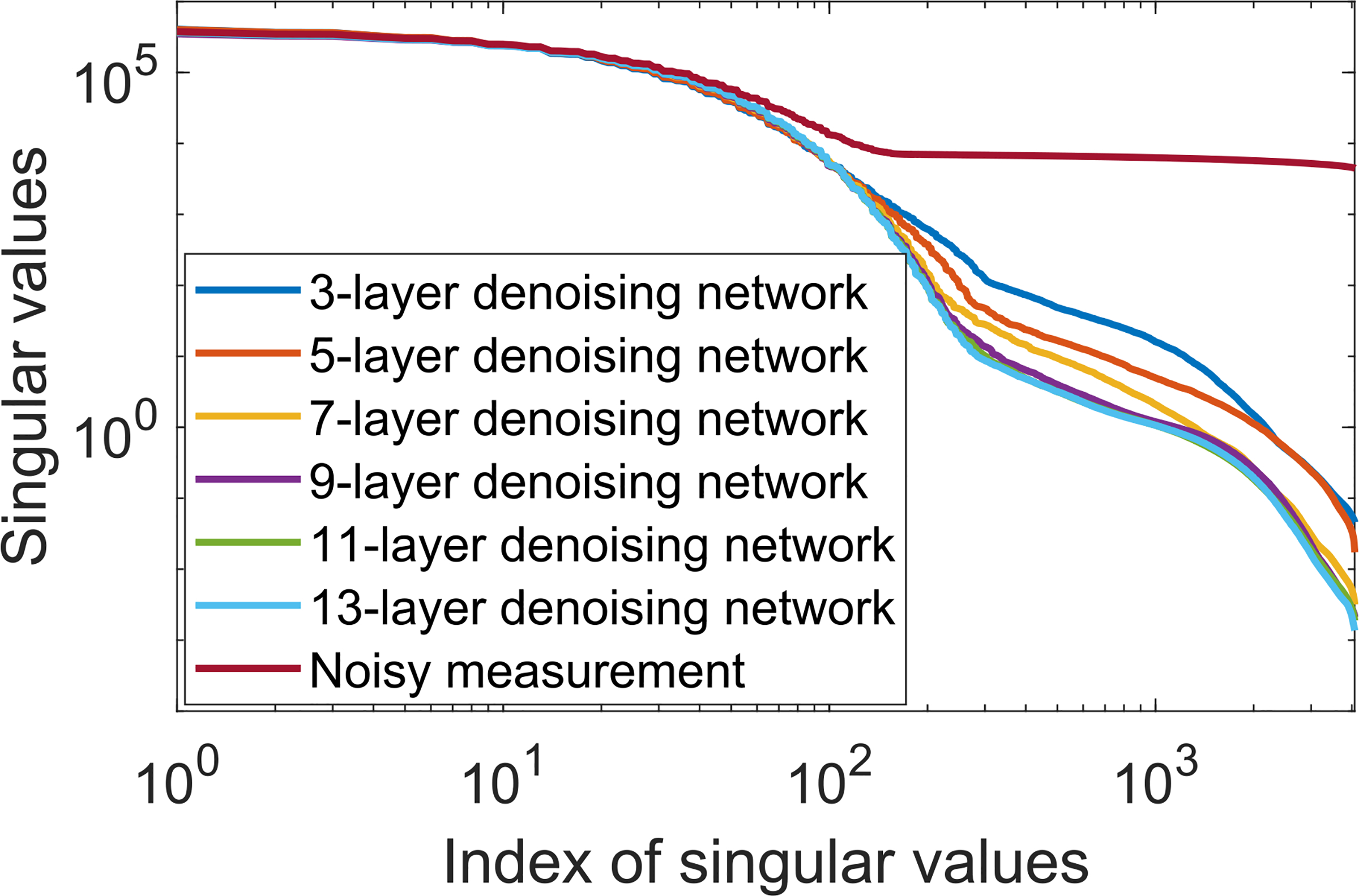
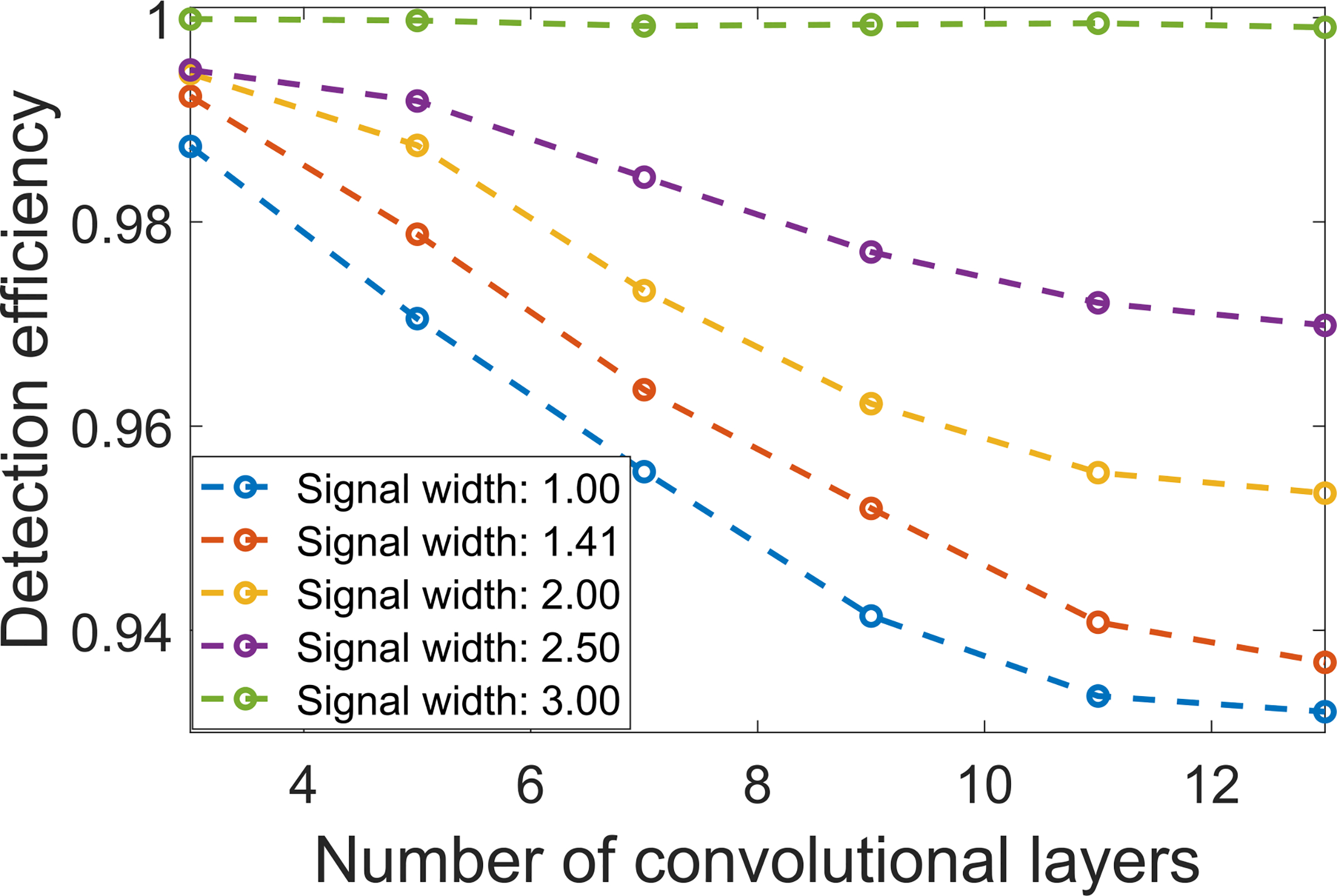
A variety of deep neural network (DNN)-based image denoising methods have been proposed for use with medical images. Traditional measures of image quality (IQ) have been employed to optimize and evaluate these methods. However, the objective evaluation of IQ for the DNN-based denoising methods remains largely lacking. In this work, we evaluate the performance of DNN-based denoising methods by use of task-based IQ measures. Specifically, binary signal detection tasks under signal-known-exactly (SKE) with background-known-statistically (BKS) conditions are considered. The performance of the ideal observer (IO) and common linear numerical observers are quantified and detection efficiencies are computed to assess the impact of the denoising operation on task performance. The numerical results indicate that, in the cases considered, the application of a denoising network can result in a loss of task-relevant information in the image. The impact of the depth of the denoising networks on task performance is also assessed. The presented results highlight the need for the objective evaluation of IQ for DNN-based denoising technologies and may suggest future avenues for improving their effectiveness in medical imaging applications.
已经提出了各种基于深度神经网络 (DNN) 的医学图像去噪方法。传统的图像质量 (IQ) 衡量标准被用于优化和评估这些方法。然而,基于 DNN 的去噪方法的 IQ 客观评估仍然很大程度上缺失。在这项工作中,我们通过使用基于任务的 IQ 衡量标准来评估基于 DNN 的去噪方法的性能。具体来说,考虑了在信号已知完全 (SKE) 且背景已知统计 (BKS) 条件下的二进制信号检测任务。量化了理想观察者 (IO) 和常见线性数值观察者的性能,并计算了检测效率,以评估去噪操作对任务性能的影响。数值结果表明,在所考虑的情况下,去噪网络的应用可能会导致图像中与任务相关的信息丢失。还评估了去噪网络的深度对任务性能的影响。所提出的结果强调了对基于 DNN 的去噪技术的 IQ 进行客观评估的必要性,并可能为提高其在医学成像应用中的有效性提供未来的途径。