Department of Mathematics & Applied Mathematics, Virginia Commonwealth University, Richmond, VA, USA.
Department of Biomedical Engineering, Virginia Commonwealth University, Richmond, VA, USA.
J Theor Biol. 2021 Oct 7;526:110738. doi: 10.1016/j.jtbi.2021.110738. Epub 2021 Apr 27.
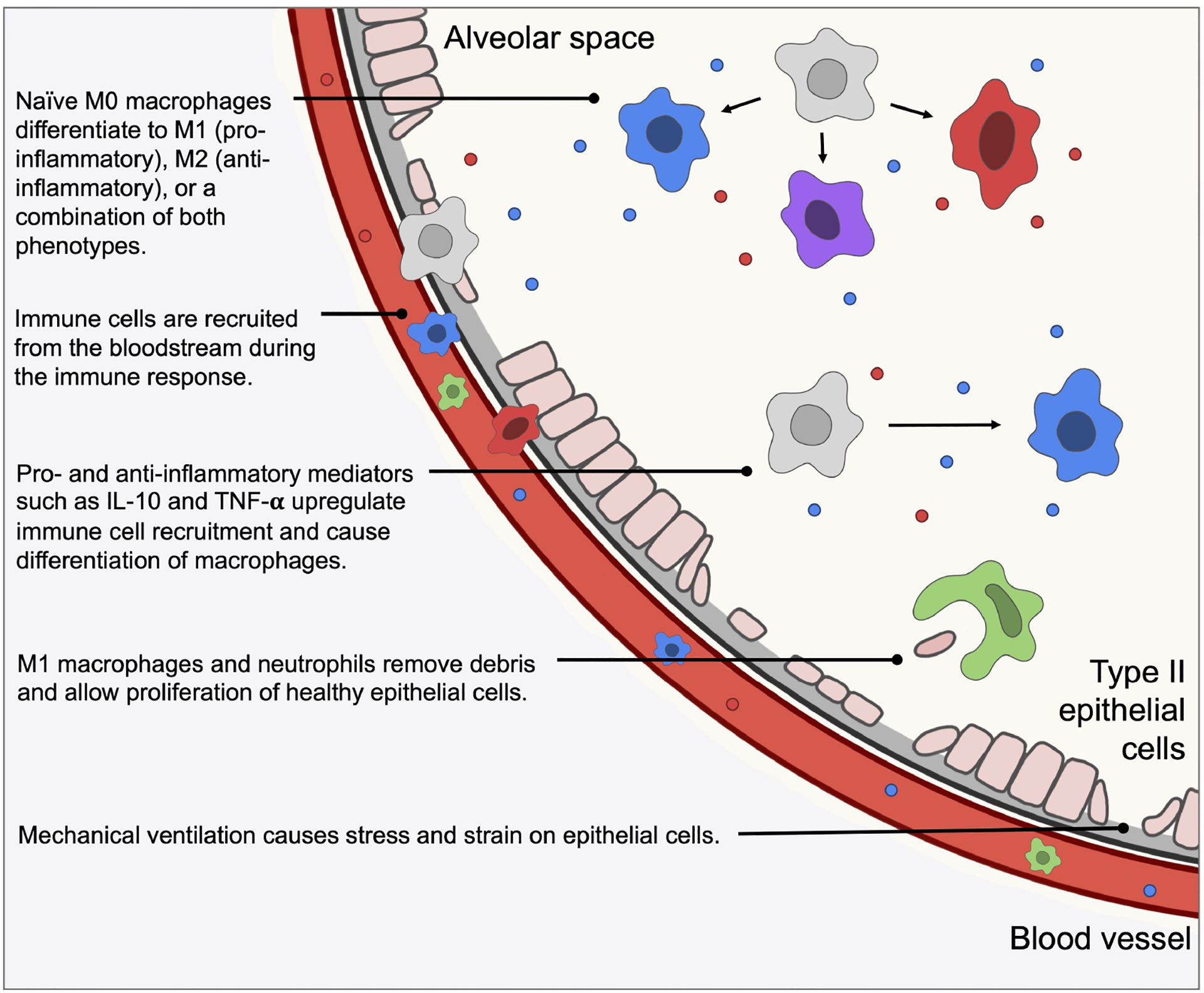
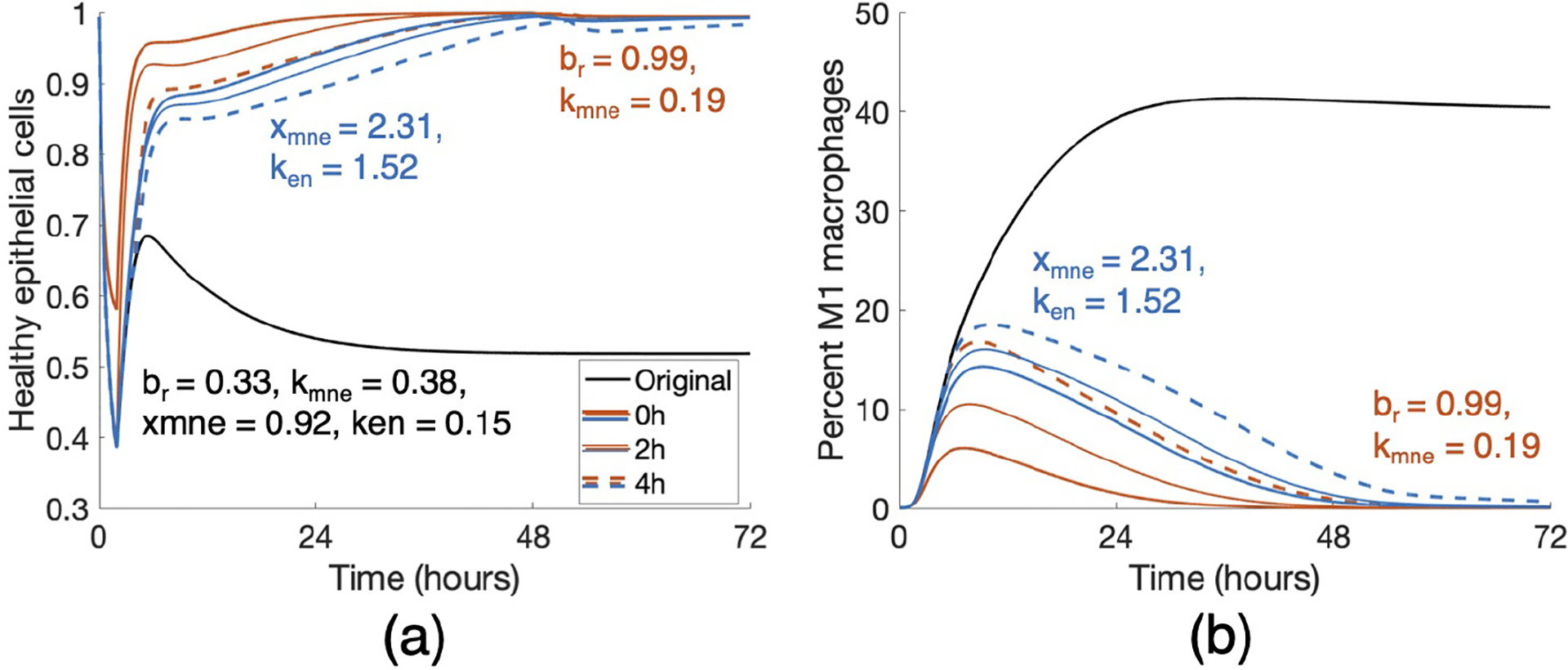
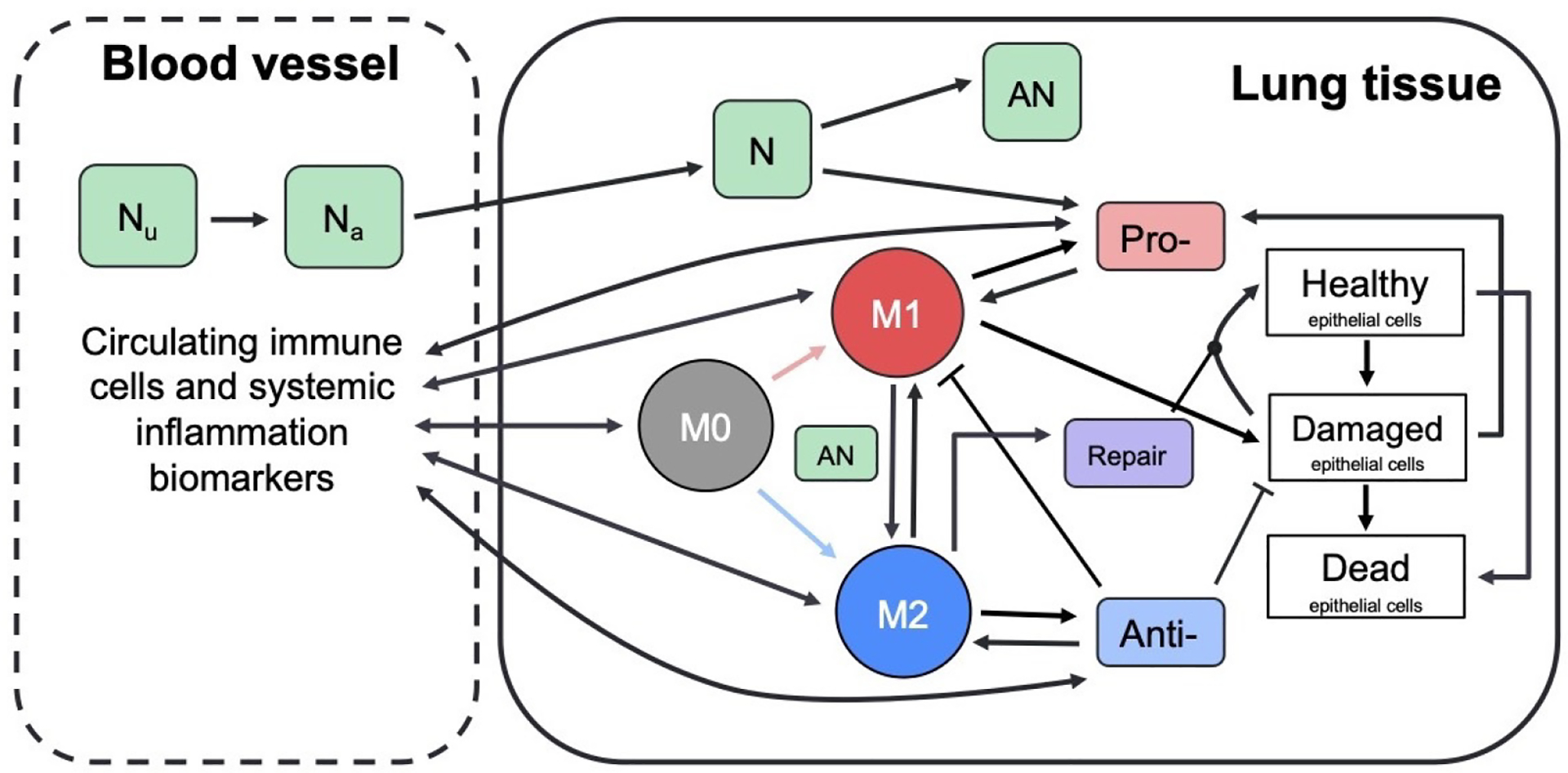
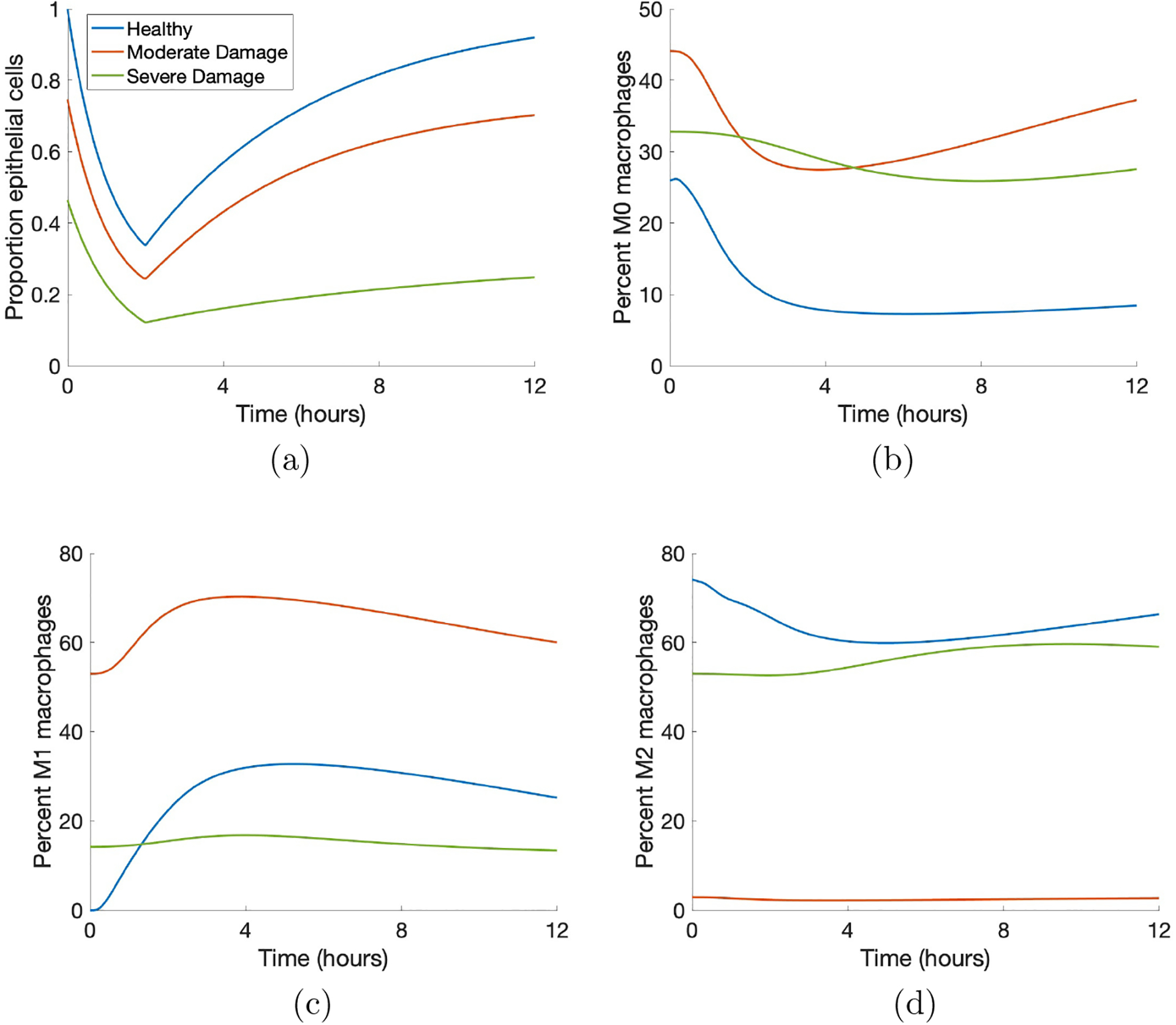
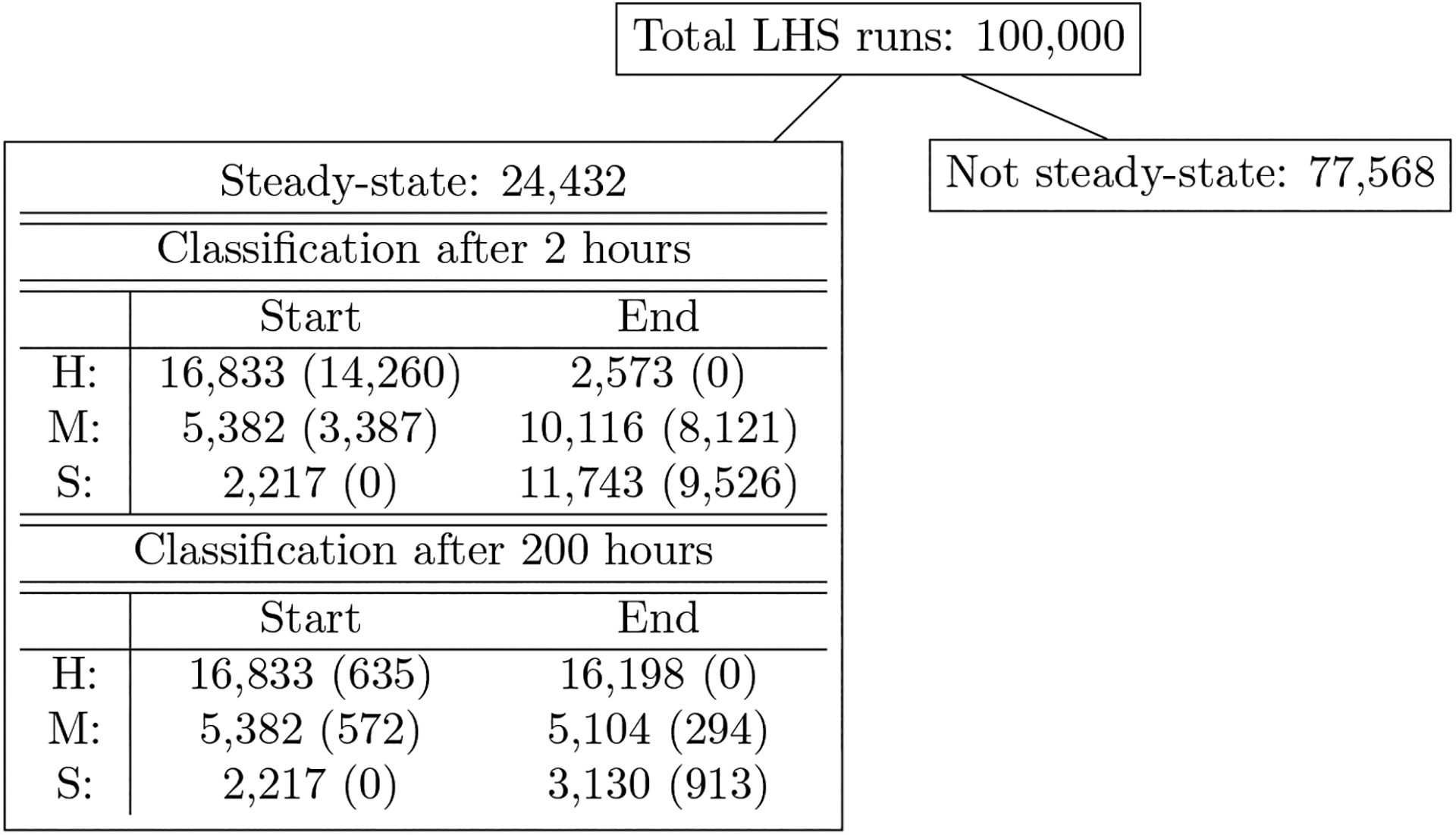
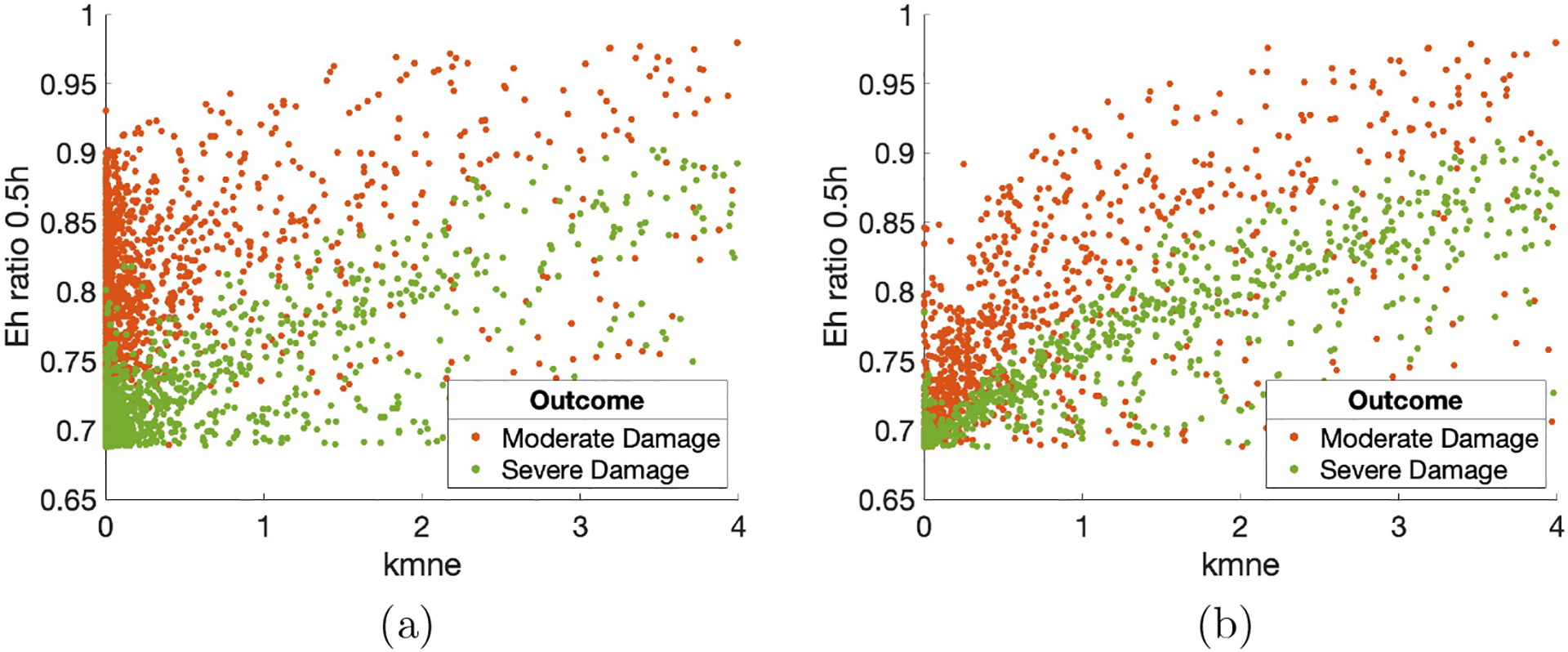
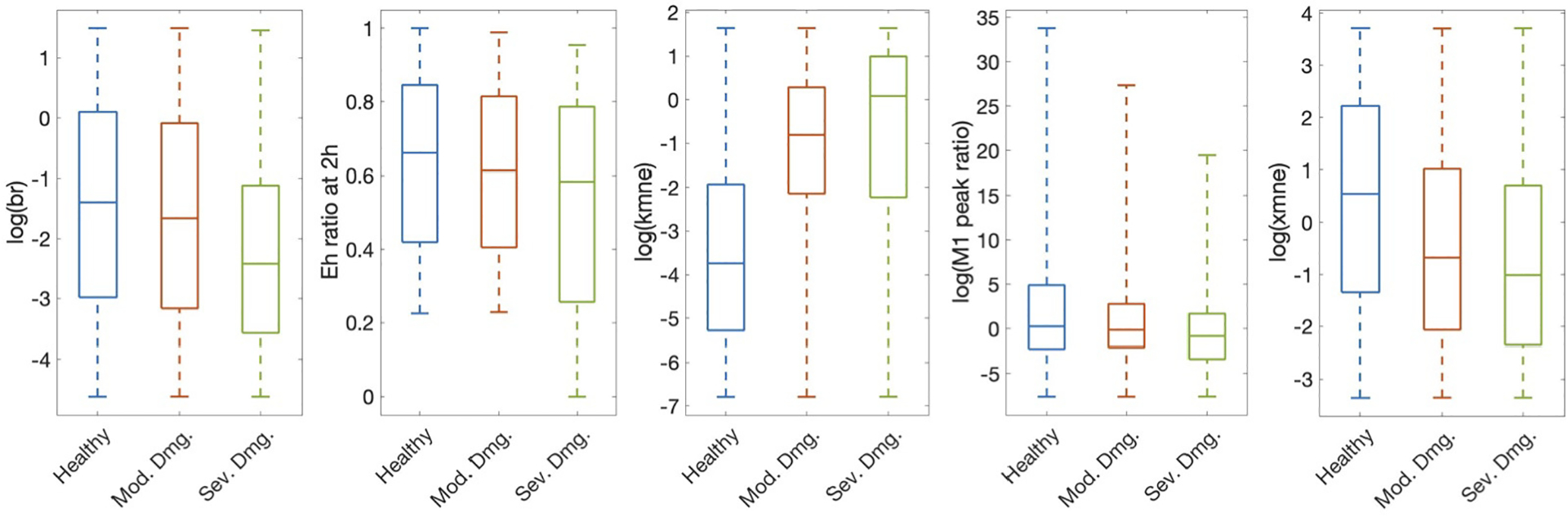
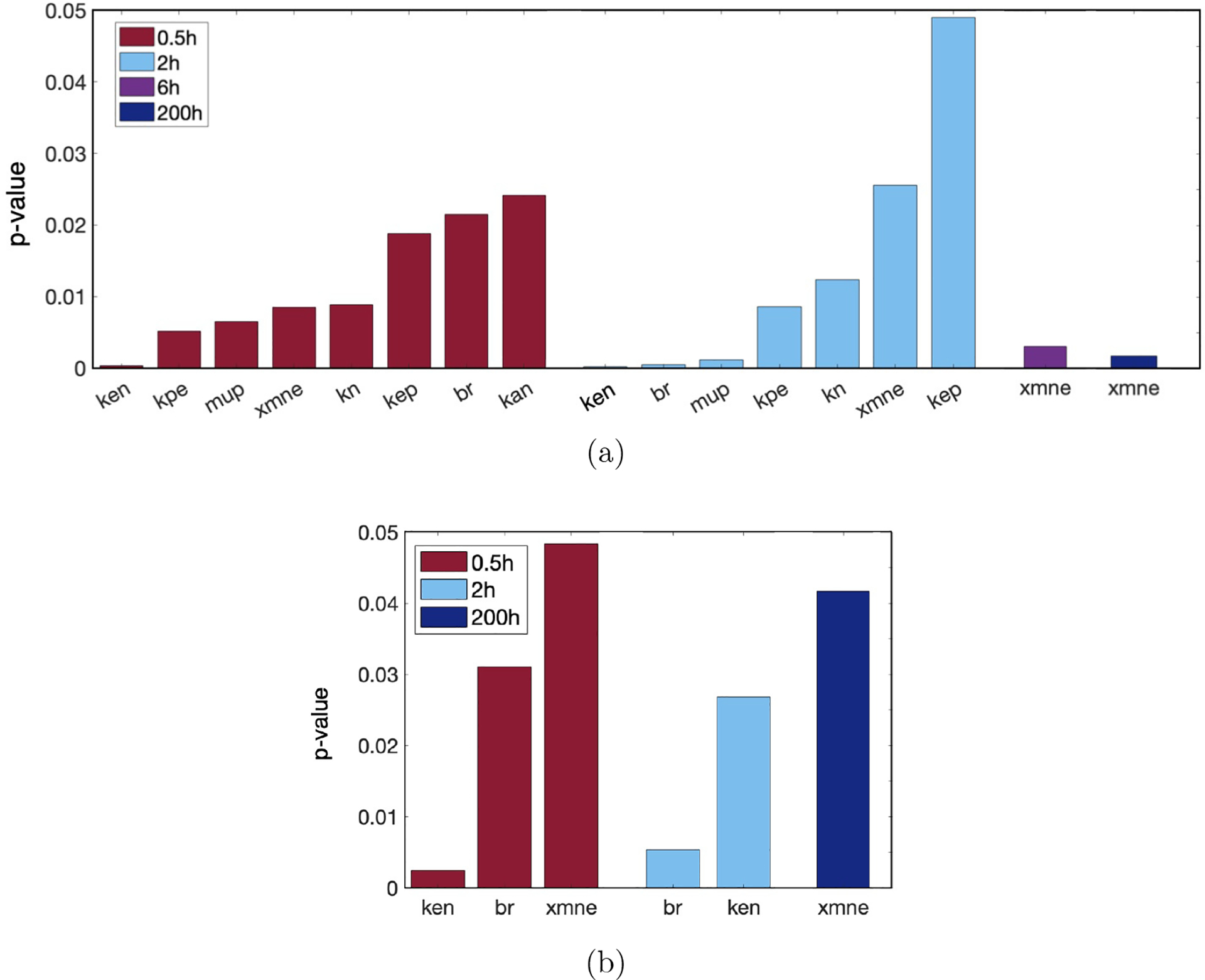
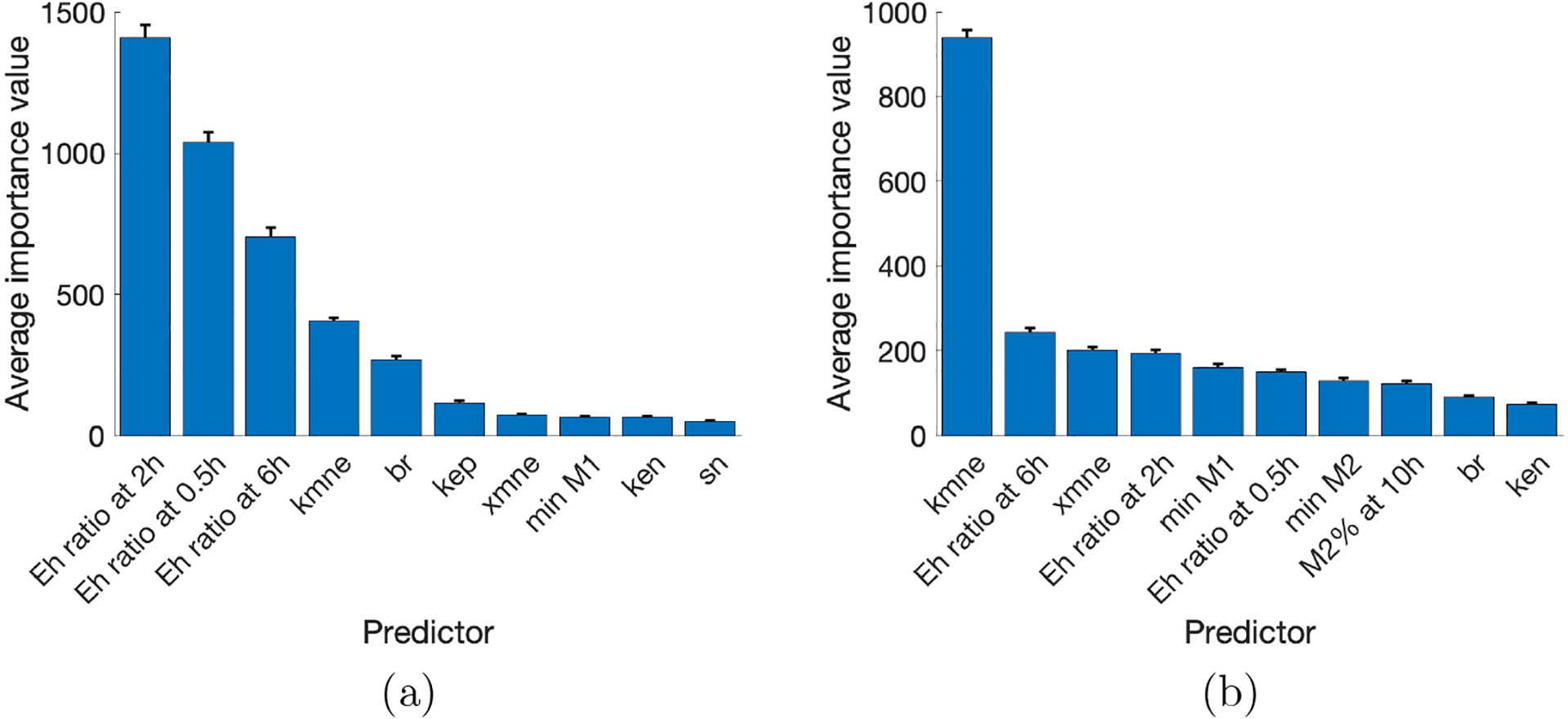
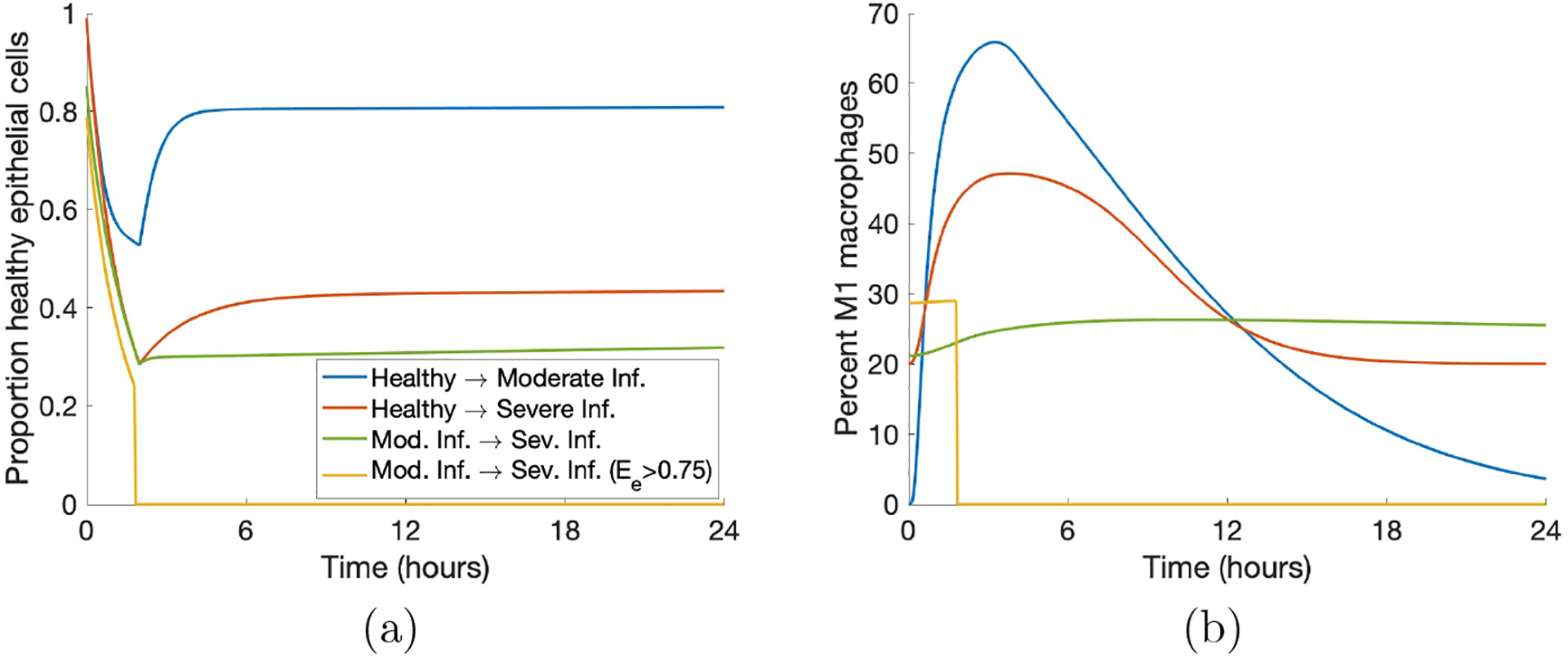
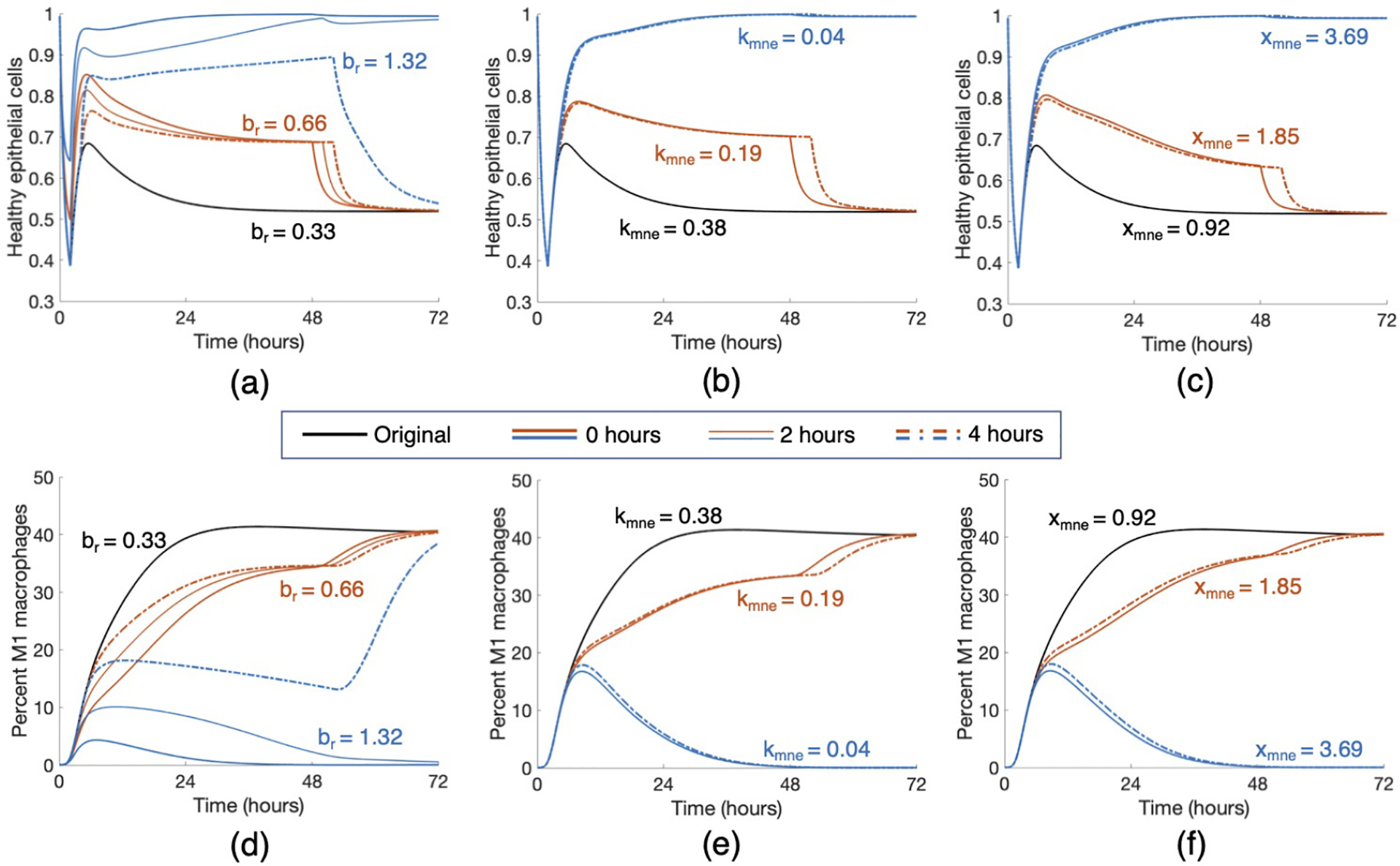
Despite the benefits of mechanical ventilators, prolonged or misuse of ventilators may lead to ventilation-associated/ventilation-induced lung injury (VILI). Lung insults, such as respiratory infections and lung injuries, can damage the pulmonary epithelium, with the most severe cases needing mechanical ventilation for effective breathing and survival. Damaged epithelial cells within the alveoli trigger a local immune response. A key immune cell is the macrophage, which can differentiate into a spectrum of phenotypes ranging from pro- to anti-inflammatory. To gain a greater understanding of the mechanisms of the immune response to VILI and post-ventilation outcomes, we developed a mathematical model of interactions between the immune system and site of damage while accounting for macrophage phenotype. Through Latin hypercube sampling we generated a collection of parameter sets that are associated with a numerical steady state. We then simulated ventilation-induced damage using these steady state values as the initial conditions in order to evaluate how baseline immune state and lung health affect outcomes. We used a variety of methods to analyze the resulting parameter sets, transients, and outcomes, including a random forest decision tree algorithm and parameter sensitivity with eFAST. Analysis shows that parameters and properties of transients related to epithelial repair and M1 activation are important factors. Using the results of this analysis, we hypothesized interventions and used these treatment strategies to modulate the response to ventilation for particular parameters sets.
尽管机械通气有诸多益处,但通气时间延长或通气不当可导致呼吸机相关/呼吸机诱导性肺损伤(VILI)。肺部损伤,如呼吸道感染和肺损伤,可破坏肺上皮细胞,最严重的情况下需要机械通气以实现有效呼吸和存活。肺泡内受损的上皮细胞会引发局部免疫反应。其中一种关键免疫细胞是巨噬细胞,它可分化为从促炎到抗炎的一系列表型。为了更深入地了解 VILI 免疫反应和通气后结果的机制,我们开发了一个考虑巨噬细胞表型的免疫系统和损伤部位之间相互作用的数学模型。通过拉丁超立方抽样,我们生成了一组与数值稳态相关的参数集。然后,我们使用这些稳态值作为初始条件来模拟通气诱导的损伤,以评估基线免疫状态和肺健康如何影响结果。我们使用了各种方法来分析所得的参数集、瞬态和结果,包括随机森林决策树算法和 eFAST 的参数敏感性。分析表明,与上皮修复和 M1 激活相关的瞬态参数和特性是重要因素。利用该分析的结果,我们提出了干预措施,并使用这些治疗策略来调节特定参数集对通气的反应。