Faculty of Pharmacy, University of Ljubljana, Ljubljana, Slovenia.
Toxicology and Pharmacology, University of Leuven, Campus Gasthuisberg, Leuven, Belgium.
Med Res Rev. 2021 Jul;41(4):2423-2473. doi: 10.1002/med.21800. Epub 2021 May 1.
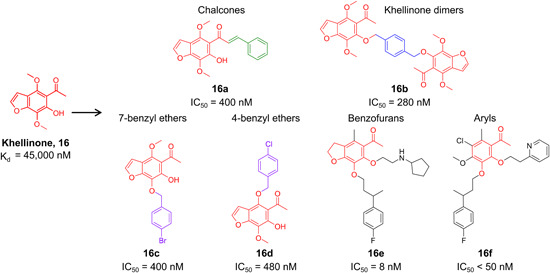
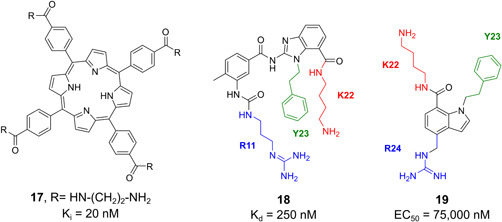
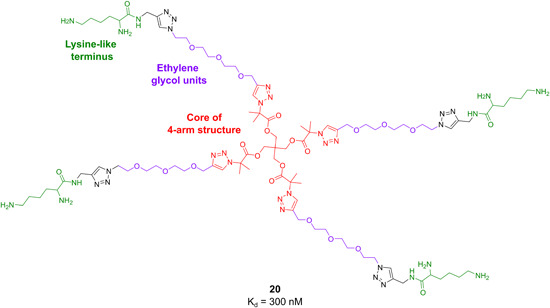
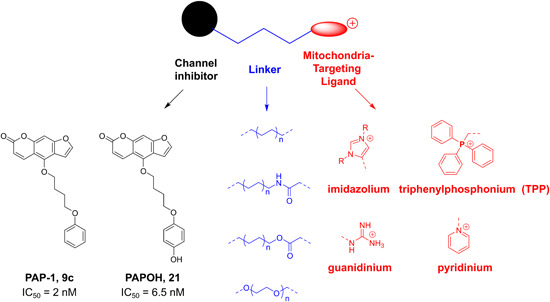
The K 1.3 voltage-gated potassium ion channel is involved in many physiological processes both at the plasma membrane and in the mitochondria, chiefly in the immune and nervous systems. Therapeutic targeting K 1.3 with specific peptides and small molecule inhibitors shows great potential for treating cancers and autoimmune diseases, such as multiple sclerosis, type I diabetes mellitus, psoriasis, contact dermatitis, rheumatoid arthritis, and myasthenia gravis. However, no K 1.3-targeted compounds have been approved for therapeutic use to date. This review focuses on the presentation of approaches for discovering new K 1.3 peptide and small-molecule inhibitors, and strategies to improve the selectivity of active compounds toward K 1.3. Selectivity of dalatazide (ShK-186), a synthetic derivate of the sea anemone toxin ShK, was achieved by chemical modification and has successfully reached clinical trials as a potential therapeutic for treating autoimmune diseases. Other peptides and small-molecule inhibitors are critically evaluated for their lead-like characteristics and potential for progression into clinical development. Some small-molecule inhibitors with well-defined structure-activity relationships have been optimized for selective delivery to mitochondria, and these offer therapeutic potential for the treatment of cancers. This overview of K 1.3 inhibitors and methodologies is designed to provide a good starting point for drug discovery to identify novel effective K 1.3 modulators against this target in the future.
K1.3 电压门控钾离子通道参与许多生理过程,包括质膜和线粒体中的过程,主要涉及免疫系统和神经系统。使用特异性肽和小分子抑制剂对 K1.3 进行治疗性靶向治疗,对于治疗癌症和自身免疫性疾病具有巨大的潜力,如多发性硬化症、1 型糖尿病、银屑病、接触性皮炎、类风湿关节炎和重症肌无力。然而,迄今为止,尚无针对 K1.3 的靶向化合物被批准用于治疗用途。本综述重点介绍了发现新的 K1.3 肽和小分子抑制剂的方法,以及提高活性化合物对 K1.3 选择性的策略。通过化学修饰,成功地使 dalatazide(ShK-186 的合成衍生物)达到了对海葵毒素 ShK 的选择性,并已成功进入临床试验,作为治疗自身免疫性疾病的潜在治疗药物。其他肽和小分子抑制剂也因其类似先导化合物的特征和进入临床开发的潜力而受到严格评估。一些具有明确结构-活性关系的小分子抑制剂已被优化用于选择性递送至线粒体,这为治疗癌症提供了治疗潜力。本综述 K1.3 抑制剂和方法学旨在为药物发现提供一个良好的起点,以在未来针对该靶点识别新型有效的 K1.3 调节剂。