Abbaszadeh Afshar Mohammad Javad, Mohebali Mehdi, Mohtasebi Sina, Teimouri Aref, Sedaghat Bahareh, Saberi Reza
Department of Medical Parasitology and Mycology, School of Medicine, Jiroft University of Medical Sciences, Jiroft, Iran.
Department of Medical Parasitology and Mycology, School of Public Health, Tehran University of Medical Sciences, Tehran, Iran.
Gut Pathog. 2021 May 1;13(1):28. doi: 10.1186/s13099-021-00424-6.
Poor self-care skills and personal hygiene resulted from limitations in learning and understanding, put intellectually disabled individuals at greater risk for intestinal parasitic infections (IPIs). Despite several regional reports in Iran, the overall burden on IPIs among intellectually disabled individuals is poorly understood. Hence, the present study aimed to estimate the pooled prevalence of IPIs among intellectually disabled individuals in Iran.
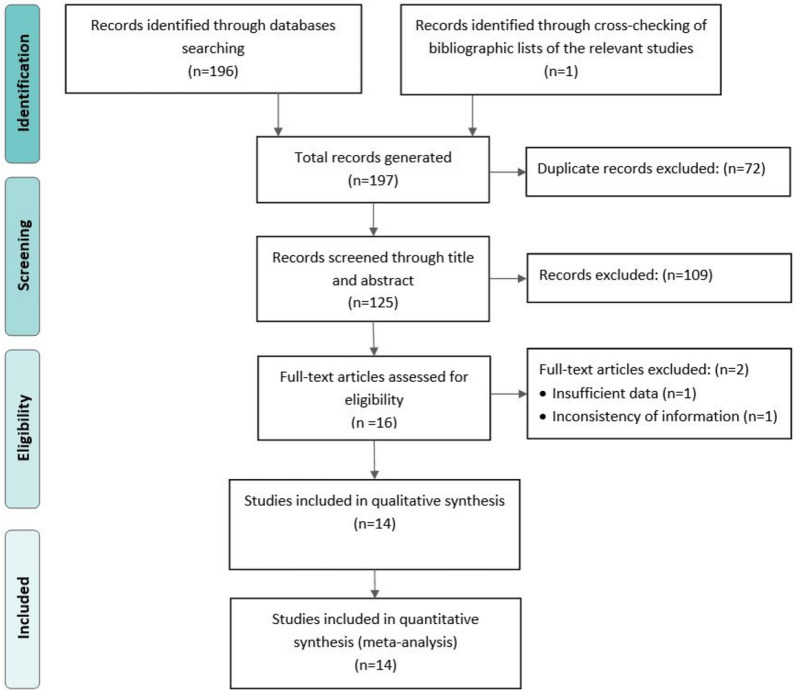
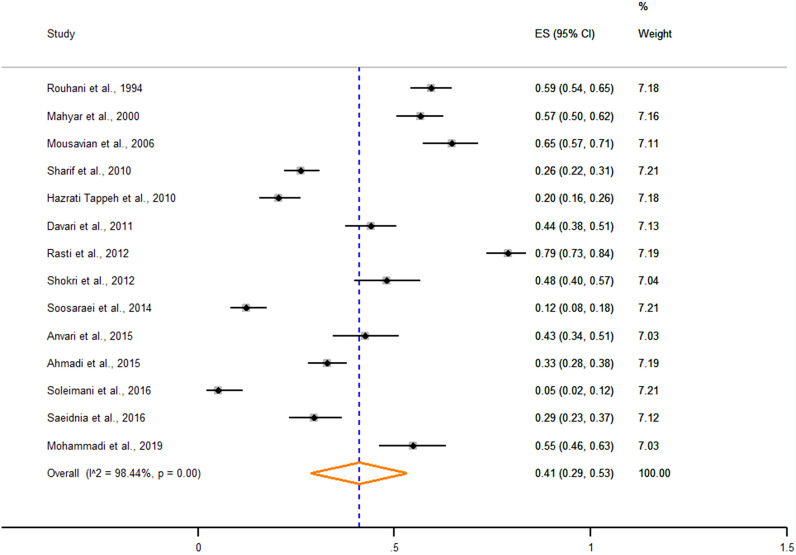
Using the PRISMA guidelines, we conducted a systematic review and meta-analysis of data retrieved from seven electronic databases (PubMed, Web of Science, Scopus, Embase, and ProQuest for English articles, as well as SID and Magiran for Persian) from their inception up to December 2020. Pooled prevalence was estimated using a random-effects model with a 95% confidence interval (CI) and depicted as a forest plot, while heterogeneity was evaluated using Cochran's Q-test.
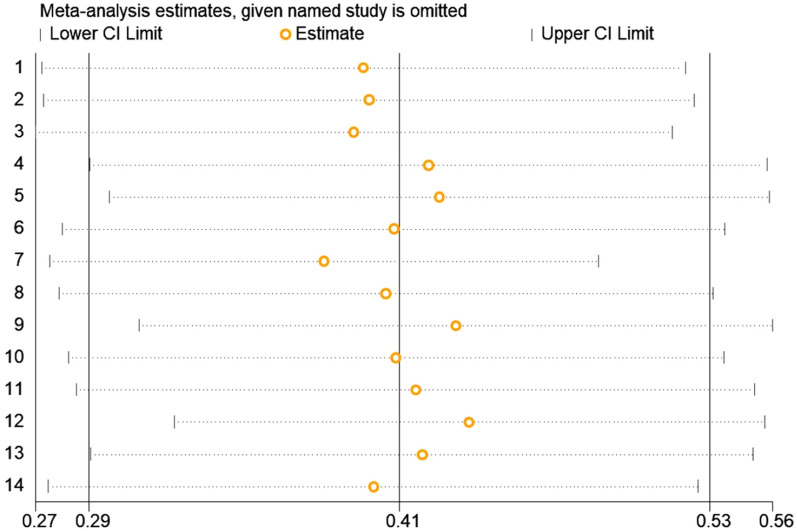
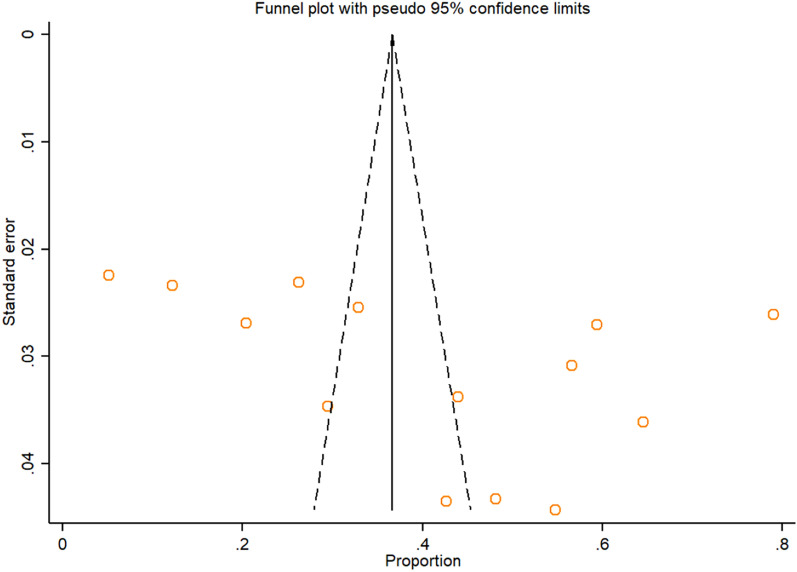
Exactly 1263 of the 3004 intellectually disabled individuals examined by 14 studies across 10 provinces of Iran were positive for IPIs. Overall pooled prevalence estimate was 41% (95% CI 29-53%) with a range of 21% (95% CI 10-32%) to 68% (95% CI 55-80%) across sub-groups. Entamoeba coli (16.2%; 95% CI 10.3-22%), Blastocystis spp. (12.2%; 95% CI 7.2-17.2%), and Giardia duodenalis (11.9%; 95% CI 7.4-16.3%) were the most prevalent protozoan species. In terms of helminthic agents, the most prevalent species were Enterobius vermicularis (11.3%; 95% CI 6.3-16.3%) followed by Strongyloides stercoralis (10.9%; 95% CI 5.0-16.9%) and Hymenolepis nana (2.8%; 95% CI 0.4-5.2%) CONCLUSION: IPIs are highly prevalent among intellectually disabled individuals in Iran. Improving the health status and implementing infectious disease prevention strategies in rehabilitation centers, health promotion interventions to improve personal hygiene of intellectually disabled individuals, as well as utilize sensitive diagnostic methods besides routine stool examination techniques, and treatment of infected individuals will help in the control of these infections among intellectually disabled individuals.
学习和理解能力受限导致自理能力差和个人卫生习惯不良,使智力残疾者更容易感染肠道寄生虫病(IPIs)。尽管伊朗有几份地区报告,但对智力残疾者中IPIs的总体负担了解甚少。因此,本研究旨在估计伊朗智力残疾者中IPIs的合并患病率。
我们按照PRISMA指南,对从7个电子数据库(PubMed、Web of Science、Scopus、Embase和ProQuest用于检索英文文章,SID和Magiran用于检索波斯文文章)自创建至2020年12月检索到的数据进行了系统评价和荟萃分析。使用随机效应模型估计合并患病率,并给出95%置信区间(CI),并以森林图表示,同时使用Cochran Q检验评估异质性。
伊朗10个省的14项研究共检查了3004名智力残疾者,其中1263人IPIs呈阳性。总体合并患病率估计为41%(95%CI 29 - 53%),各亚组范围为21%(95%CI 10 - 32%)至68%(95%CI 55 - 80%)。大肠埃希菌(16.2%;95%CI 10.3 - 22%)、芽囊原虫属(12.2%;95%CI 7.2 - 17.2%)和十二指肠贾第虫(11.9%;95%CI 7.4 - 16.3%)是最常见的原生动物物种。就蠕虫病原体而言,最常见的物种是蠕形住肠线虫(11.3%;95%CI 6.3 - 16.3%),其次是粪类圆线虫(10.9%;95%CI 5.0 - 16.9%)和微小膜壳绦虫(2.8%;95%CI 0.4 - 5.2%)。结论:IPIs在伊朗智力残疾者中高度流行。改善康复中心的健康状况并实施传染病预防策略,开展健康促进干预以改善智力残疾者的个人卫生,除常规粪便检查技术外采用敏感的诊断方法,并对感染者进行治疗,将有助于控制智力残疾者中的这些感染。