Department of Neurology, Oregon Health & Science University, Portland, OR, USA.
Biostatistics & Design Program Core, Oregon Health & Science University, Portland, OR, USA.
J Alzheimers Dis. 2021;81(4):1453-1468. doi: 10.3233/JAD-210271.
The medicinal herb Centella asiatica has been long been used for its neuroprotective and cognitive enhancing effects. We have previously shown that two weeks of treatment with a water extract of Centella asiatica (CAW) improves cognition and activates the endogenous antioxidant response pathway without altering amyloid-β (Aβ) plaque burden.
Here, we assess the effect of long-term treatment of CAW in the 5xFAD mouse model of Aβ accumulation.
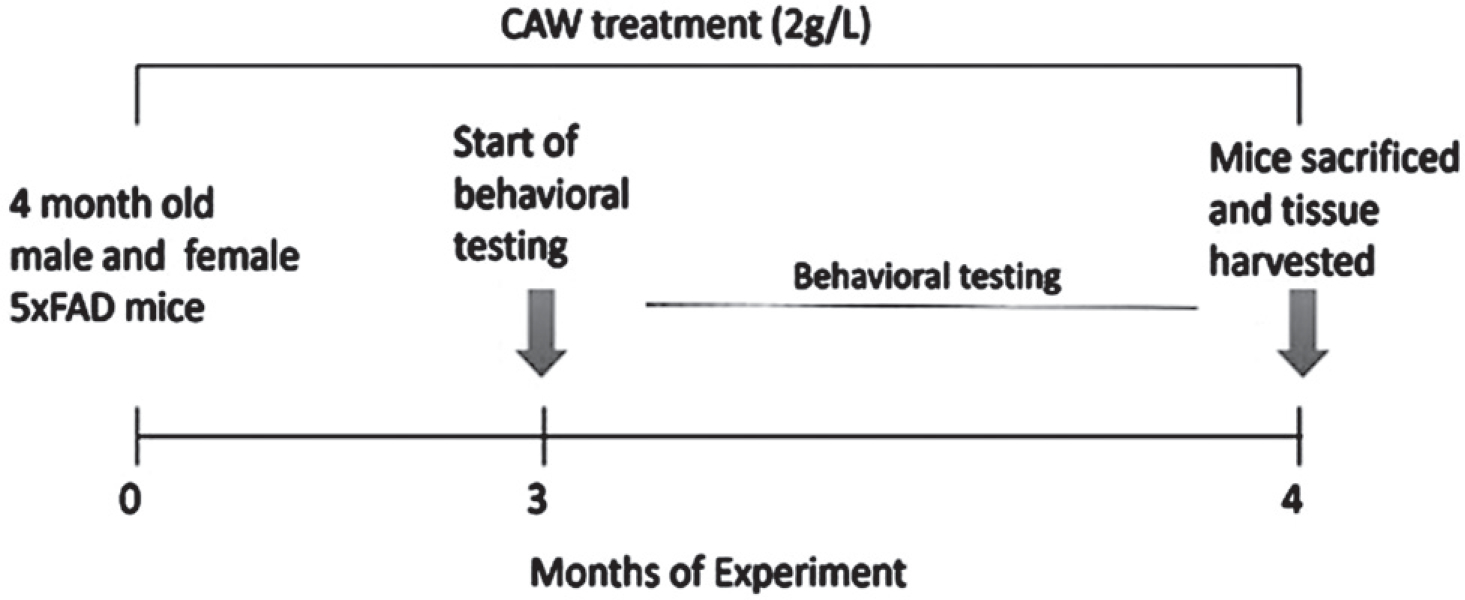
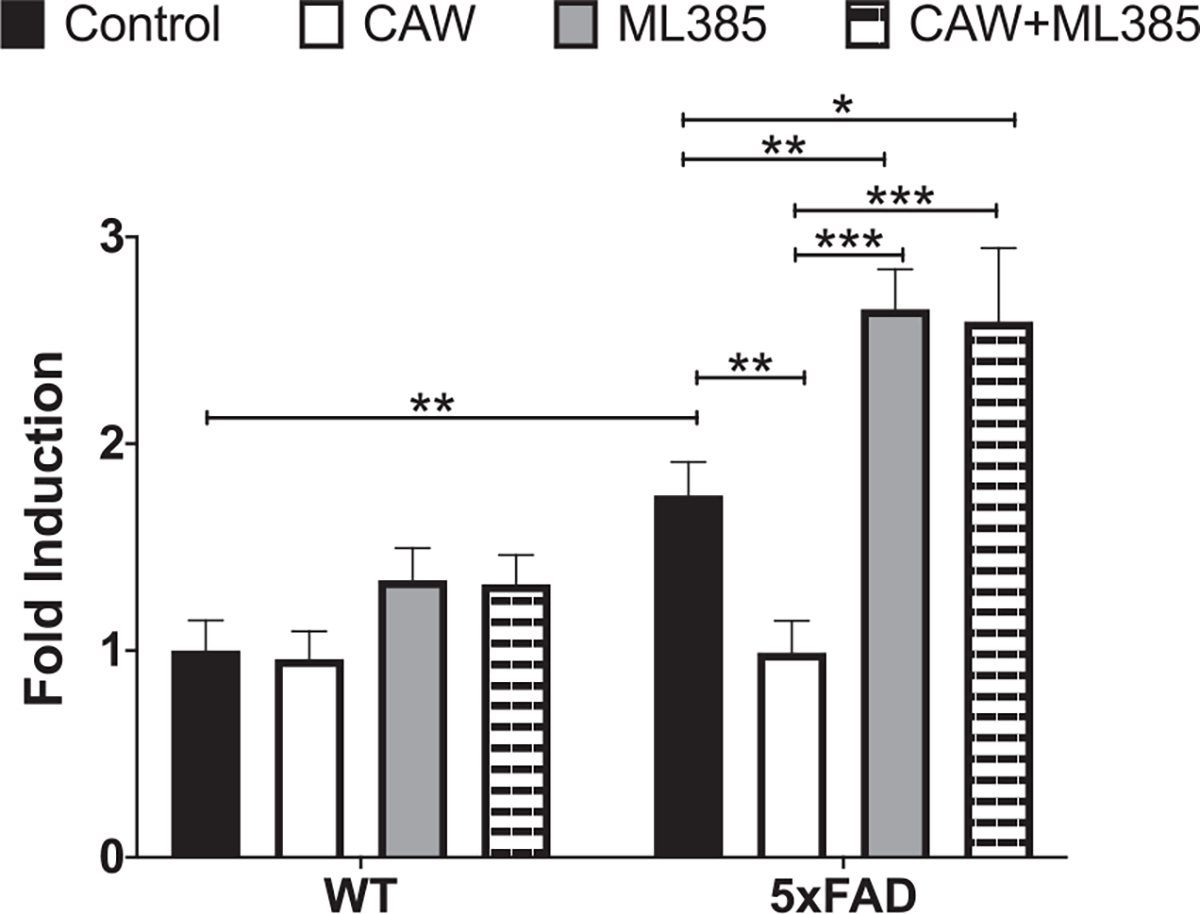
Four-month-old 5xFAD mice were treated with CAW in their drinking water (2 g/L) for three months at which point they underwent cognitive testing as well as analysis of Aβ plaque levels and antioxidant and synaptic gene expression. In order to confirm the involvement of the antioxidant regulatory transcription factor NRF2 on the effects of CAW on synaptic plasticity, neurons isolated from 5xFAD mice were also treated with CAW and the targeted inhibitor ML385.
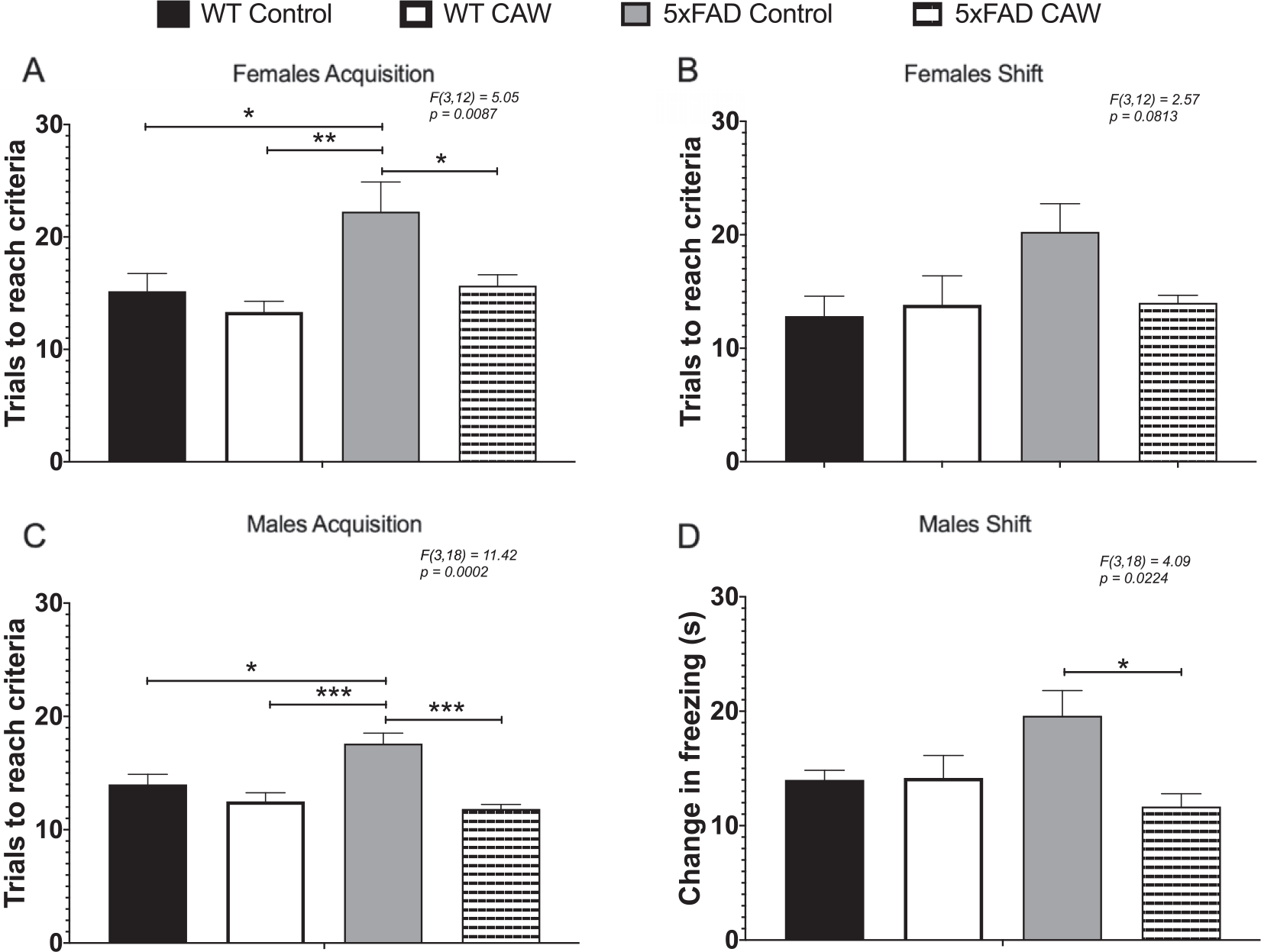
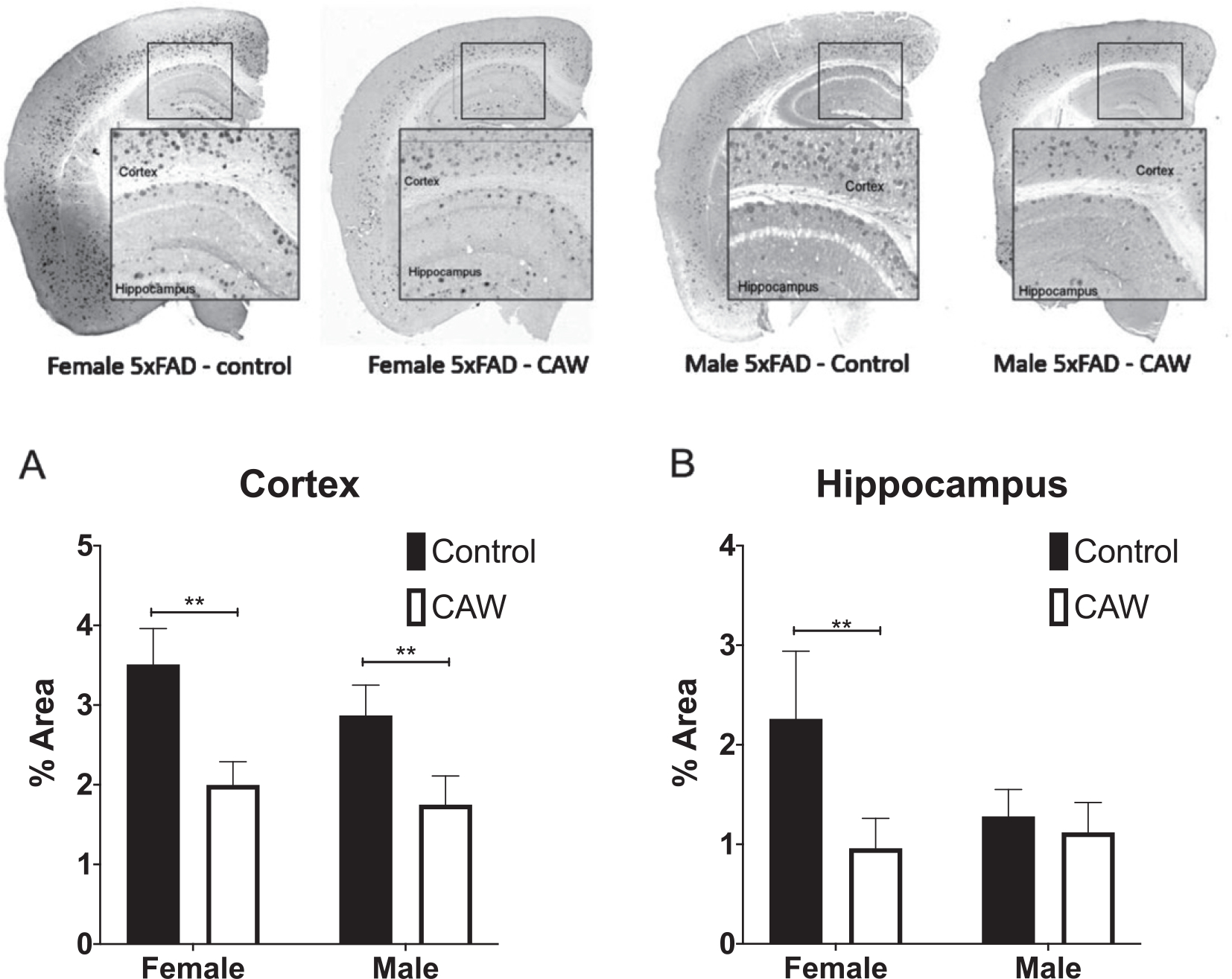
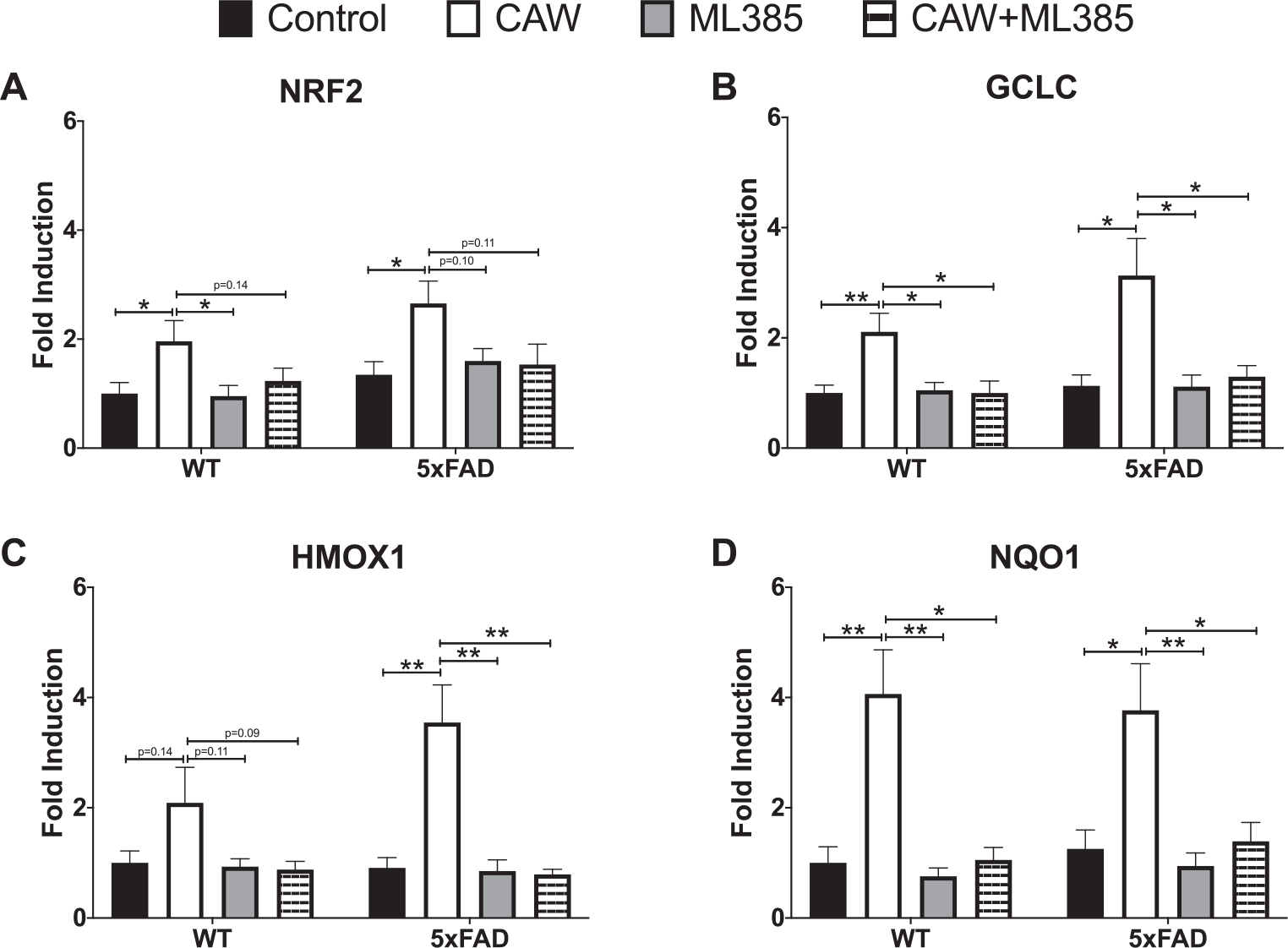
Three months of treatment with CAW improved spatial and contextual memory as well as executive function in 5xFAD mice. This improvement was accompanied by increased antioxidant gene expression and a decrease in Aβ plaque burden relative to untreated 5xFAD animals. In isolated neurons, treatment with ML385 blocked the effects of CAW on dendritic arborization and synaptic gene expression.
These results suggest that prolonged CAW exposure could be beneficial in Alzheimer's disease and that these effects likely involve NRF2 activation. Moreover, these findings suggest that targeting NRF2 itself may be a relevant therapeutic strategy for improving synaptic plasticity and cognitive function in Alzheimer's disease.
药用植物积雪草(Centella asiatica)长期以来一直因其神经保护和认知增强作用而被使用。我们之前已经表明,用积雪草的水提取物(CAW)治疗两周可以改善认知功能并激活内源性抗氧化反应途径,而不会改变淀粉样蛋白-β(Aβ)斑块负担。
在这里,我们评估 CAW 在 Aβ 积累的 5xFAD 小鼠模型中的长期治疗效果。
4 个月大的 5xFAD 小鼠用 CAW 饮用水(2g/L)处理三个月,此时它们进行认知测试以及 Aβ 斑块水平和抗氧化和突触基因表达分析。为了确认抗氧化调节转录因子 NRF2 对 CAW 对突触可塑性的影响的参与,还从 5xFAD 小鼠中分离出神经元,并对其进行 CAW 和靶向抑制剂 ML385 的处理。
三个月的 CAW 治疗改善了 5xFAD 小鼠的空间和情景记忆以及执行功能。这种改善伴随着抗氧化基因表达的增加和 Aβ 斑块负担的减少,与未治疗的 5xFAD 动物相比。在分离的神经元中,用 ML385 处理阻断了 CAW 对树突分支和突触基因表达的影响。
这些结果表明,长期 CAW 暴露可能对阿尔茨海默病有益,并且这些作用可能涉及 NRF2 激活。此外,这些发现表明,靶向 NRF2 本身可能是改善阿尔茨海默病中突触可塑性和认知功能的一种相关治疗策略。