Gray Nora E, Zweig Jonathan A, Murchison Charles, Caruso Maya, Matthews Donald G, Kawamoto Colleen, Harris Christopher J, Quinn Joseph F, Soumyanath Amala
Department of Neurology, Oregon Health and Science University, Portland, OR 97239, USA.
Department of Cell, Developmental and Cancer Biology, Oregon Health and Science University, Portland, OR 97239, USA.
Neurosci Lett. 2017 Apr 12;646:24-29. doi: 10.1016/j.neulet.2017.02.072. Epub 2017 Mar 6.
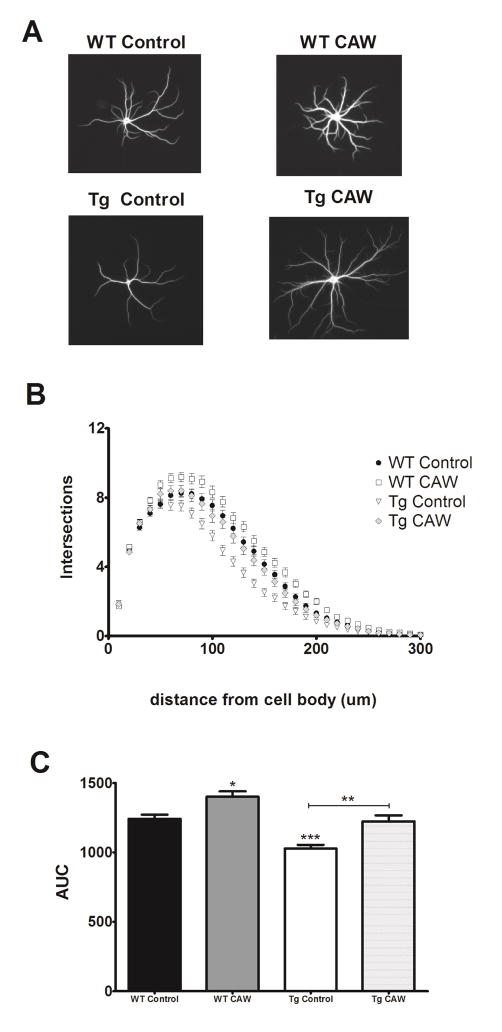
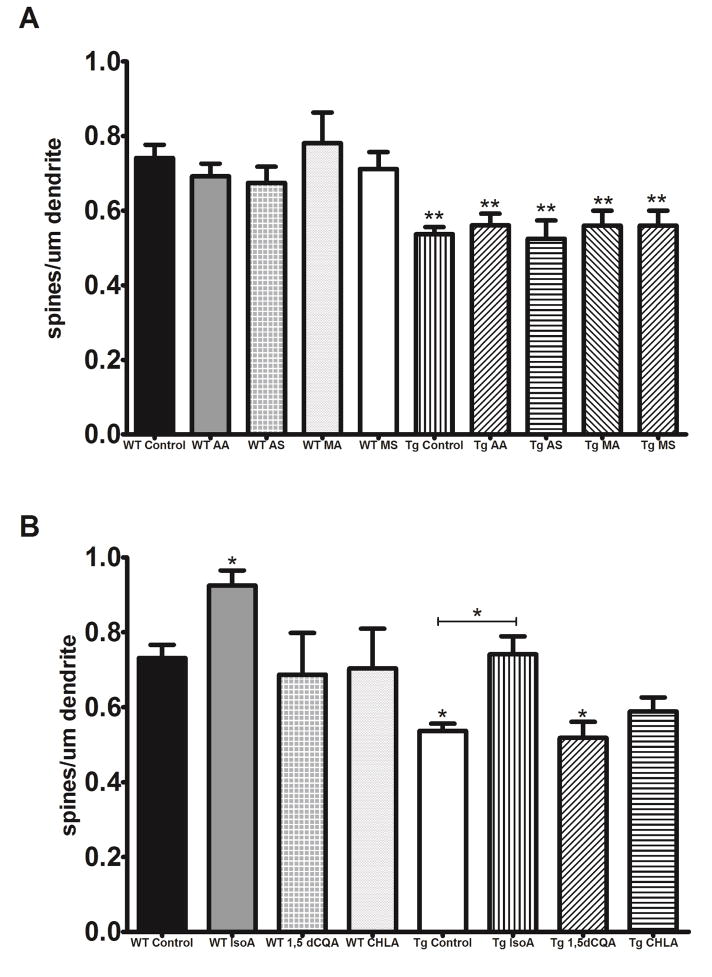
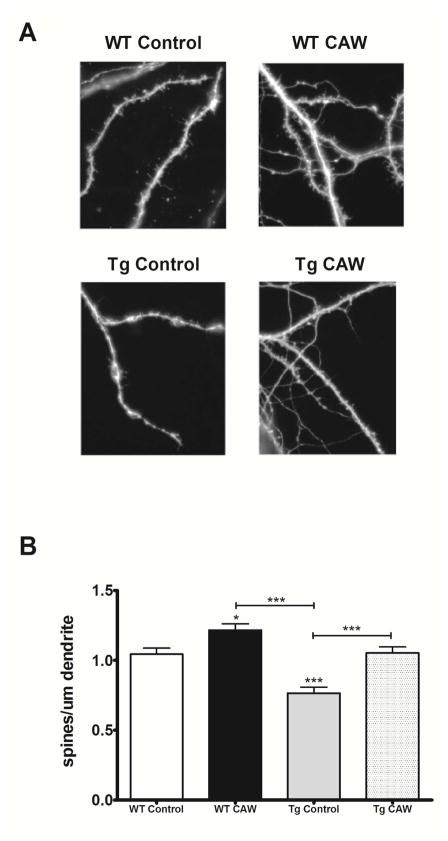
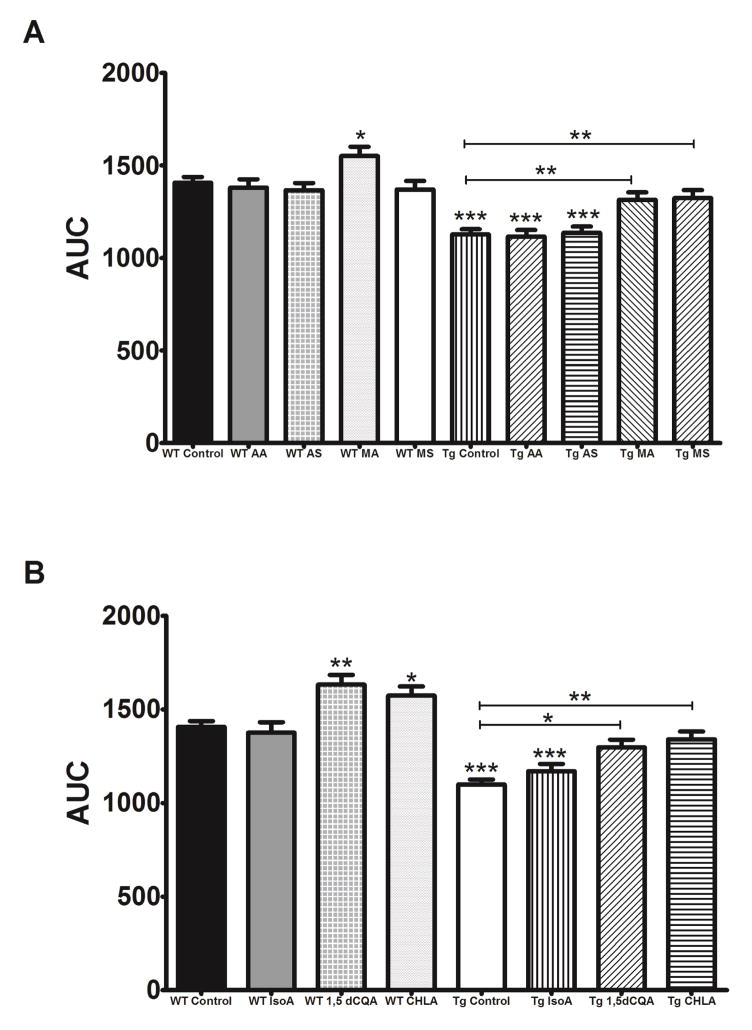
The medicinal plant Centella asiatica has long been used to improve memory and cognitive function. We have previously shown that a water extract from the plant (CAW) is neuroprotective against the deleterious cognitive effects of amyloid-β (Aβ) exposure in a mouse model of Alzheimer's disease, and improves learning and memory in healthy aged mice as well. This study explores the physiological underpinnings of those effects by examining how CAW, as well as chemical compounds found within the extract, modulate synaptic health in Aβ-exposed neurons. Hippocampal neurons from amyloid precursor protein over-expressing Tg2576 mice and their wild-type (WT) littermates were used to investigate the effect of CAW and various compounds found within the extract on Aβ-induced dendritic simplification and synaptic loss. CAW enhanced arborization and spine densities in WT neurons and prevented the diminished outgrowth of dendrites and loss of spines caused by Aβ exposure in Tg2576 neurons. Triterpene compounds present in CAW were found to similarly improve arborization although they did not affect spine density. In contrast caffeoylquinic acid (CQA) compounds from CAW were able to modulate both of these endpoints, although there was specificity as to which CQAs mediated which effect. These data suggest that CAW, and several of the compounds found therein, can improve dendritic arborization and synaptic differentiation in the context of Aβ exposure which may underlie the cognitive improvement observed in response to the extract in vivo. Additionally, since CAW, and its constituent compounds, also improved these endpoints in WT neurons, these results may point to a broader therapeutic utility of the extract beyond Alzheimer's disease.
药用植物积雪草长期以来一直被用于改善记忆力和认知功能。我们之前已经表明,该植物的水提取物(CAW)在阿尔茨海默病小鼠模型中对淀粉样β蛋白(Aβ)暴露所产生的有害认知影响具有神经保护作用,并且还能改善健康老龄小鼠的学习和记忆能力。本研究通过考察CAW以及提取物中发现的化合物如何调节Aβ暴露神经元中的突触健康状况,来探究这些作用的生理基础。利用过表达淀粉样前体蛋白的Tg2576小鼠及其野生型(WT)同窝小鼠的海马神经元,研究CAW及提取物中各种化合物对Aβ诱导的树突简化和突触丧失的影响。CAW增强了WT神经元的树突分支和棘密度,并防止了Tg2576神经元中由Aβ暴露导致的树突生长减少和棘丧失。发现CAW中存在的三萜类化合物同样能改善树突分支,尽管它们不影响棘密度。相比之下,CAW中的咖啡酰奎宁酸(CQA)化合物能够调节这两个指标,不过不同的CQA介导何种效应具有特异性。这些数据表明,CAW及其所含的几种化合物在Aβ暴露的情况下能够改善树突分支和突触分化,这可能是体内观察到提取物能改善认知功能的基础。此外,由于CAW及其组成化合物在WT神经元中也改善了这些指标,这些结果可能表明该提取物除了对阿尔茨海默病有治疗作用外,还具有更广泛的治疗用途。