Faculty of Applied Sciences, Universiti Teknologi MARA, 40450 Shah Alam, Selangor Darul Ehsan, Malaysia.
Atta-ur-Rahman Institute for Natural Product Discovery (AuRIns), Level 9, FF3 Puncak Alam Campus, Universiti Teknologi MARA, 42300 Puncak Alam, Selangor Darul Ehsan, Malaysia.
Molecules. 2020 Feb 17;25(4):892. doi: 10.3390/molecules25040892.
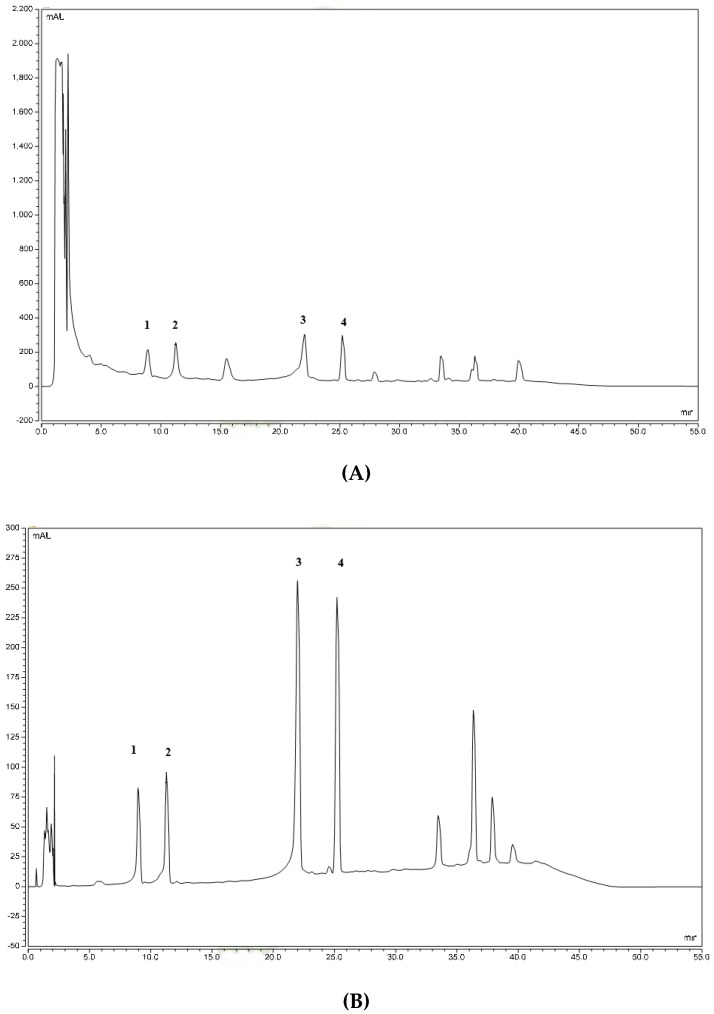
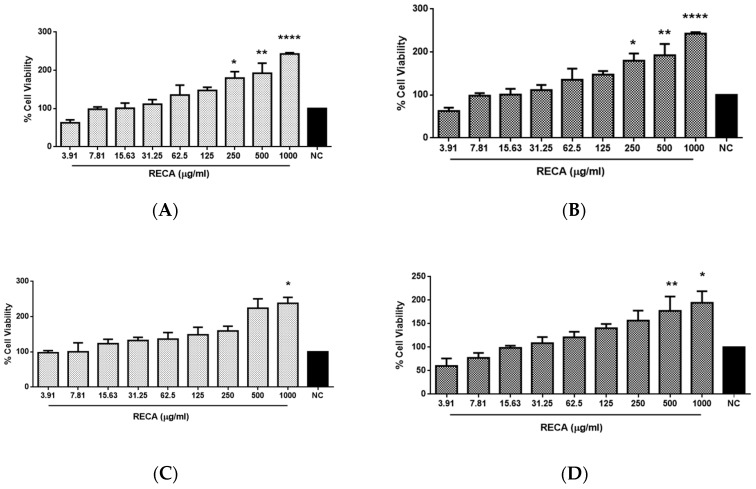
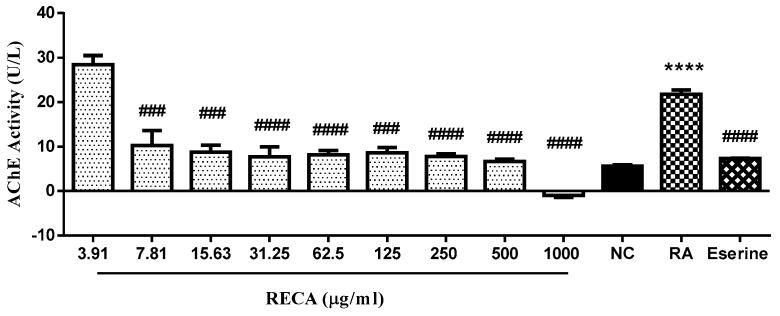
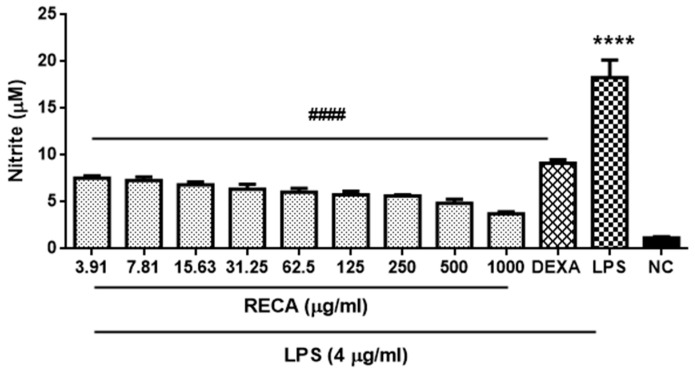
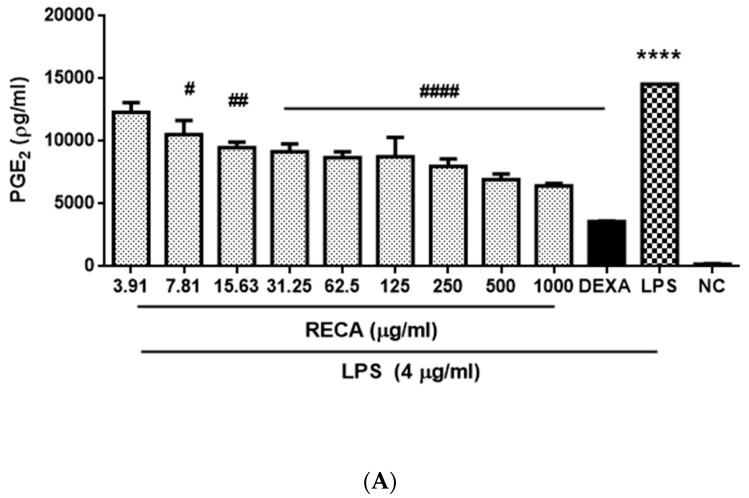
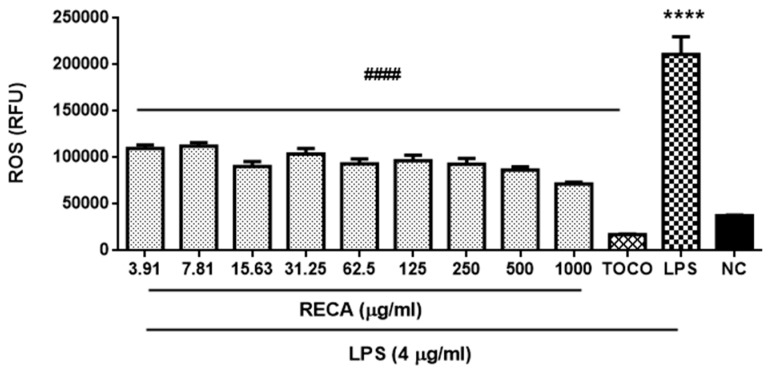
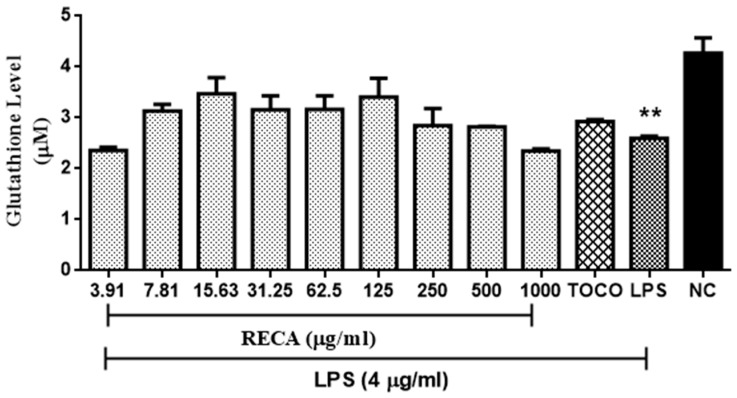
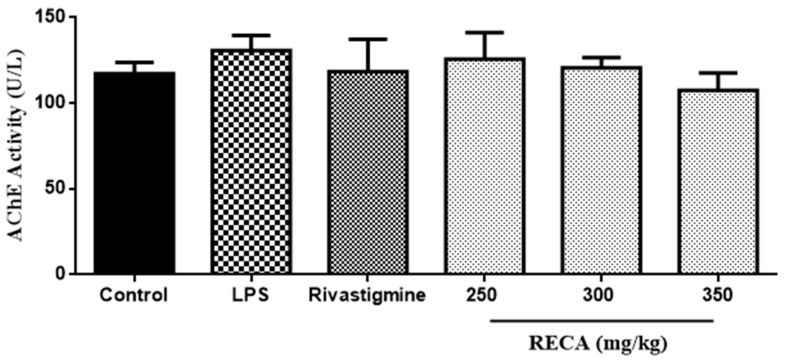
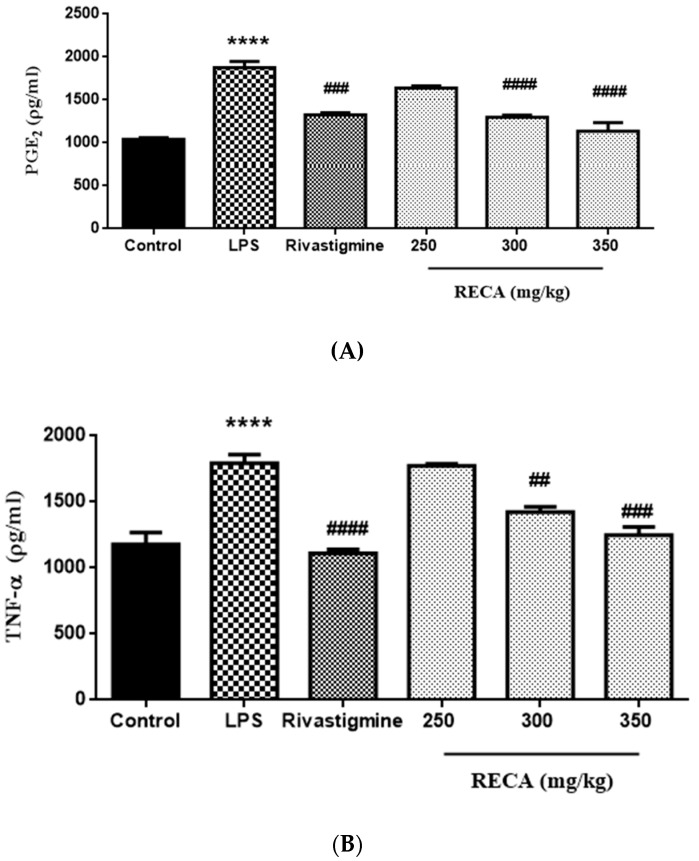
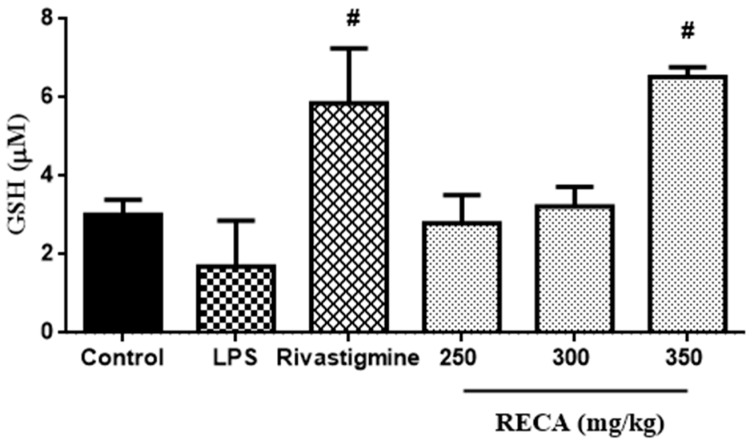
() is one of the medicinal plants that has been reported to exert comprehensive neuroprotection in vitro and in vivo. In view of this, the present study was performed to investigate the effect of ethanolic extract of , designated as raw-extract of (RECA) in reducing the acetylcholinesterase (AChE), inflammations, and oxidative stress activities via both in vitro (SH-SY5Y and RAW 264.7 cells) and in vivo (Sprague Dawley rats). Quantitative high-performance liquid chromatography analysis reveals that RECA contains a significantly high proportion of glycosides than the aglycones with madecassoside as the highest component, followed by asiaticoside. Treatment of SH-SY5Y cells with RECA significantly reduced the AChE activity in a concentration-dependent manner with an IC value of 31.09 ± 10.07 µg/mL. Furthermore, the anti-inflammatory and antioxidant effects of RECA were evaluated by lipopolysaccharides (LPS)-stimulated RAW 264.7 cells. Our results elucidated that treatment with RECA significantly suppressed the level of pro-inflammatory cytokine/mediators and oxidative stress released in a concentration-dependent manner. Interestingly, these patterns of inhibition were consistent as observed in the LPS-induced neuroinflammation Sprague Dawley rats' model. The highest concentration used in the two models presented the most significant results. Herein, our findings strongly suggest that RECA may offer therapeutic potential for the treatment of Alzheimer's disease through inhibiting the AChE, inflammation, and oxidative stress activities.
()是一种已被报道具有全面神经保护作用的药用植物,无论是在体外还是体内实验中。鉴于此,本研究旨在探究()的乙醇提取物(RECA)通过体外(SH-SY5Y 和 RAW 264.7 细胞)和体内(Sprague Dawley 大鼠)实验,降低乙酰胆碱酯酶(AChE)、炎症和氧化应激活性的作用。定量高效液相色谱分析表明,RECA 含有较高比例的糖苷,而非配糖体,其中马卡因苷含量最高,其次是积雪草酸苷。RECA 处理 SH-SY5Y 细胞可显著降低 AChE 活性,呈浓度依赖性,IC 值为 31.09±10.07μg/mL。此外,通过脂多糖(LPS)刺激 RAW 264.7 细胞评估 RECA 的抗炎和抗氧化作用。结果表明,RECA 处理可显著抑制促炎细胞因子/介质和氧化应激的释放,呈浓度依赖性。有趣的是,这种抑制模式与 LPS 诱导的神经炎症 Sprague Dawley 大鼠模型中观察到的模式一致。在这两个模型中使用的最高浓度呈现出最显著的效果。综上所述,我们的研究结果表明,RECA 可能通过抑制 AChE、炎症和氧化应激活性,为治疗阿尔茨海默病提供治疗潜力。