Locker Sean, Goyal Sushmit, McKenzie Matthew E, Sundaram S K, Ungaro Craig
Kazuo Inamori School of Engineering, The New York State College of Ceramics, Ultrafast Materials Science and Engineering Laboratory (U-Lab), Alfred University, Alfred, NY, 14802, USA.
Corning Incorporated, Science and Technology Division, Corning, NY, 14831, USA.
Sci Rep. 2021 May 4;11(1):9519. doi: 10.1038/s41598-021-88686-7.
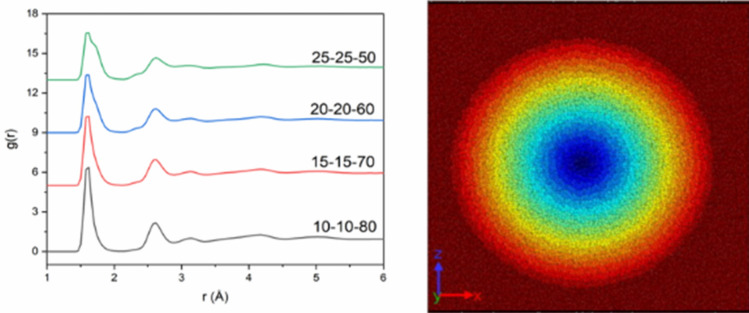
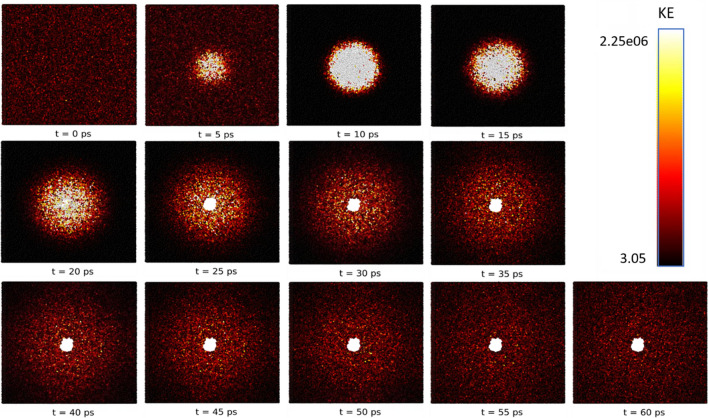
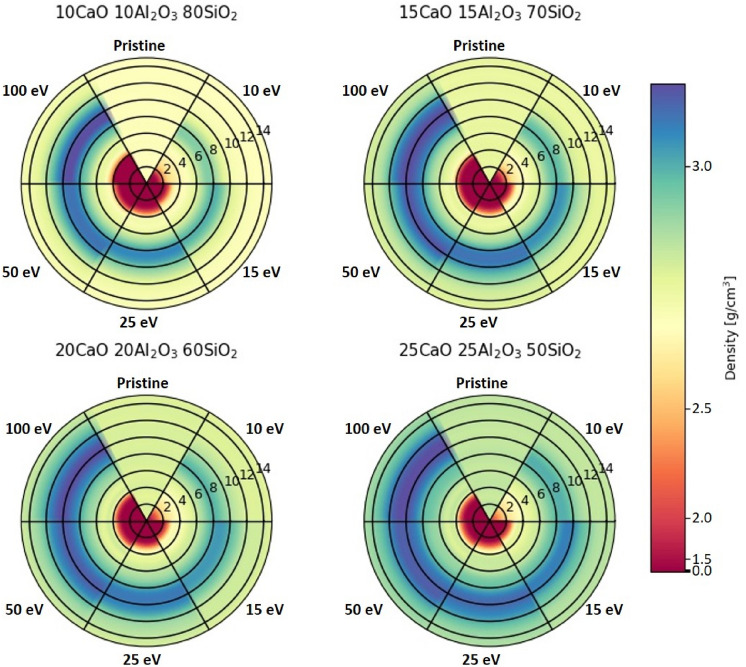
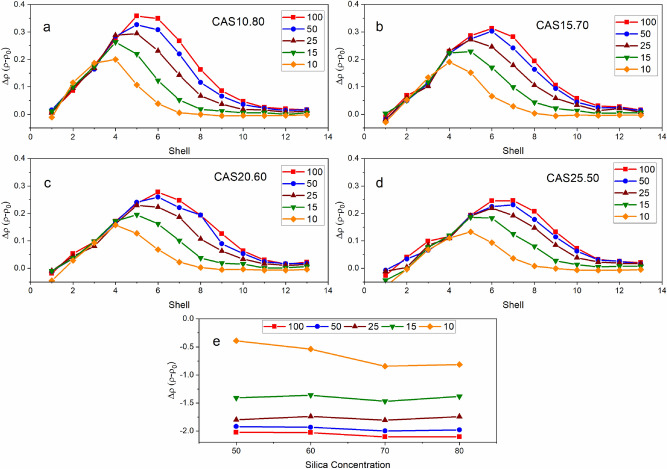
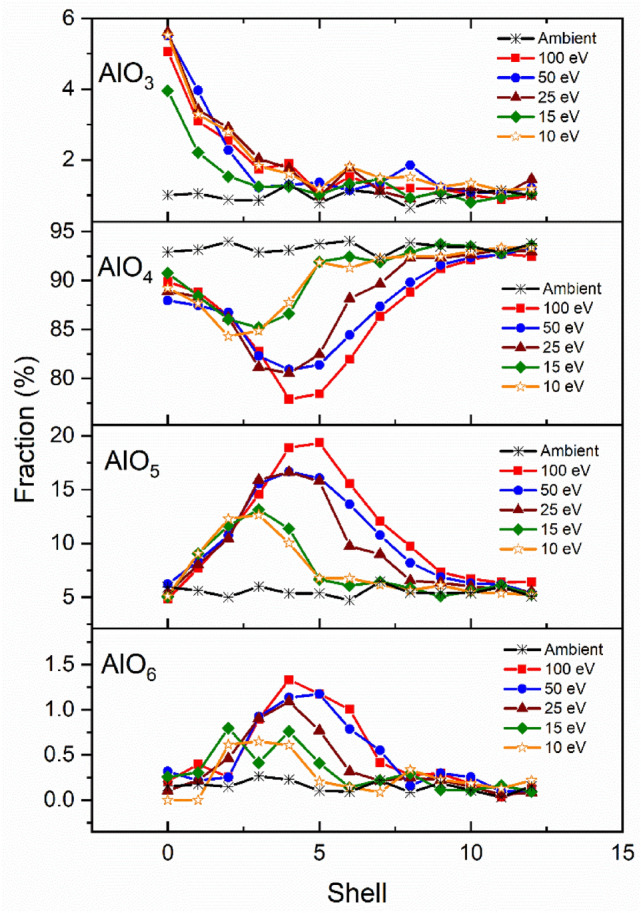
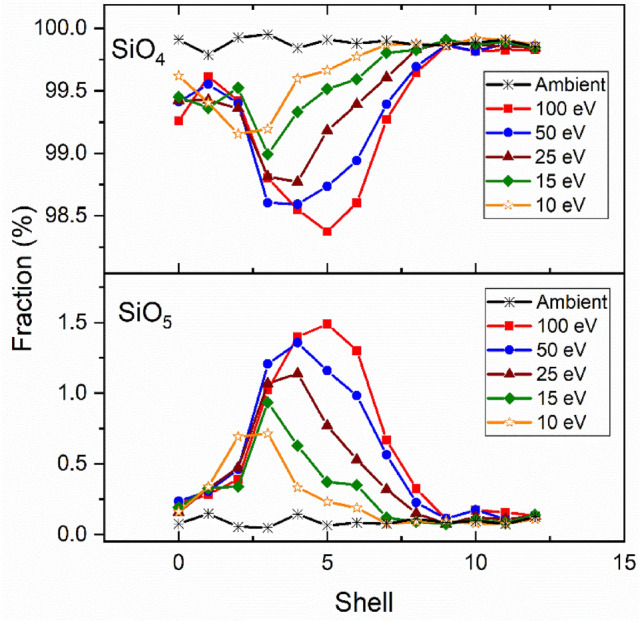
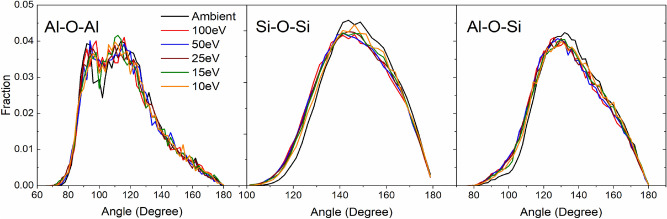
Glass structures of multicomponent oxide systems (CaO-AlO-SiO) are studied using a simulated pulsed laser with molecular dynamics. The short- and intermediate-range order structures revealed a direct correlation between the transformation of Al to Al, regions of increased density following laser processing, inherent reduction in the average T-O-T (T = Al, Si) angle, and associated elongation of the T-O bonding distance. Variable laser pulse energies were simulated across calcium aluminosilicate glasses with high silica content (50-80%) to identify densification trends attributed to composition and laser energy. High-intensity pulsed laser effects on fictive temperature and shockwave promotion are discussed in detail for their role in glass densification. Laser-induced structural changes are found to be highly dependent on pulse energy and glass chemistry.
利用分子动力学模拟脉冲激光对多组分氧化物体系(CaO-AlO-SiO)的玻璃结构进行了研究。短程和中程有序结构揭示了Al向Al转变、激光处理后密度增加的区域、平均T-O-T(T = Al、Si)角的固有减小以及T-O键长的相关伸长之间的直接关联。在高二氧化硅含量(50-80%)的钙铝硅酸盐玻璃中模拟了可变的激光脉冲能量,以确定归因于成分和激光能量的致密化趋势。详细讨论了高强度脉冲激光对虚构温度和冲击波促进的影响在玻璃致密化中的作用。发现激光诱导的结构变化高度依赖于脉冲能量和玻璃化学性质。