Department of Anesthesiology, Perioperative and Pain Medicine, Stanford University School of Medicine, Palo Alto, CA 94305, USA.
Digital Technologies Research Centre, National Research Council Canada, Toronto, ON M5T 3J1, Canada.
Sci Transl Med. 2021 May 5;13(592). doi: 10.1126/scitranslmed.abd9898.
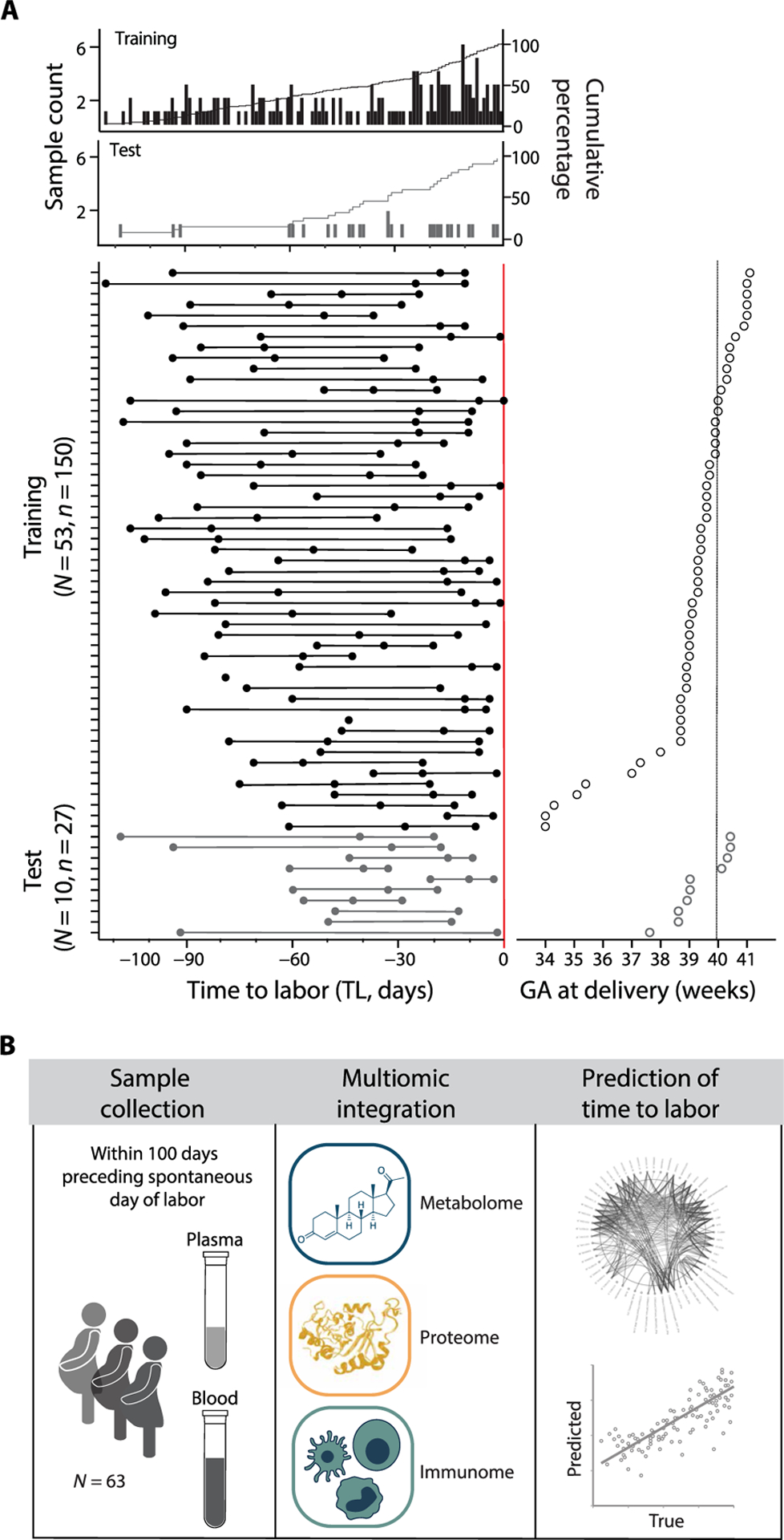
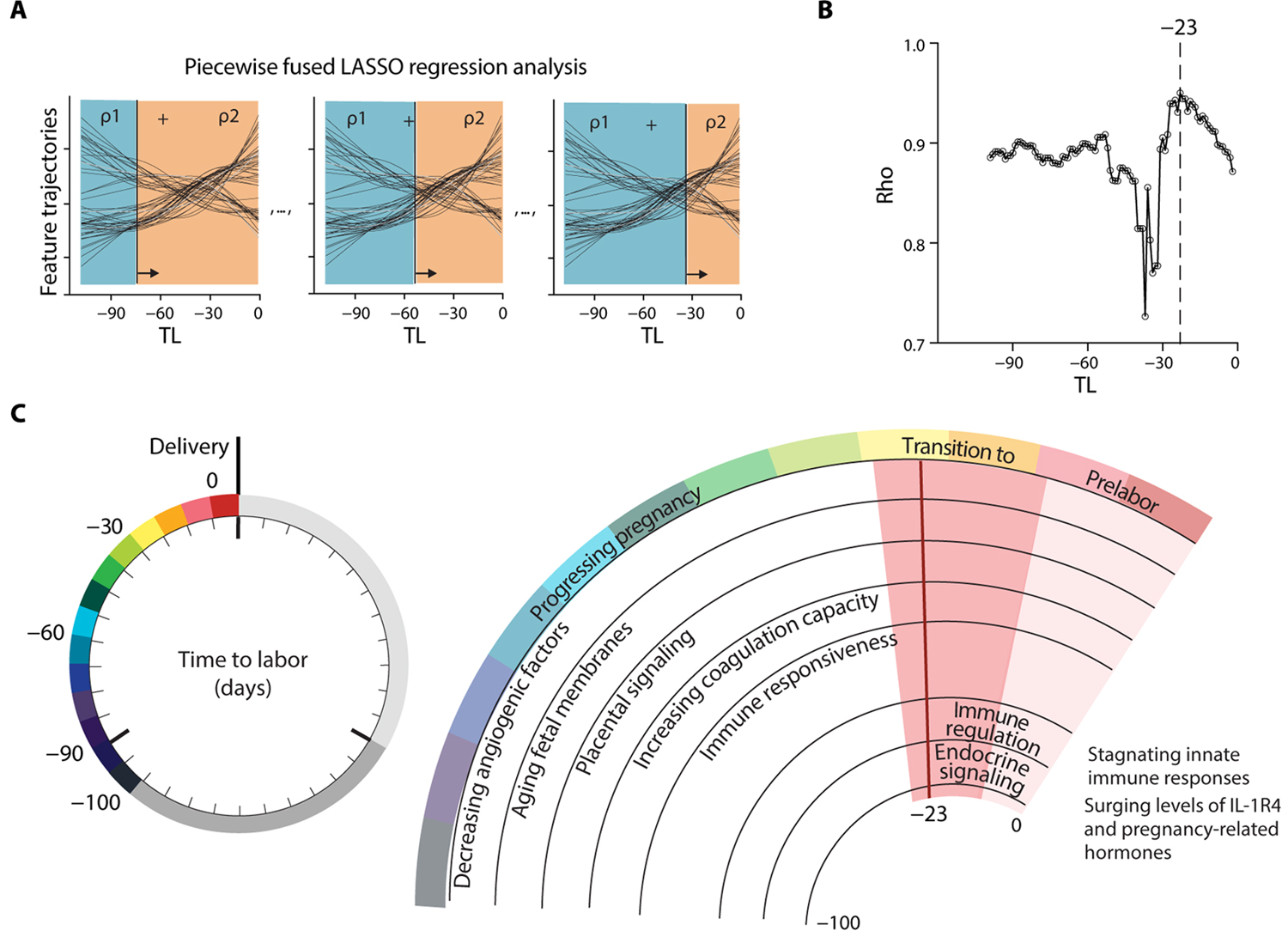
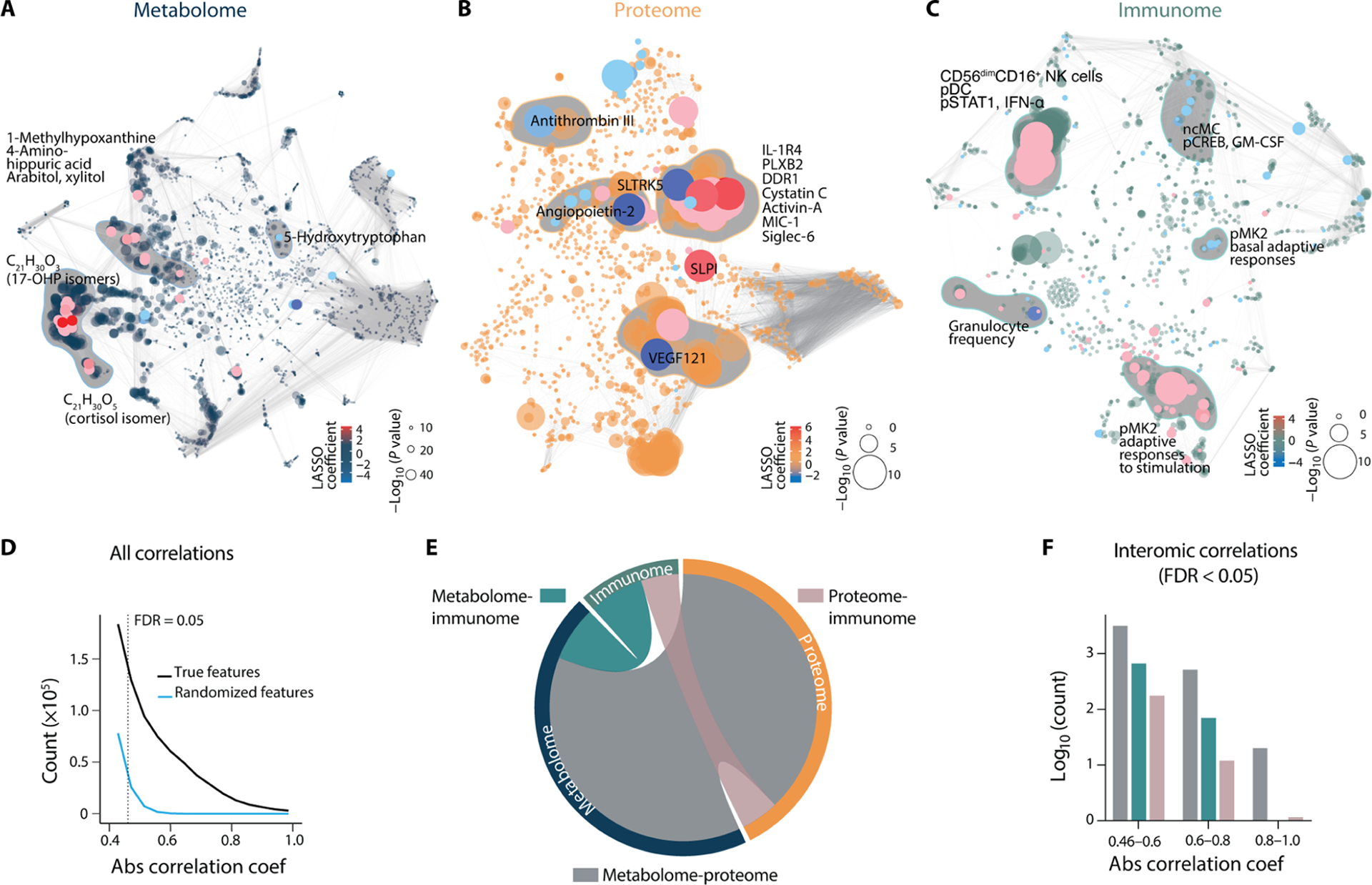
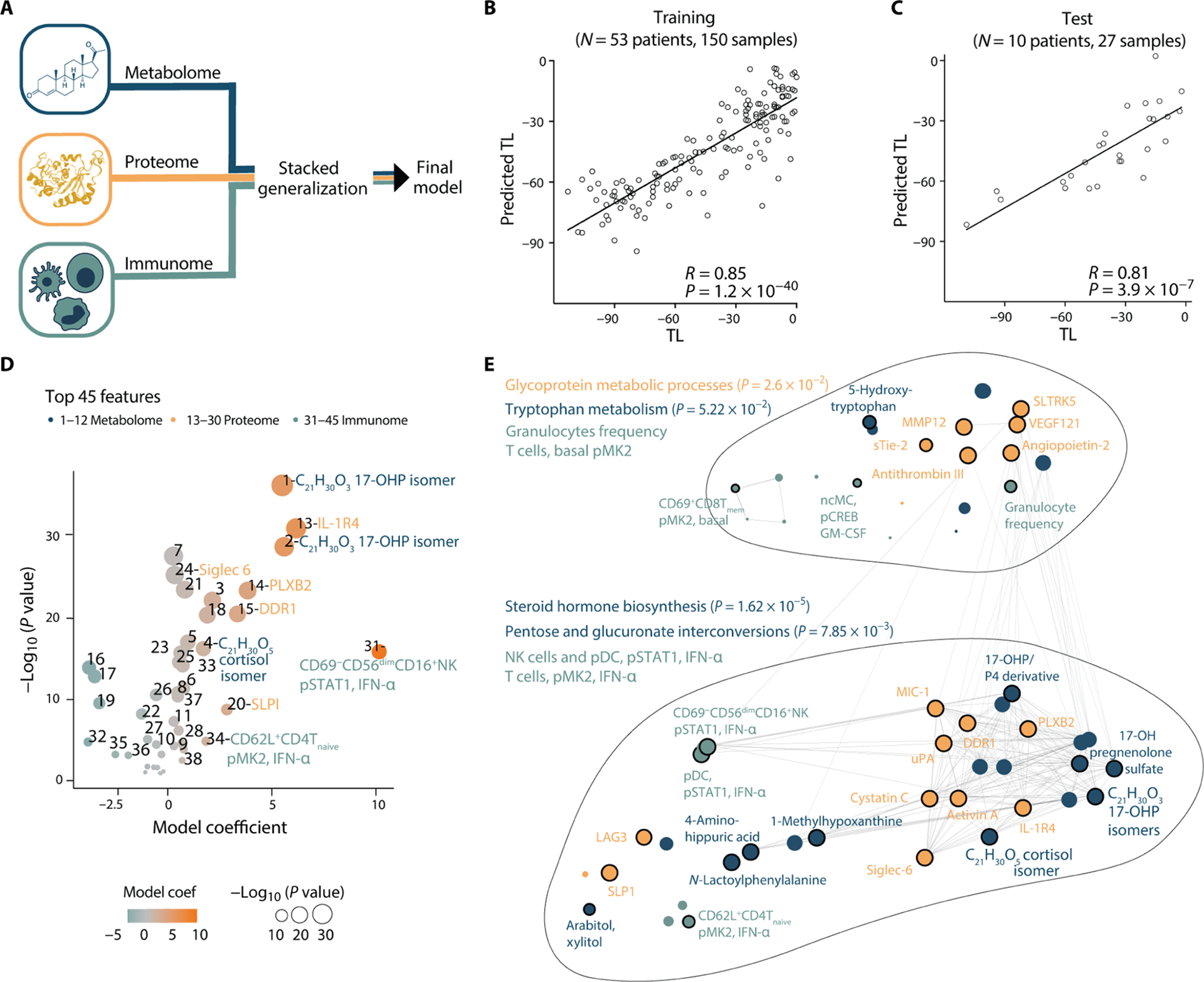
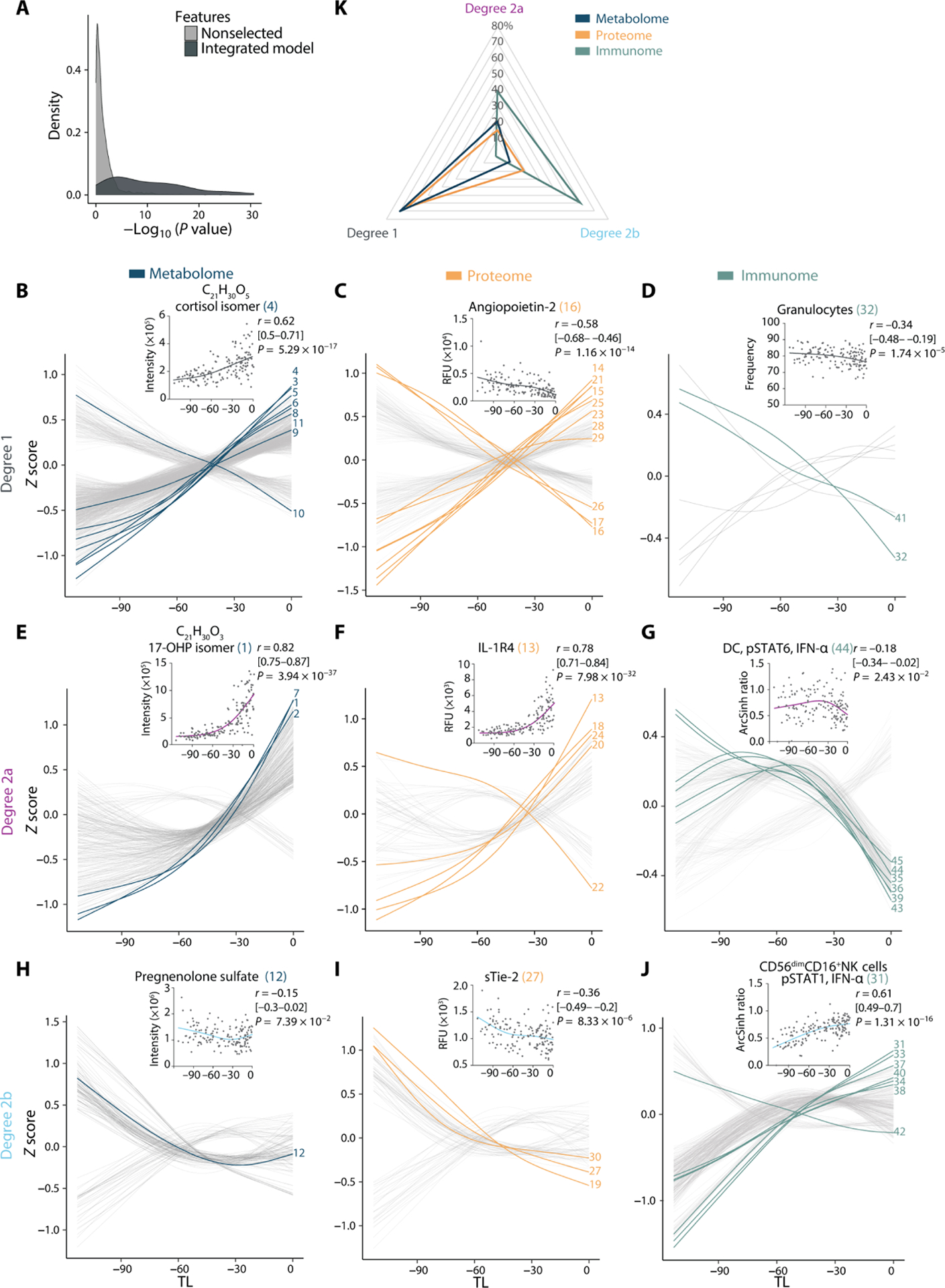
Estimating the time of delivery is of high clinical importance because pre- and postterm deviations are associated with complications for the mother and her offspring. However, current estimations are inaccurate. As pregnancy progresses toward labor, major transitions occur in fetomaternal immune, metabolic, and endocrine systems that culminate in birth. The comprehensive characterization of maternal biology that precedes labor is key to understanding these physiological transitions and identifying predictive biomarkers of delivery. Here, a longitudinal study was conducted in 63 women who went into labor spontaneously. More than 7000 plasma analytes and peripheral immune cell responses were analyzed using untargeted mass spectrometry, aptamer-based proteomic technology, and single-cell mass cytometry in serial blood samples collected during the last 100 days of pregnancy. The high-dimensional dataset was integrated into a multiomic model that predicted the time to spontaneous labor [ = 0.85, 95% confidence interval (CI) [0.79 to 0.89], = 1.2 × 10, = 53, training set; = 0.81, 95% CI [0.61 to 0.91], = 3.9 × 10, = 10, independent test set]. Coordinated alterations in maternal metabolome, proteome, and immunome marked a molecular shift from pregnancy maintenance to prelabor biology 2 to 4 weeks before delivery. A surge in steroid hormone metabolites and interleukin-1 receptor type 4 that preceded labor coincided with a switch from immune activation to regulation of inflammatory responses. Our study lays the groundwork for developing blood-based methods for predicting the day of labor, anchored in mechanisms shared in preterm and term pregnancies.
估计分娩时间具有重要的临床意义,因为早产和过期产都会给母婴带来并发症。然而,目前的估计并不准确。随着妊娠接近分娩,胎儿-母体的免疫、代谢和内分泌系统会发生重大转变,最终导致分娩。全面描述分娩前的母体生物学特征是理解这些生理转变并确定分娩预测生物标志物的关键。在这里,对 63 名自发性分娩的女性进行了一项纵向研究。在妊娠最后 100 天内采集的系列血样中,使用非靶向质谱、基于适配体的蛋白质组学技术和单细胞质谱流式细胞术分析了超过 7000 种血浆分析物和外周免疫细胞反应。将高维数据集整合到一个多组学模型中,该模型可以预测自发性分娩的时间[ = 0.85,95%置信区间(CI)[0.79 至 0.89], = 1.2×10 , = 53,训练集; = 0.81,95%CI [0.61 至 0.91], = 3.9×10 , = 10,独立测试集]。母体代谢组、蛋白质组和免疫组的协调改变标志着从妊娠维持到分娩前生物学的分子转变,在分娩前 2 至 4 周发生。在分娩前,类固醇激素代谢物和白细胞介素-1 受体类型 4 的激增与免疫激活向炎症反应调节的转变同时发生。我们的研究为开发基于血液的预测分娩日方法奠定了基础,这些方法基于早产和足月妊娠中共享的机制。