Wan Zhirong, Liu Xiaolei, Yang Hui, Li Fang, Yu Lingling, Li Lei, Wang Yulin, Jiang Hao, Zou Junjie, Du Jichen
Department of Neurology, Aerospace Central Hospital, Beijing, 100049, People's Republic of China.
Chinese Traditional Regimen Exercise Intervention Research Center, Beijing Sport University, Beijing, 100084, People's Republic of China.
J Multidiscip Healthc. 2021 Apr 28;14:941-950. doi: 10.2147/JMDH.S303945. eCollection 2021.
To measure motor function improvements in patients with Parkinson's disease (PD) using Health Qigong exercises.
Fifty-two PD patients (Hoehn and Yahr stages I to IV) were randomly divided into experimental and control groups. Twenty-six PD patients in the experimental group were intervened with routine medicine and fitness Qigong exercise. The other 26 PD patients as the control group were treated only with regular medication. Twelve-week intervention had been conducted for the study, and participants completed the scheduled exercises 4 times per week for 60 minutes each time. Data which included the one-legged blind balance, physical coordination, and gait was collected before, during, and after the intervention. Comparisons were made between the experimental and control groups through the repeated measures analysis of variance.
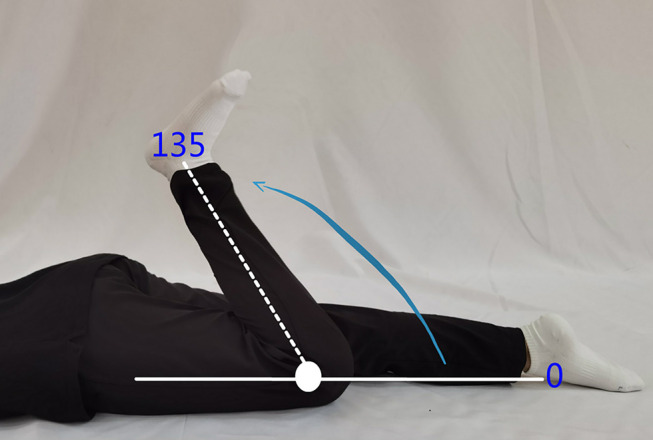
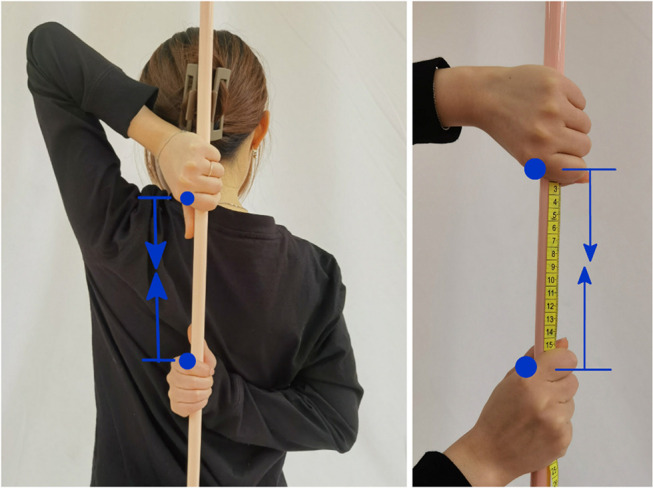
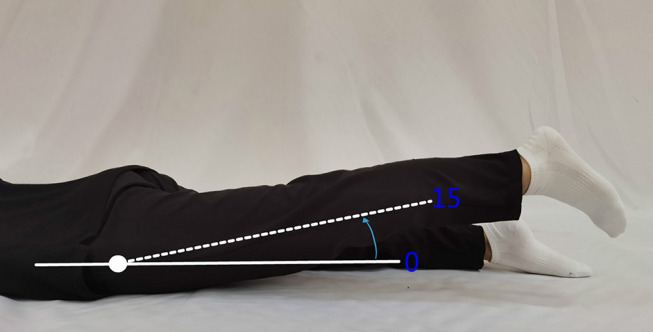
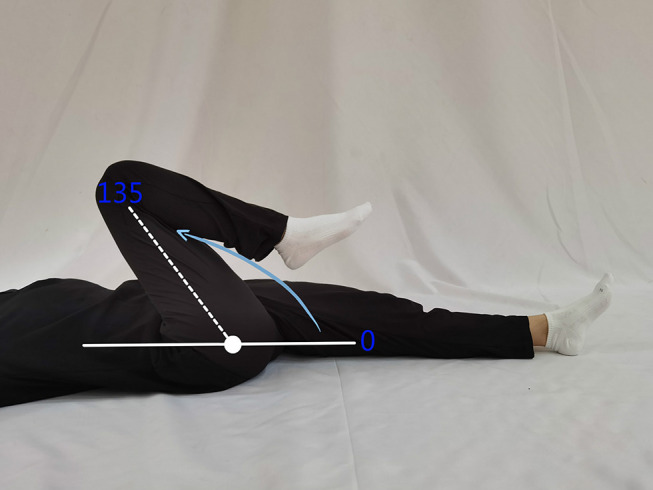
A total of 40 participants (77% response rate) completed the study. There was no significant difference in baseline data. After 12 weeks of Health Qigong therapy, the length of time the one-legged blind balance test had increased (P < 0.01), and the time it took to TUG test was reduced (P < 0.01). Joint range of motion and gait significantly improved. The control group's there were no significant differences in the above variables, except for joint range of motion, which decreased.
Health Qigong exercises can significantly improve physical functions in patients with PD, especially for the balance ability, gait, joint range of motion in patients with PD. It can reduce their activity risk factor and improve their quality of life.
使用健身气功练习来测量帕金森病(PD)患者运动功能的改善情况。
52例PD患者(霍恩和雅尔分期I至IV期)被随机分为实验组和对照组。实验组的26例PD患者接受常规药物治疗及健身气功练习干预。另外26例作为对照组的PD患者仅接受常规药物治疗。该研究进行了为期12周的干预,参与者每周完成预定练习4次,每次60分钟。在干预前、干预期间和干预后收集包括单腿闭目平衡、身体协调性和步态等数据。通过重复测量方差分析在实验组和对照组之间进行比较。
共有40名参与者(77%的应答率)完成了该研究。基线数据无显著差异。经过12周的健身气功治疗后,单腿闭目平衡测试的时间延长(P < 0.01),定时起立行走测试(TUG)所用时间缩短(P < 0.01)。关节活动范围和步态显著改善。对照组除关节活动范围减小外,上述变量无显著差异。
健身气功练习可显著改善PD患者的身体功能,尤其是PD患者的平衡能力、步态、关节活动范围。它可降低其活动危险因素并提高其生活质量。