Wei Ting, Jia Ye, Xue Wei, Ma Ming, Wu Wenhui
College of Food Science and Engineering, Shanghai Ocean University, Shanghai, 201306, People's Republic of China.
Diabetes Metab Syndr Obes. 2021 Apr 28;14:1855-1869. doi: 10.2147/DMSO.S301454. eCollection 2021.
Due to the adverse effects of antidiabetic drugs, nowadays, nutraceuticals have been of much interest to investigators. Therefore, the present study aimed to explore the potential effects of enteral nutritional (EN) formulas on the gut microbiota and metabolic regulation of type 2 diabetes mellitus (T2DM) mice and compare the differences between whey protein and soy protein.
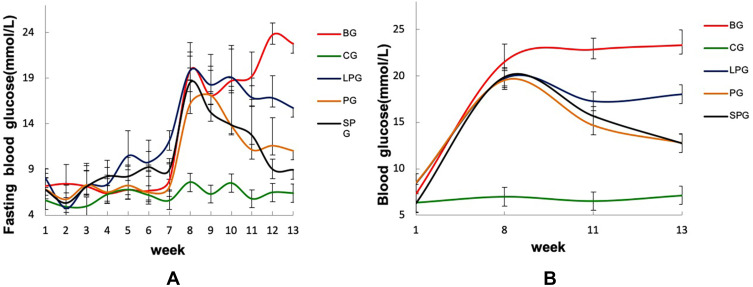
EN formulas made of whey protein or soy protein were administered for five weeks and then mice tissue samples were obtained to examine the metabolic parameters and histopathology of the pancreas, liver, jejunum and colon. 16S rRNA V3-V4 region gene sequencing was used to analyze the changes in the gut microbiota.
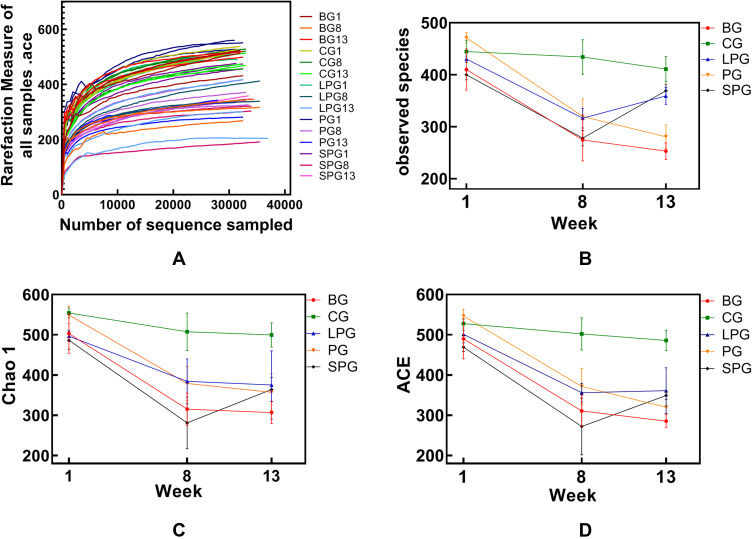
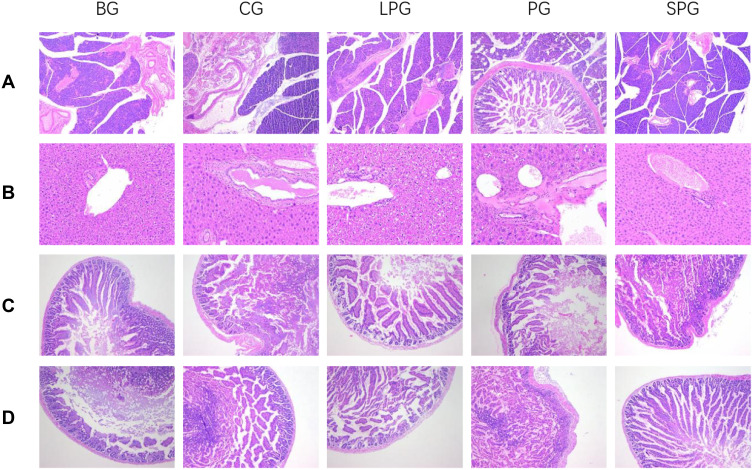
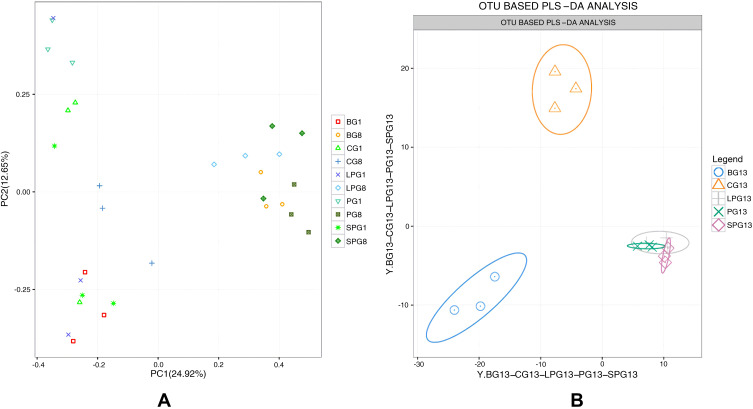
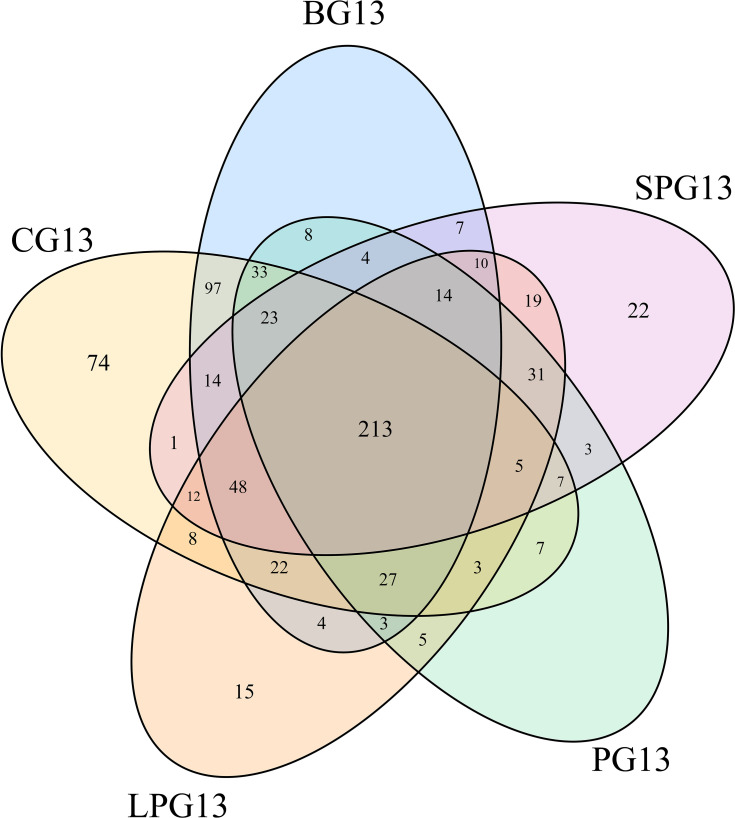
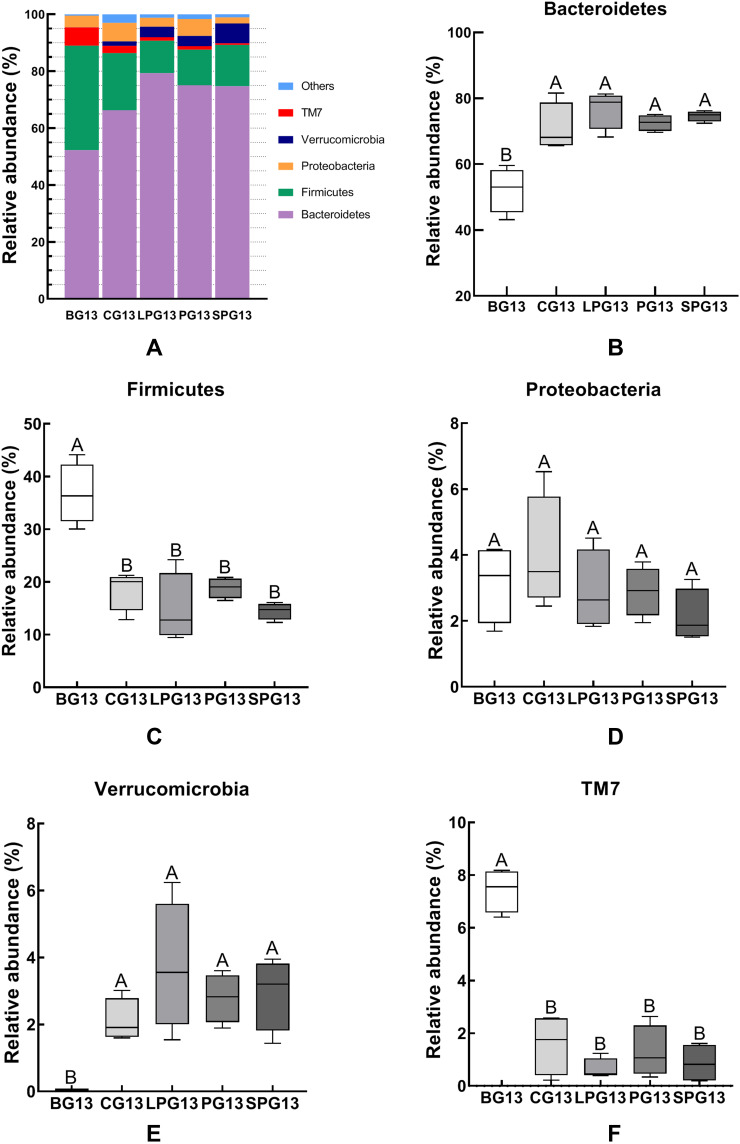
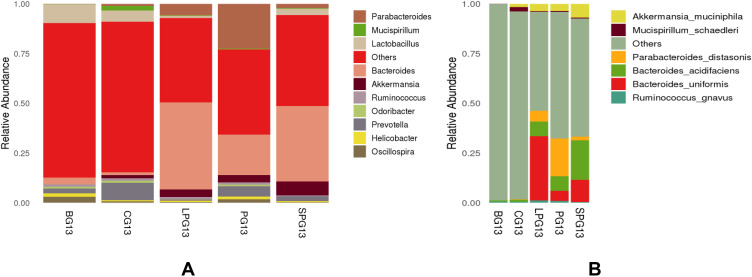
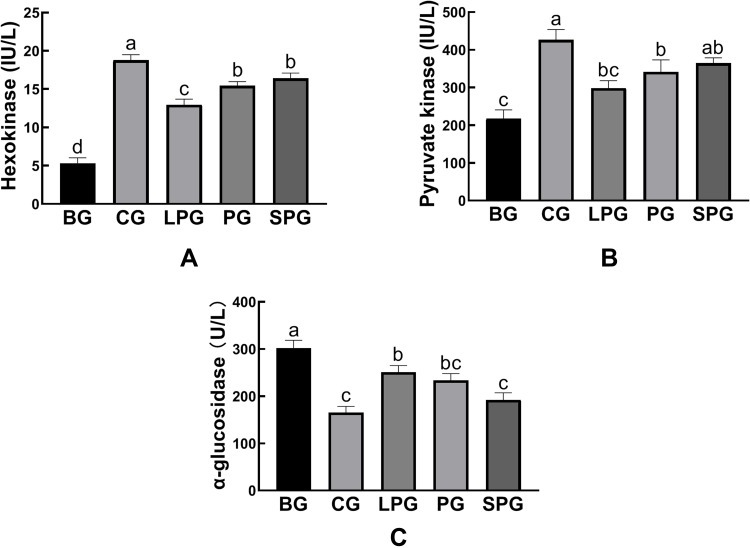
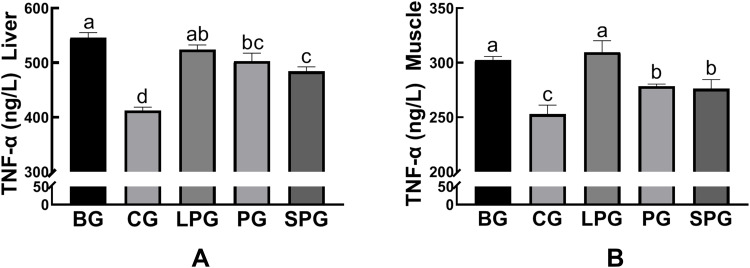
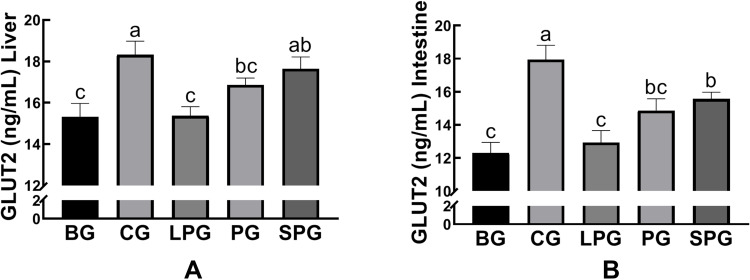
After the five-week intervention, the alpha diversity had recovered slightly, and the soy protein group (SPG) achieved a better effect than the whey protein group (LPG). The overall composition of gut microbiota was regulated. The abundance of Bacteroidetes and TM7 had raised significantly and the abundance of Firmicutes and Deferribacteres had declined after treatment, with no significant difference between the LPG and SPG. The types of beneficial bacteria were increased at the genus and species level. The level of hexokinase (HK) and pyruvate kinase (PK) had significantly recovered and inhibited the level of α-glucosidase. In addition, the EN formulas treatment reduced the levels of inflammatory factor (TNF-α) in liver and muscle. The level of glucose transporter type 2 (GLUT-2) levels in the liver and intestine also significantly increased. Moreover, the metabolism regulation of the SPG was better than that of the LPG. The EN formulas treatment improved the pancreas, liver, jejunum and colon histology.
The EN formulas regulated the overall structure of the gut microbiota and improved the metabolic level in streptozotocin/high-fat diet (STZ/HFD) diabetic mice. Therefore, EN formula may potentially become an effective nutritional adjunctive therapy for T2DM.
由于抗糖尿病药物的不良反应,如今,营养保健品已引起研究人员的广泛关注。因此,本研究旨在探讨肠内营养(EN)配方对2型糖尿病(T2DM)小鼠肠道微生物群和代谢调节的潜在影响,并比较乳清蛋白和大豆蛋白之间的差异。
给予由乳清蛋白或大豆蛋白制成的EN配方五周,然后获取小鼠组织样本,以检查胰腺、肝脏、空肠和结肠的代谢参数及组织病理学。使用16S rRNA V3-V4区域基因测序分析肠道微生物群的变化。
经过五周的干预,α多样性略有恢复,大豆蛋白组(SPG)的效果优于乳清蛋白组(LPG)。肠道微生物群的整体组成得到调节。治疗后拟杆菌门和TM7的丰度显著升高,厚壁菌门和脱铁杆菌门的丰度下降,LPG和SPG之间无显著差异。有益菌的种类在属和种水平上增加。己糖激酶(HK)和丙酮酸激酶(PK)水平显著恢复,并抑制了α-葡萄糖苷酶水平。此外,EN配方治疗降低了肝脏和肌肉中炎症因子(TNF-α)的水平。肝脏和肠道中2型葡萄糖转运蛋白(GLUT-2)水平也显著升高。此外,SPG的代谢调节优于LPG。EN配方治疗改善了胰腺、肝脏、空肠和结肠的组织学。
EN配方调节了链脲佐菌素/高脂饮食(STZ/HFD)糖尿病小鼠肠道微生物群的整体结构,提高了代谢水平。因此,EN配方可能成为T2DM有效的营养辅助治疗方法。