Pennsylvania State University, University Park, Pennsylvania; and Northwestern University Feinberg School of Medicine, Chicago, Illinois.
Obstet Gynecol. 2021 Jun 1;137(6):1007-1022. doi: 10.1097/AOG.0000000000004377.
To estimate the risk of maternal and neonatal sepsis associated with chorioamnionitis.
PubMed, BIOSIS, and ClinicalTrials.gov databases were systematically searched for full-text articles in English from inception until May 11, 2020.
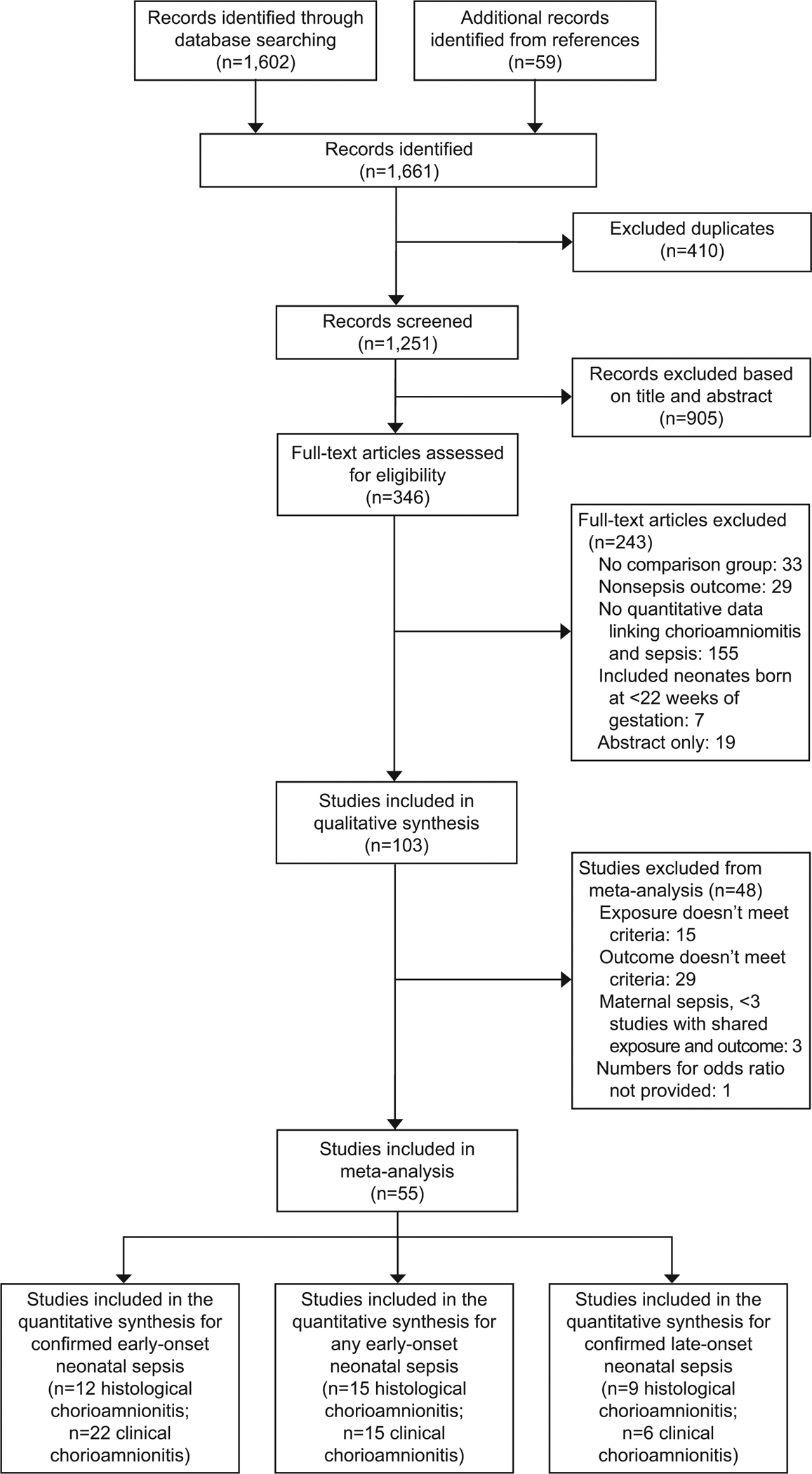
We screened 1,251 studies. Randomized controlled trials, case-control, or cohort studies quantifying a relationship between chorioamnionitis and sepsis in mothers (postpartum) or neonates born at greater than 22 weeks of gestation were eligible. Studies were grouped for meta-analyses according to exposures of histologic or clinical chorioamnionitis and outcomes of maternal or neonatal sepsis.
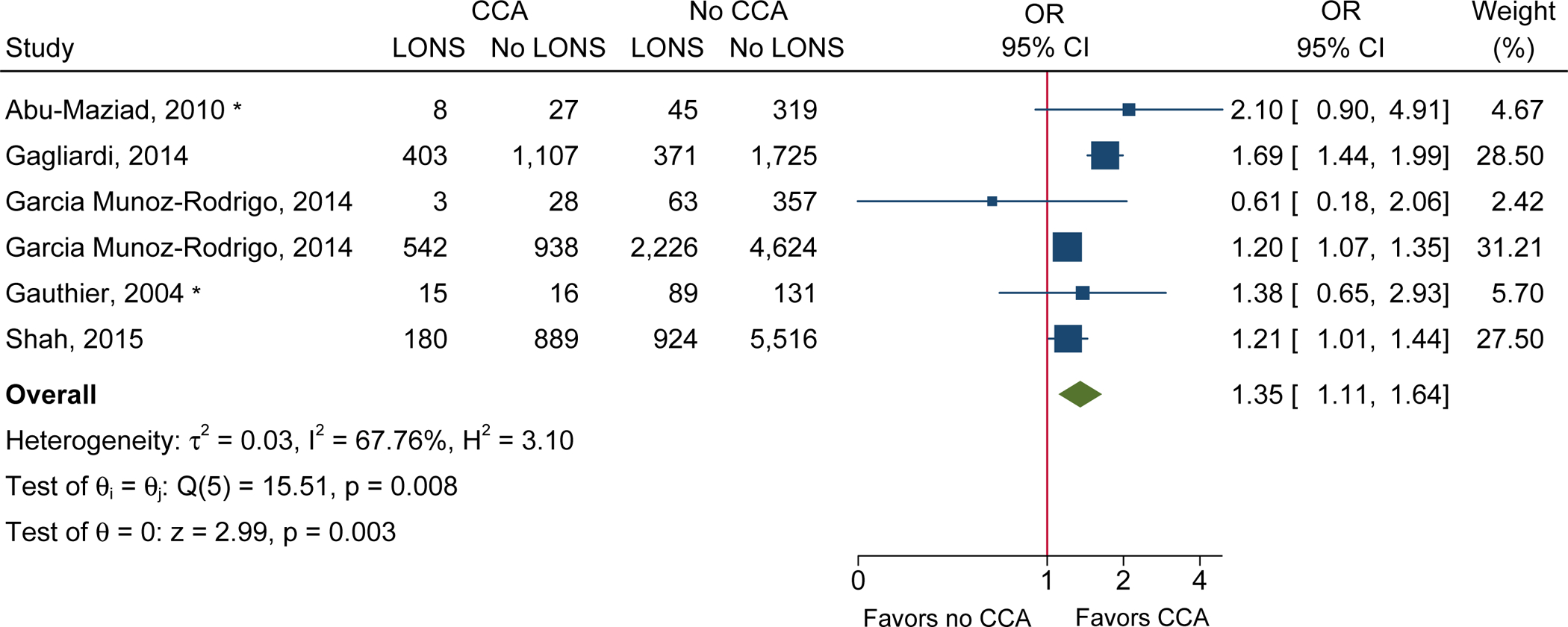
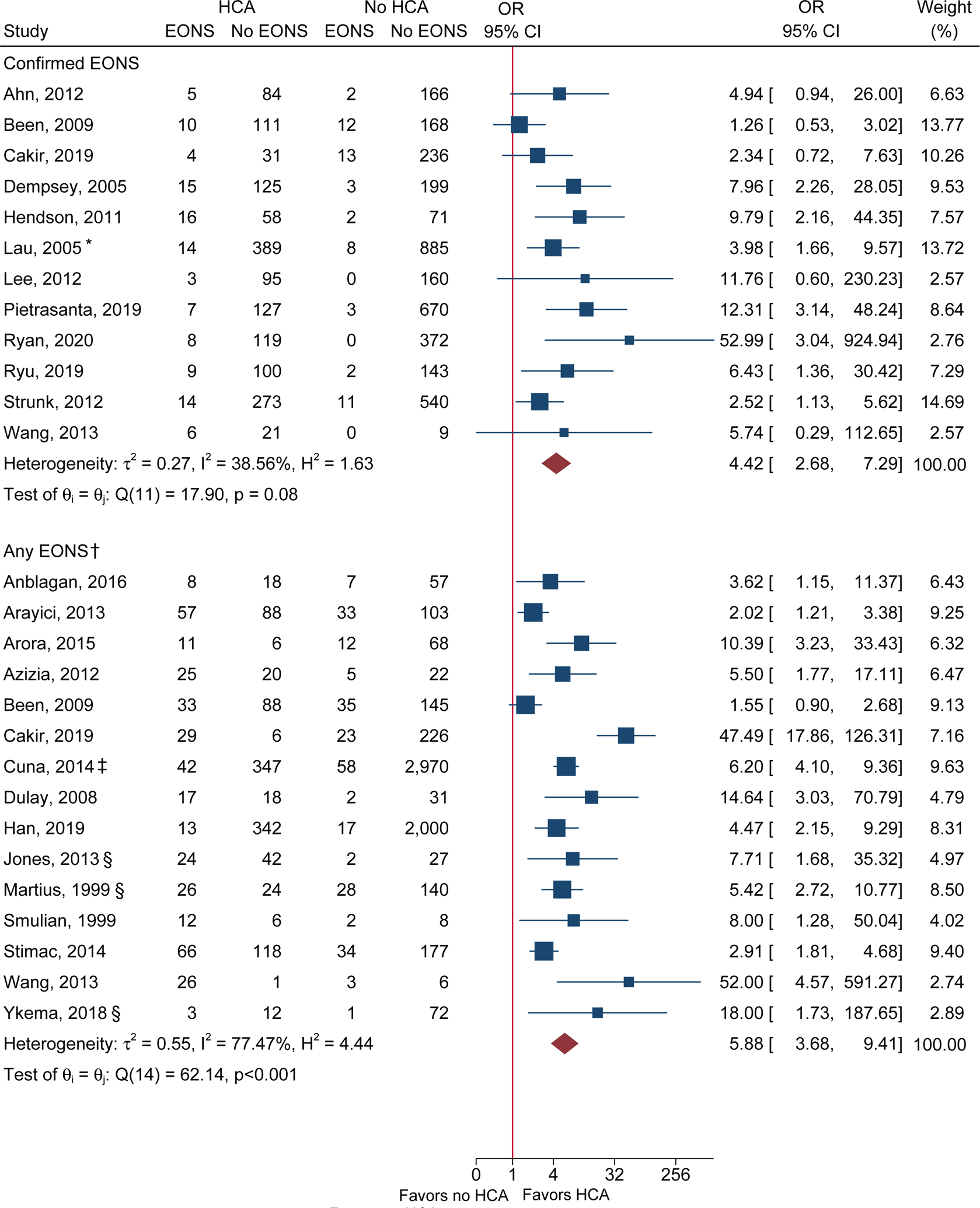
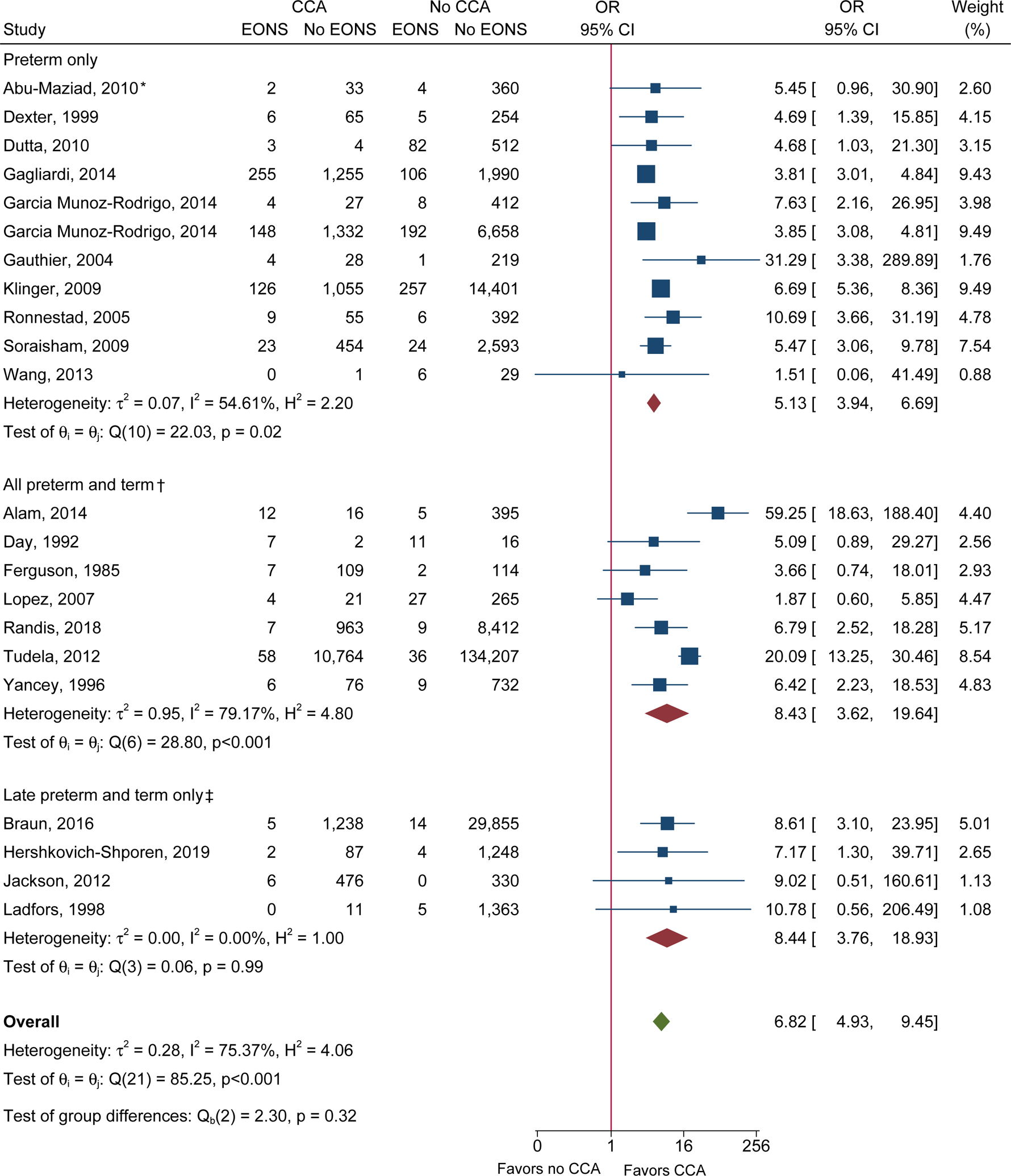
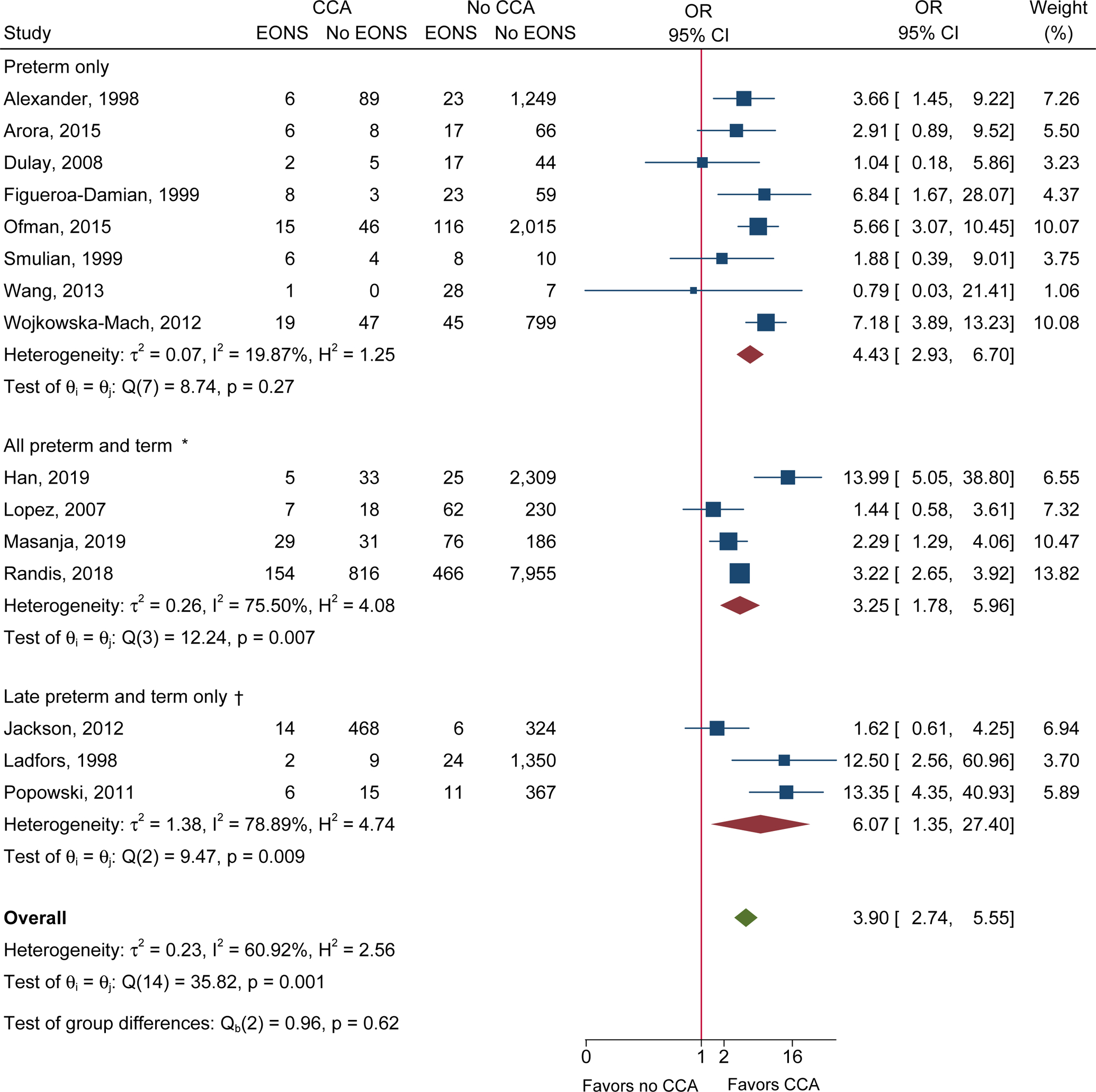
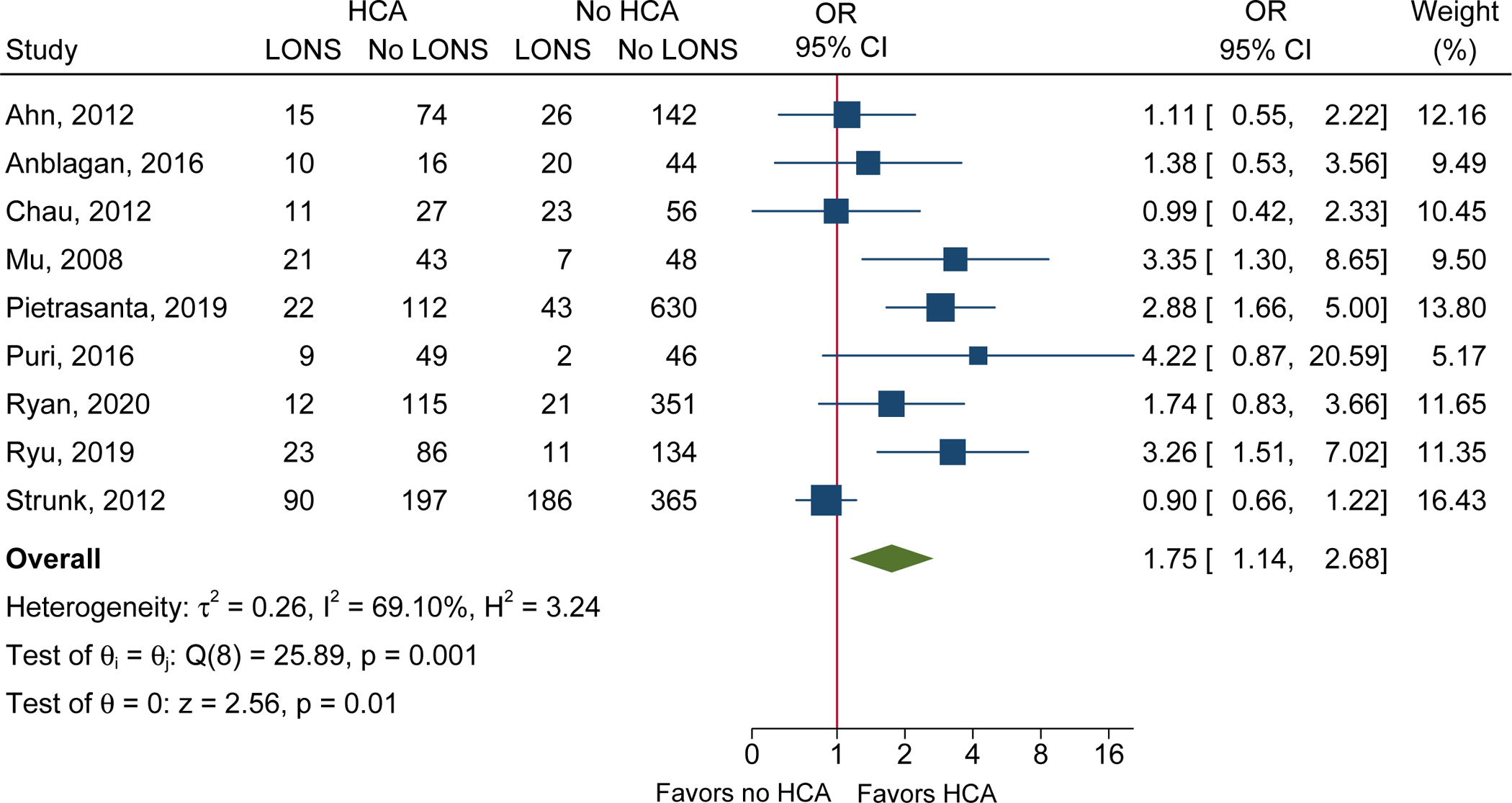
TABULATION, INTEGRATION, AND RESULTS: One hundred three studies were included, and 55 met criteria for meta-analysis (39 studies of preterm neonates, 10 studies of general populations of preterm and term neonates, and six studies of late preterm and term neonates). Study details and quantitative data were abstracted. Random-effects models were used to generate pooled odds ratios (ORs); most studies only reported unadjusted results. Histologic chorioamnionitis was associated with confirmed and any early-onset neonatal sepsis (unadjusted pooled ORs 4.42 [95% CI 2.68-7.29] and 5.88 [95% CI 3.68-9.41], respectively). Clinical chorioamnionitis was also associated with confirmed and any early-onset neonatal sepsis (unadjusted pooled ORs 6.82 [95% CI 4.93-9.45] and 3.90 [95% CI 2.74-5.55], respectively). Additionally, histologic and clinical chorioamnionitis were each associated with higher odds of late-onset sepsis in preterm neonates. Confirmed sepsis incidence was 7% (early-onset) and 22% (late-onset) for histologic and 6% (early-onset) and 26% (late-onset) for clinical chorioamnionitis-exposed neonates. Three studies evaluated chorioamnionitis and maternal sepsis and were inconclusive.
Both histologic and clinical chorioamnionitis were associated with early- and late-onset sepsis in neonates. Overall, our findings support current guidelines for preventative neonatal care. There was insufficient evidence to determine the association between chorioamnionitis and maternal sepsis.
PROSPERO, CRD42020156812.
评估绒毛膜羊膜炎相关的产妇和新生儿败血症的风险。
系统地检索了从开始到 2020 年 5 月 11 日在 PubMed、BIOSIS 和 ClinicalTrials.gov 数据库中发表的英文全文文章。
我们筛选了 1251 篇研究。有资格纳入的研究为随机对照试验、病例对照或队列研究,这些研究定量评估了绒毛膜羊膜炎与母亲(产后)或大于 22 周妊娠的新生儿败血症之间的关系。根据组织学或临床绒毛膜羊膜炎的暴露情况和产妇或新生儿败血症的结局,将研究分组进行荟萃分析。
列表、综合和结果:纳入了 103 项研究,其中 55 项符合荟萃分析的标准(39 项研究为早产儿,10 项研究为早产儿和足月产儿的一般人群,6 项研究为晚期早产儿和足月产儿)。提取研究细节和定量数据。使用随机效应模型生成汇总优势比(OR);大多数研究仅报告了未调整的结果。组织学绒毛膜羊膜炎与确诊和任何早发性新生儿败血症相关(未调整的汇总 OR 分别为 4.42 [95% CI 2.68-7.29] 和 5.88 [95% CI 3.68-9.41])。临床绒毛膜羊膜炎也与确诊和任何早发性新生儿败血症相关(未调整的汇总 OR 分别为 6.82 [95% CI 4.93-9.45] 和 3.90 [95% CI 2.74-5.55])。此外,组织学和临床绒毛膜羊膜炎均与早产儿晚发性败血症的可能性增加相关。组织学绒毛膜羊膜炎暴露的新生儿确诊败血症的发生率为 7%(早发性)和 22%(晚发性),临床绒毛膜羊膜炎暴露的新生儿为 6%(早发性)和 26%(晚发性)。三项研究评估了绒毛膜羊膜炎和产妇败血症,但结果不确定。
组织学和临床绒毛膜羊膜炎均与新生儿的早发性和晚发性败血症相关。总体而言,我们的研究结果支持当前新生儿保健的指南。没有足够的证据来确定绒毛膜羊膜炎与产妇败血症之间的关联。
PROSPERO,CRD42020156812。