Department of Chemistry, University of North Carolina, Chapel Hill, North Carolina 27599-3290, United States.
Acc Chem Res. 2021 May 18;54(10):2502-2517. doi: 10.1021/acs.accounts.1c00118. Epub 2021 May 7.
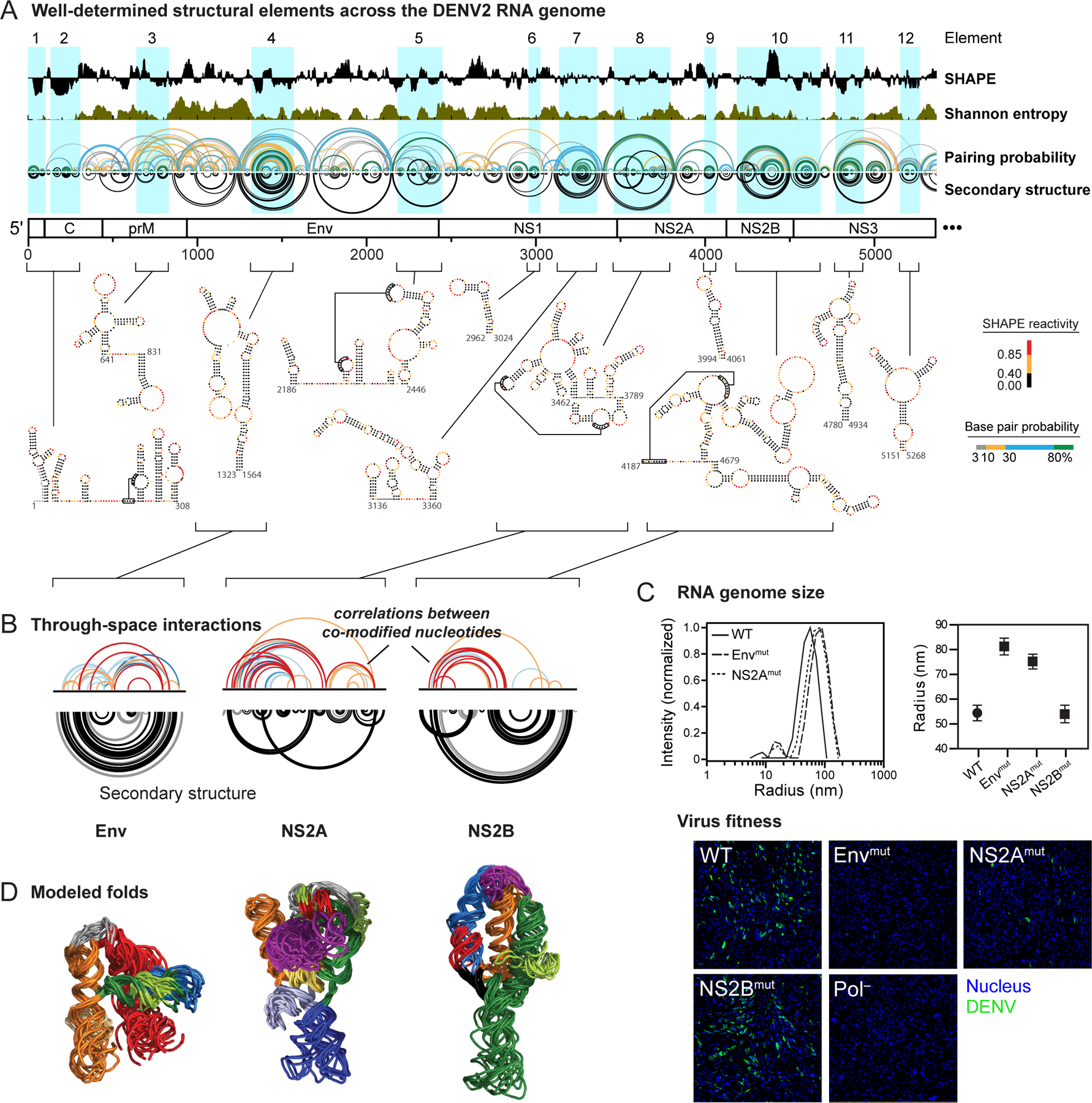
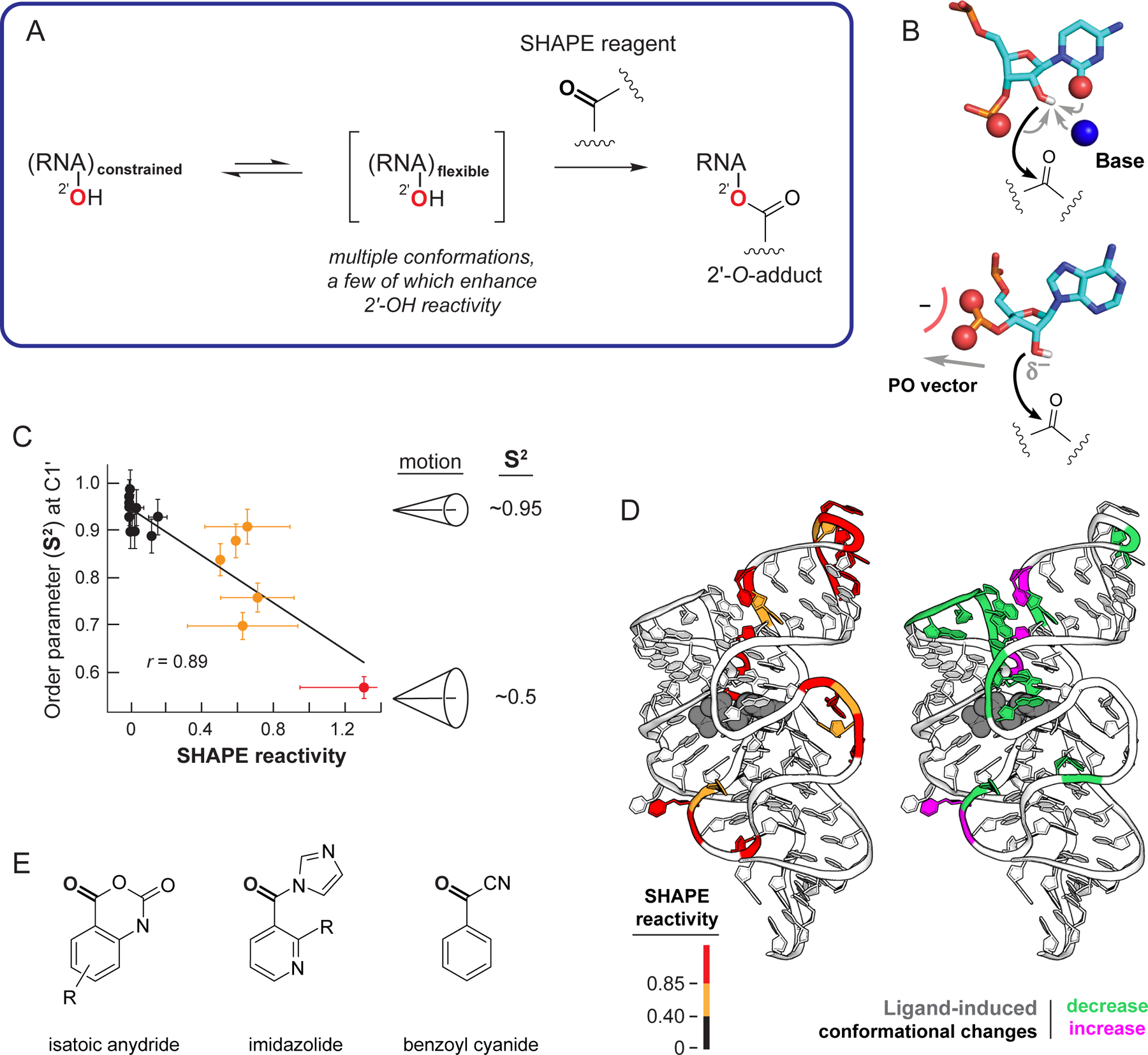
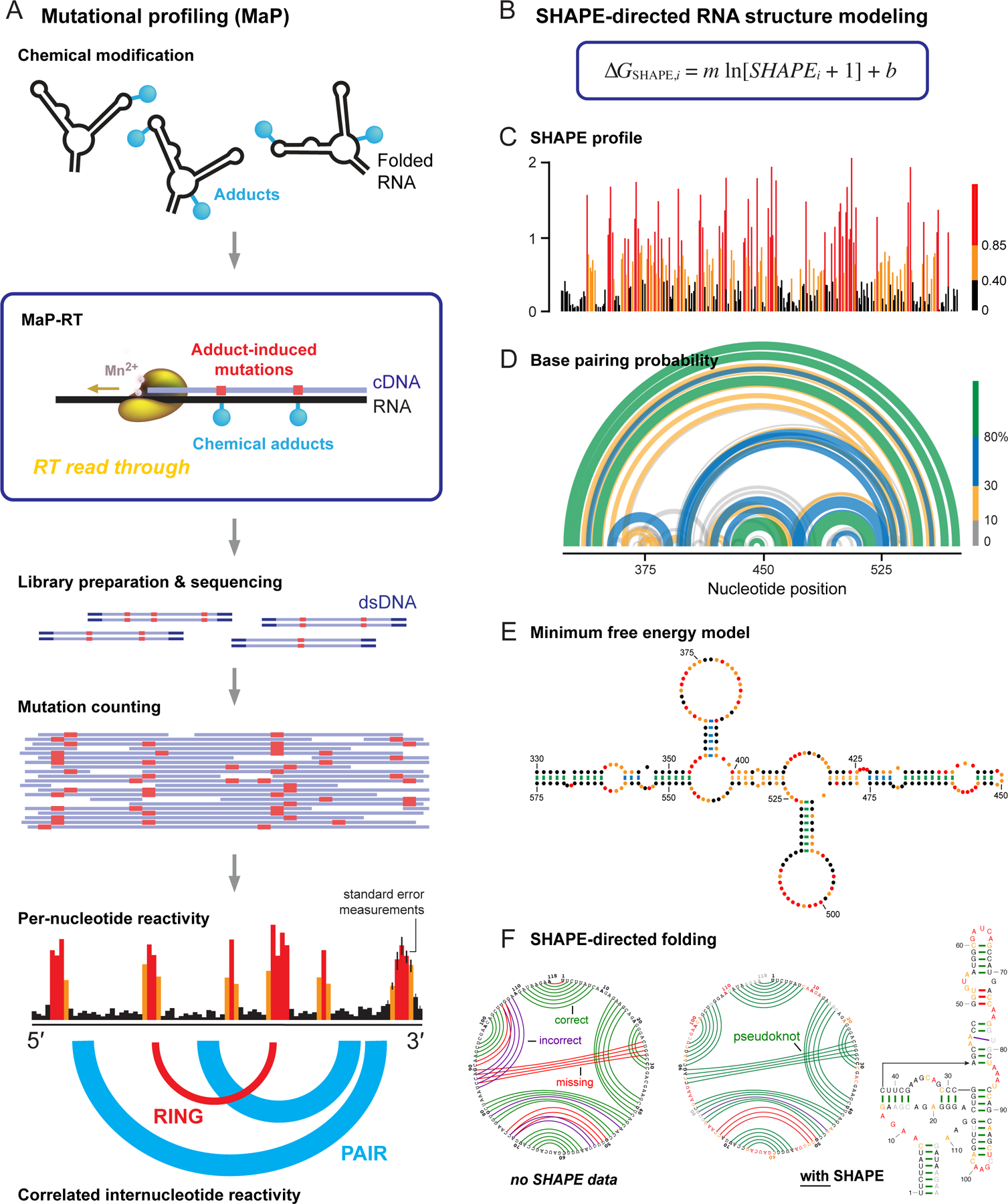
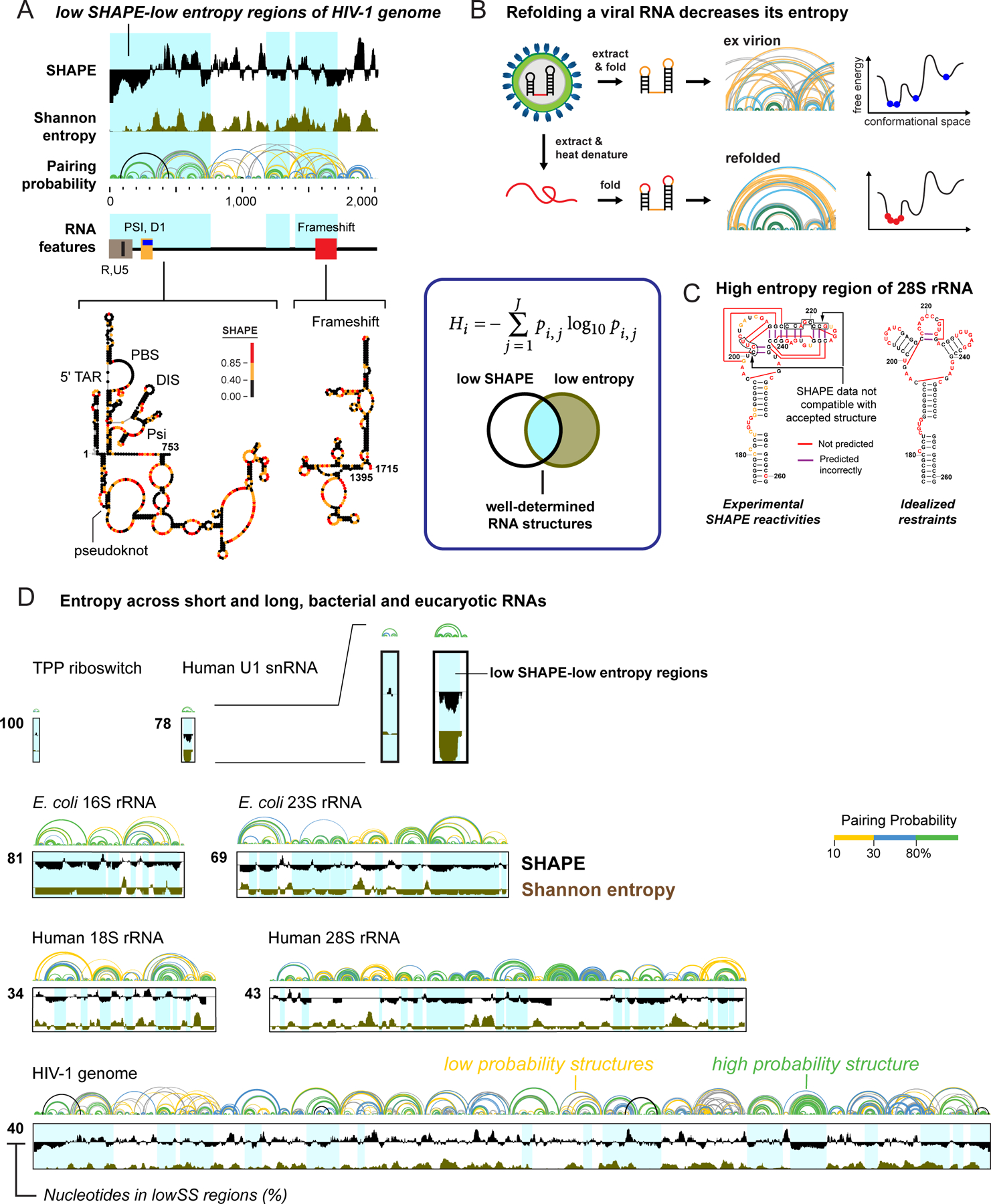
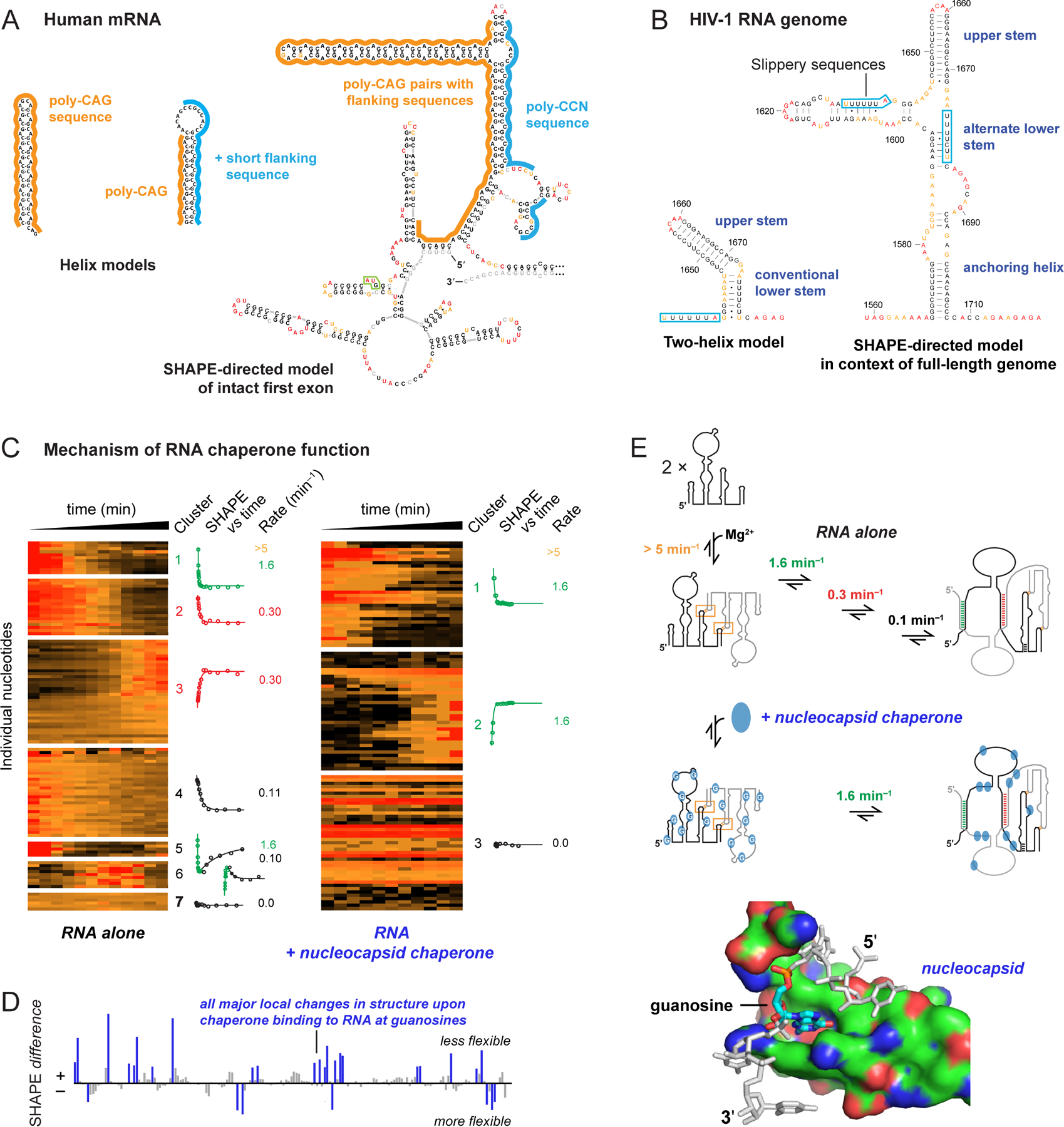
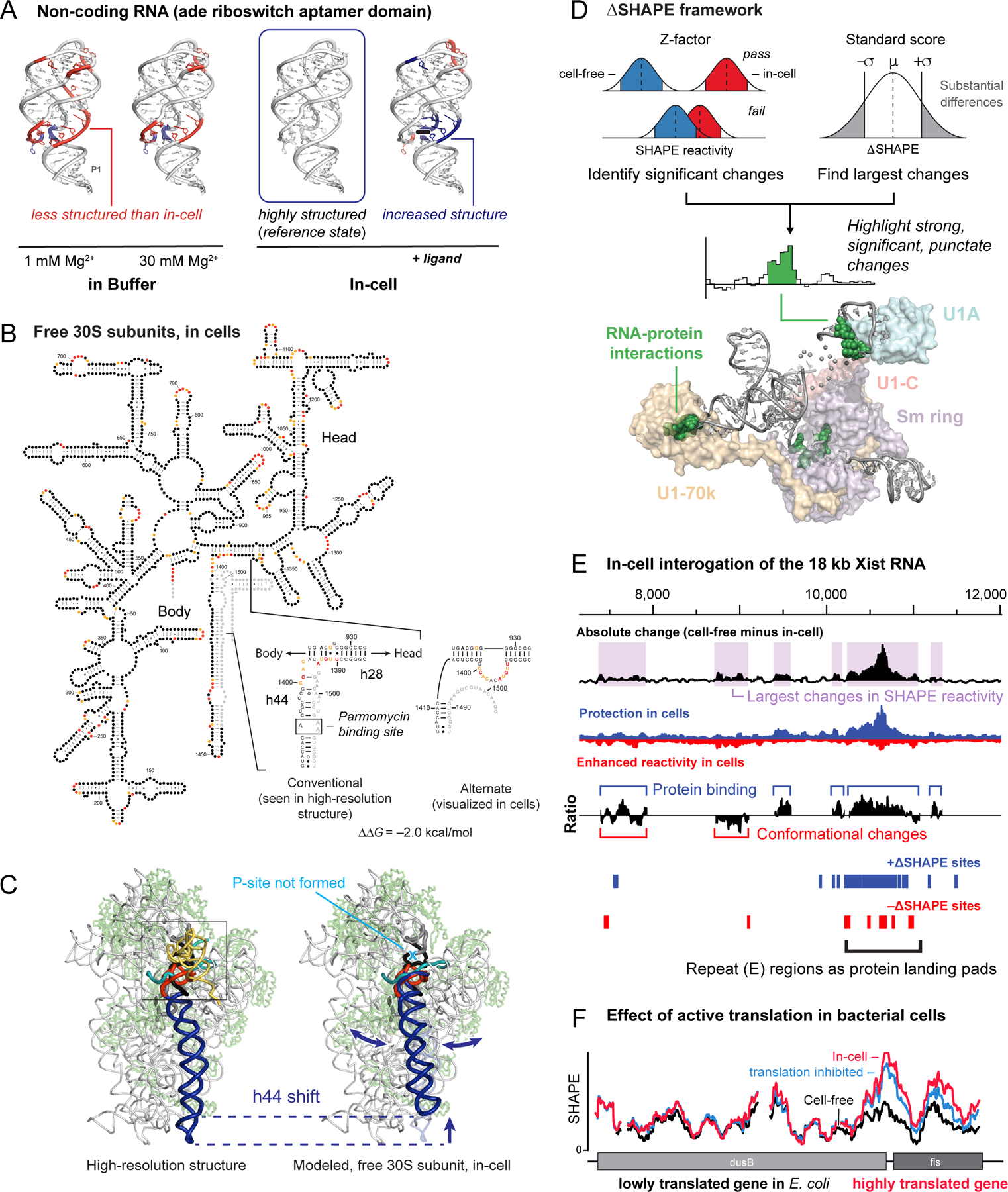
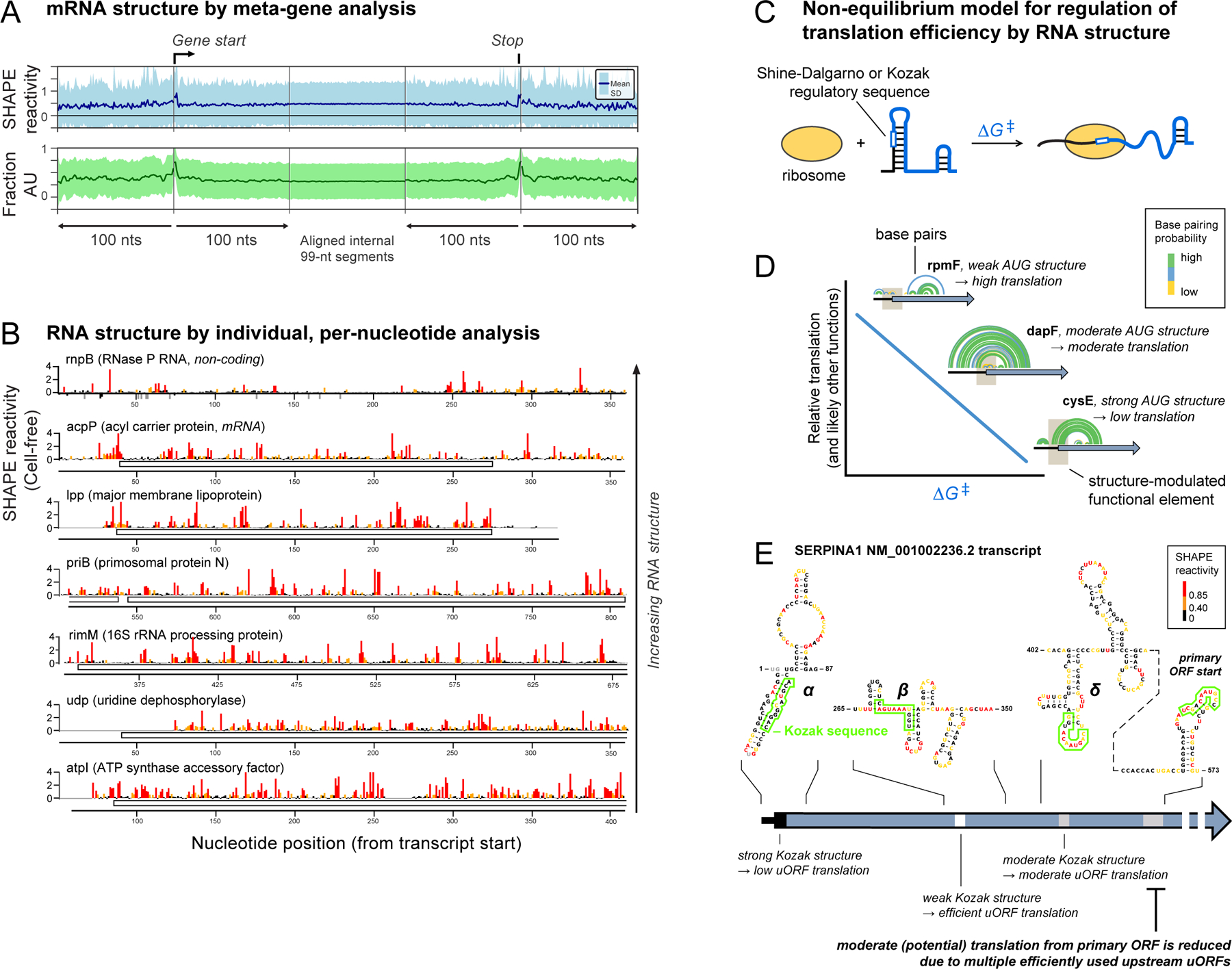
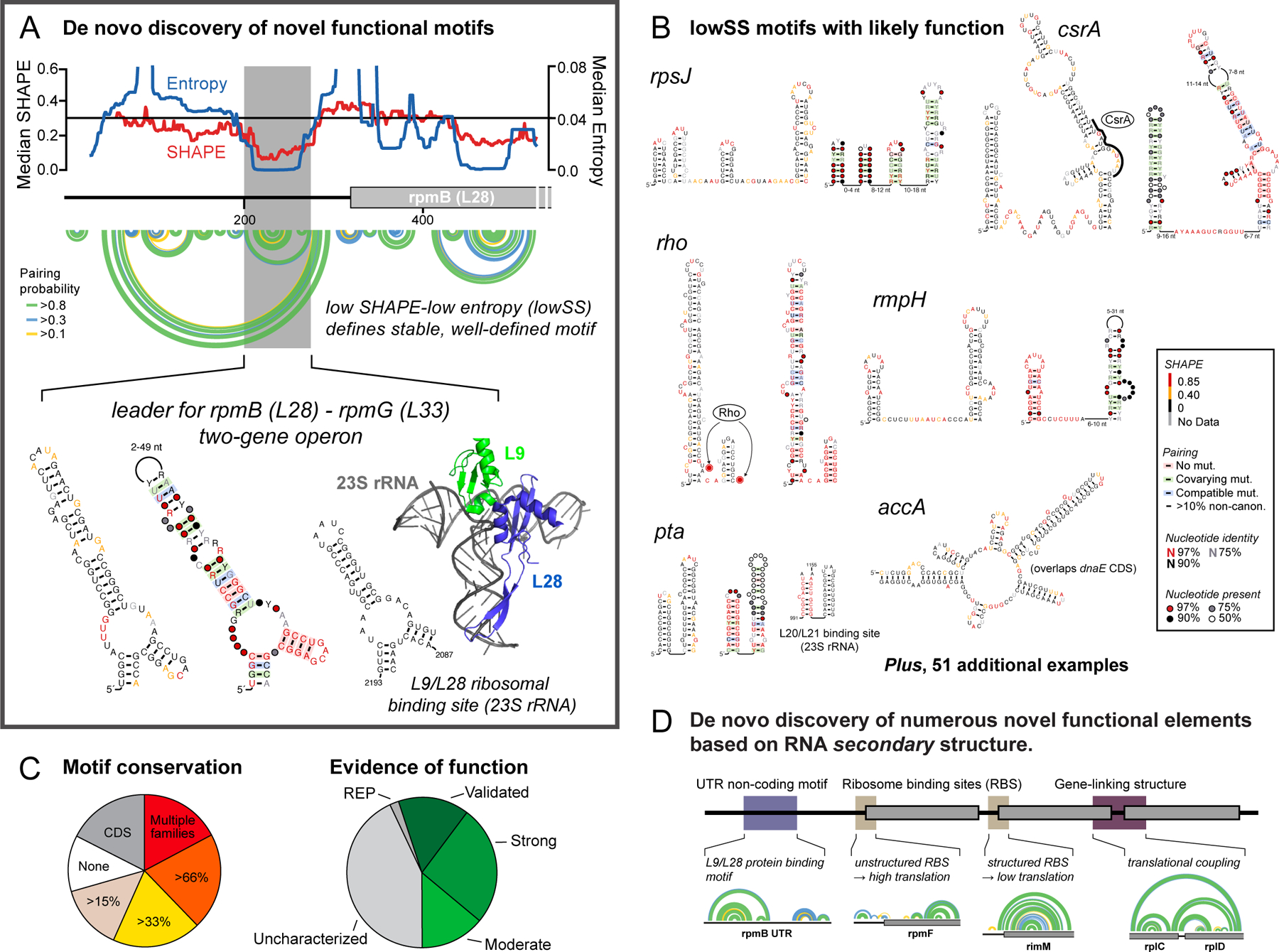
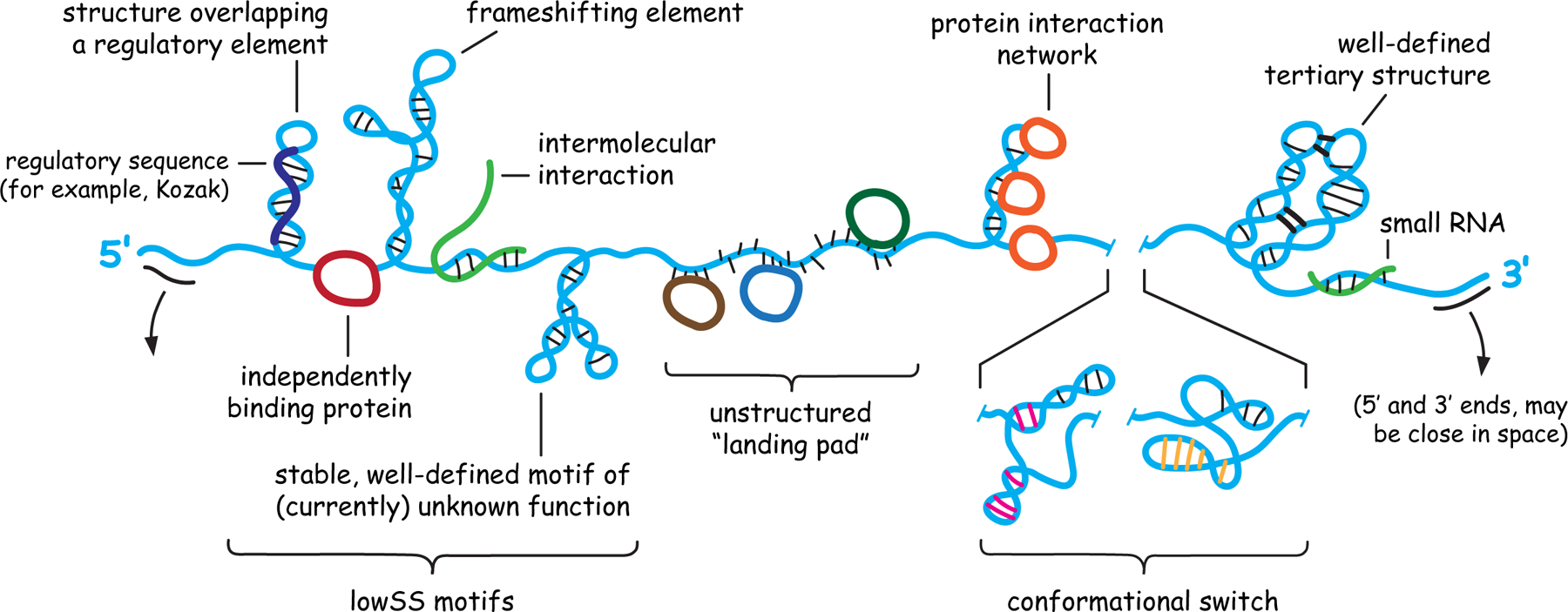
RNA lies upstream of nearly all biology and functions as the central conduit of information exchange in all cells. RNA molecules encode information both in their primary sequences and in complex structures that form when an RNA folds back on itself. From the time of discovery of mRNA in the late 1950s until quite recently, we had only a rudimentary understanding of RNA structure across vast regions of most messenger and noncoding RNAs. This deficit is now rapidly being addressed, especially by selective 2'-hydroxyl acylation analyzed by primer extension (SHAPE) chemistry, mutational profiling (MaP), and closely related platform technologies that, collectively, create chemical microscopes for RNA. These technologies make it possible to interrogate RNA structure, quantitatively, at nucleotide resolution, and at large scales, for entire mRNAs, noncoding RNAs, and viral RNA genomes. By applying comprehensive structure probing to diverse problems, we and others are showing that control of biological function mediated by RNA structure is ubiquitous across prokaryotic and eukaryotic organisms.Work over the past decade using SHAPE-based analyses has clarified key principles. First, the method of RNA structure probing matters. SHAPE-MaP, with its direct and one-step readout that probes nearly every nucleotide by reaction at the 2'-hydroxyl, gives a more detailed and accurate readout than alternatives. Second, comprehensive chemical probing is essential. Focusing on fragments of large RNAs or using meta-gene or statistical analyses to compensate for sparse data sets misses critical features and often yields structure models with poor predictive power. Finally, every RNA has its own internal . There are myriad ways in which RNA structure modulates sequence accessibility, protein binding, translation, splice-site choice, phase separation, and other fundamental biological processes. In essentially every instance where we have applied rigorous and quantitative SHAPE technologies to study RNA structure-function interrelationships, new insights regarding biological regulatory mechanisms have emerged. RNA elements with more complex higher-order structures appear more likely to contain high-information-content clefts and pockets that bind small molecules, broadly informing a vigorous field of RNA-targeted drug discovery.The broad implications of this collective work are twofold. First, it is long past time to abandon depiction of large RNAs as simple noodle-like or gently flowing molecules. Instead, we need to emphasize that nearly all RNAs are punctuated with distinctive internal structures, a subset of which modulate function in profound ways. Second, structure probing should be an integral component of any effort that seeks to understand the functional nexuses and biological roles of large RNAs.
RNA 位于几乎所有生物学的上游,是所有细胞中信息交换的中心管道。RNA 分子不仅在其一级序列中,而且在自身折叠形成的复杂结构中编码信息。从 20 世纪 50 年代后期发现 mRNA 到最近,我们对大多数信使 RNA 和非编码 RNA 的大片段的 RNA 结构只有初步的了解。这种缺陷正在迅速得到解决,特别是通过选择性 2'-羟基酰化分析引物延伸(SHAPE)化学、突变分析(MaP)和密切相关的平台技术,这些技术共同为 RNA 创造了化学显微镜。这些技术使我们能够以核苷酸分辨率和大规模定量地研究整个 mRNA、非编码 RNA 和病毒 RNA 基因组的 RNA 结构。通过将全面的结构探测应用于各种问题,我们和其他人正在展示 RNA 结构介导的生物功能控制在原核和真核生物中无处不在。过去十年使用基于 SHAPE 的分析的工作已经阐明了关键原则。首先,RNA 结构探测的方法很重要。SHAPE-MaP 通过在 2'-羟基处进行反应直接一步读取,几乎可以探测到每个核苷酸,比其他方法提供更详细和准确的读数。其次,全面的化学探测是必不可少的。专注于大型 RNA 的片段或使用元基因或统计分析来补偿稀疏数据集,会错过关键特征,并且通常会产生预测能力差的结构模型。最后,每个 RNA 都有其自身的内部结构。RNA 结构调节序列可及性、蛋白质结合、翻译、剪接位点选择、相分离和其他基本生物过程的方式有无数种。在我们应用严格和定量的 SHAPE 技术研究 RNA 结构-功能相互关系的几乎所有情况下,关于生物调节机制的新见解都出现了。具有更复杂高级结构的 RNA 元件似乎更有可能包含具有高信息量的裂缝和口袋,这些裂缝和口袋可以结合小分子,广泛为 RNA 靶向药物发现这一活跃领域提供信息。这项集体工作的广泛影响有两个方面。首先,将大型 RNA 描绘为简单的面条状或柔和流动的分子的时代早已过去。相反,我们需要强调的是,几乎所有的 RNA 都有独特的内部结构,其中一部分以深刻的方式调节功能。其次,结构探测应该是任何试图理解大型 RNA 的功能枢纽和生物学作用的努力的一个组成部分。