Section of Biomolecular Medicine; National Centre for Genomic Technology, King Abdulaziz City for Science and Technology, KACST, Riyadh, Saudi Arabia.
Section of Nutrition Research, Division of Digestive Diseases, Department of Metabolism, Digestion and Reproduction, Faculty of Medicine, Imperial College London, London, UK.
Toxicology. 2021 Jun 15;457:152806. doi: 10.1016/j.tox.2021.152806. Epub 2021 May 4.
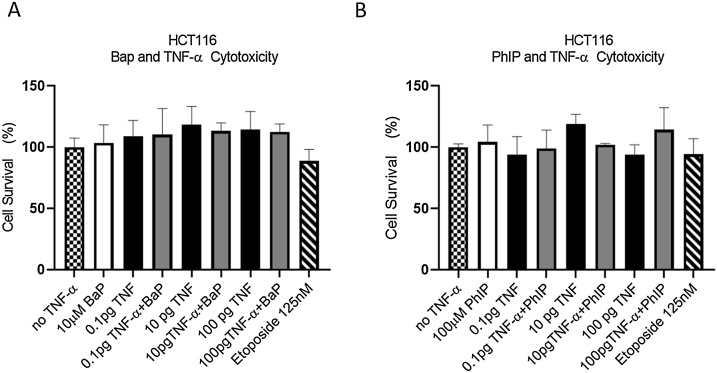
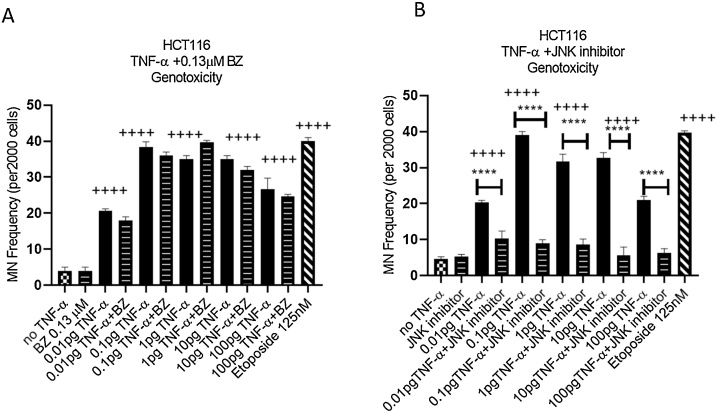
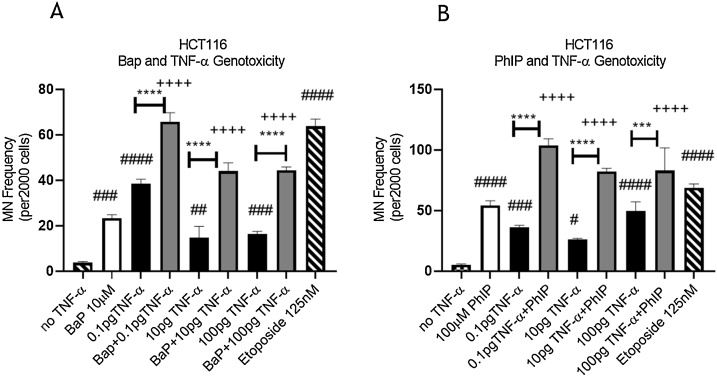
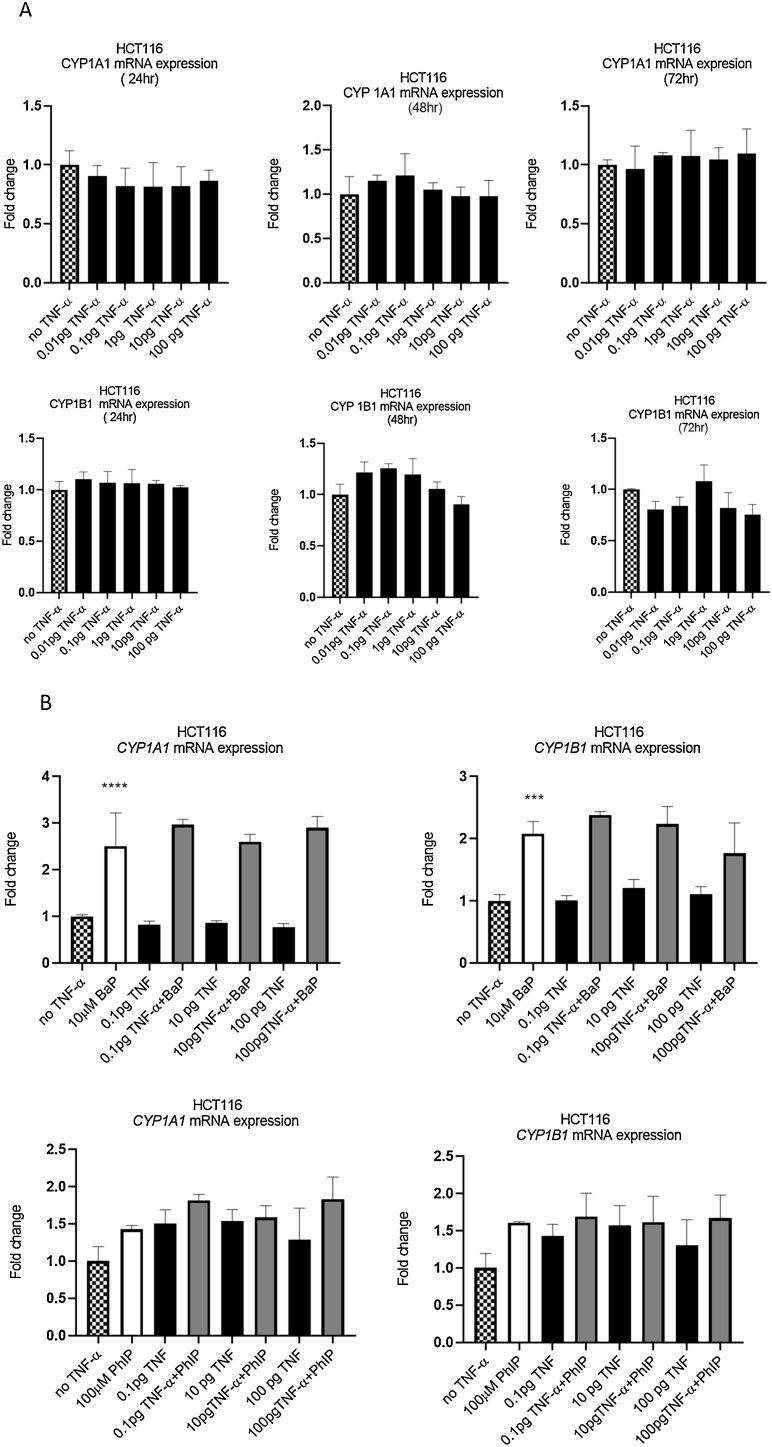
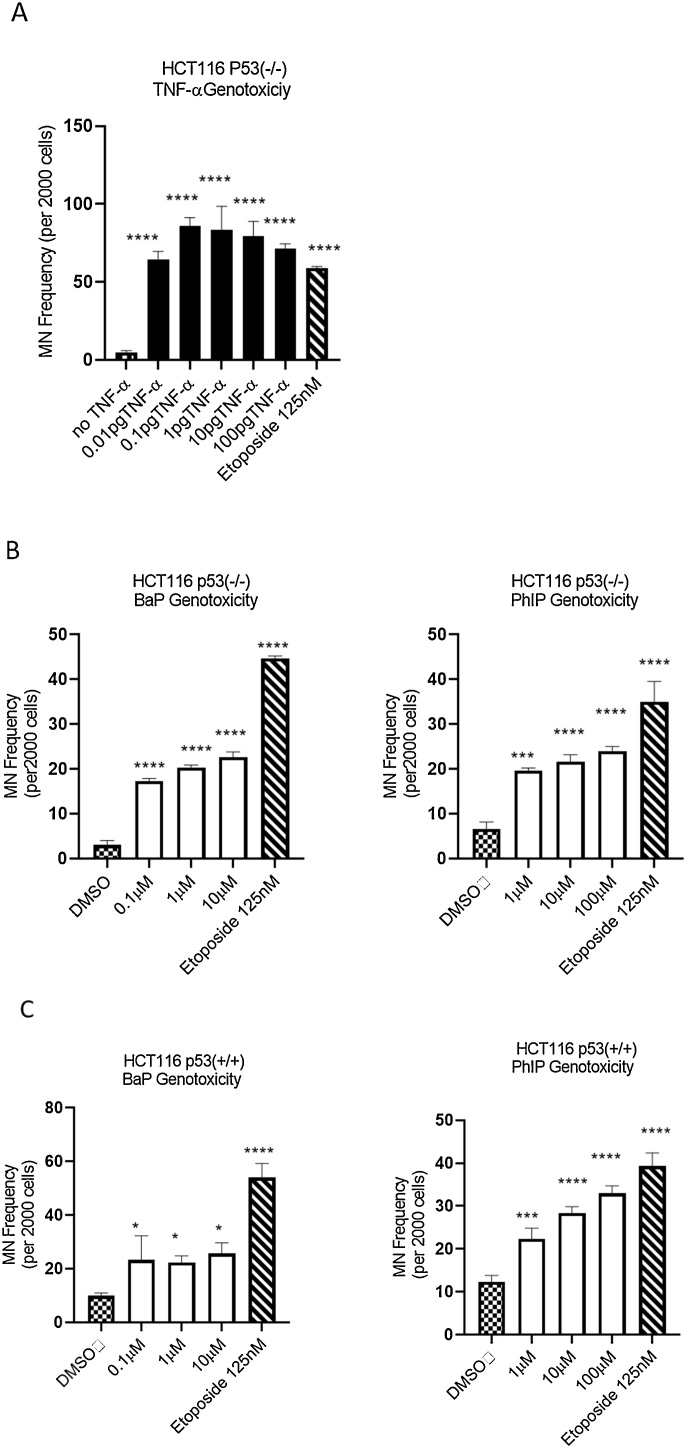
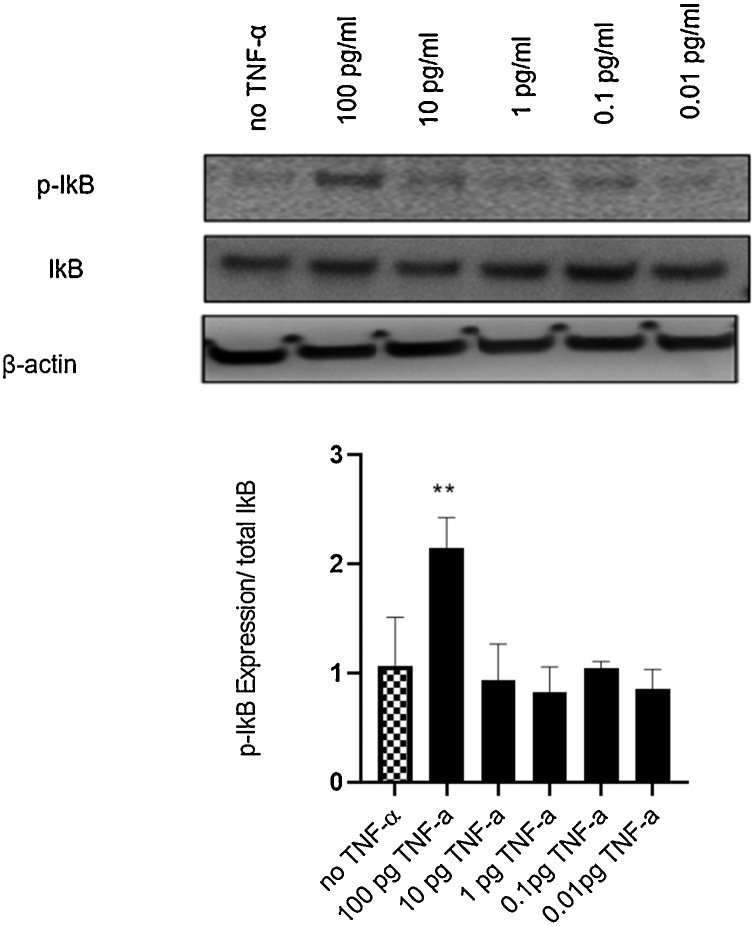
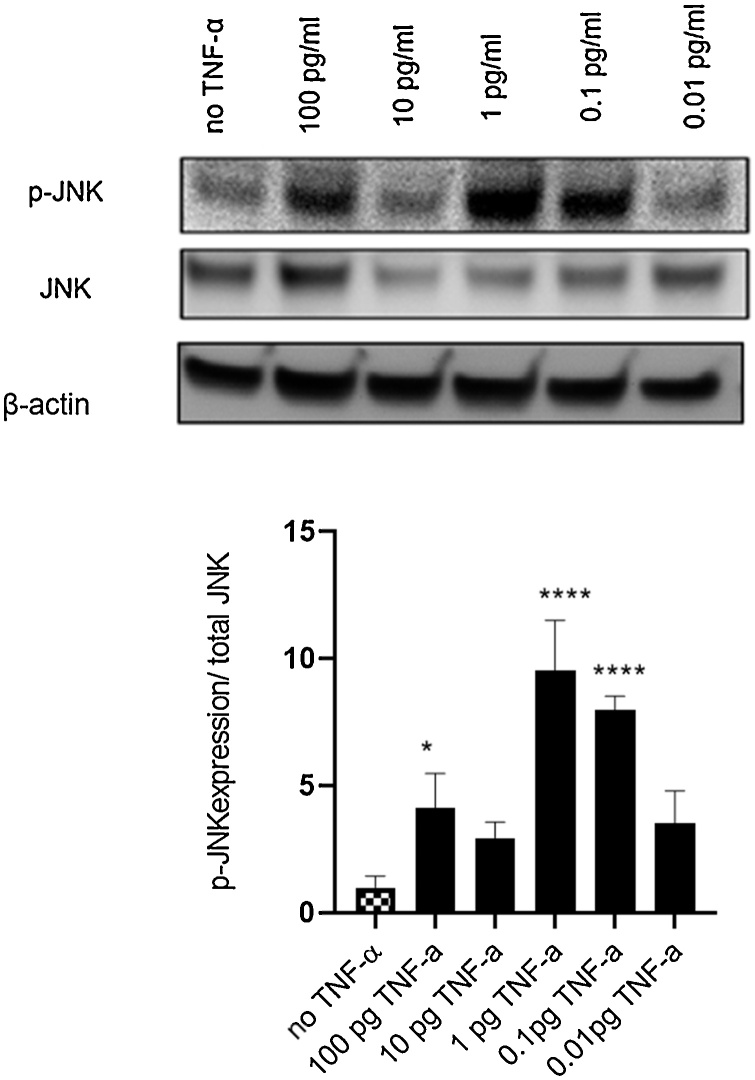
Colorectal cancer (CRC) is the third most common cancer worldwide and the second leading cause of cancer death. Benzo[a]pyrene (BaP) and 2-amino-1-methyl-6-phenylimidazol [4,5-b] pyridine (PhIP) present in cooked meat are pro-carcinogens and considered to be potential risk factors for CRC. Their carcinogenic and mutagenic effects require metabolic activation primarily by cytochrome P450 1 family enzymes (CYPs); the expression of these enzymes can be modulated by aryl hydrocarbon receptor (AhR) activation and the tumour microenvironment, involving mediators of inflammation. In this study, we hypothesized that tumour necrosis factor-α (TNF-α), a key mediator of inflammation, modulates BaP- and PhIP-induced DNA damage in colon cancer epithelial cells. Importantly, we observed that TNF-α alone (0.1-100 pg/ml) induced DNA damage (micronuclei formation) in HCT-116 cells and co-treatment of TNF-α with BaP or PhIP showed higher levels of DNA damage compared to the individual single treatments. TNF-α alone or in combination with BaP or PhIP did not affect the expression levels of CYP1A1 and CYP1B1 (target genes of AhR signaling pathways). The DNA damage induced by TNF-α was elevated in p53 null HTC-116 cells compared to wild type cells, suggesting that TNF-α-induced DNA damage is suppressed by functional p53. In contrast, p53 status failed to affect BaP and PhIP induced micronucleus frequency. Furthermore, JNK and NF-κB signaling pathway were activated by TNF-α treatment but only inhibition of JNK significantly reduced TNF-α-induced DNA damage. Collectively, these findings suggest that TNF-α induced DNA damage involves JNK signaling pathway rather than AhR and NF-κB pathways in colon cancer epithelial cells.
结直肠癌(CRC)是全球第三大常见癌症,也是癌症死亡的第二大主要原因。存在于熟肉中的苯并[a]芘(BaP)和 2-氨基-1-甲基-6-苯基咪唑[4,5-b]吡啶(PhIP)是前致癌物质,被认为是 CRC 的潜在危险因素。它们的致癌和致突变作用需要主要由细胞色素 P450 1 家族酶(CYPs)代谢激活;这些酶的表达可以通过芳香烃受体(AhR)激活和肿瘤微环境来调节,涉及炎症介质。在这项研究中,我们假设肿瘤坏死因子-α(TNF-α),一种炎症的关键介质,调节结肠癌细胞上皮中 BaP 和 PhIP 诱导的 DNA 损伤。重要的是,我们观察到 TNF-α 单独(0.1-100 pg/ml)诱导 HCT-116 细胞中的 DNA 损伤(微核形成),并且 TNF-α 与 BaP 或 PhIP 的共同处理显示出比单独单个处理更高水平的 DNA 损伤。TNF-α 单独或与 BaP 或 PhIP 联合使用均不影响 CYP1A1 和 CYP1B1(AhR 信号通路的靶基因)的表达水平。与野生型细胞相比,p53 缺失的 HTC-116 细胞中 TNF-α 诱导的 DNA 损伤增加,表明 TNF-α 诱导的 DNA 损伤受到功能性 p53 的抑制。相反,p53 状态未能影响 BaP 和 PhIP 诱导的微核频率。此外,TNF-α 处理激活了 JNK 和 NF-κB 信号通路,但仅抑制 JNK 可显著降低 TNF-α 诱导的 DNA 损伤。总之,这些发现表明 TNF-α 诱导的 DNA 损伤涉及结肠癌上皮细胞中的 JNK 信号通路,而不是 AhR 和 NF-κB 通路。