Li Yingbo, Yang Jie, Sun Xilin
National Health Commission and Chinese Academy of Medical Sciences Key Laboratory of Molecular Probe and Targeted Theranostics, Molecular Imaging Research Center (MIRC), Harbin Medical University, Harbin, China.
Department of Nuclear Medicine, The Fourth Hospital of Harbin Medical University, Harbin, China.
Front Chem. 2021 Apr 22;9:650587. doi: 10.3389/fchem.2021.650587. eCollection 2021.
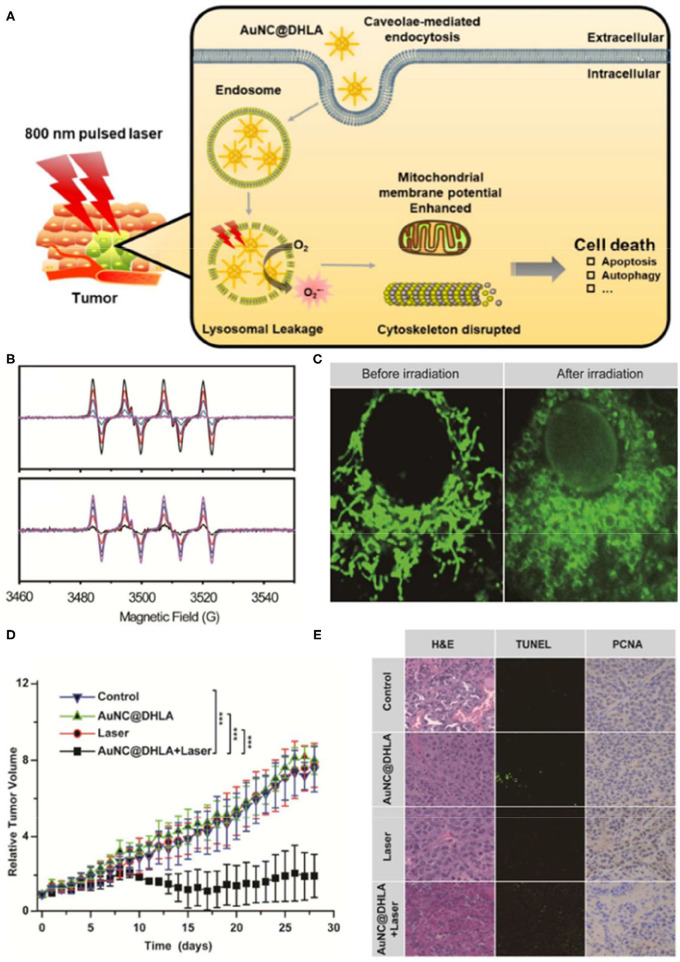
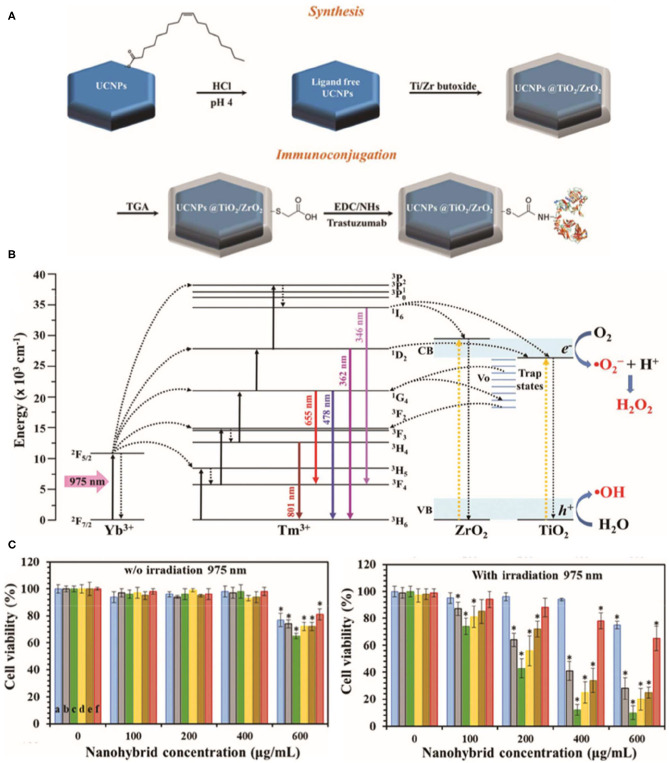
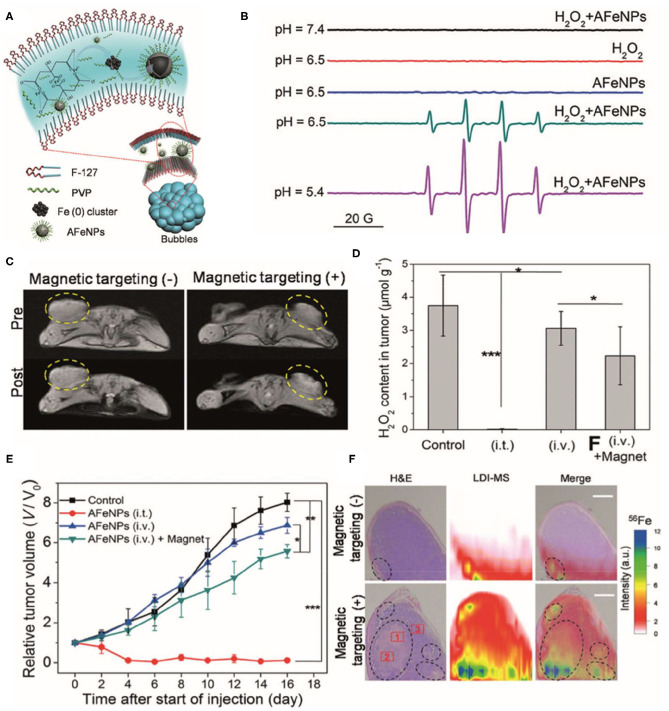
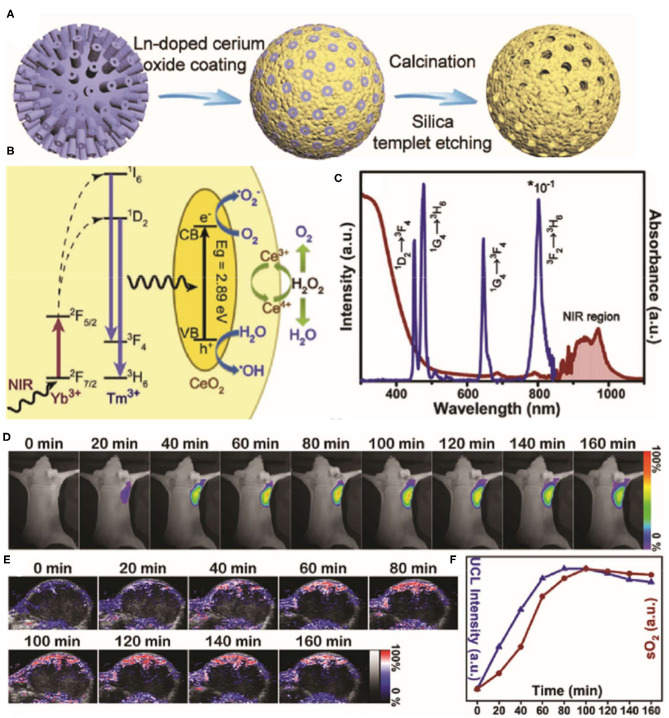
Nanotechnology advances in cancer therapy applications have led to the development of nanomaterials that generate cytotoxic reactive oxygen species (ROS) specifically in tumor cells. ROS act as a double-edged sword, as they can promote tumorigenesis and proliferation but also trigger cell death by enhancing intracellular oxidative stress. Various nanomaterials function by increasing ROS production in tumor cells and thereby disturbing their redox balance, leading to lipid peroxidation, and oxidative damage of DNA and proteins. In this review, we outline these mechanisms, summarize recent progress in ROS-based nanomaterials, including metal-based nanoparticles, organic nanomaterials, and chemotherapy drug-loaded nanoplatforms, and highlight their biomedical applications in cancer therapy as drug delivery systems (DDSs) or in combination with chemodynamic therapy (CDT), photodynamic therapy (PDT), or sonodynamic therapy (SDT). Finally, we discuss the advantages and limitations of current ROS-mediated nanomaterials used in cancer therapy and speculate on the future progress of this nanotechnology for oncological applications.
纳米技术在癌症治疗应用方面的进展促使了纳米材料的开发,这些纳米材料能够在肿瘤细胞中特异性地产生细胞毒性活性氧(ROS)。ROS犹如一把双刃剑,因为它们既能促进肿瘤发生和增殖,也能通过增强细胞内氧化应激引发细胞死亡。各种纳米材料通过增加肿瘤细胞中的ROS生成来发挥作用,从而扰乱其氧化还原平衡,导致脂质过氧化以及DNA和蛋白质的氧化损伤。在本综述中,我们概述了这些机制,总结了基于ROS的纳米材料的最新进展,包括金属基纳米颗粒、有机纳米材料以及载化疗药物的纳米平台,并强调了它们作为药物递送系统(DDS)或与化学动力疗法(CDT)、光动力疗法(PDT)或声动力疗法(SDT)联合用于癌症治疗的生物医学应用。最后,我们讨论了当前用于癌症治疗的ROS介导纳米材料的优缺点,并推测了这种纳米技术在肿瘤学应用方面的未来进展。