Seow Justine Jia Wen, Pai Rhea, Mishra Archita, Shepherdson Edwin, Lim Tony Kiat Hon, Goh Brian K P, Chan Jerry K Y, Chow Pierce K H, Ginhoux Florent, DasGupta Ramanuj, Sharma Ankur
Genome Institute of Singapore, Agency for Science, Technology and Research, Singapore, Singapore.
Singapore Immunology Network (SIgN), Agency for Science, Technology and Research, Singapore, Singapore.
Front Med (Lausanne). 2021 Apr 22;8:603374. doi: 10.3389/fmed.2021.603374. eCollection 2021.
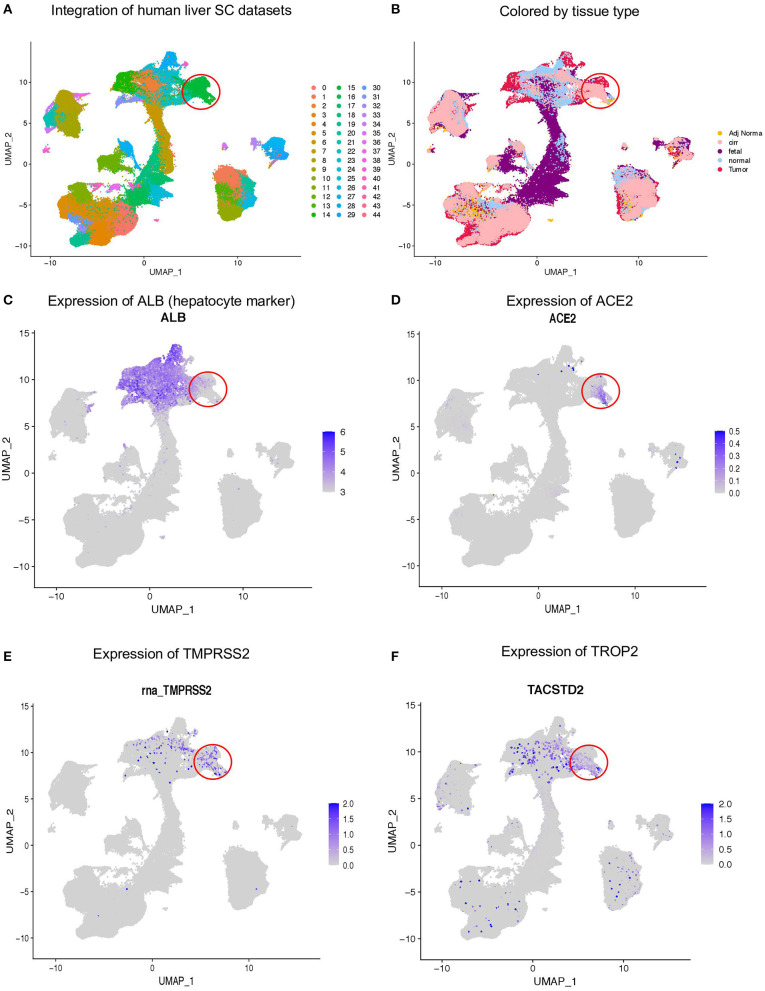
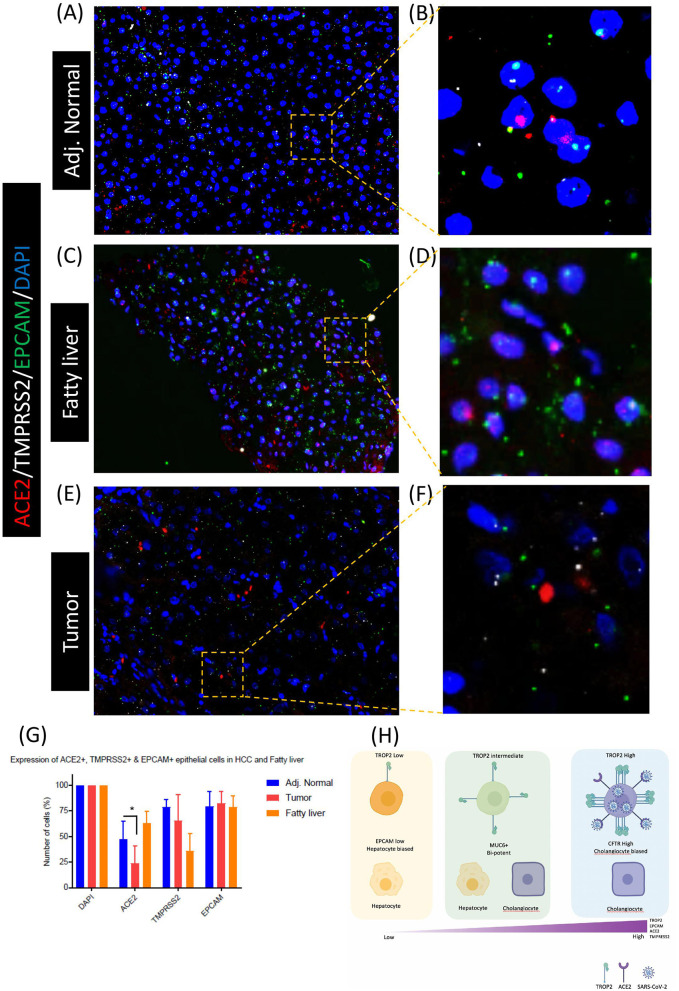
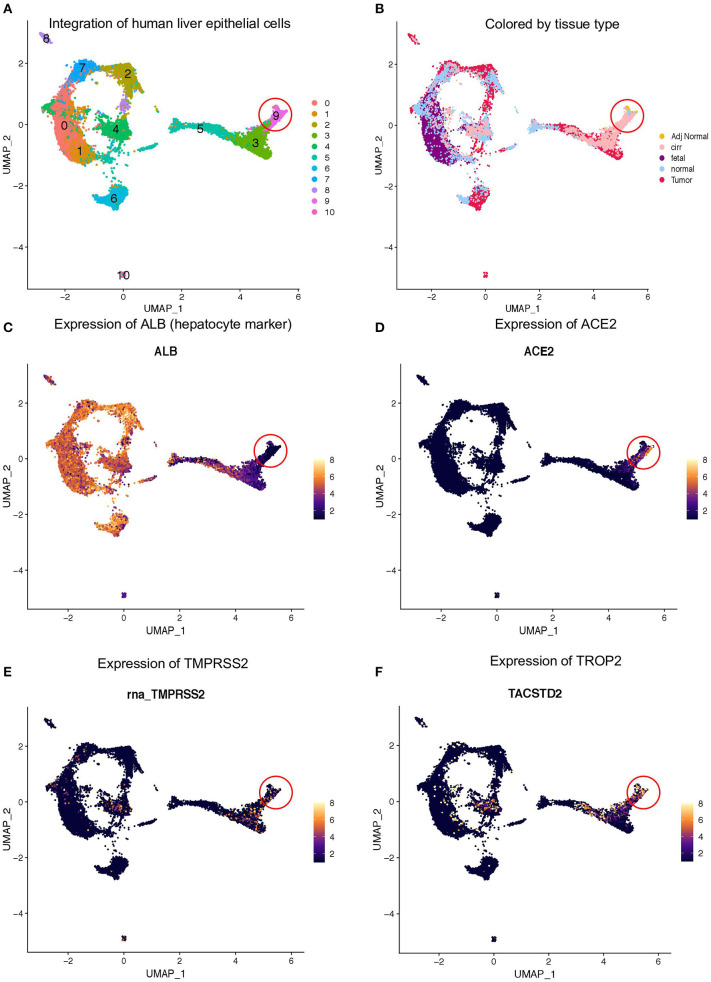
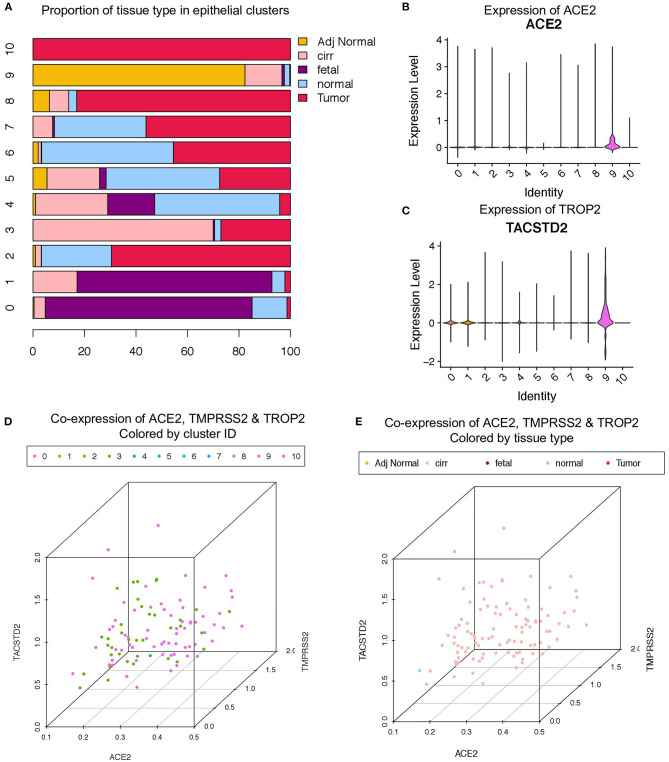
The recent coronavirus disease 2019 (COVID-19) pandemic is caused by severe acute respiratory syndrome coronavirus 2. COVID-19 was first reported in China (December 2019) and is now prevalent across the globe. Entry of severe acute respiratory syndrome coronavirus 2 into mammalian cells requires the binding of viral Spike (S) proteins to the angiotensin-converting enzyme 2 receptor. Once entered, the S protein is primed by a specialized serine protease, transmembrane serine protease 2 in the host cell. Importantly, besides the respiratory symptoms that are consistent with other common respiratory virus infections when patients become viremic, a significant number of COVID-19 patients also develop liver comorbidities. We explored whether a specific target cell-type in the mammalian liver could be implicated in disease pathophysiology other than the general deleterious response to cytokine storms. Here, we used single-cell RNA-seq to survey the human liver and identified potentially implicated liver cell-type for viral ingress. We analyzed ~300,000 single cells across five different (i.e., human fetal, healthy, cirrhotic, tumor, and adjacent normal) liver tissue types. This study reports on the co-expression of angiotensin-converting enzyme 2 and transmembrane serine protease 2 in a TROP2 liver progenitor population. Importantly, we detected enrichment of this cell population in the cirrhotic liver when compared with tumor tissue. These results indicated that in COVID-19-associated liver dysfunction and cell death, a viral infection of TROP2 progenitors in the liver might significantly impair liver regeneration in patients with liver cirrhosis.
最近的2019冠状病毒病(COVID-19)大流行是由严重急性呼吸综合征冠状病毒2引起的。COVID-19于2019年12月在中国首次报告,目前在全球流行。严重急性呼吸综合征冠状病毒2进入哺乳动物细胞需要病毒刺突(S)蛋白与血管紧张素转换酶2受体结合。一旦进入,S蛋白在宿主细胞中由一种特殊的丝氨酸蛋白酶——跨膜丝氨酸蛋白酶2进行预处理。重要的是,当患者出现病毒血症时,除了与其他常见呼吸道病毒感染一致的呼吸道症状外,大量COVID-19患者还会出现肝脏合并症。我们探讨了哺乳动物肝脏中特定的靶细胞类型是否可能与疾病病理生理学有关,而不仅仅是对细胞因子风暴的一般有害反应。在这里,我们使用单细胞RNA测序来研究人类肝脏,并确定了可能与病毒侵入有关的肝细胞类型。我们分析了五种不同(即人类胎儿、健康、肝硬化、肿瘤和相邻正常)肝脏组织类型中的约30万个单细胞。这项研究报告了血管紧张素转换酶2和跨膜丝氨酸蛋白酶2在TROP2肝脏祖细胞群体中的共表达。重要的是,与肿瘤组织相比,我们在肝硬化肝脏中检测到了该细胞群体的富集。这些结果表明,在COVID-19相关的肝功能障碍和细胞死亡中,肝脏中TROP2祖细胞的病毒感染可能会显著损害肝硬化患者的肝脏再生。