Wong Chui King, Jaafar Mohd Johar
Department of Emergency Medicine, Faculty of Medicine, Universiti Kebangsaan Malaysia Medical Centre, Kuala Lumpur, Malaysia.
Turk J Emerg Med. 2021 Feb 12;21(2):86-89. doi: 10.4103/2452-2473.309138. eCollection 2021 Apr-Jun.
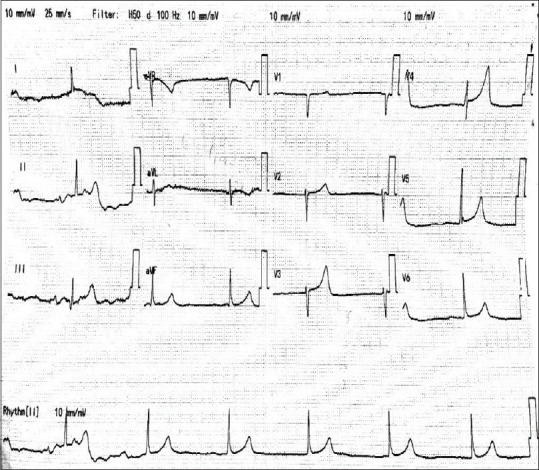
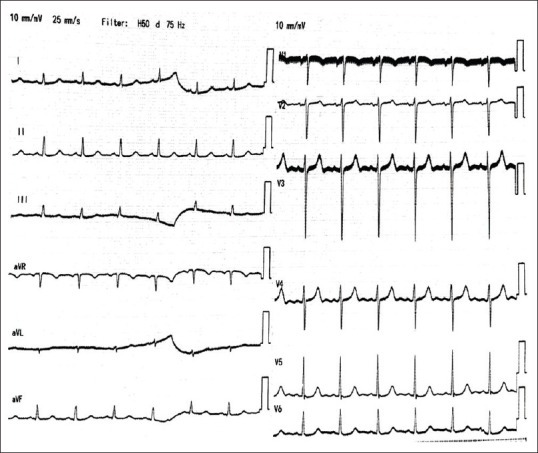
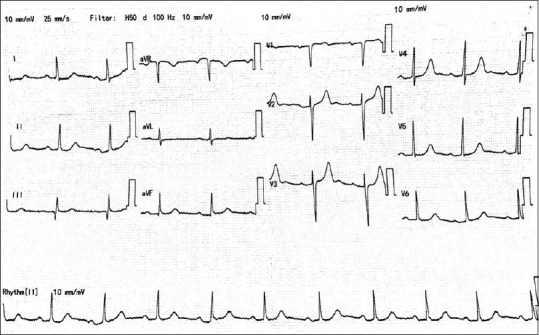
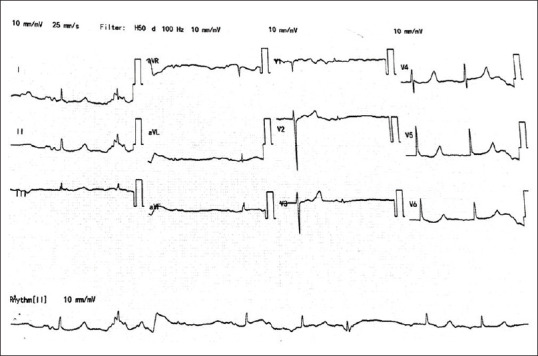
BRASH syndrome is a syndrome characterized by bradycardia, renal failure, usage of atrioventricular (AV) nodal blocker, shock, and hyperkalemia (BRASH). It is more common among patients with multiple comorbidities such as cardiac disease, kidney dysfunction, and hypertension requiring AV nodal blockers. Cardiac conduction abnormalities are frequently caused by severe hyperkalemia. However, it may also occur in mild-to-moderate hyperkalemia with concomitant use of AV nodal blockers due to the synergistic effects between these two factors in the presence of renal insufficiency. It is essential for the physician to identify BRASH syndrome as the treatment may differ from standard advanced cardiovascular life support (ACLS) protocol. We report the two cases of patient who presented with BRASH syndrome who failed to respond to standard ACLS protocol.
BRASH综合征是一种以心动过缓、肾衰竭、使用房室结阻滞剂、休克和高钾血症(BRASH)为特征的综合征。在患有多种合并症的患者中更为常见,如心脏病、肾功能不全和需要使用房室结阻滞剂的高血压患者。心脏传导异常常由严重高钾血症引起。然而,在肾功能不全的情况下,由于这两个因素的协同作用,在轻度至中度高钾血症并同时使用房室结阻滞剂时也可能发生。医生识别BRASH综合征至关重要,因为其治疗可能与标准的高级心血管生命支持(ACLS)方案不同。我们报告了两例出现BRASH综合征且对标准ACLS方案无反应的患者。