Prabhu Vishaal, Hsu Edmund, Lestin Stephan, Soltanianzadeh Yasamin, Hadi Sara
Emergency Medicine, Mount Sinai St. Luke's - Roosevelt Hospital Center, New York City, USA.
School of Medicine, University of Rochester School of Medicine and Dentistry, Rochester, USA.
Cureus. 2020 Apr 24;12(4):e7816. doi: 10.7759/cureus.7816.
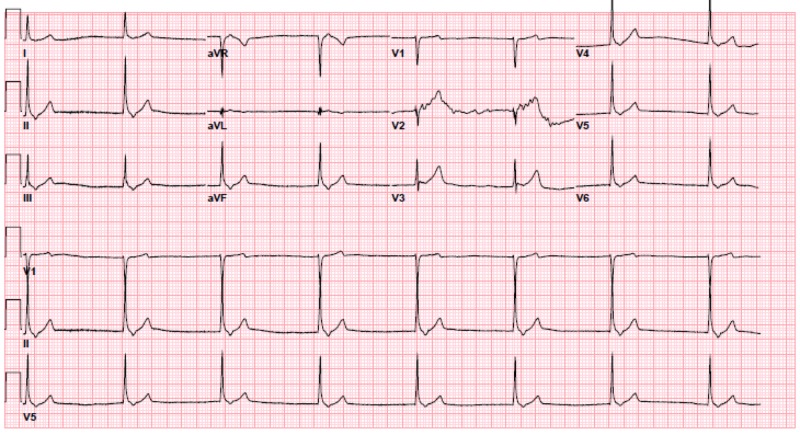
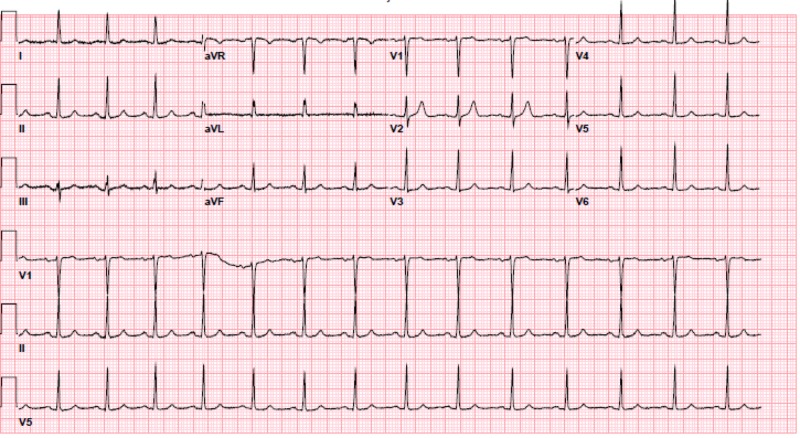
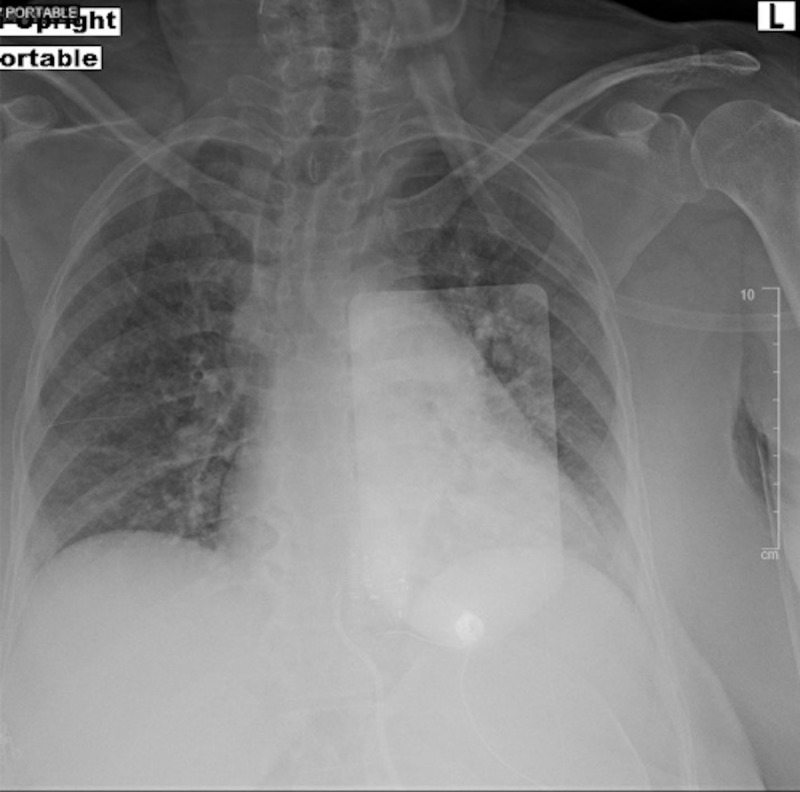
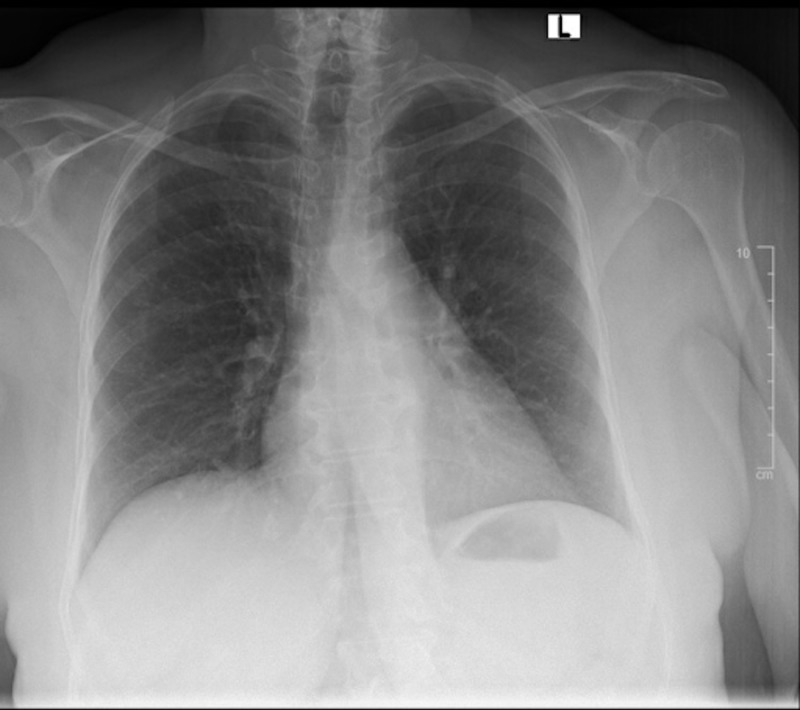
The novel coronavirus disease 2019 (COVID-19) has led to a global pandemic. While acute respiratory failure has been the predominant concern, there have been reports of other end-organ damage such as renal failure. We report a case of an elderly woman who presented with BRASH syndrome, a constellation of bradycardia, renal failure, atrioventricular (AV) nodal blockade, shock, and hyperkalemia (BRASH), which was likely triggered by COVID-19.
2019年新型冠状病毒病(COVID-19)已引发全球大流行。虽然急性呼吸衰竭一直是主要关注点,但也有其他终末器官损害的报告,如肾衰竭。我们报告一例老年女性病例,该患者表现为BRASH综合征,这是一种由心动过缓、肾衰竭、房室结阻滞、休克和高钾血症组成的综合征(BRASH),可能由COVID-19引发。