Department of Respiratory and Critical Care Medicine, The First Affiliated Hospital of Xi'an Jiao Tong University, No. 277, Yanta West Road, Xi'an, 710061, Shaanxi, China.
Department of Talent Highland, The First Affiliated Hospital of Xi'an Jiao Tong University, No. 277, Yanta West Road, Xi'an, 710061, Shaanxi, China.
BMC Med Genomics. 2021 Dec 3;14(1):286. doi: 10.1186/s12920-021-01133-4.
Non-small cell lung cancer (NSCLC) is the most prevalent type of lung carcinoma with an unfavorable prognosis. Ferroptosis is involved in the development of multiple cancers. Whereas, the prognostic value of ferroptosis-related lncRNAs in NSCLC remains uncertain.
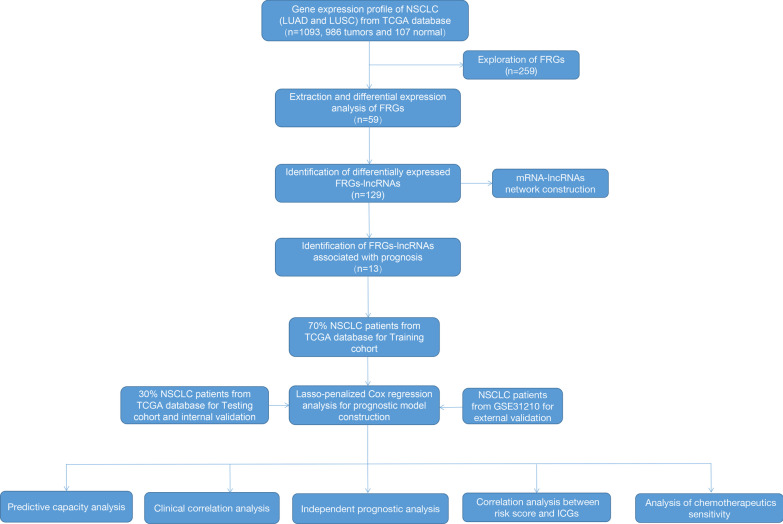
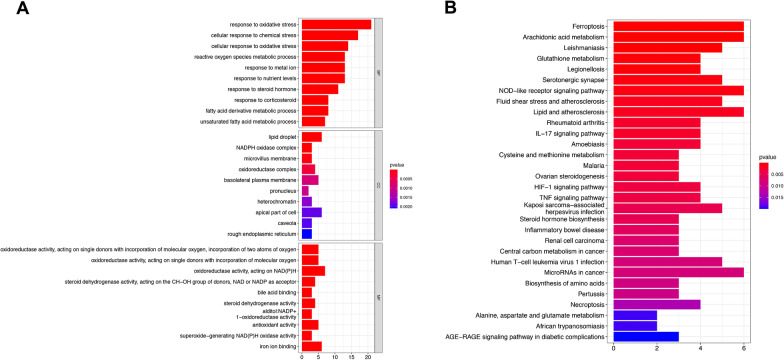
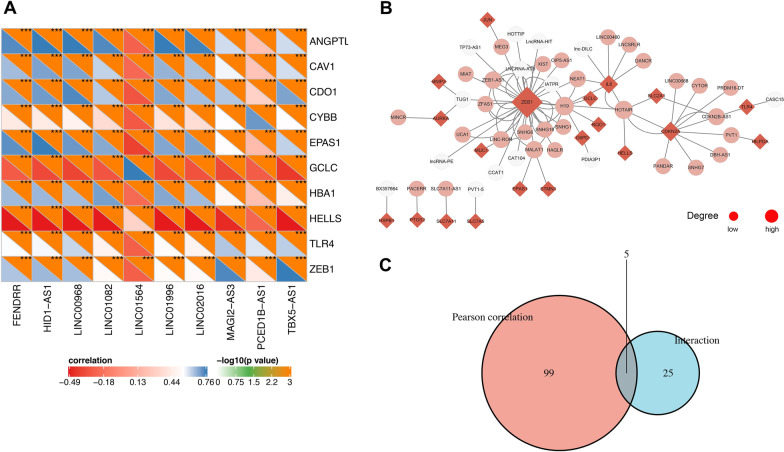
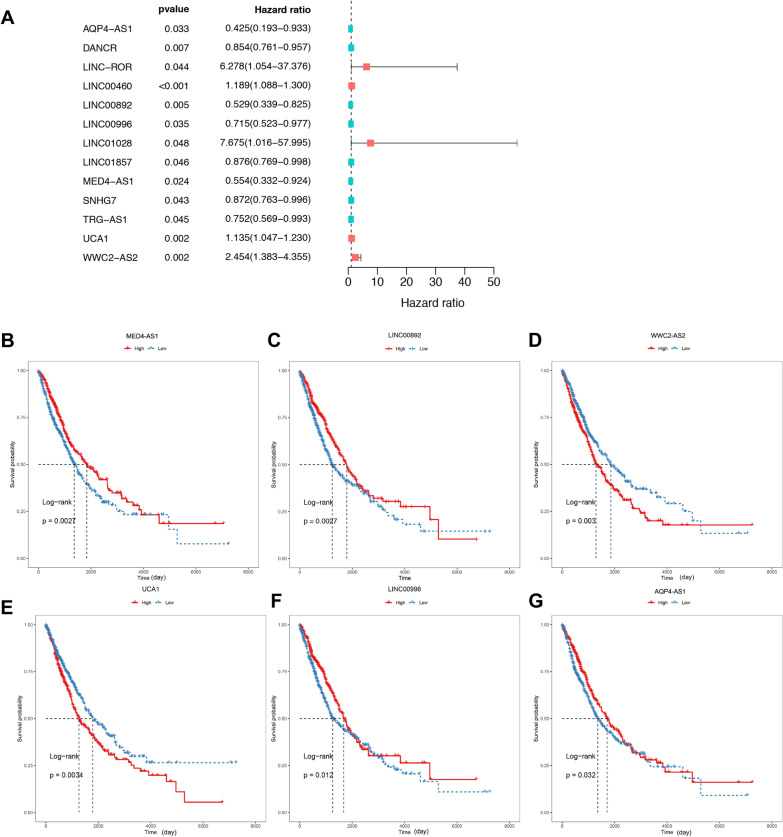
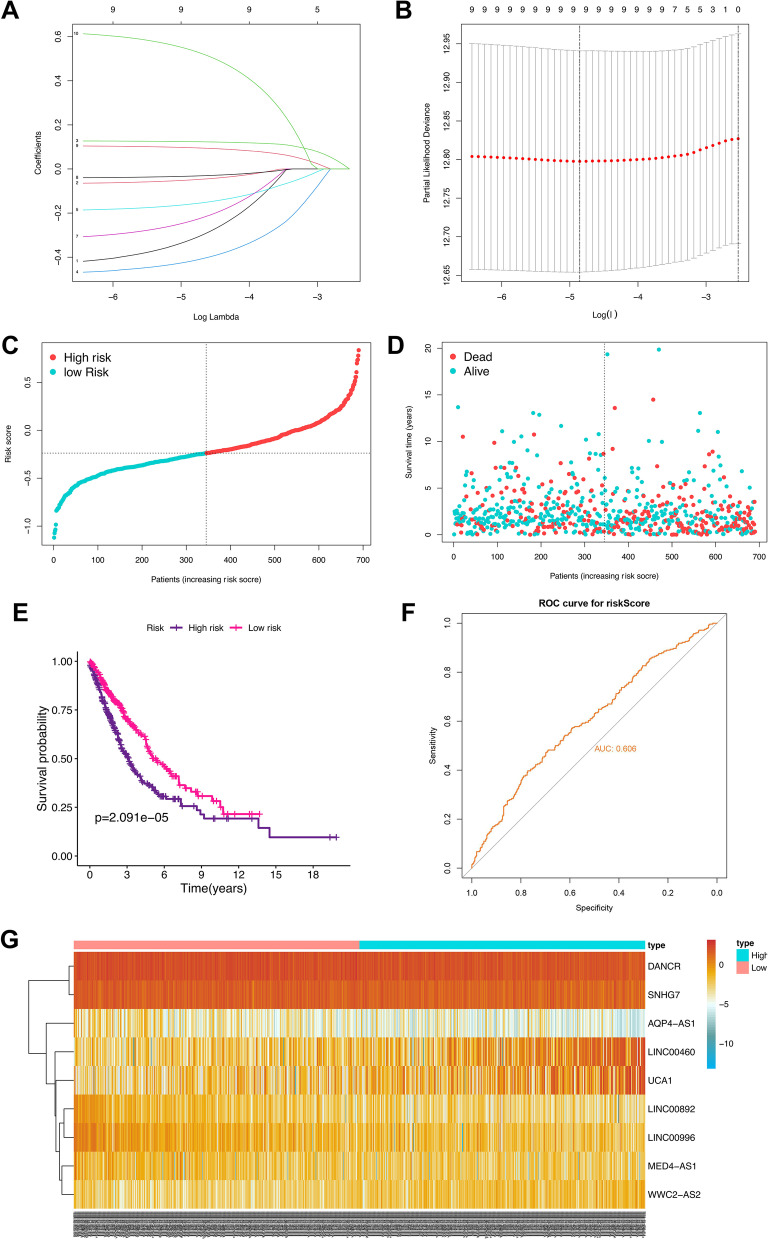
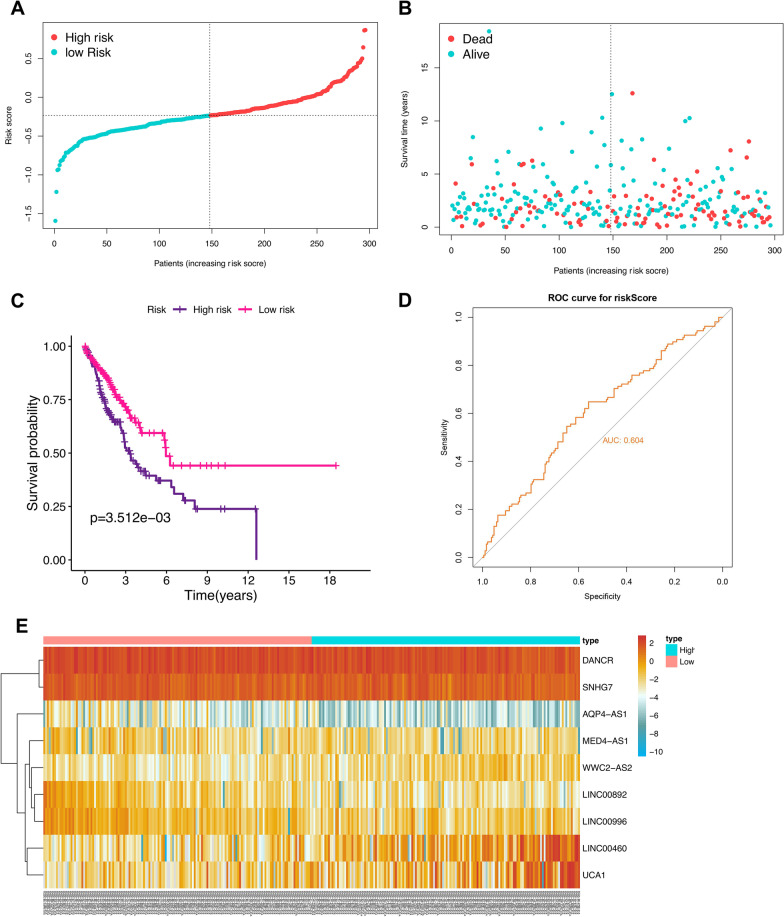
Gene expression profiles and clinical information of NSCLC were retrieved from the TCGA database. Ferroptosis-related genes (FRGs) were explored in the FerrDb database and previous studies, ferroptosis-related lncRNAs (FRGs-lncRNAs) were identified by the correlation analysis and the LncTarD database. The differentially expressed FRGs-lncRNAs were screened and FRGs-lncRNAs associated with the prognosis were explored by univariate Cox regression analysis and Kaplan-Meier survival analysis. Then, an FRGs-lncRNAs signature was constructed and verified by the Lasso-penalized Cox analysis. Finally, the potential correlation between risk score, immune checkpoint genes, and chemotherapeutic sensitivity was further investigated.
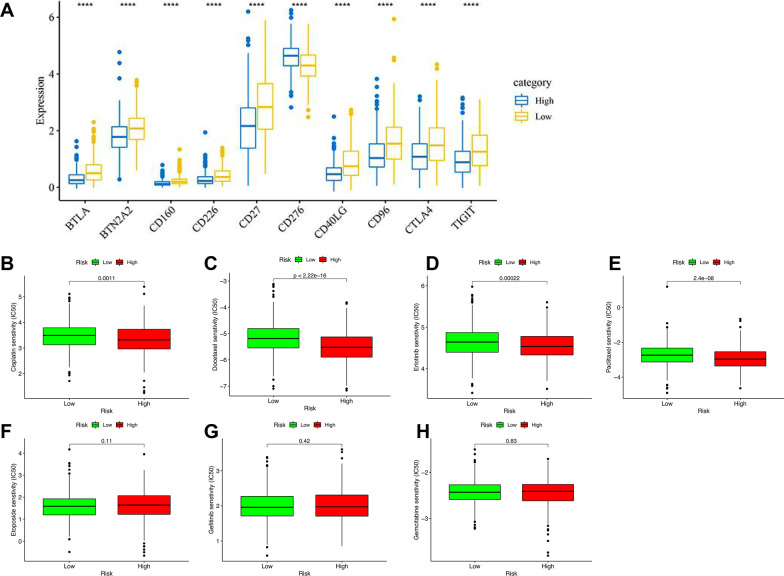
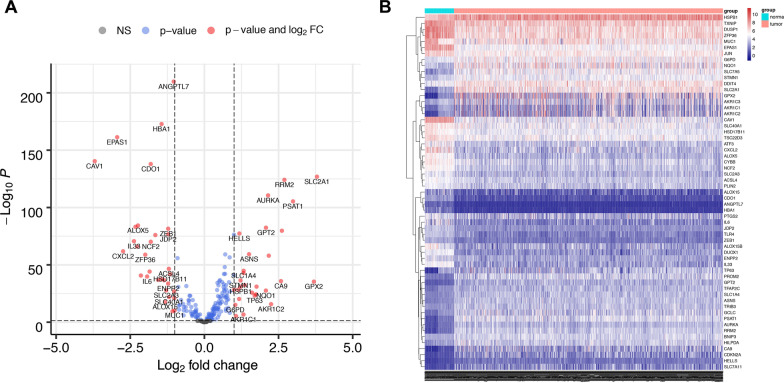
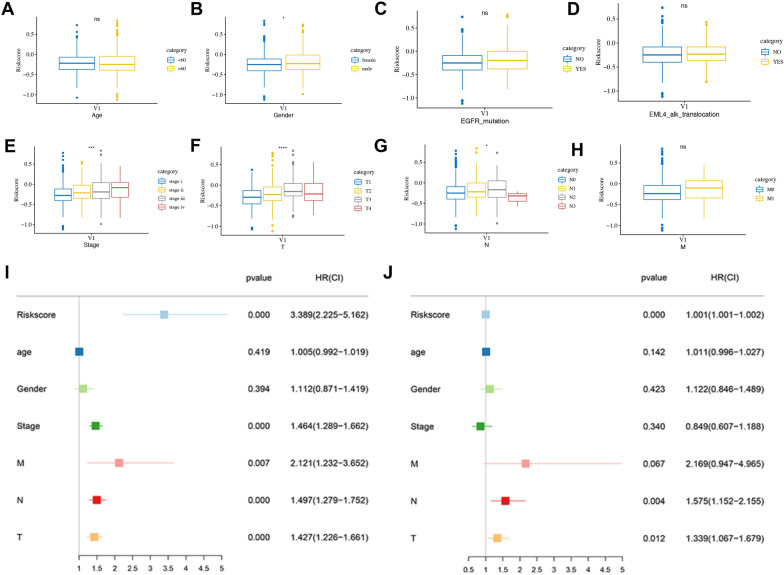
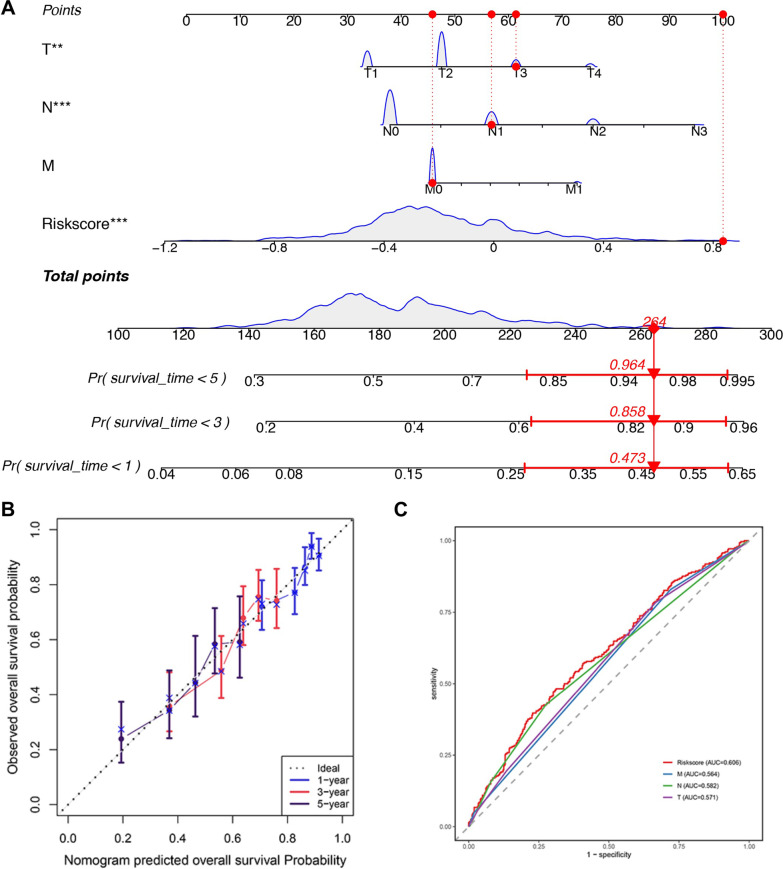
129 lncRNAs with a potential regulatory relationship with 59 differentially expressed FRGs were found in NSCLC, of which 10 were related to the prognosis of NSCLC (P < 0.05). 9 prognostic-related FRGs-lncRNAs were used to construct the prognostic model and stratify NSCLC patients into high- and low-risk groups. A worse outcome was found in patients with high risk (P < 0.05). Moreover, a good predictive capacity of this signature in predicting NSCLC prognosis was confirmed. Additionally, 45 immune checkpoint genes and 4 chemotherapeutics drugs for NSCLC were identified to be correlated with the risk score.
A novel FRGs-lncRNAs signature was successfully constructed, which may contribute to improving the management strategies of NSCLC.
非小细胞肺癌(NSCLC)是最常见的肺癌类型,预后不佳。铁死亡与多种癌症的发展有关。然而,铁死亡相关长链非编码 RNA(lncRNAs)在 NSCLC 中的预后价值尚不确定。
从 TCGA 数据库中检索 NSCLC 的基因表达谱和临床信息。在 FerrDb 数据库和之前的研究中探索铁死亡相关基因(FRGs),通过相关分析和 LncTarD 数据库鉴定铁死亡相关 lncRNAs(FRGs-lncRNAs)。筛选差异表达的 FRGs-lncRNAs,通过单因素 Cox 回归分析和 Kaplan-Meier 生存分析探讨与预后相关的 FRGs-lncRNAs。然后,通过 Lasso 惩罚 Cox 分析构建和验证 FRGs-lncRNAs 特征。最后,进一步探讨风险评分与免疫检查点基因和化疗敏感性的潜在相关性。
在 NSCLC 中发现了 129 个与 59 个差异表达 FRGs 具有潜在调控关系的 lncRNAs,其中 10 个与 NSCLC 的预后相关(P<0.05)。使用 9 个与预后相关的 FRGs-lncRNAs 构建预后模型,并将 NSCLC 患者分为高风险和低风险组。发现高风险组患者预后较差(P<0.05)。此外,该特征在预测 NSCLC 预后方面具有良好的预测能力。此外,还确定了 45 个免疫检查点基因和 4 种用于 NSCLC 的化疗药物与风险评分相关。
成功构建了一个新的 FRGs-lncRNAs 特征,可能有助于改善 NSCLC 的管理策略。