Molecular Endocrinology Group, Signal Transduction Laboratory, North Carolina; Department of Microbiology, Immunology and Cell Biology, West Virginia University School of Medicine, Morgantown, West Virginia.
Molecular Endocrinology Group, Signal Transduction Laboratory, North Carolina.
Gastroenterology. 2021 Aug;161(2):637-652.e4. doi: 10.1053/j.gastro.2021.04.075. Epub 2021 May 7.
BACKGROUND & AIMS: The immune compartment is critical for maintaining tissue homeostasis. A weak immune response increases susceptibility to infection, but immune hyperactivation causes tissue damage, and chronic inflammation may lead to cancer development. In the stomach, inflammation damages the gastric glands and drives the development of potentially preneoplastic metaplasia. Glucocorticoids are potent anti-inflammatory steroid hormones that are required to suppress gastric inflammation and metaplasia. However, these hormones function differently in males and females. Here, we investigate the impact of sex on the regulation of gastric inflammation.
Endogenous glucocorticoids and male sex hormones were removed from mice using adrenalectomy and castration, respectively. Mice were treated with 5α-dihydrotestosterone (DHT) to test the effects of androgens on regulating gastric inflammation. Single-cell RNA sequencing of gastric leukocytes was used to identify the leukocyte populations that were the direct targets of androgen signaling. Type 2 innate lymphoid cells (ILC2s) were depleted by treatment with CD90.2 antibodies.
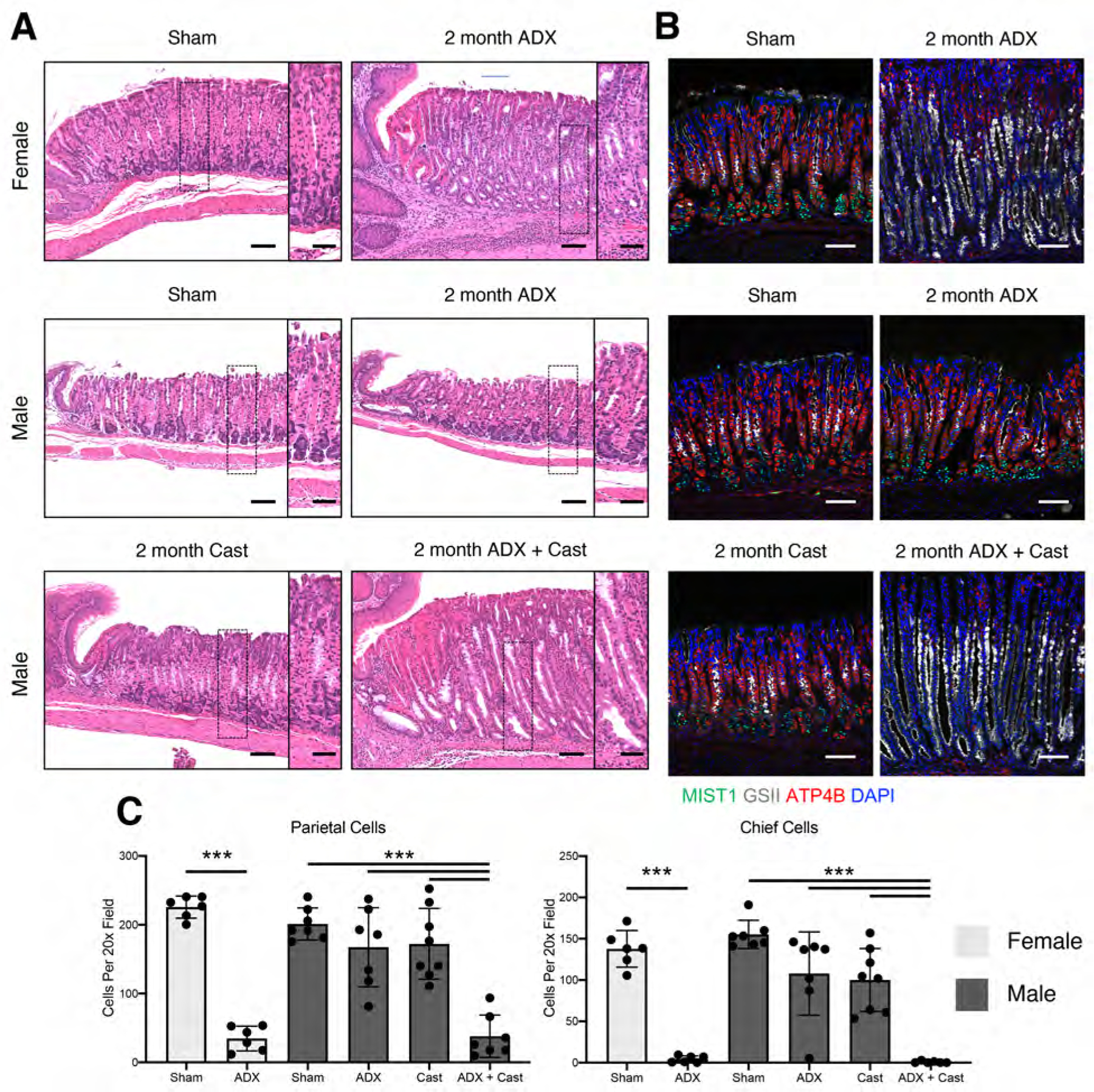
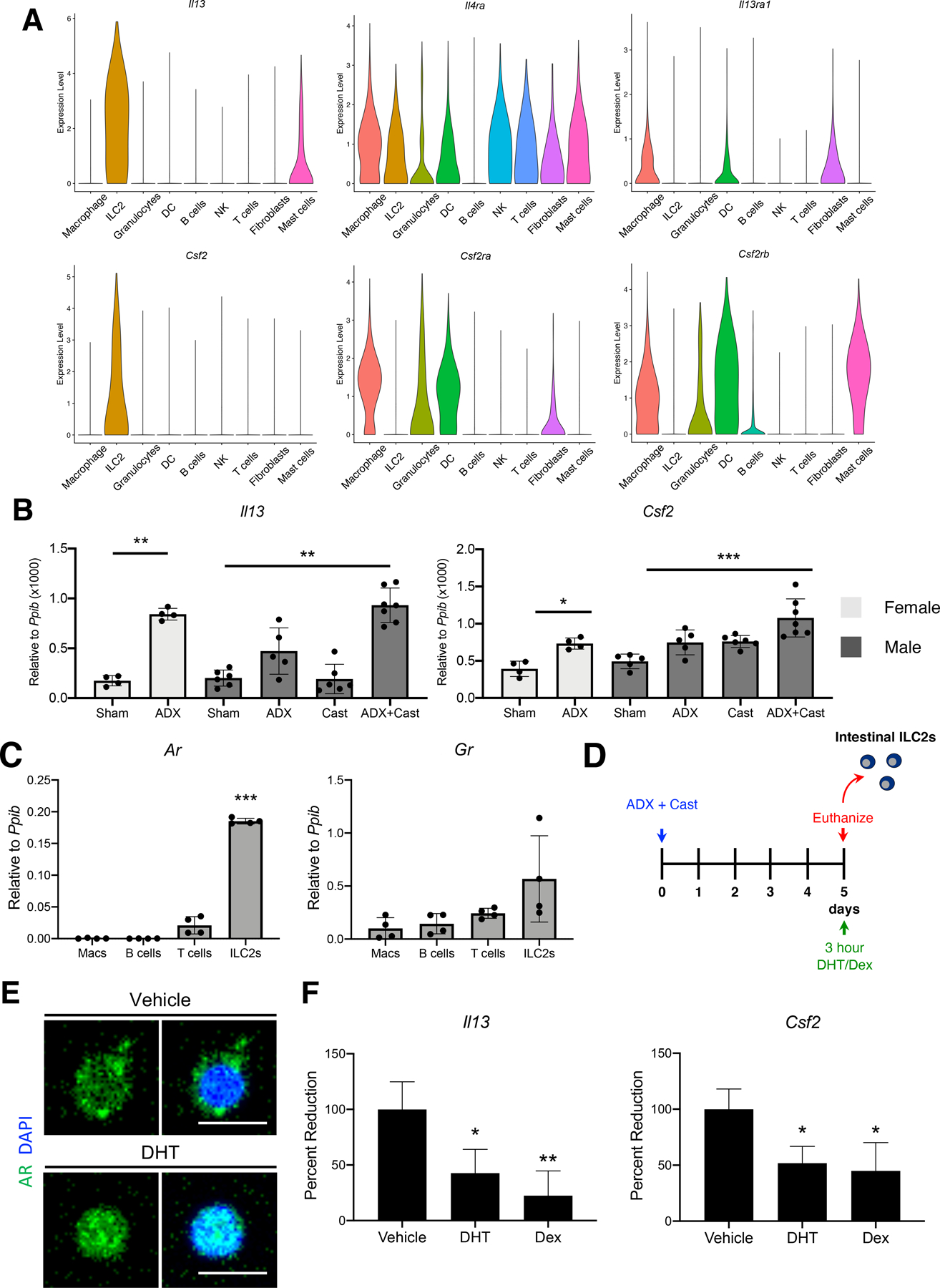
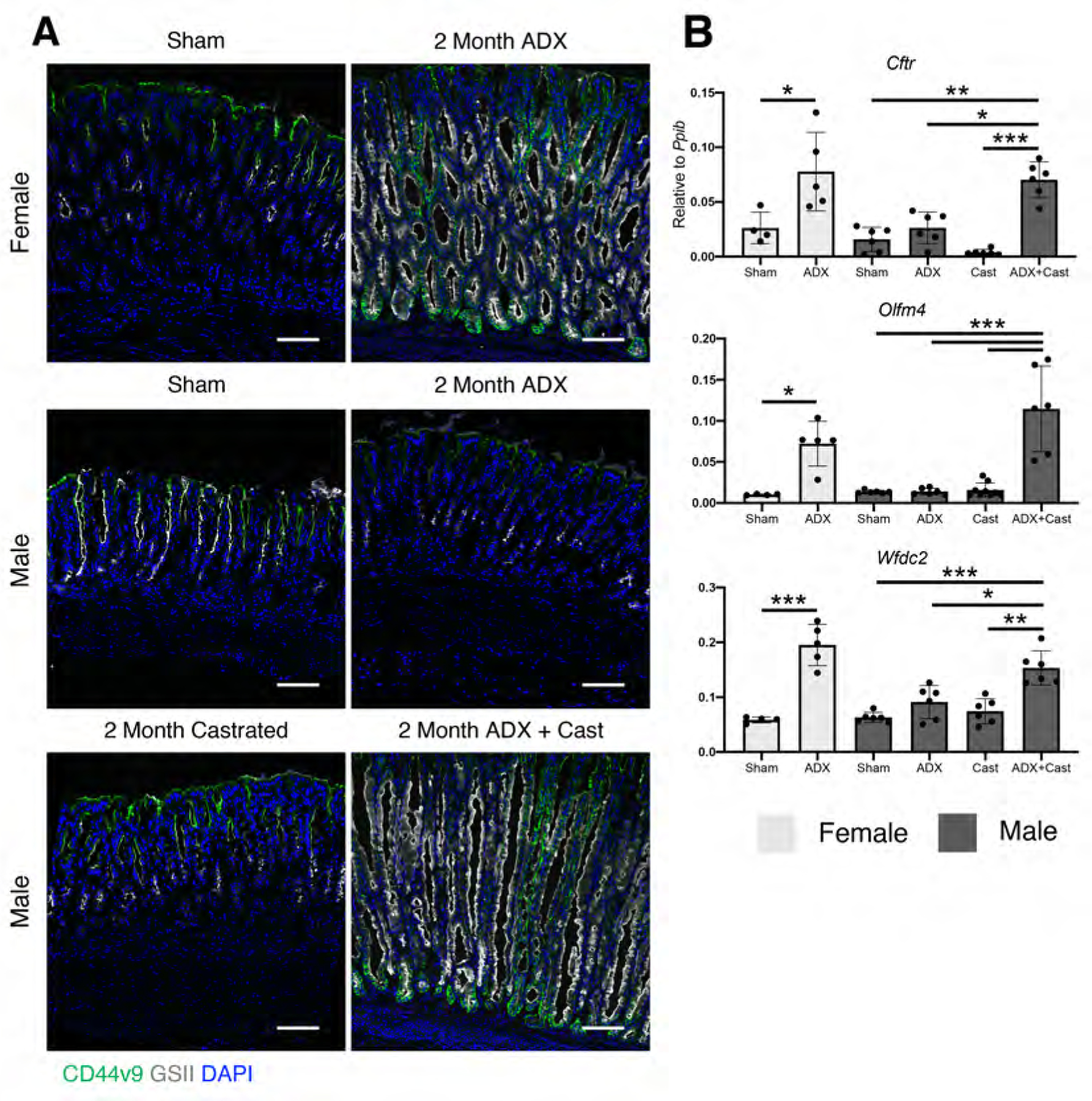
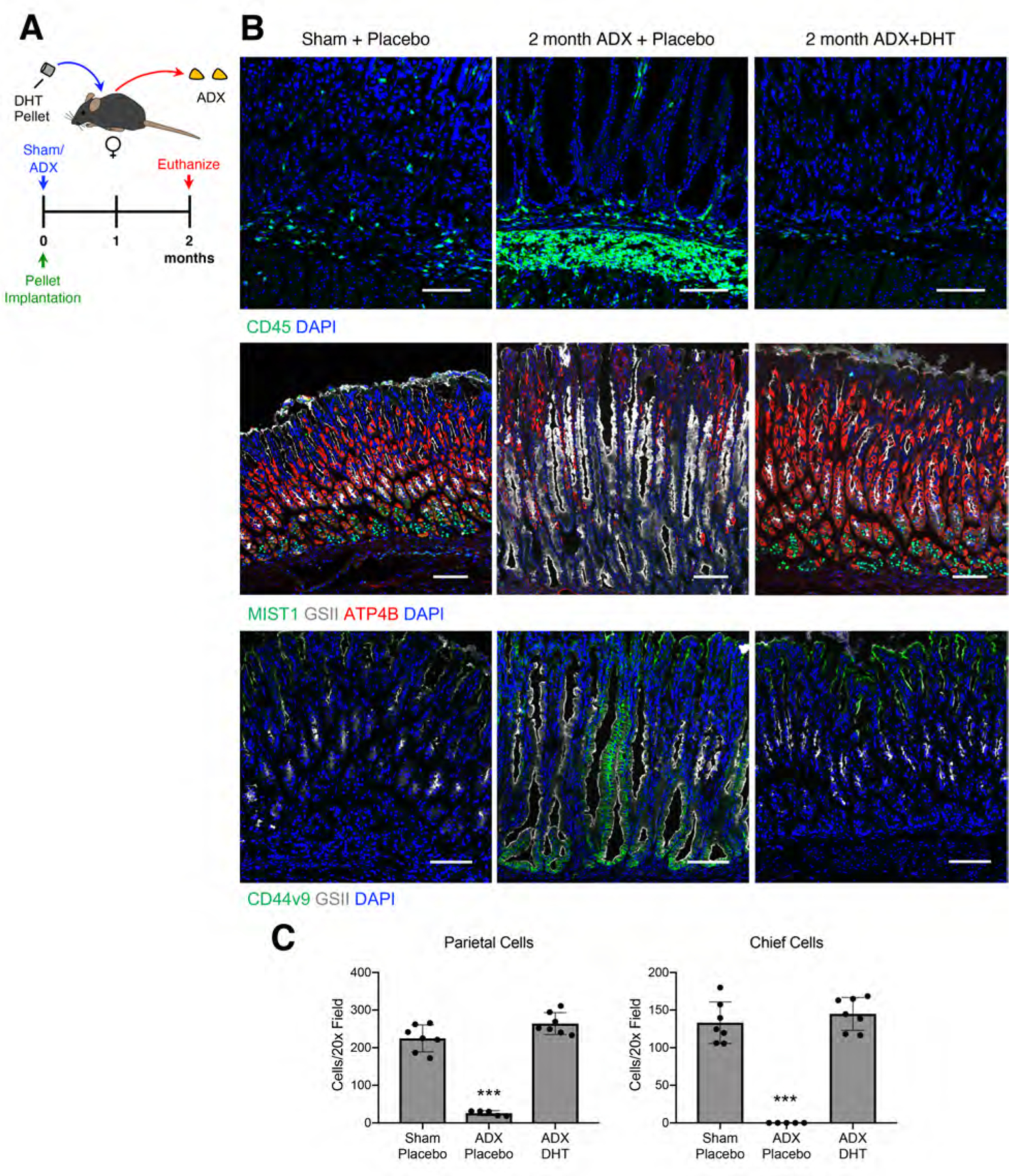
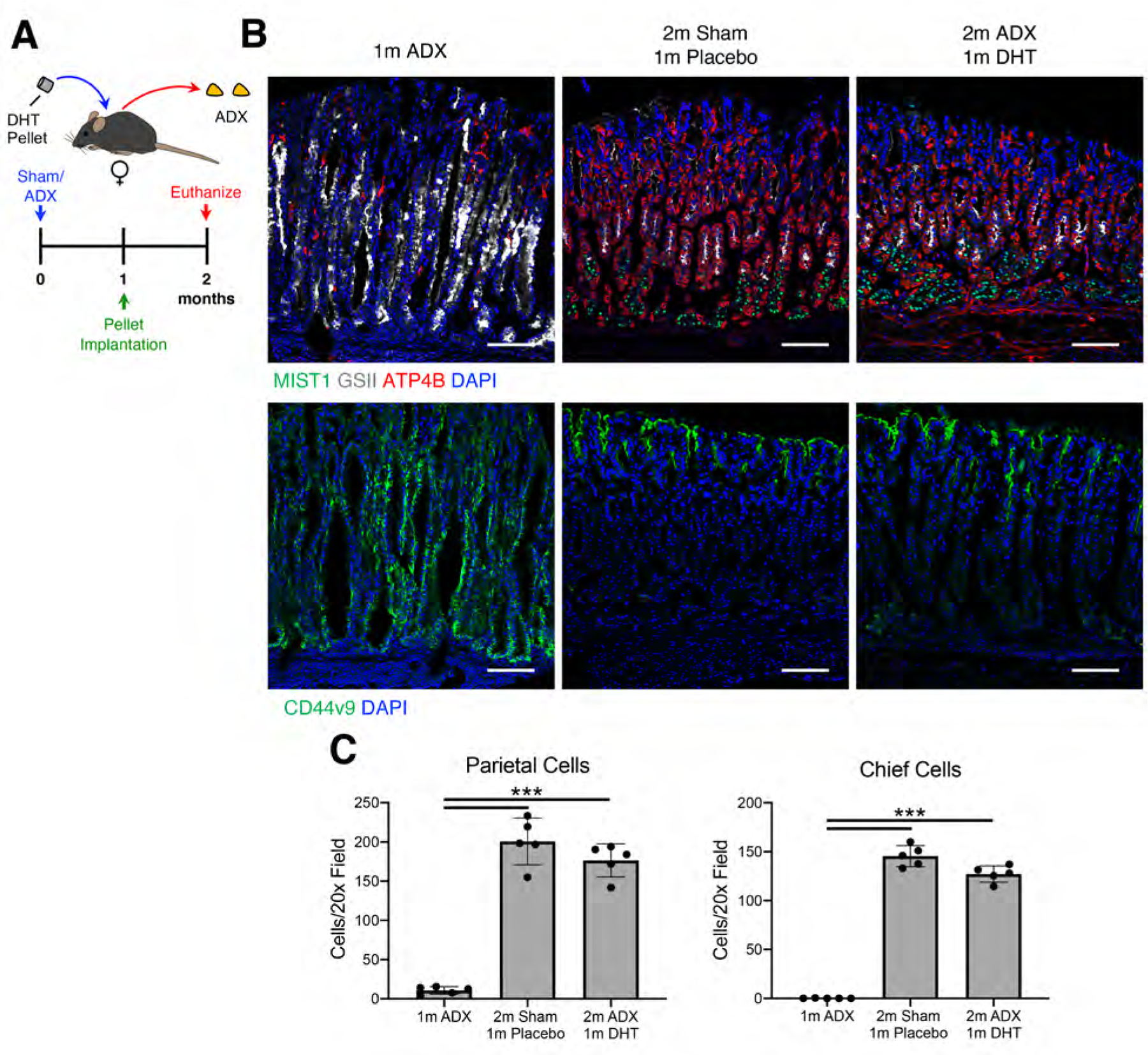
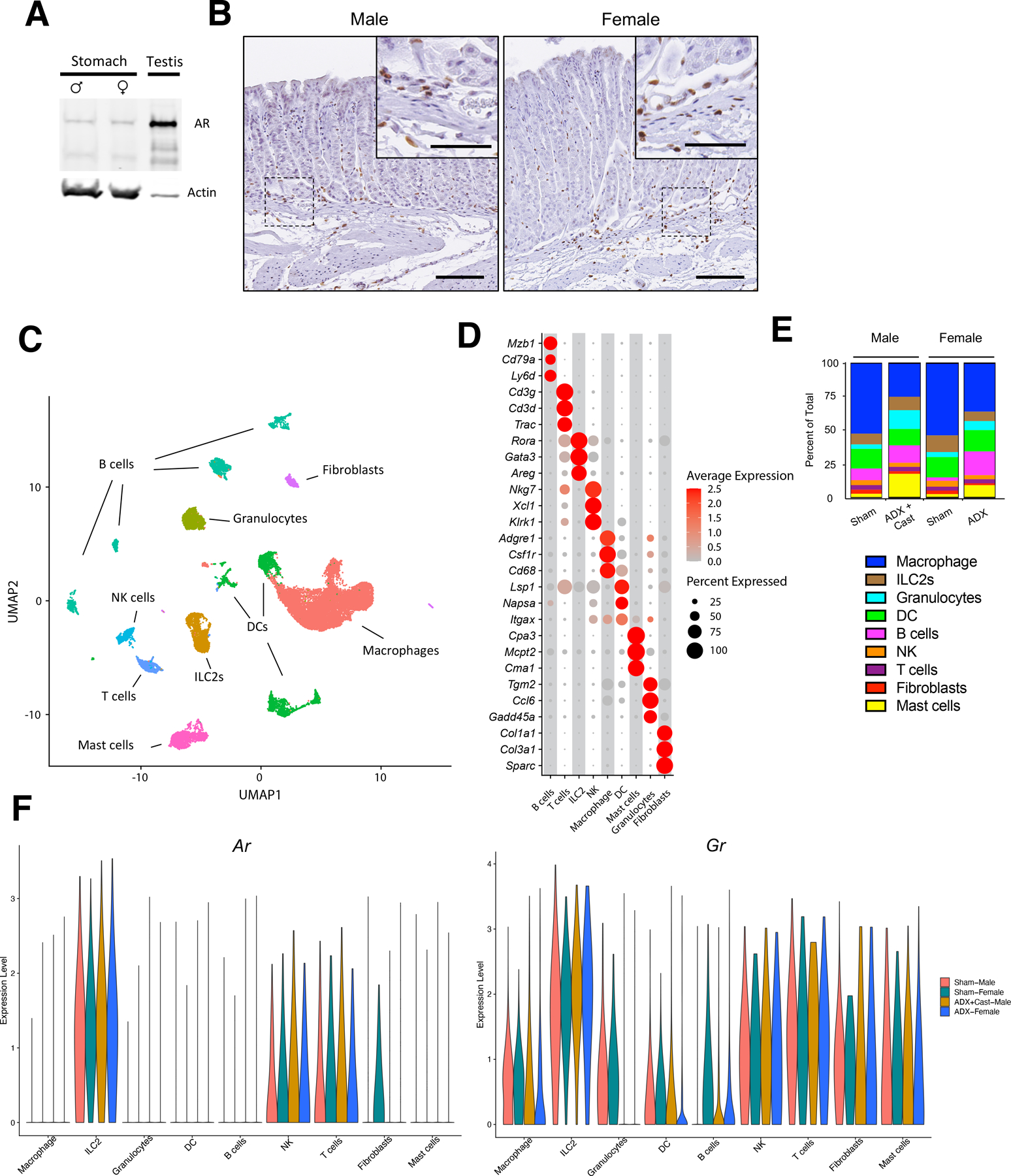
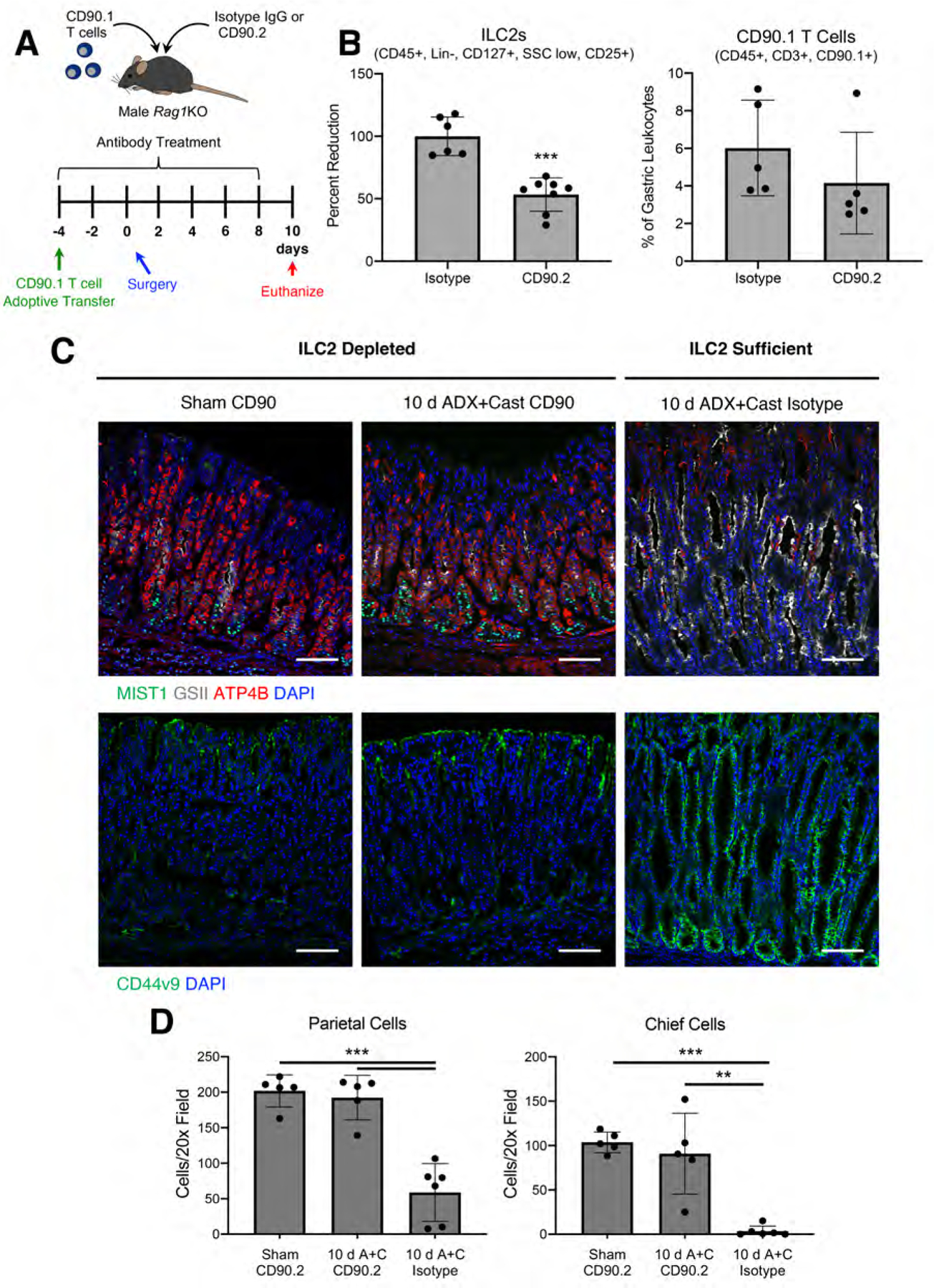
We show that adrenalectomized female mice develop spontaneous gastric inflammation and spasmolytic polypeptide-expressing metaplasia (SPEM) but that the stomachs of adrenalectomized male mice remain quantitatively normal. Simultaneous depletion of glucocorticoids and sex hormones abolished the male-protective effects and triggered spontaneous pathogenic gastric inflammation and SPEM. Treatment of female mice with DHT prevented gastric inflammation and SPEM development when administered concurrent with adrenalectomy and also reversed the pathology when administered after disease onset. Single-cell RNAseq of gastric leukocytes revealed that ILC2s expressed abundant levels of both the glucocorticoid receptor (Gr) and androgen receptor (Ar). We demonstrated that DHT treatment potently suppressed the expression of the proinflammatory cytokines Il13 and Csf2 by ILC2s. Moreover, ILC2 depletion protected the stomach from SPEM development.
Here, we report a novel mechanism by which glucocorticoids and androgens exert overlapping effects to regulate gastric inflammation. Androgen signaling within ILC2s prevents their pathogenic activation by suppressing the transcription of proinflammatory cytokines. This work revealed a critical role for sex hormones in regulating gastric inflammation and metaplasia.
免疫系统对于维持组织稳态至关重要。免疫反应较弱会增加感染易感性,但免疫过度激活会导致组织损伤,慢性炎症可能导致癌症发展。在胃中,炎症会损伤胃腺体并促使潜在的癌前性化生发展。糖皮质激素是一种强效的抗炎类固醇激素,可用于抑制胃炎症和化生。然而,这些激素在男性和女性中的作用方式不同。在这里,我们研究了性别对胃炎症调节的影响。
使用肾上腺切除术和去势术分别从小鼠体内去除内源性糖皮质激素和雄性性激素。用 5α-二氢睾酮(DHT)处理小鼠,以测试雄激素对调节胃炎症的作用。使用单细胞 RNA 测序鉴定胃白细胞中的白细胞群体,这些群体是雄激素信号的直接靶标。通过 CD90.2 抗体耗竭 2 型固有淋巴细胞(ILC2)。
我们表明,肾上腺切除的雌性小鼠会自发发展出胃炎症和舒血管肠肽表达化生(SPEM),但肾上腺切除的雄性小鼠的胃仍保持数量正常。同时去除糖皮质激素和性激素会消除雄性的保护作用,并引发自发性致病胃炎症和 SPEM。在同时进行肾上腺切除术时给予 DHT 治疗可预防胃炎症和 SPEM 的发展,并且在疾病发作后给予 DHT 治疗也可逆转病变。胃白细胞的单细胞 RNAseq 显示,ILC2 表达大量的糖皮质激素受体(Gr)和雄激素受体(Ar)。我们证明,DHT 治疗可强力抑制 ILC2 中促炎细胞因子 Il13 和 Csf2 的表达。此外,ILC2 耗竭可保护胃免受 SPEM 发展。
在这里,我们报告了一种新的机制,即糖皮质激素和雄激素通过重叠作用来调节胃炎症。ILC2 内的雄激素信号通过抑制促炎细胞因子的转录来防止其病理性激活。这项工作揭示了性激素在调节胃炎症和化生中的关键作用。