Endocrinology, Walter Reed National Military Medical Center, Bethesda, Maryland, USA
Medicine, Uniformed Services University of the Health Sciences F Edward Hebert School of Medicine, Bethesda, Maryland, USA.
BMJ Case Rep. 2021 May 10;14(5):e242153. doi: 10.1136/bcr-2021-242153.
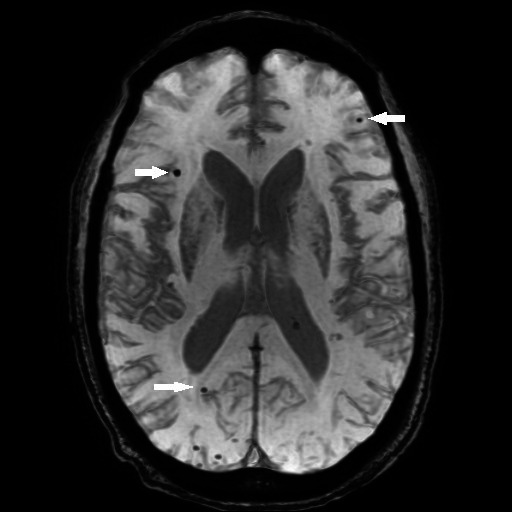
Teprotumumab (Tepezza), an insulin-like growth factor type 1 receptor antagonist, was approved for treatment of thyroid eye disease in 2020. Teprotumumab is administered intravenously every 3 weeks for a total of eight doses. Common side effects include nausea, diarrhoea, muscle spasms, hearing impairment, dysgeusia, headaches, dry skin, infusion reactions and hyperglycaemia. We report here a 76-year-old man with Graves-related thyroid eye disease who developed a rapidly progressive cognitive decline after receiving four out of eight doses of teprotumumab (cumulative dose 4620 mg). He was admitted for workup and teprotumumab infusions were discontinued. Intravenous glucocorticoids and immunoglobulin were given which showed no improvement in clinical symptoms. He subsequently underwent plasmapheresis with resolution of his symptoms, suggesting a teprotumumab-induced encephalopathy. Further studies involving larger populations and longer durations are needed.
特普罗鲁单抗(特泽萨)是一种胰岛素样生长因子 1 型受体拮抗剂,于 2020 年获批用于治疗甲状腺眼病。特普罗鲁单抗每 3 周静脉注射一次,共 8 个剂量。常见的副作用包括恶心、腹泻、肌肉痉挛、听力损伤、味觉障碍、头痛、皮肤干燥、输注反应和高血糖。我们在此报告一例 Graves 相关甲状腺眼病患者,在接受 8 个剂量中的 4 个剂量(累积剂量 4620mg)后出现快速进展性认知能力下降。他因检查而入院,并停止了特普罗鲁单抗输注。给予静脉内糖皮质激素和免疫球蛋白治疗,但临床症状无改善。随后他接受了血浆置换治疗,症状得到缓解,提示特普罗鲁单抗诱导的脑病。需要进一步开展涉及更大人群和更长时间的研究。