Department of Biomedical Engineering, School of Medicine, Tsinghua University, Beijing, China.
Department of Thoracic Surgery, People's Hospital, Peking University, Beijing, China.
Nat Commun. 2021 May 10;12(1):2581. doi: 10.1038/s41467-021-22676-1.
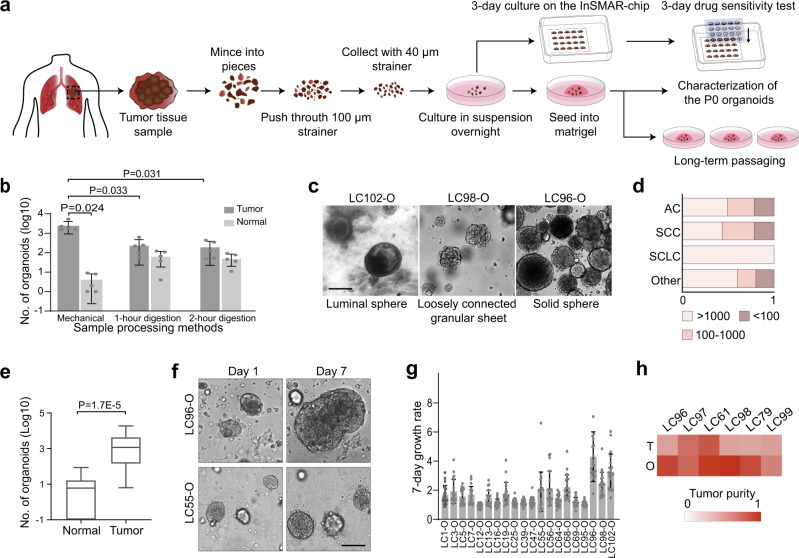
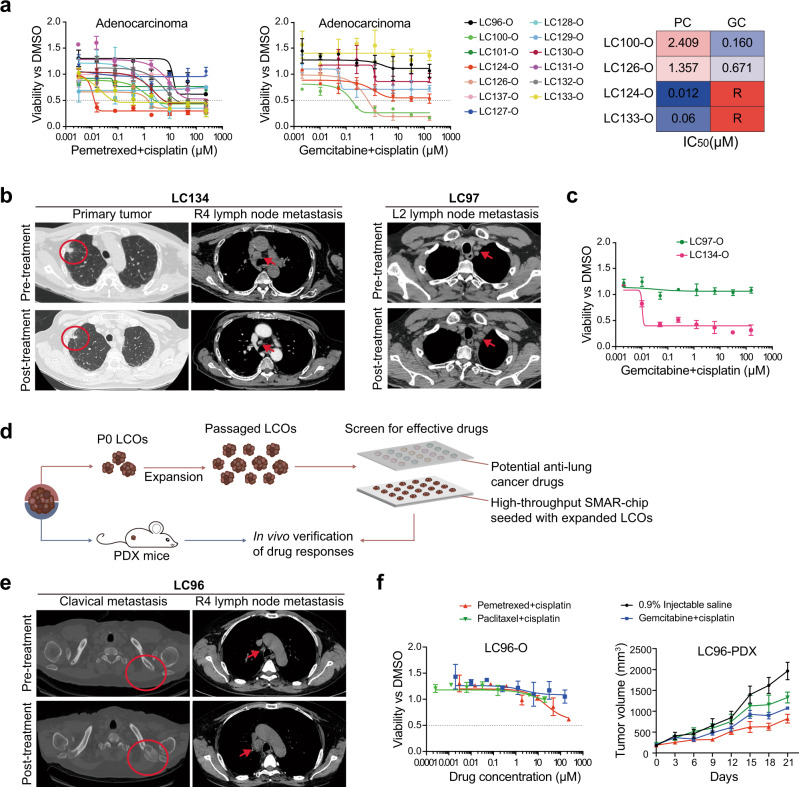
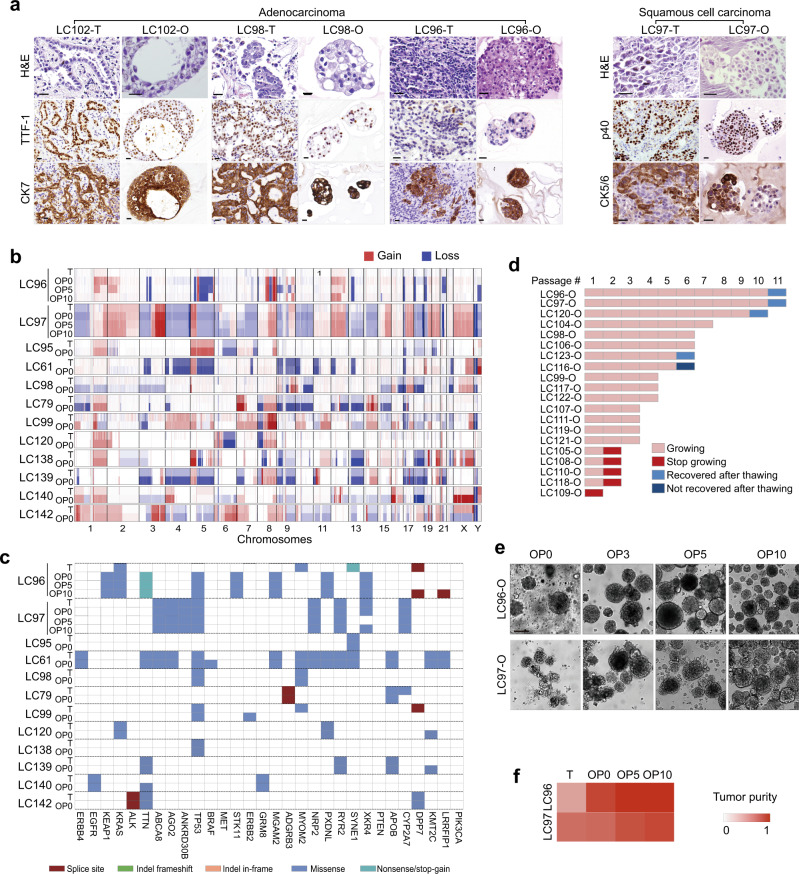
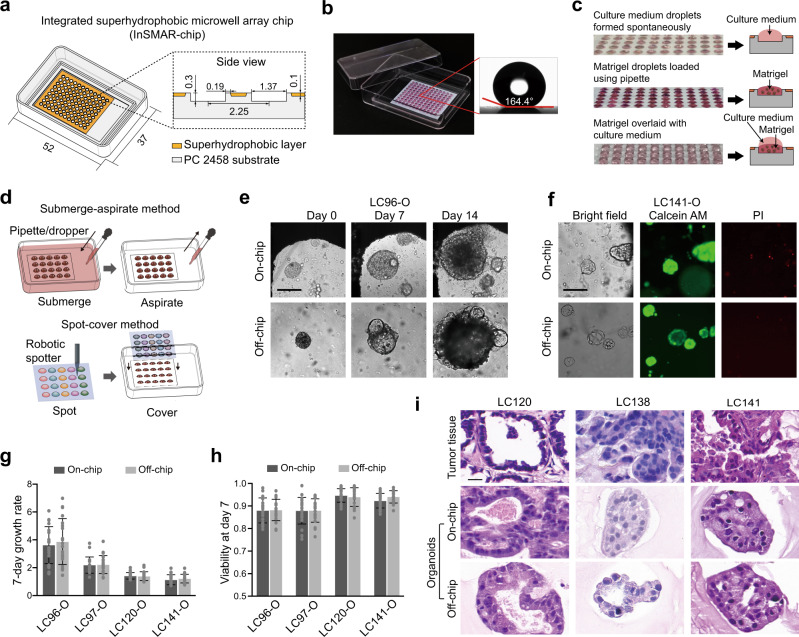
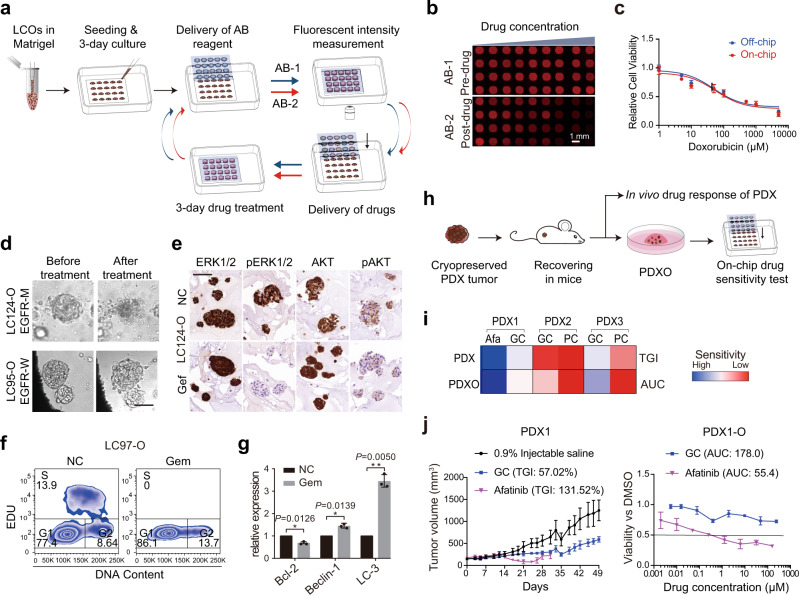
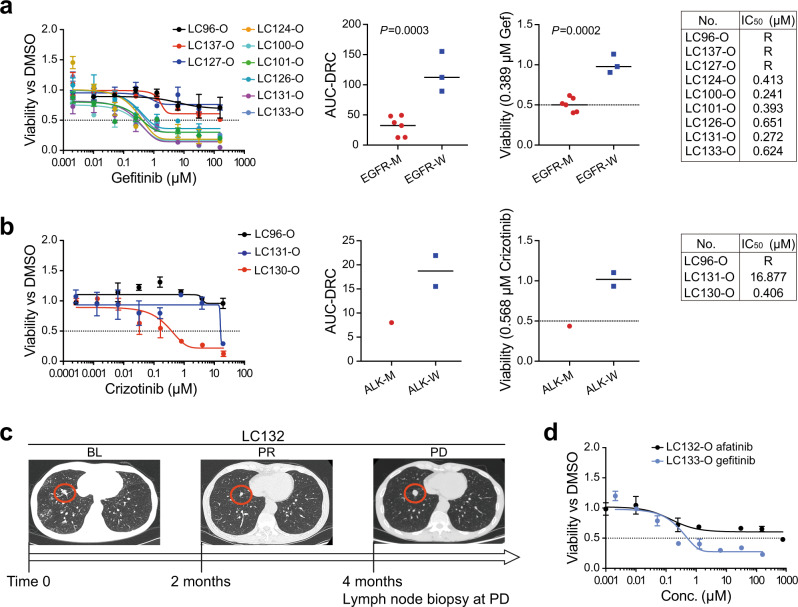
While the potential of patient-derived organoids (PDOs) to predict patients' responses to anti-cancer treatments has been well recognized, the lengthy time and the low efficiency in establishing PDOs hamper the implementation of PDO-based drug sensitivity tests in clinics. We first adapt a mechanical sample processing method to generate lung cancer organoids (LCOs) from surgically resected and biopsy tumor tissues. The LCOs recapitulate the histological and genetic features of the parental tumors and have the potential to expand indefinitely. By employing an integrated superhydrophobic microwell array chip (InSMAR-chip), we demonstrate hundreds of LCOs, a number that can be generated from most of the samples at passage 0, are sufficient to produce clinically meaningful drug responses within a week. The results prove our one-week drug tests are in good agreement with patient-derived xenografts, genetic mutations of tumors, and clinical outcomes. The LCO model coupled with the microwell device provides a technically feasible means for predicting patient-specific drug responses in clinical settings.
虽然患者来源的类器官(PDO)在预测患者对癌症治疗的反应方面具有巨大潜力,但建立 PDO 所需的漫长时间和低效率阻碍了基于 PDO 的药敏试验在临床上的实施。我们首先采用机械样本处理方法,从手术切除和活检的肿瘤组织中生成肺癌类器官(LCO)。LCO 重现了亲本肿瘤的组织学和遗传特征,并具有无限扩增的潜力。通过采用集成超疏水微井阵列芯片(InSMAR-chip),我们证明了在传代 0 时,大多数样本都足以生成数百个 LCO,这些 LCO 足以在一周内产生具有临床意义的药物反应。结果表明,我们的一周药物测试与患者来源的异种移植物、肿瘤的基因突变和临床结果具有良好的一致性。LCO 模型与微井装置相结合,为在临床环境中预测患者特定的药物反应提供了一种可行的技术手段。