Division of Blood Components and Devices, Laboratory of Cellular Hematology, Office of Blood Research and Review, Center for Biologics Evaluation and Research, Food and Drug Administration, Silver Spring, Maryland, United States of America.
PLoS One. 2021 May 11;16(5):e0250120. doi: 10.1371/journal.pone.0250120. eCollection 2021.
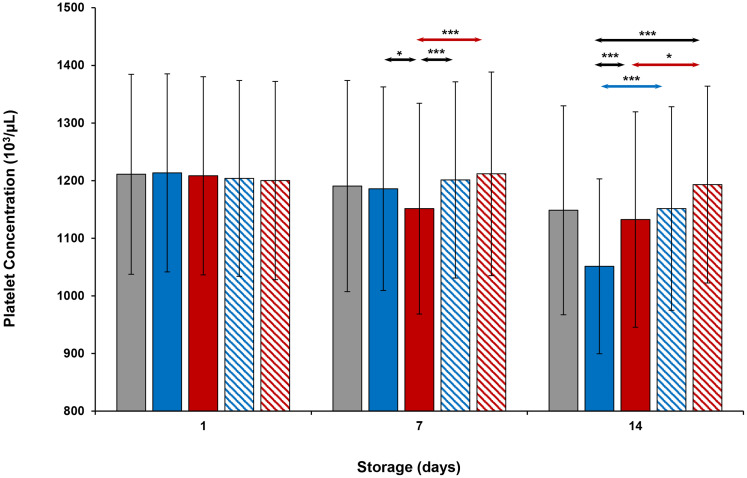
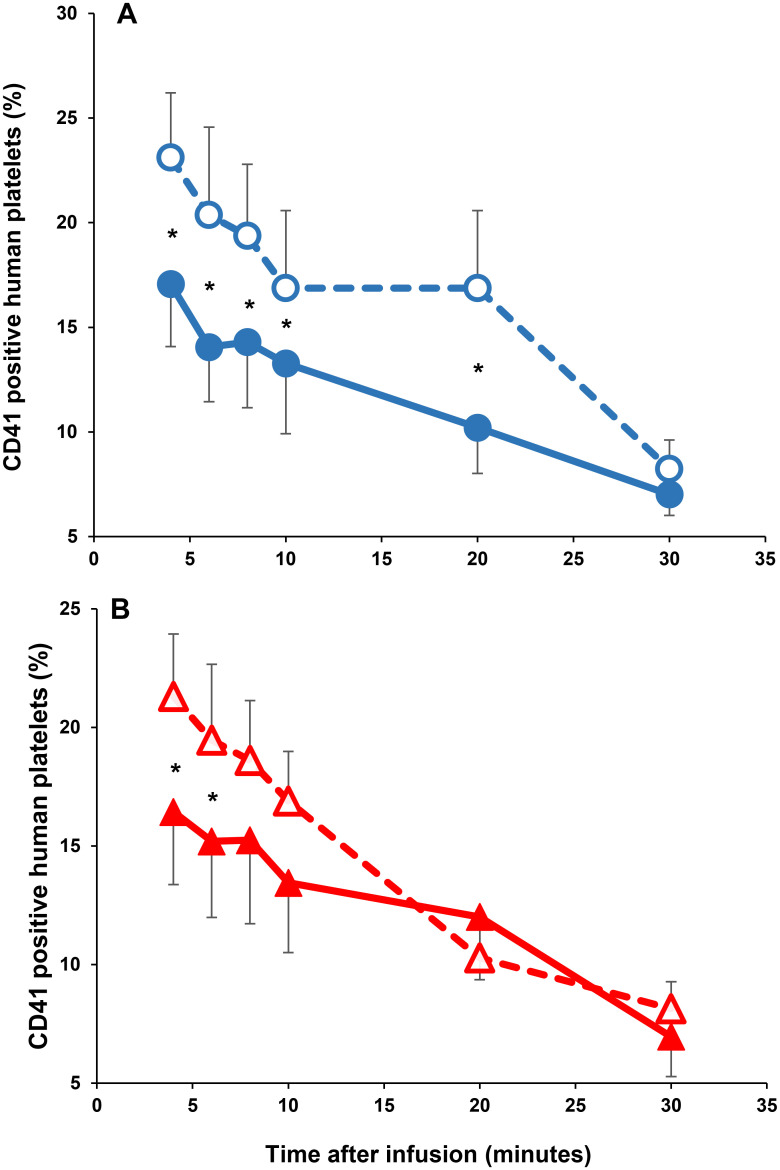
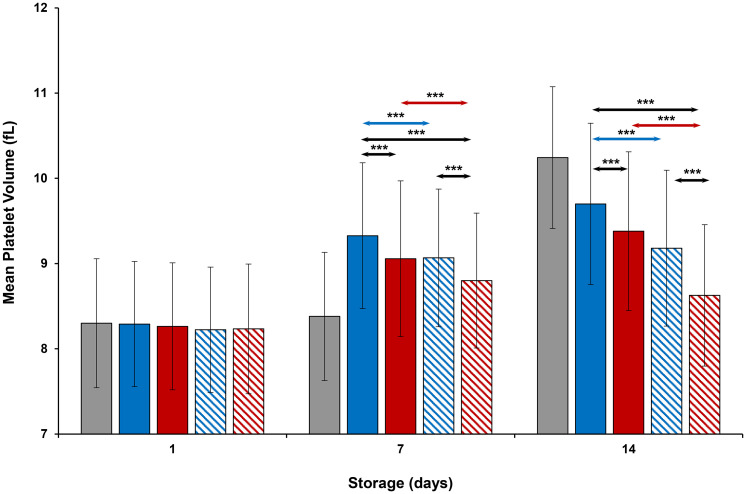
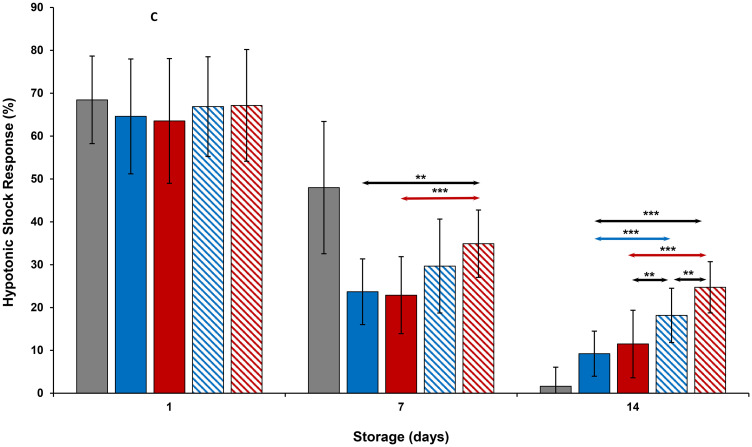
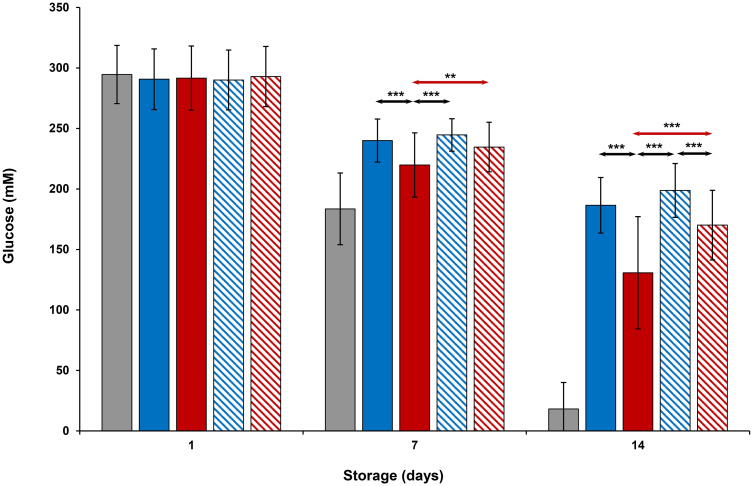
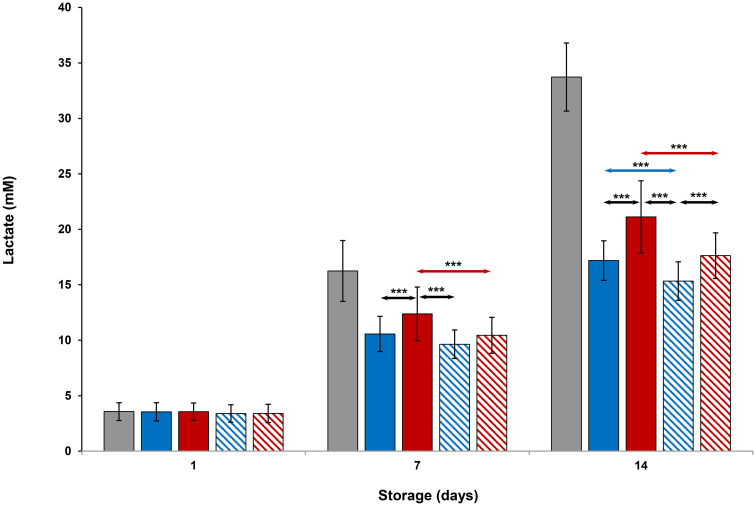
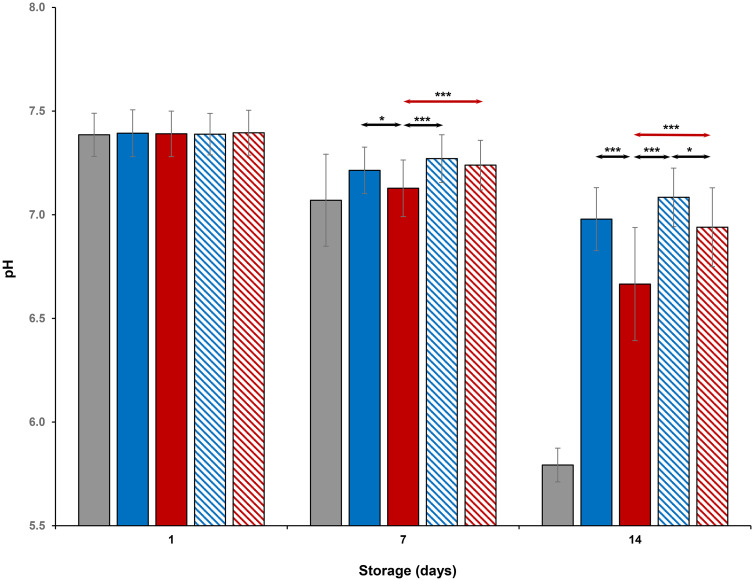
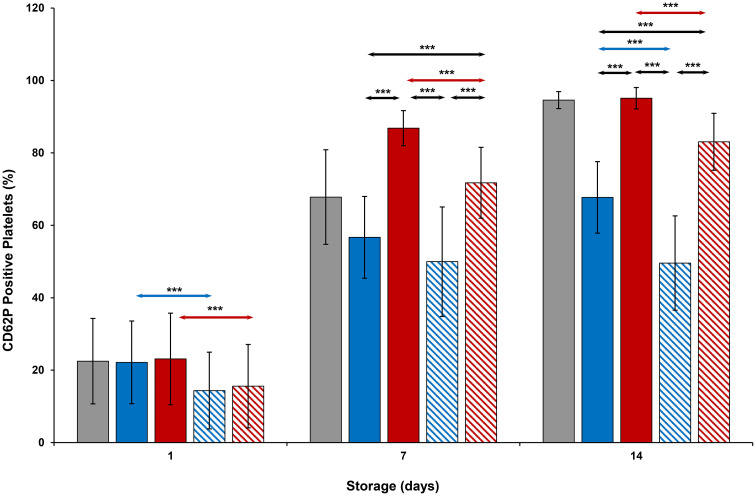
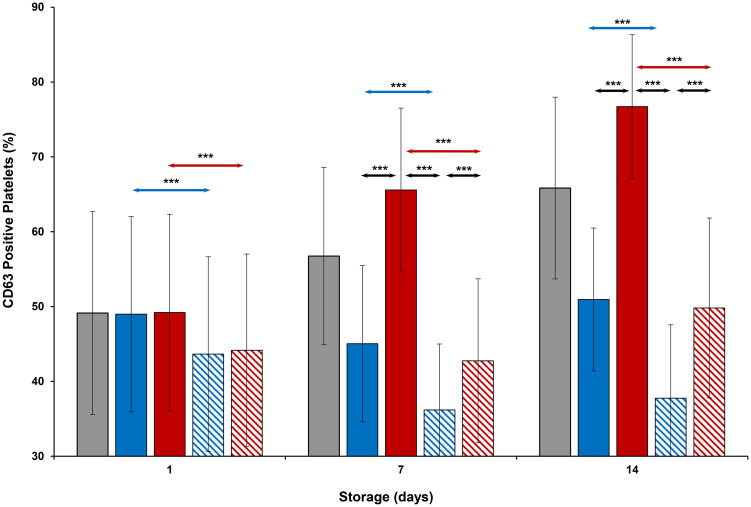
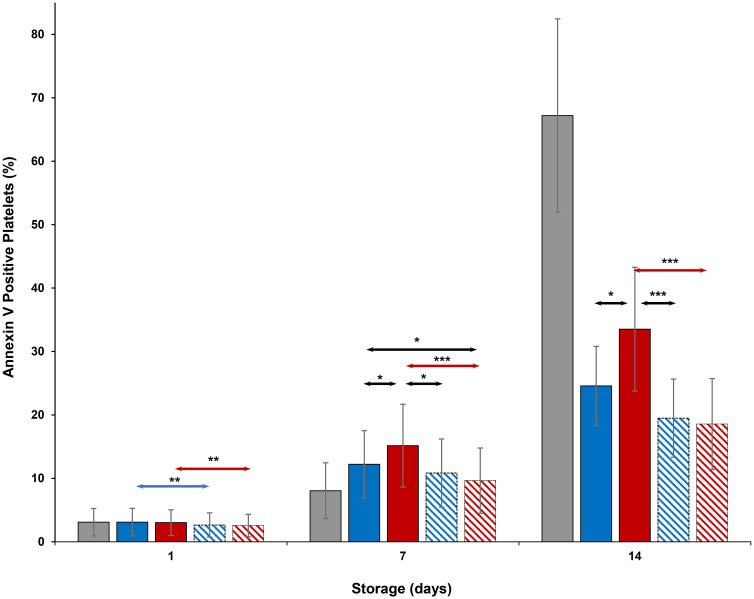
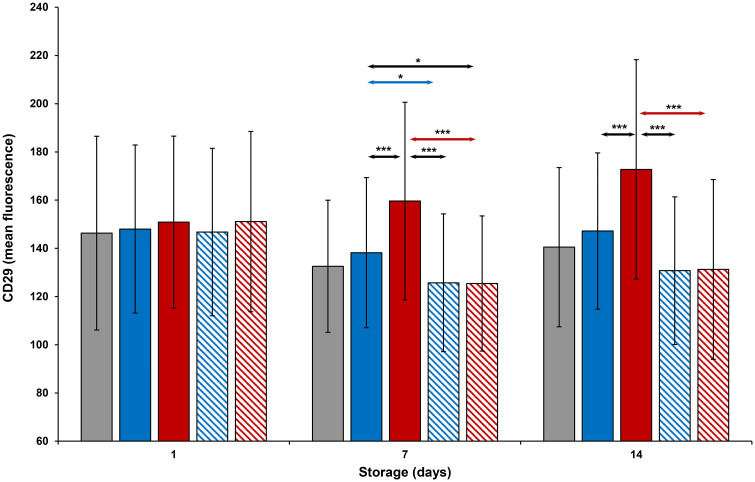
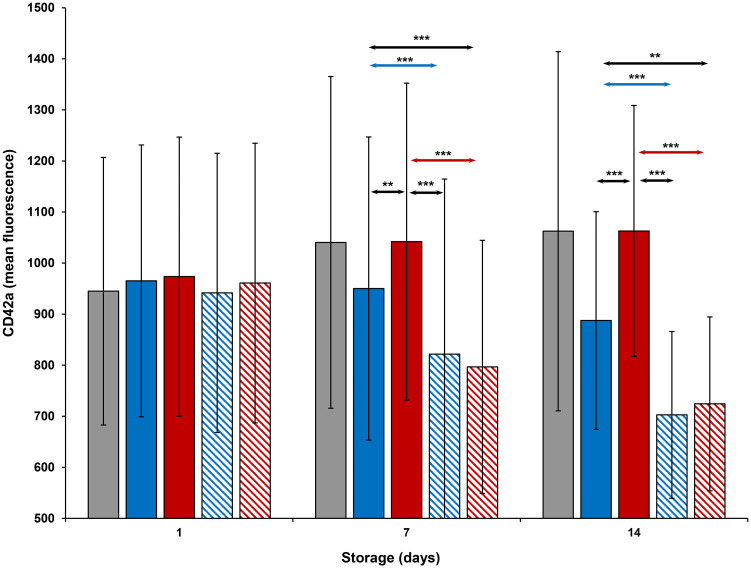
Platelets for transfusion are stored at room temperature (20-24°C) up to 7 days but decline in biochemical and morphological parameters during storage and can support bacterial proliferation. This decline is reduced with p38MAPK inhibitor, VX-702. Storage of platelets in the cold (4-6°C) can reduce bacterial proliferation but platelets get activated and have reduced circulation when transfused. Thermocycling (cold storage with brief periodic warm ups) reduces some of the effects of cold storage. We evaluated in vitro properties and in vivo circulation in SCID mouse model of human platelet transfusion of platelets stored in cold or thermocycled for 14 days with and without VX-702. Apheresis platelet units (N = 15) were each aliquoted into five storage bags and stored under different conditions: room temperature; cold temperature; thermocycled temperature; cold temperature with VX-702; thermocycled temperature with VX-702. Platelet in vitro parameters were evaluated at 1, 7 and 14 days. On day 14, platelets were infused into SCID mice to assess their retention in circulation by flow cytometry. VX-702 reduced negative platelet parameters associated with cold and thermocycled storage such as an increase in expression of activation markers CD62, CD63 and of phosphatidylserine (marker of apoptosis measured by Annexin binding) and lowered the rise in lactate (marker of increase in anaerobic metabolism). However, VX-702 did not inhibit agonist-induced platelet aggregation indicating that it does not interfere with platelet hemostatic function. In vivo, VX-702 improved initial recovery and area under the curve in circulation of human platelets infused into a mouse model that has been previously validated against a human platelet infusion clinical trial. In conclusion, inhibition of p38MAPK during 14-days platelet storage in cold or thermocycling conditions improved in vitro platelet parameters and platelet circulation in the mouse model indicating that VX-702 may improve cell physiology and clinical performance of human platelets stored in cold conditions.
血小板在室温(20-24°C)下可储存至 7 天,但在储存过程中其生化和形态参数会下降,并可支持细菌增殖。p38MAPK 抑制剂 VX-702 可减少这种下降。在低温(4-6°C)下储存血小板可减少细菌增殖,但血小板在输注时会被激活且循环减少。温度循环(低温储存并定期短暂升温)可减少低温储存的一些影响。我们评估了人血小板输注在冷或温度循环储存 14 天,以及添加或不添加 VX-702 后在体外的特性和在 SCID 小鼠模型中的体内循环。从 15 份单采血小板单位中,将每个单位等分至 5 个储存袋中,并在不同条件下储存:室温;低温;温度循环;低温加 VX-702;温度循环加 VX-702。在第 1、7 和 14 天评估血小板的体外参数。在第 14 天,将血小板输注到 SCID 小鼠中,通过流式细胞术评估其在循环中的保留率。VX-702 减少了与冷和温度循环储存相关的负面血小板参数,例如增加了活化标记物 CD62、CD63 和磷脂酰丝氨酸(通过 Annexin 结合测量的凋亡标志物)的表达,并降低了乳酸的升高(无氧代谢增加的标志物)。然而,VX-702 并没有抑制激动剂诱导的血小板聚集,这表明它不干扰血小板止血功能。在体内,VX-702 改善了在先前已针对人类血小板输注临床试验进行验证的小鼠模型中输注的人类血小板的初始恢复和循环中的曲线下面积。总之,在冷或温度循环条件下储存 14 天的血小板时抑制 p38MAPK 可改善体外血小板参数和小鼠模型中的血小板循环,表明 VX-702 可能改善冷条件下储存的人类血小板的细胞生理学和临床性能。