Center for Computational Molecular Biology, Brown University, Providence, RI, USA.
Molecular Biology, Cell Biology and Biochemistry, Brown University, Providence, RI, USA.
Nat Commun. 2021 May 12;12(1):2756. doi: 10.1038/s41467-021-22780-2.
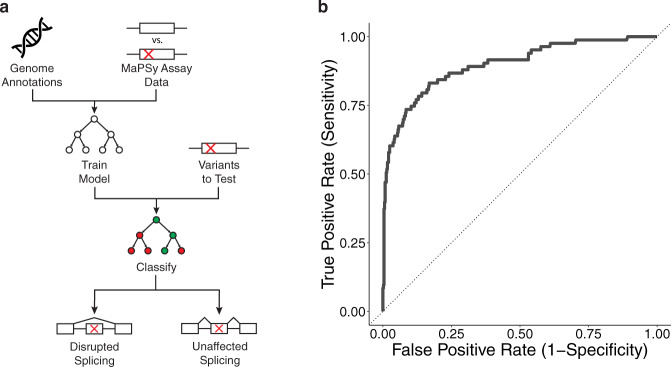
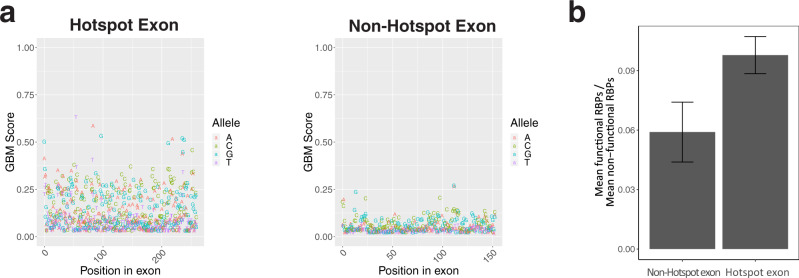
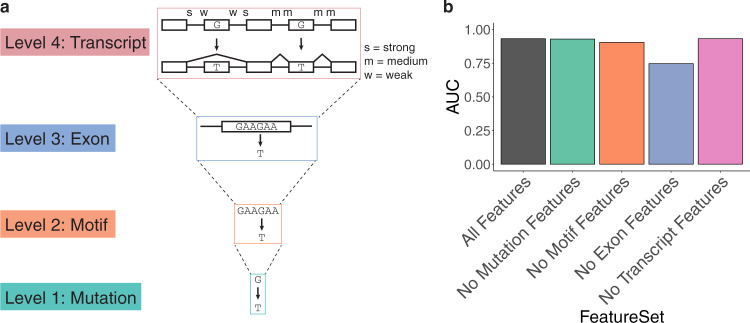
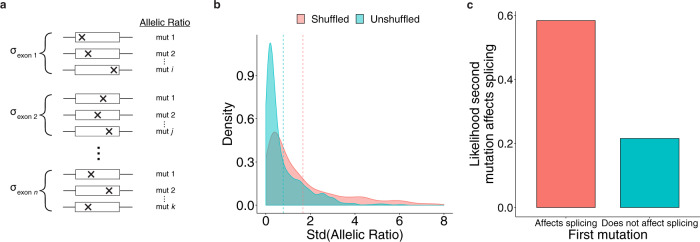
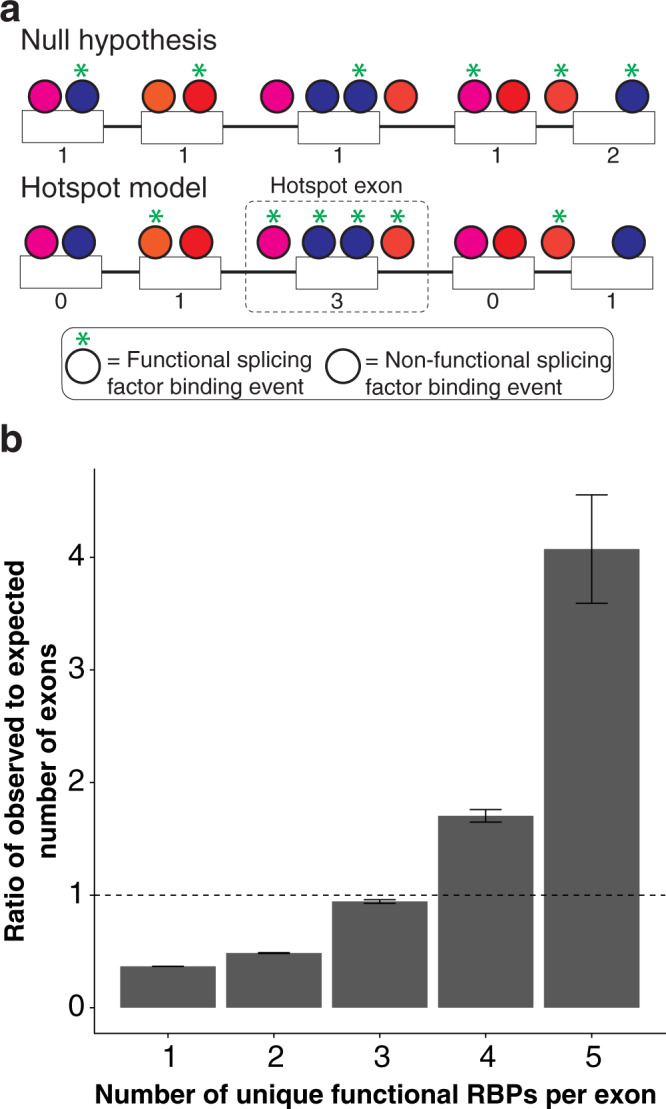
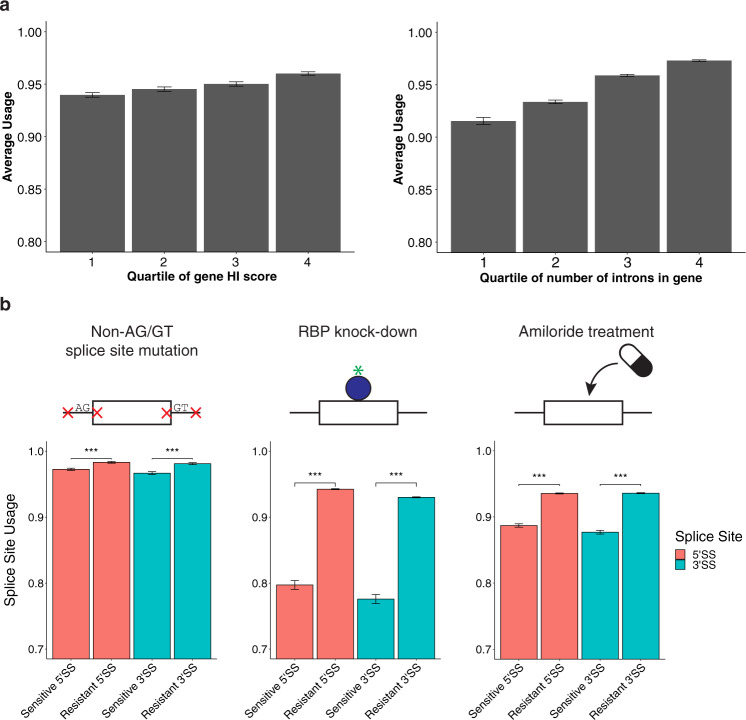
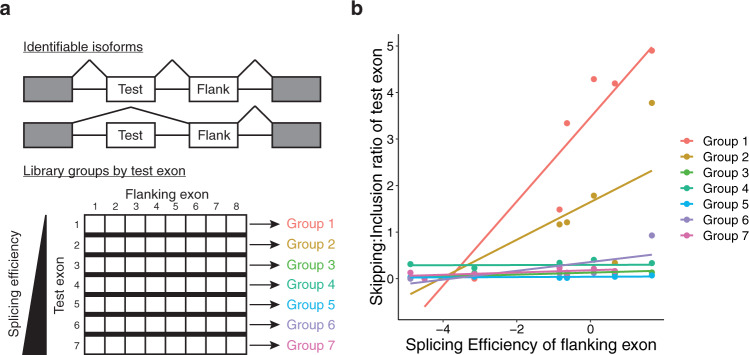
High-throughput splicing assays have demonstrated that many exonic variants can disrupt splicing; however, splice-disrupting variants distribute non-uniformly across genes. We propose the existence of exons that are particularly susceptible to splice-disrupting variants, which we refer to as hotspot exons. Hotspot exons are also more susceptible to splicing perturbation through drug treatment and knock-down of RNA-binding proteins. We develop a classifier for exonic splice-disrupting variants and use it to infer hotspot exons. We estimate that 1400 exons in the human genome are hotspots. Using panels of splicing reporters, we demonstrate how the ability of an exon to tolerate a mutation is inversely proportional to the strength of its neighboring splice sites.
高通量剪接分析实验已经证实,许多外显子变异会破坏剪接;然而,具有剪接破坏作用的变异在外显子上的分布并不均匀。我们提出了存在特别容易受到剪接破坏变异影响的外显子,我们称之为热点外显子。热点外显子也更容易受到药物处理和 RNA 结合蛋白敲低的剪接干扰。我们开发了一个外显子剪接破坏变异的分类器,并利用它来推断热点外显子。我们估计人类基因组中有 1400 个外显子是热点。使用剪接报告基因文库,我们展示了一个外显子对突变的容忍能力与其相邻剪接位点的强度成反比。