Center for Cardiovascular Research, Washington University School of Medicine, St. Louis, MO (D.L.M.).
Duke Clinical Research Institute and Duke University School of Medicine, Durham, Duke University, NC (G.M.F.).
Circ Res. 2021 May 14;128(10):1435-1450. doi: 10.1161/CIRCRESAHA.121.318158. Epub 2021 May 13.
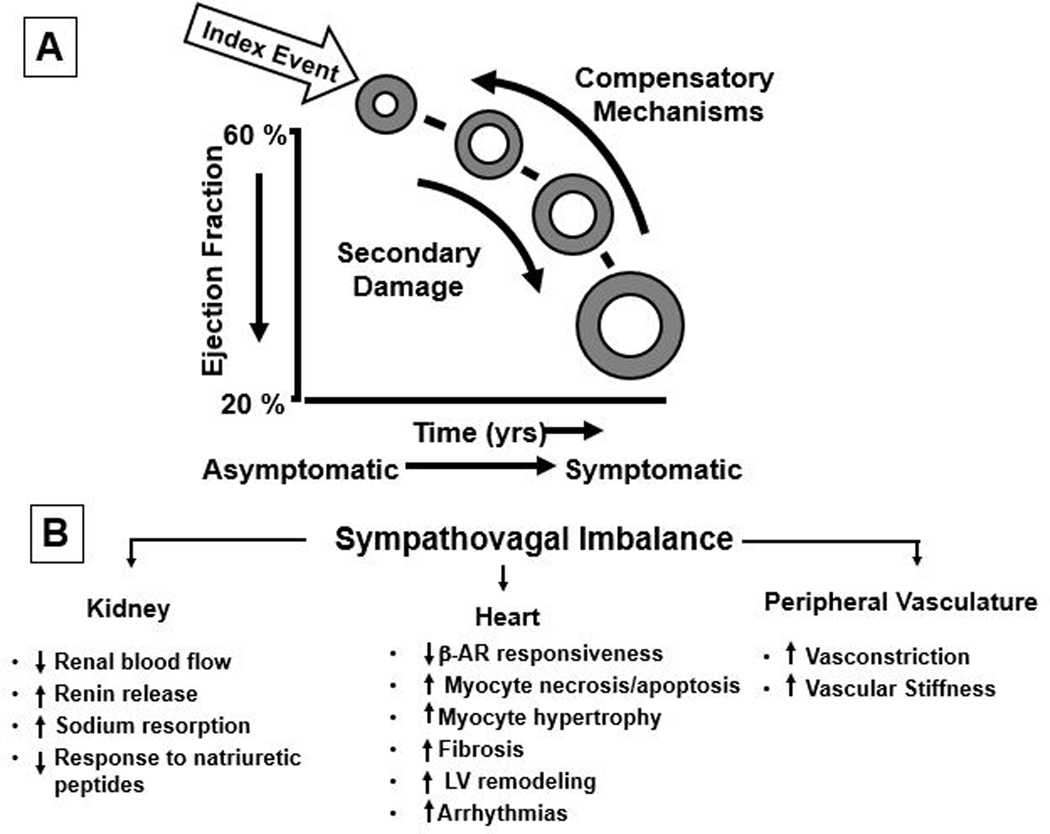
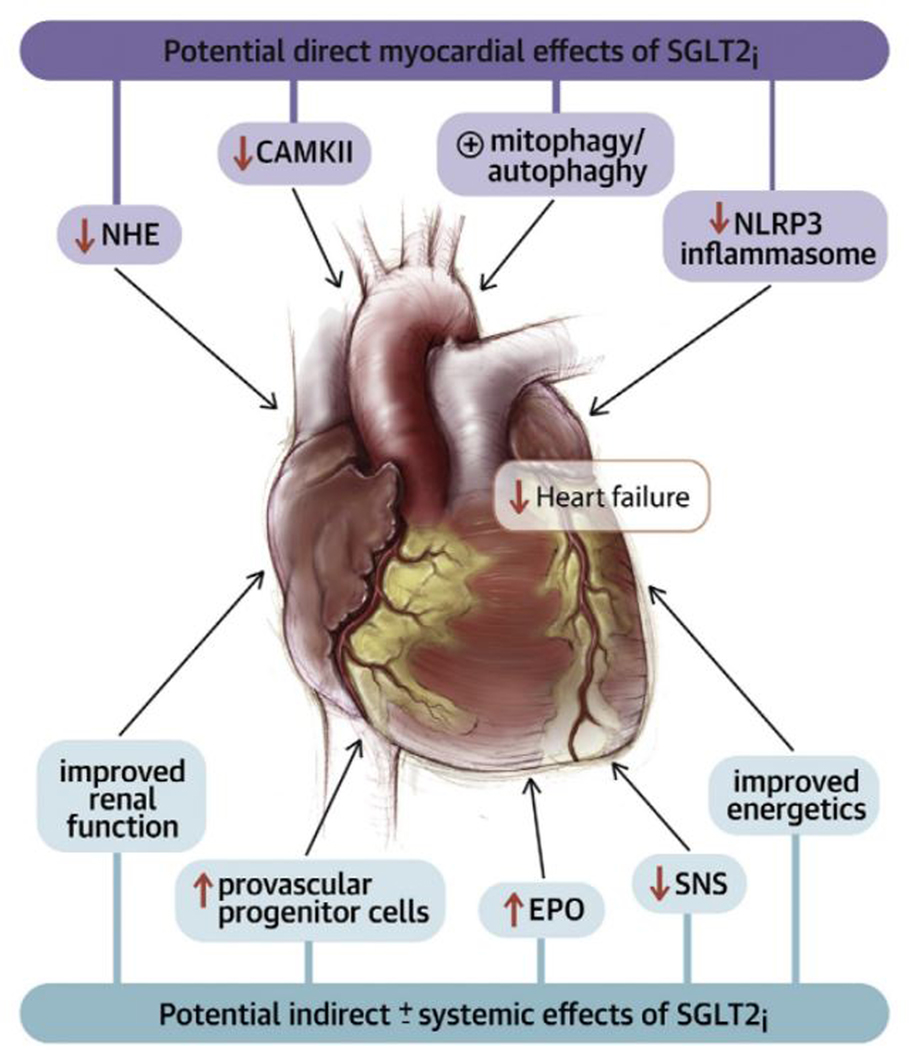
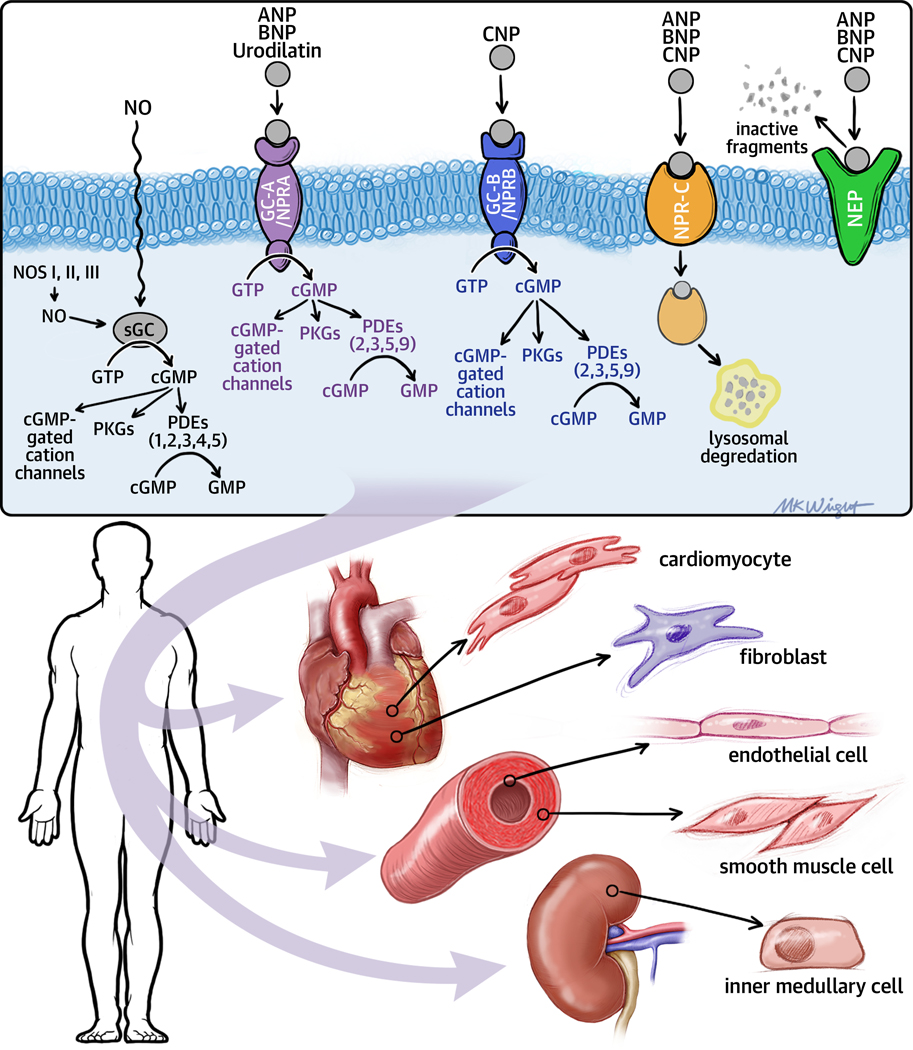
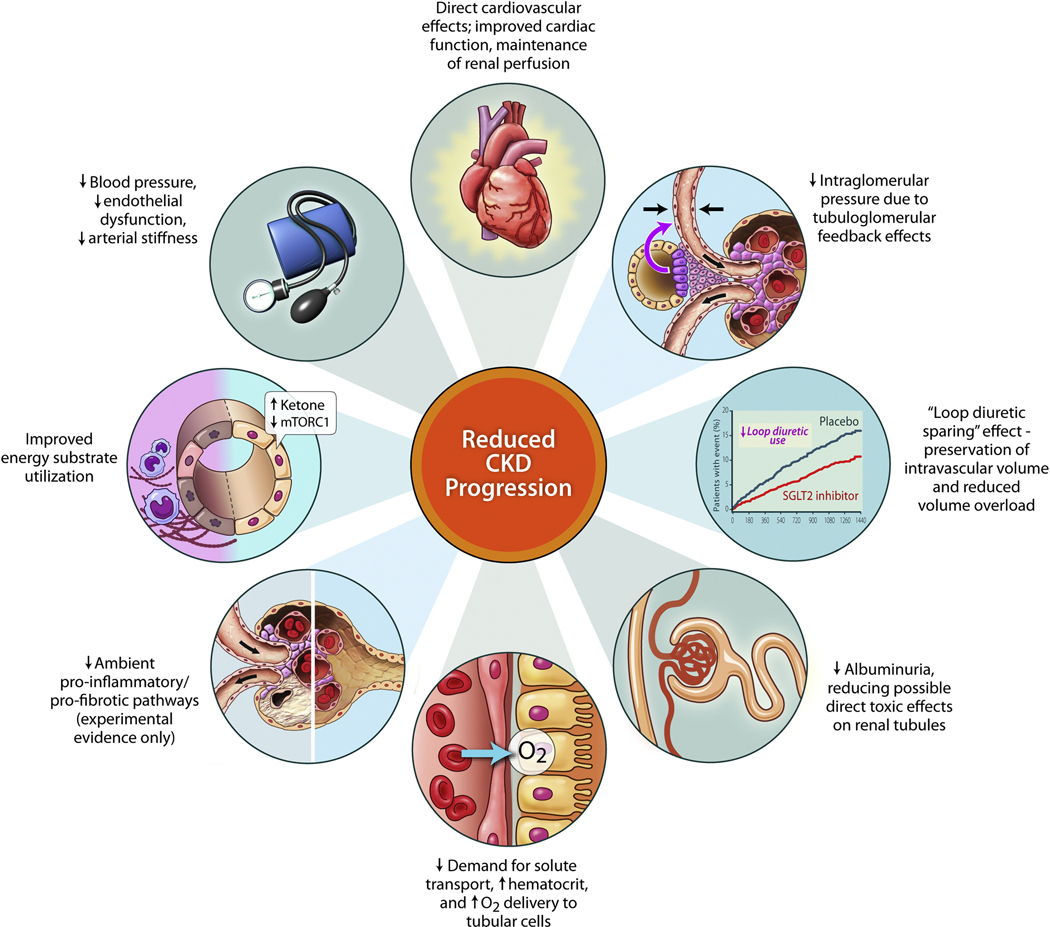
Despite multiple attempts to develop a unifying hypothesis that explains the pathophysiology of heart failure with a reduced ejection fraction (HFrEF), no single conceptual model has withstood the test of time. In the present review, we discuss how the results of recent successful phase III clinical development programs in HFrEF are built upon existing conceptual models for drug development. We will also discuss where recent successes in clinical trials do not fit existing models to identify areas where further refinement of current paradigms may be needed. To provide the necessary structure for this review, we will begin with a brief overview of the pathophysiology of HFrEF, followed by an overview of the current conceptual models for HFrEF, and end with an analysis of the scientific rationale and clinical development programs for 4 new therapeutic classes of drugs that have improved clinical outcomes in HFrEF. The 4 new therapeutic classes discussed are ARNIs, SGLT2 (sodium-glucose cotransporter 2) inhibitors, soluble guanylate cyclase stimulators, and myosin activators. With the exception of SGLT2 inhibitors, each of these therapeutic advances was informed by the insights provided by existing conceptual models of heart failure. Although the quest to determine the mechanism of action of SGLT2 inhibitors is ongoing, this therapeutic class of drugs may represent the most important advance in cardiovascular therapeutics of recent decades and may lead to rethinking or expanding our current conceptual models for HFrEF.
尽管人们多次试图提出一个统一的假说,以解释射血分数降低的心力衰竭(HFrEF)的病理生理学,但没有一个单一的概念模型能够经受住时间的考验。在本综述中,我们讨论了最近在 HFrEF 中成功的 III 期临床开发项目的结果如何建立在现有的药物开发概念模型之上。我们还将讨论最近临床试验中的成功之处与现有模型不吻合的地方,以确定需要进一步完善当前范式的领域。为了给本综述提供必要的结构,我们将首先简要概述 HFrEF 的病理生理学,然后概述当前的 HFrEF 概念模型,最后分析 4 种新的治疗类药物的科学原理和临床开发计划,这些药物改善了 HFrEF 的临床结局。讨论的 4 种新的治疗类别是 ARNIs、SGLT2(钠-葡萄糖共转运蛋白 2)抑制剂、可溶性鸟苷酸环化酶刺激剂和肌球蛋白激活剂。除了 SGLT2 抑制剂外,这些治疗进展中的每一种都得益于心力衰竭现有概念模型提供的见解。尽管确定 SGLT2 抑制剂作用机制的研究仍在进行中,但这类药物可能代表了最近几十年心血管治疗学最重要的进展,并可能导致我们重新思考或扩大我们当前的 HFrEF 概念模型。