IEEE Trans Ultrason Ferroelectr Freq Control. 2021 Sep;68(9):3042-3052. doi: 10.1109/TUFFC.2021.3079720. Epub 2021 Aug 27.
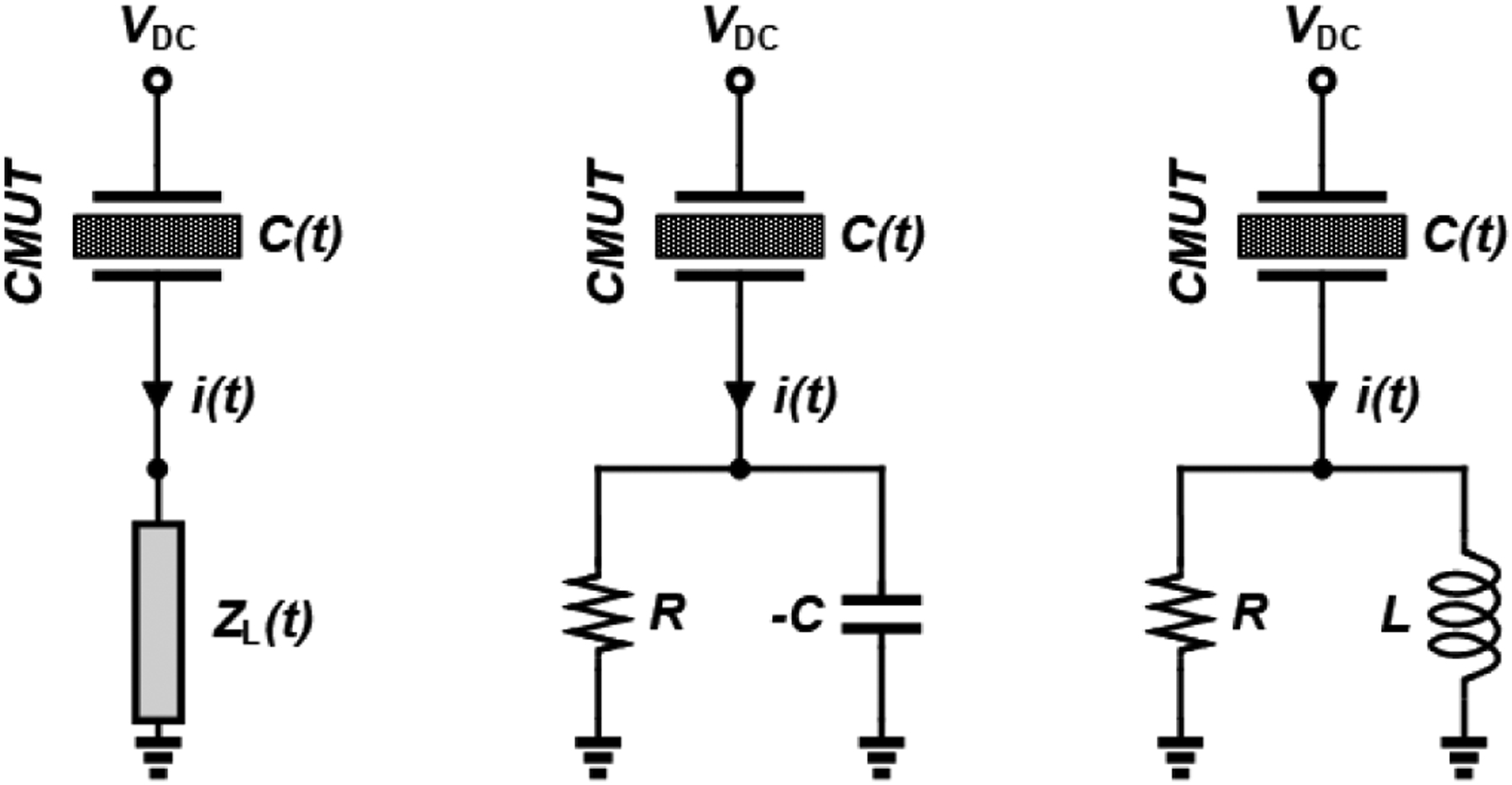
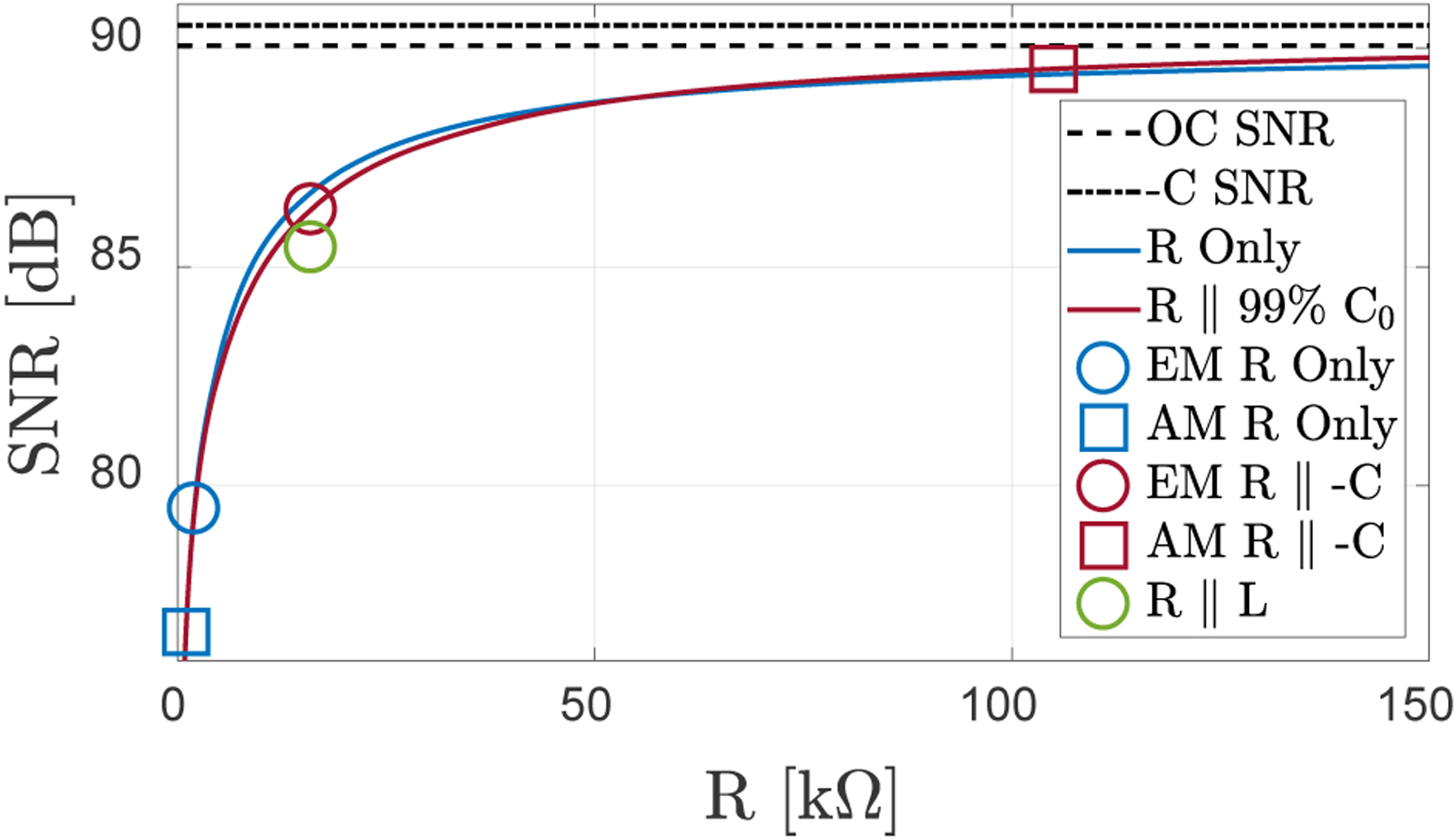
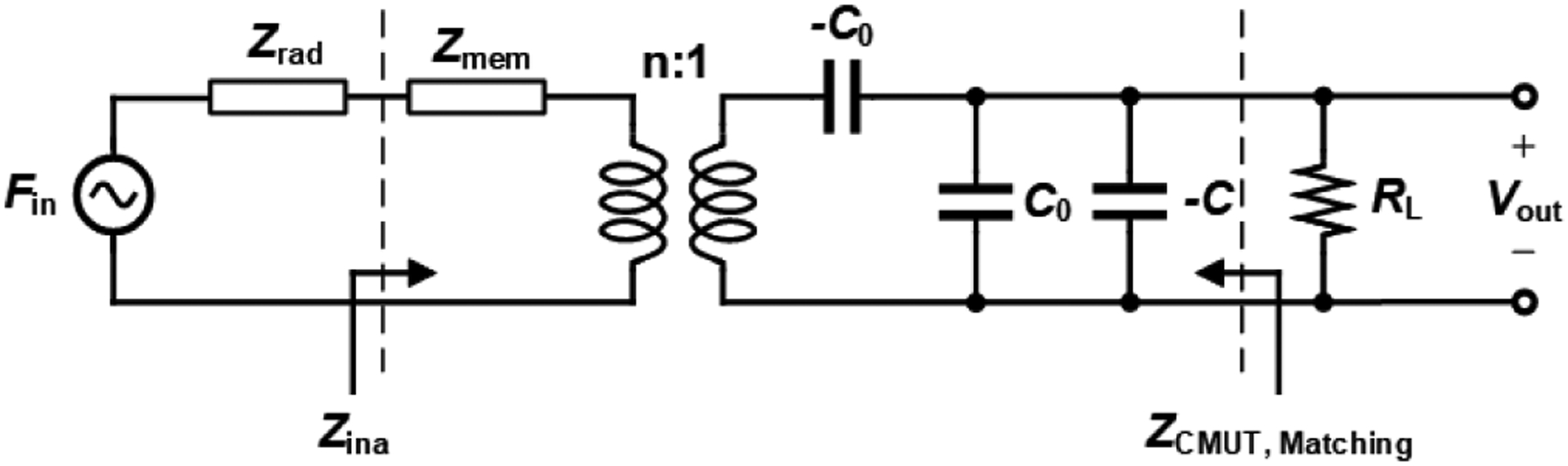
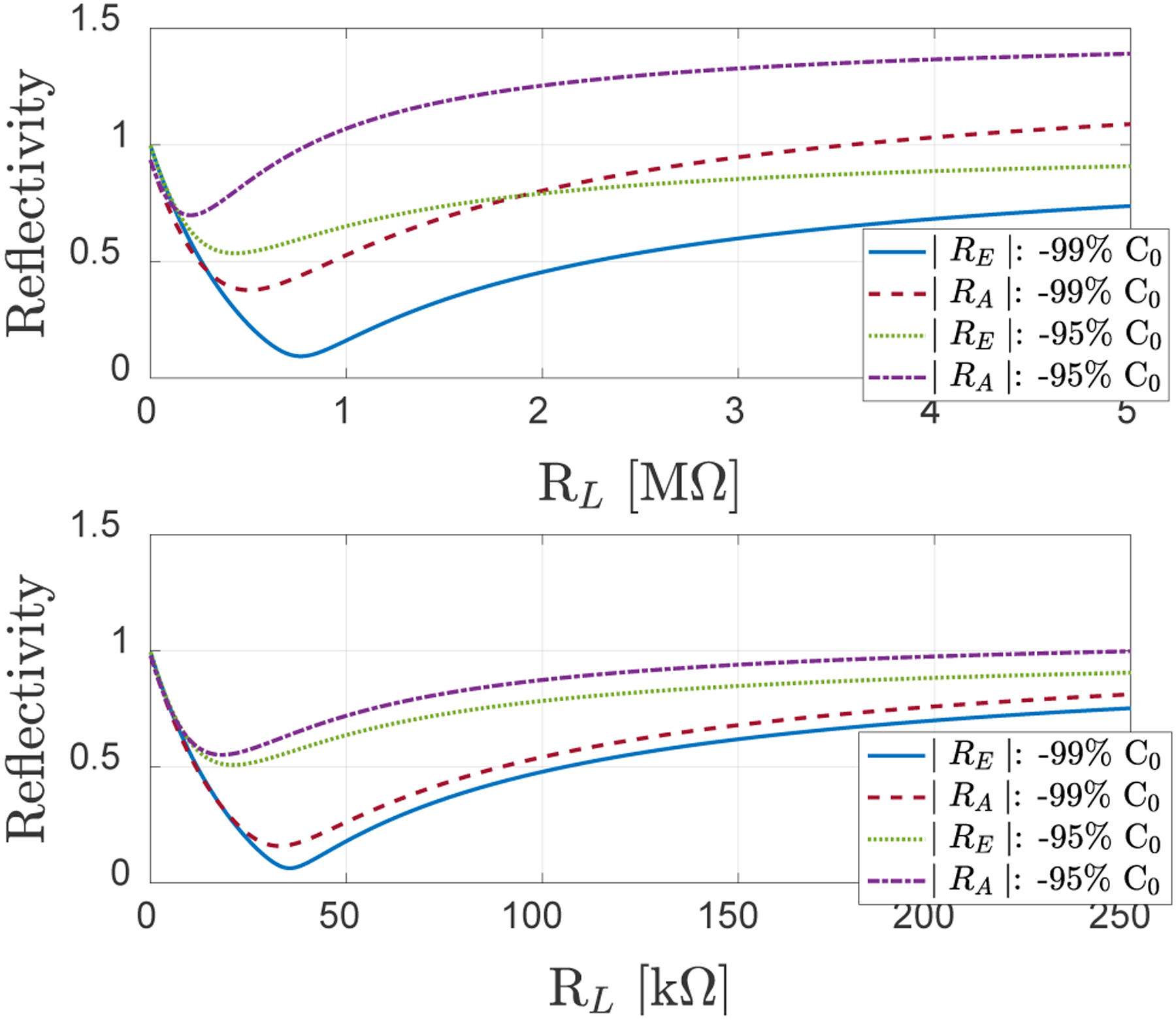
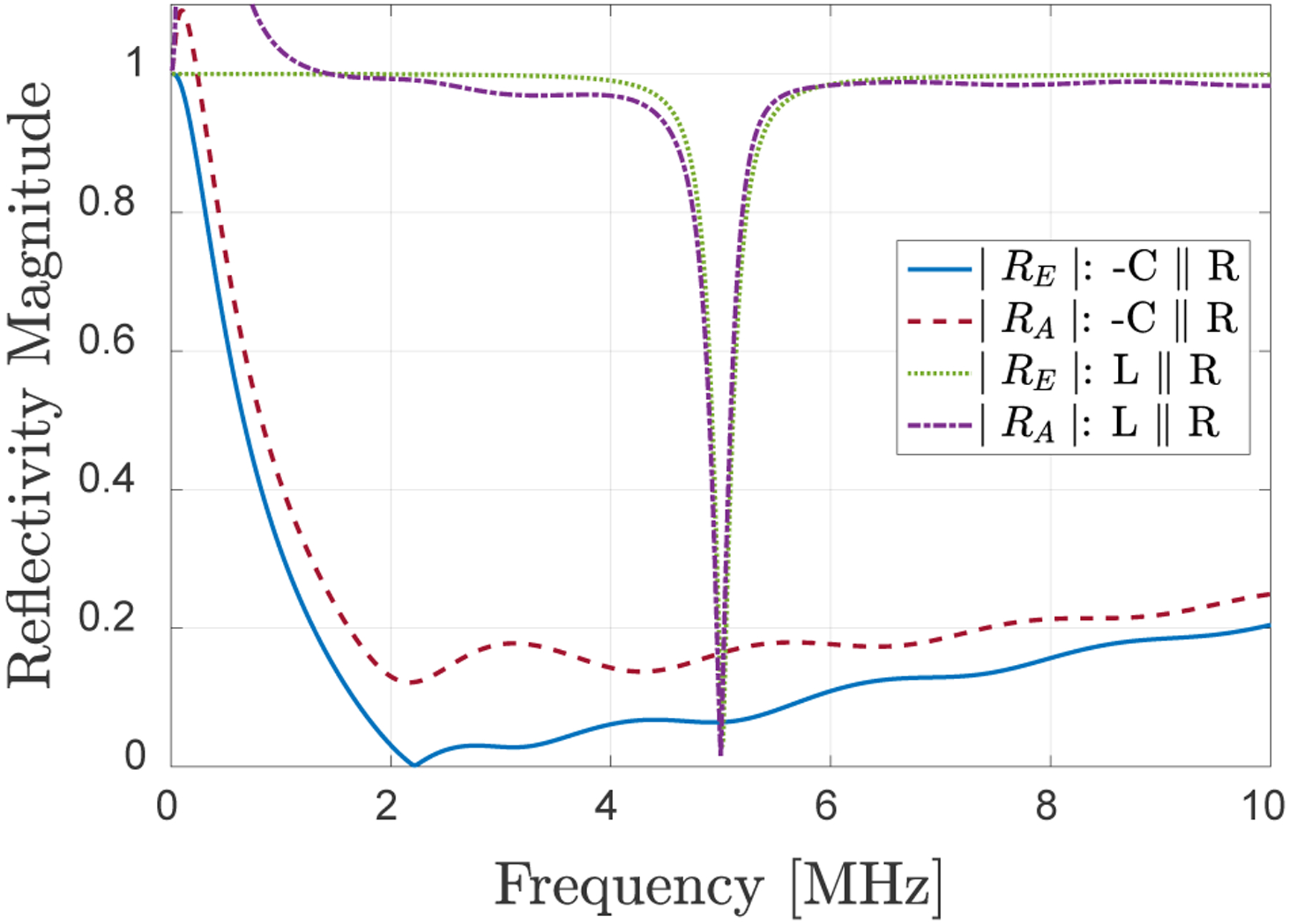
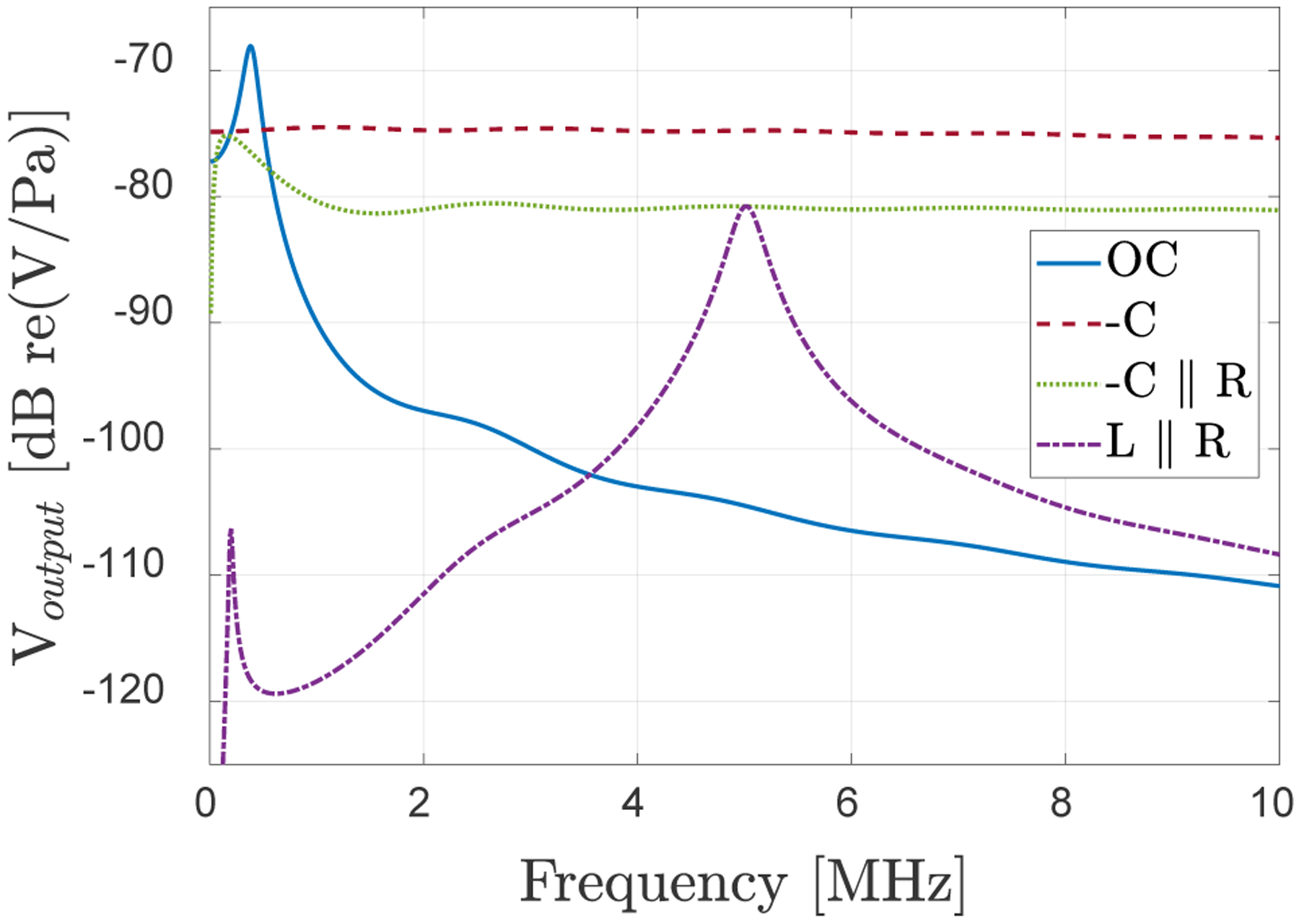
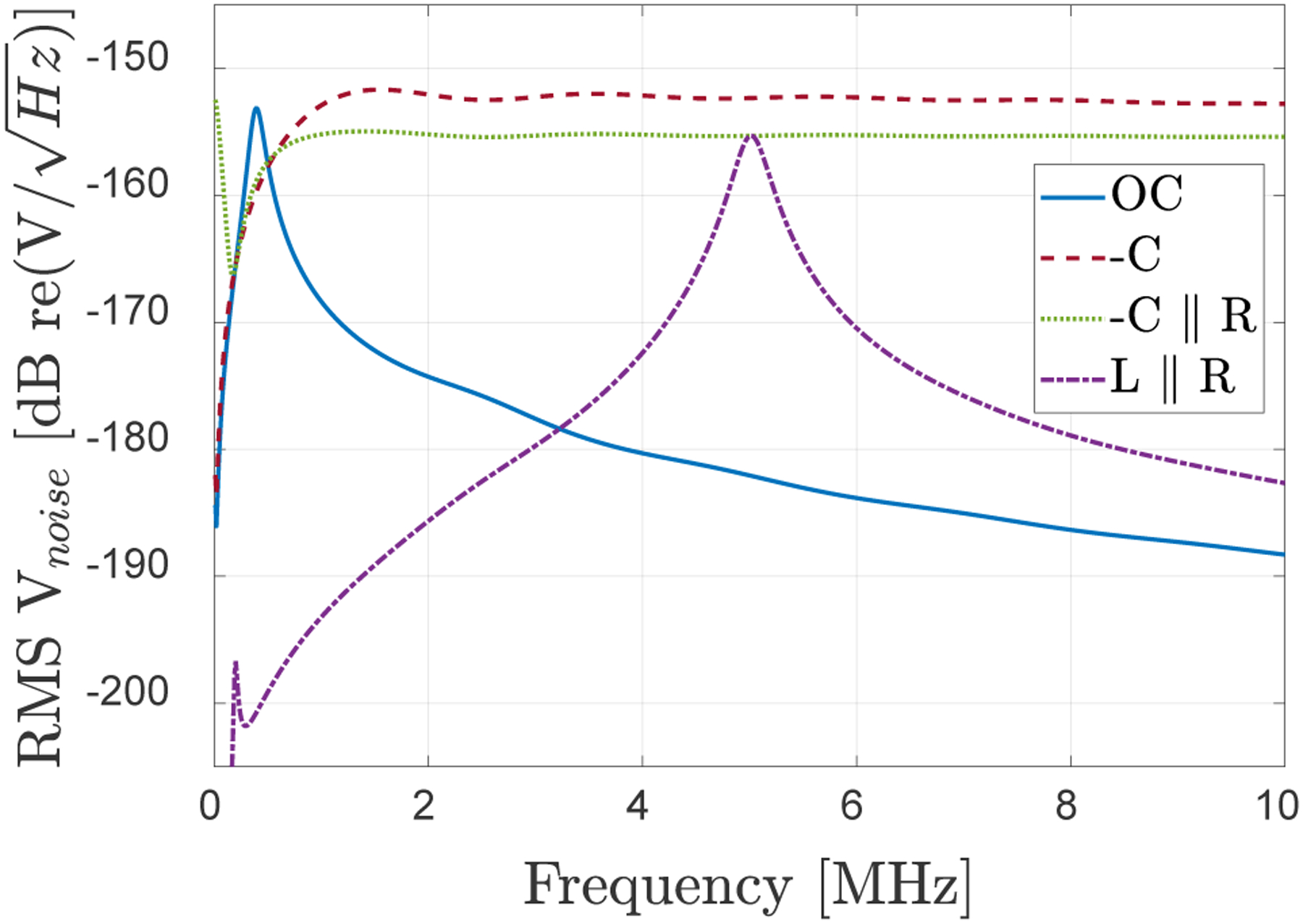
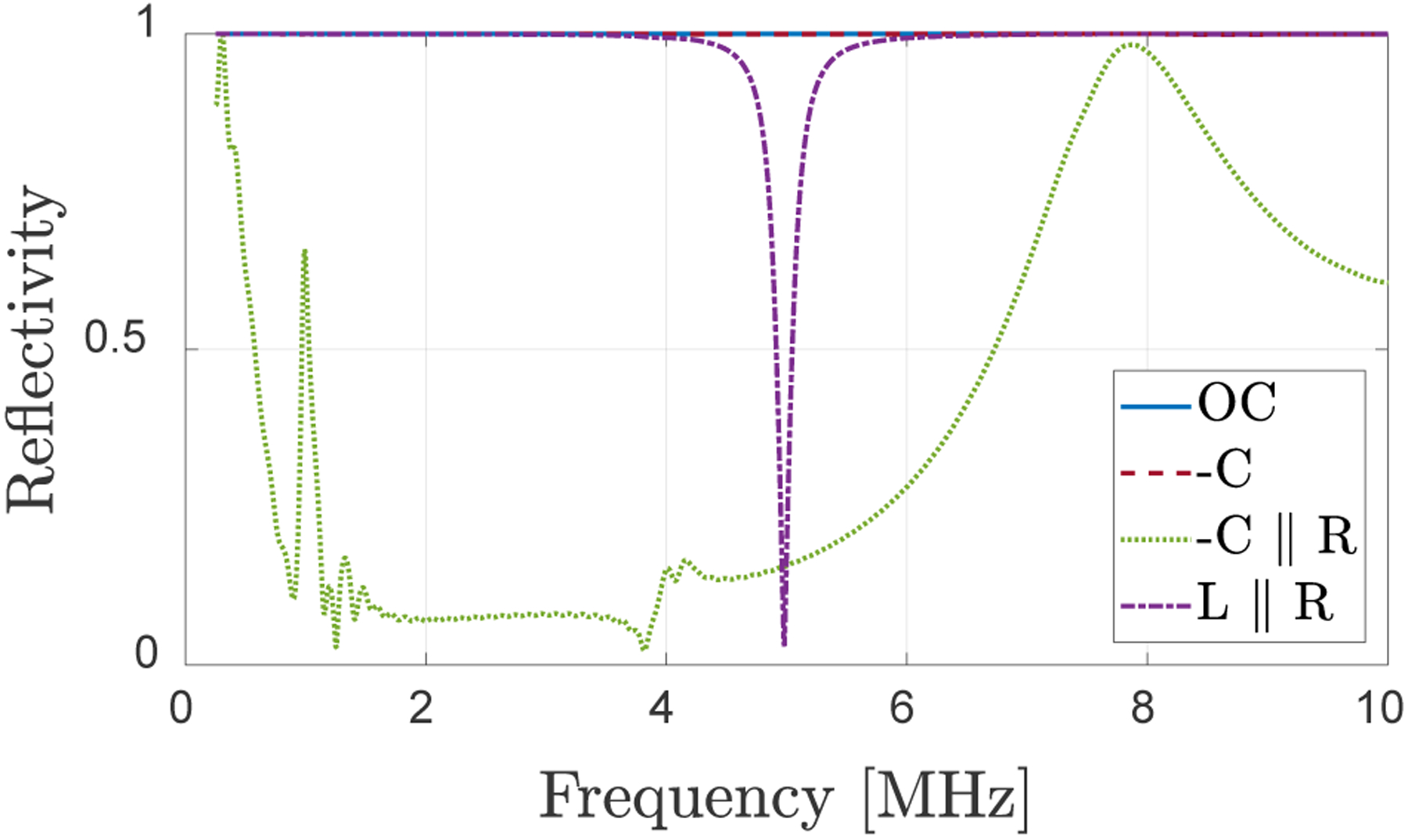
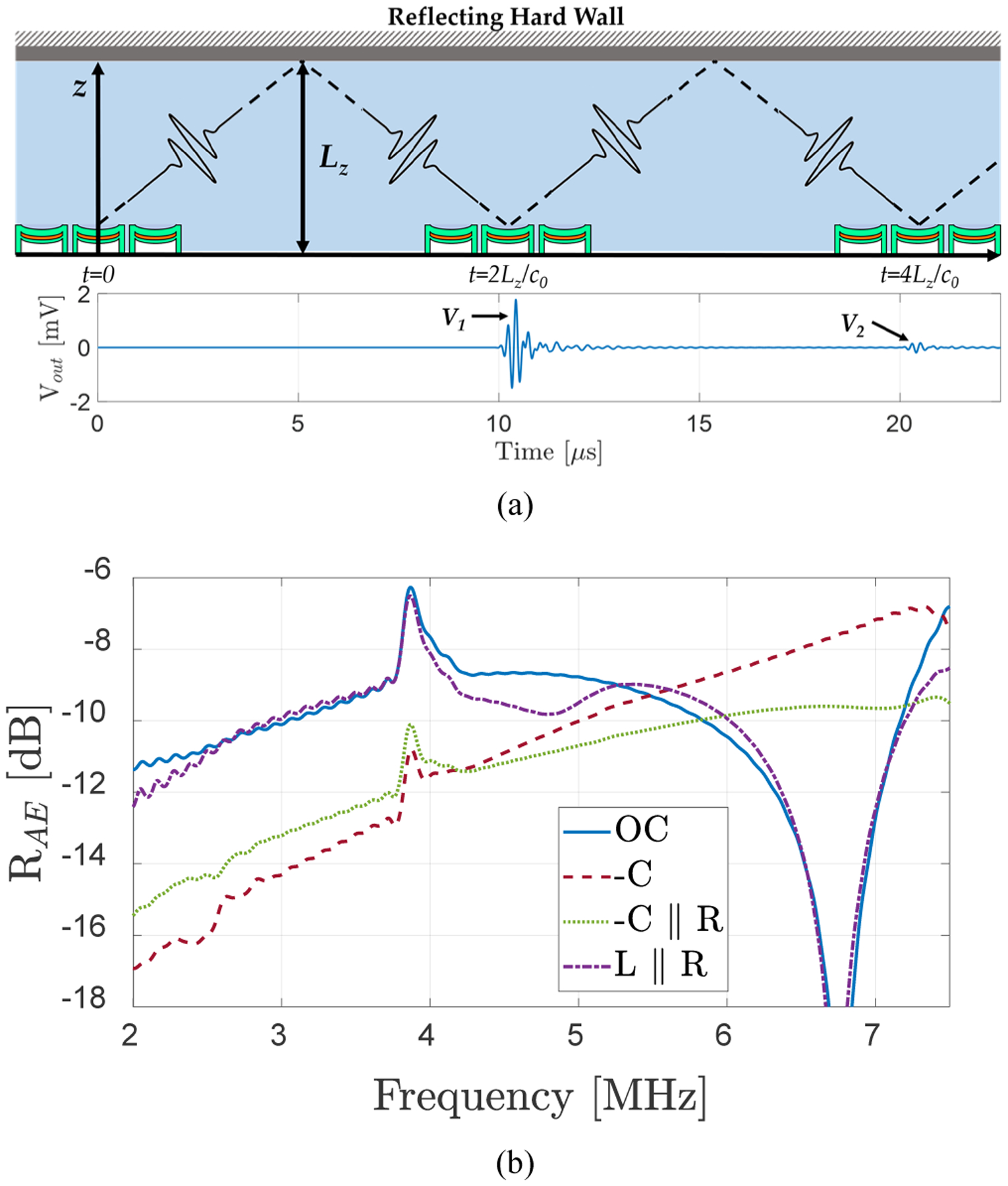
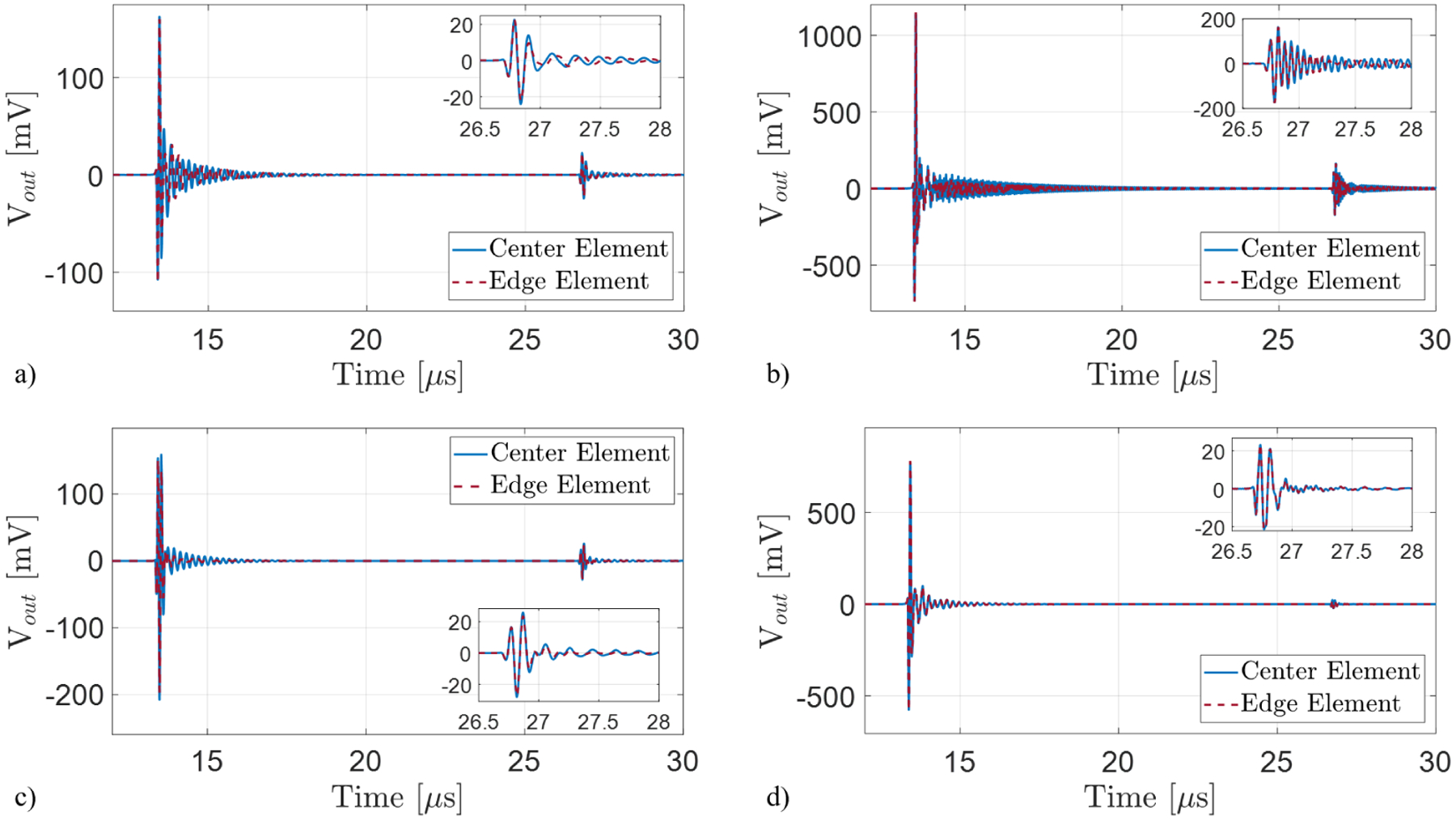
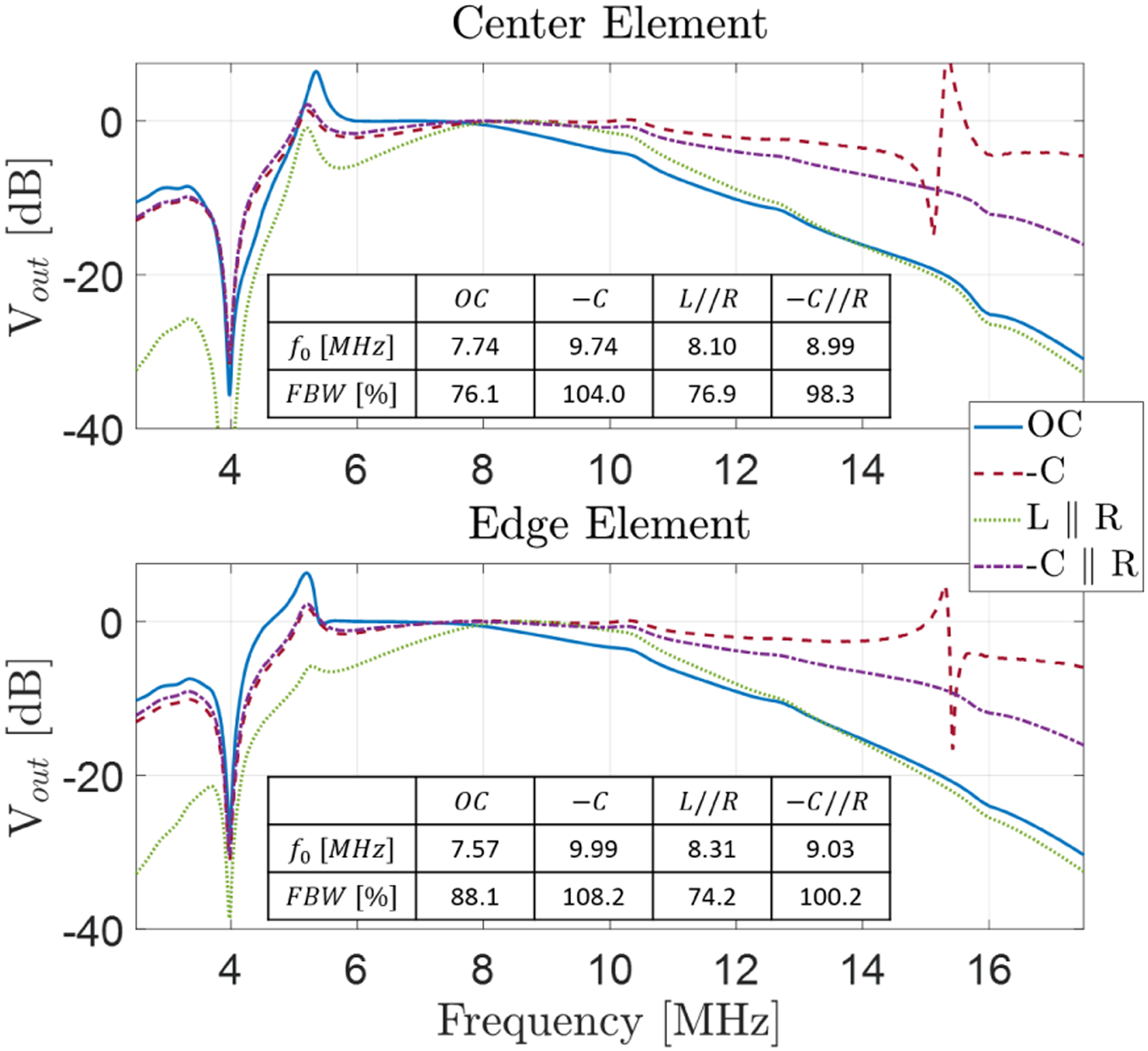
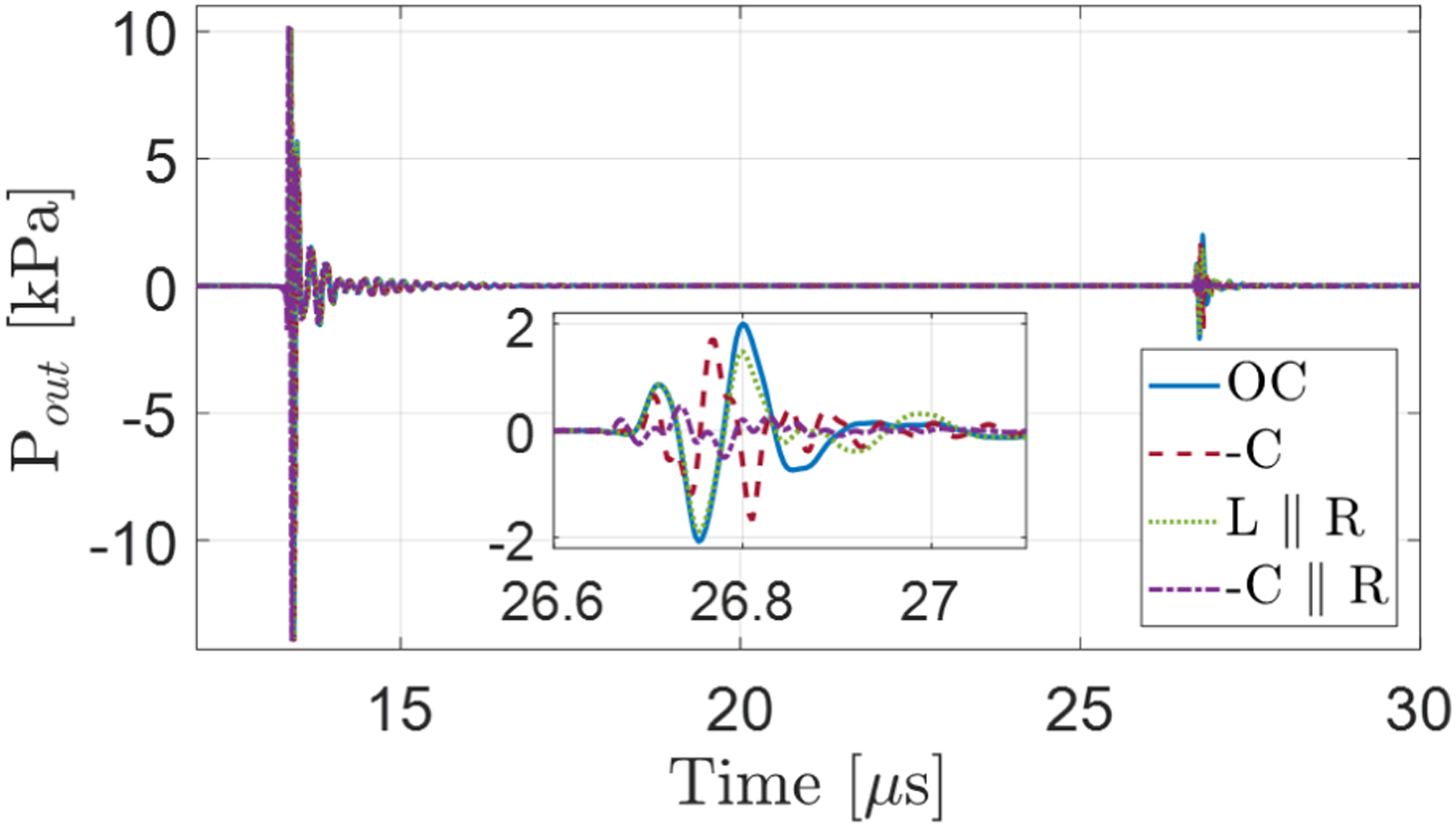
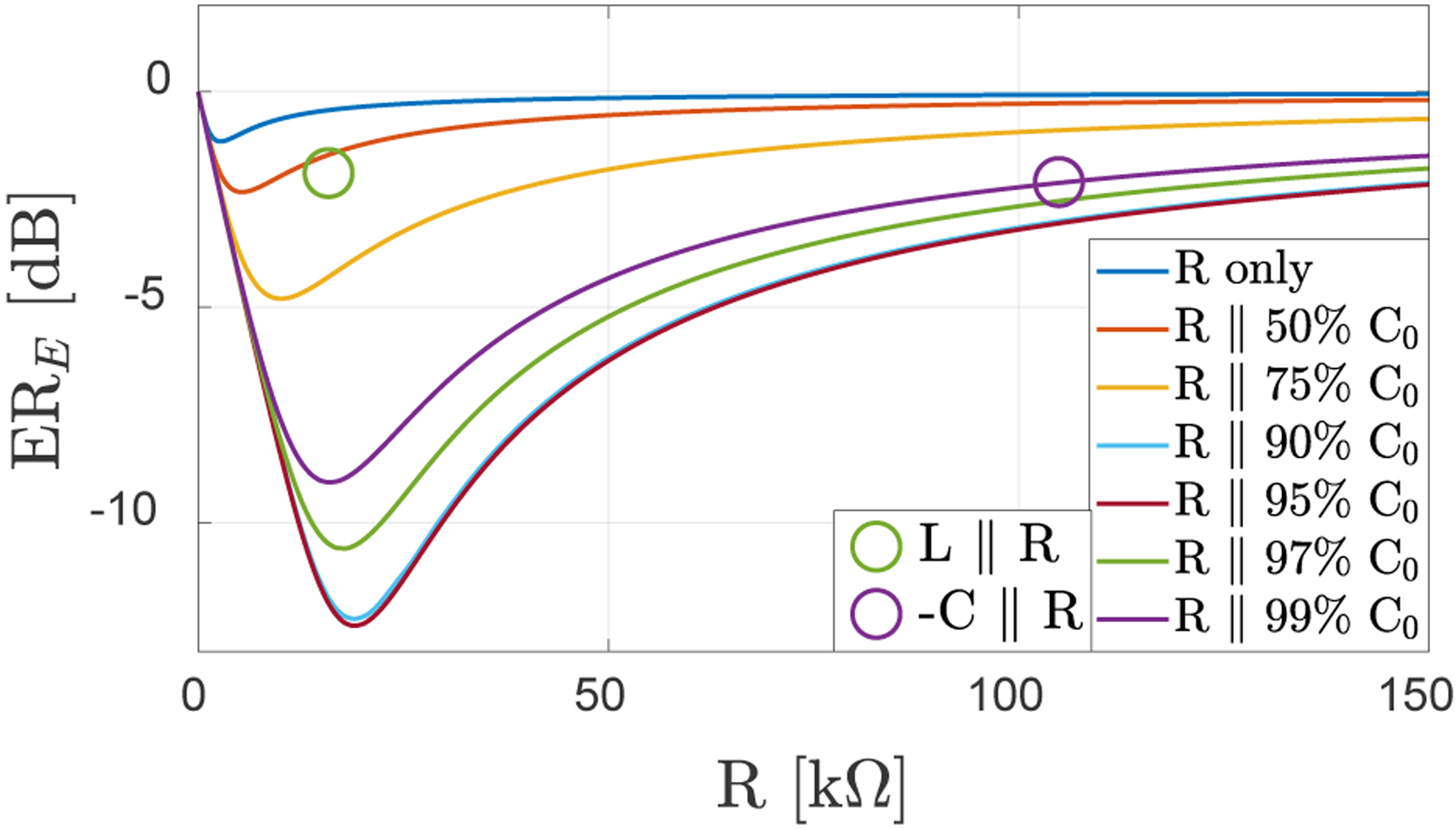
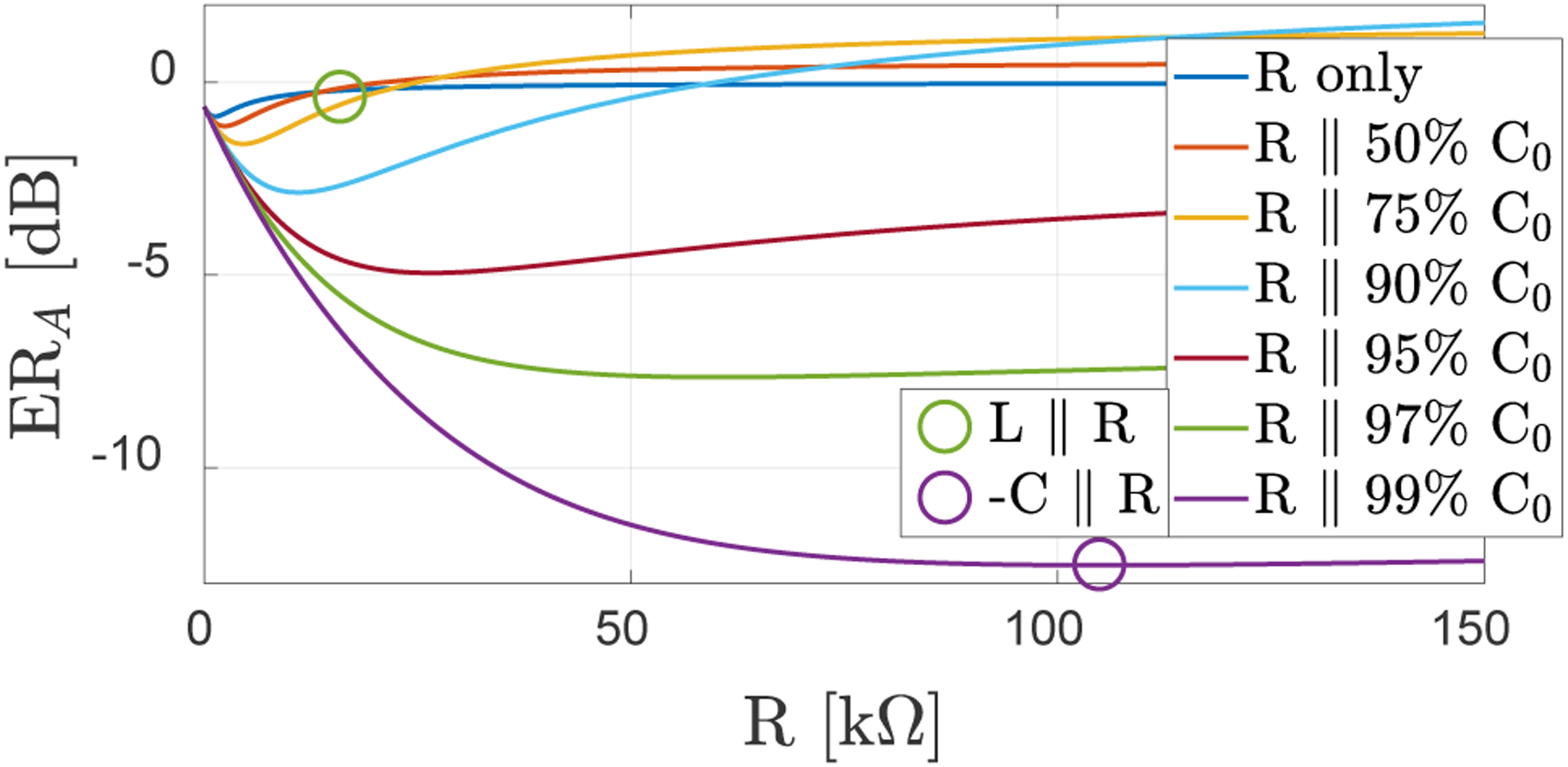
Tight integration of capacitive micromachined ultrasonic transducer (CMUT) arrays with integrated circuits can make active impedance matching feasible for practical imaging devices. In this article, negative capacitance-based impedance matching for CMUTs is investigated. Simple equivalent circuit model-based calculations show the potential of negative capacitance matching for improving the bandwidth along with electrical power transfer and acoustic reflectivity, but the model has limitations especially for acoustic reflectivity evaluation. For more realistic results, an experimentally validated CMUT array model is applied to a small 1-D CMUT array operating in the 5-15 MHz range. The results highlight the difference between electrical power transfer and acoustic reflectivity as well as the tradeoffs in signal-to-noise ratio (SNR). According to the results, ideal negative capacitance termination matched to the CMUT capacitance provides the broadest bandwidth and highest SNR if acoustic or electrical reflections are of no concern. On the other hand, negative capacitance and resistance matching to minimize acoustic reflectivity provides both lower reflection and closer to ideal SNR as compared with electrical power matching. It is observed that acoustic matching also reduces acoustic crosstalk and improves array uniformity. While several challenges for integrated circuit implementation are present, negative capacitance-based impedance matching can be a viable broadband active impedance matching method for CMUTs operating in conventional and collapsed mode as well as other ultrasound transducers with mainly capacitive impedance.
电容式微机械超声换能器 (CMUT) 阵列与集成电路的紧密集成可以使有源阻抗匹配在实际成像设备中成为可能。本文研究了基于负电容的 CMUT 阻抗匹配。基于简单等效电路模型的计算表明,负电容匹配具有改善带宽以及电功率传输和声学反射率的潜力,但该模型尤其在声学反射率评估方面存在局限性。为了获得更实际的结果,应用了经过实验验证的 CMUT 阵列模型来模拟工作在 5-15MHz 范围内的小型 1-D CMUT 阵列。结果突出了电功率传输和声学反射率之间的差异,以及信噪比 (SNR) 的权衡。根据结果,如果不考虑声电反射,理想的负电容终端与 CMUT 电容匹配可提供最宽的带宽和最高的 SNR。另一方面,为了最小化声学反射率而进行的负电容和电阻匹配可提供比电功率匹配更低的反射率和更接近理想的 SNR。观察到声学匹配还降低了声串扰并提高了阵列的均匀性。虽然存在集成电路实现的一些挑战,但基于负电容的阻抗匹配可以成为 CMUT 工作在传统模式和崩溃模式以及其他主要具有电容性阻抗的超声换能器的可行的宽带有源阻抗匹配方法。