Zhu Kaixin, Zhu Yibai, Hou Xiaoxiang, Chen Wen, Qu Xiaolin, Zhang Yelei, Li Zhenxing, Wang Chunhui, Chen Jigang, Lv Liquan, Wang Junyu, Zhang Danfeng, Hou Lijun
Department of Neurosurgery, Changzheng Hospital, Naval Medical University, Shanghai, China.
Front Neurosci. 2021 Apr 29;15:621477. doi: 10.3389/fnins.2021.621477. eCollection 2021.
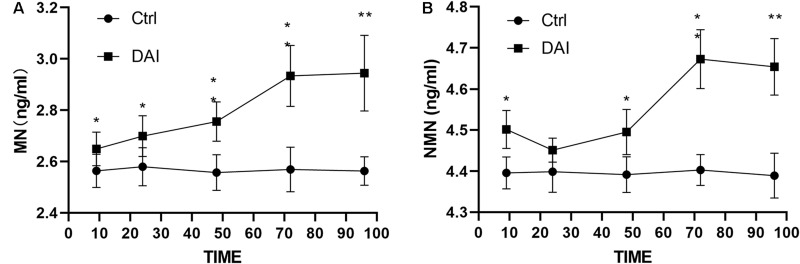
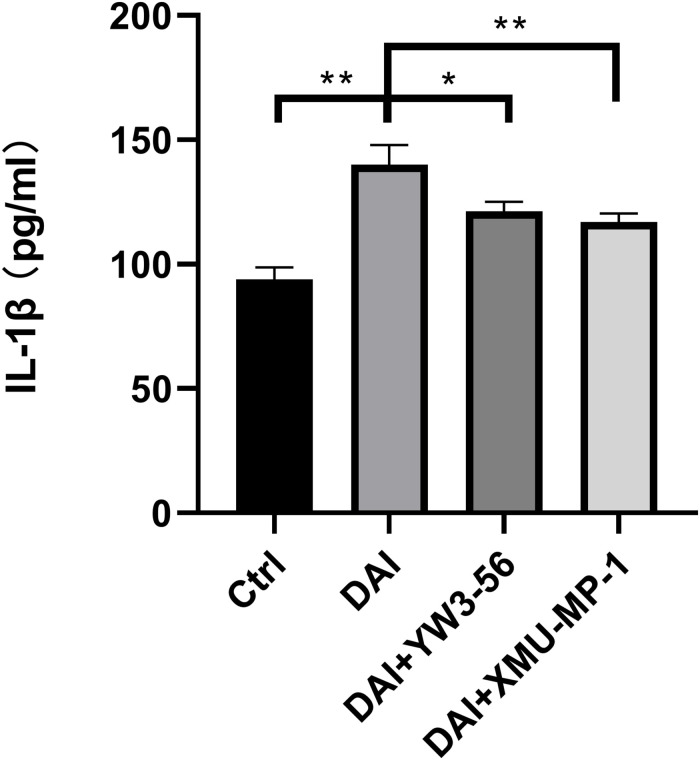
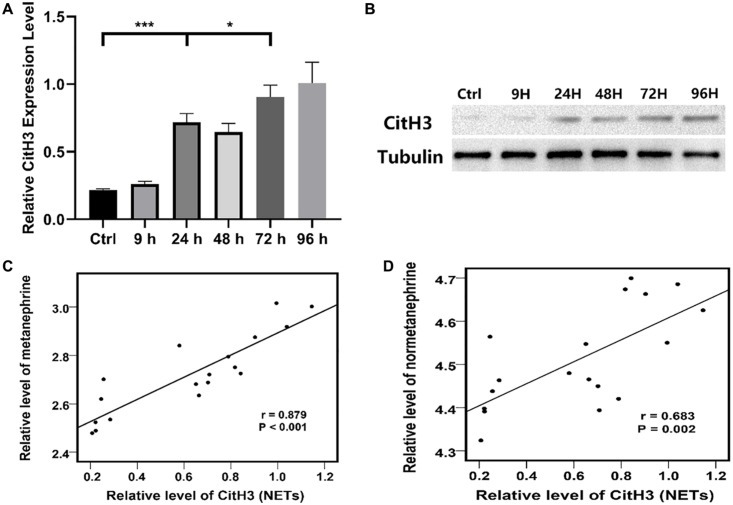
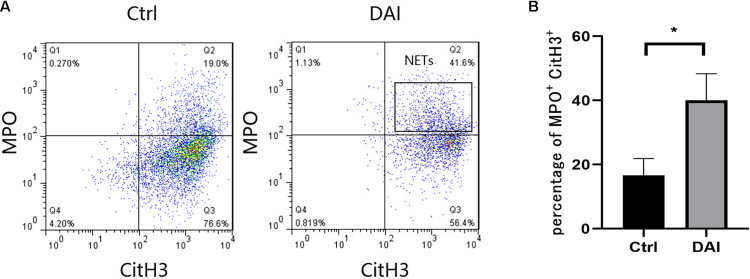
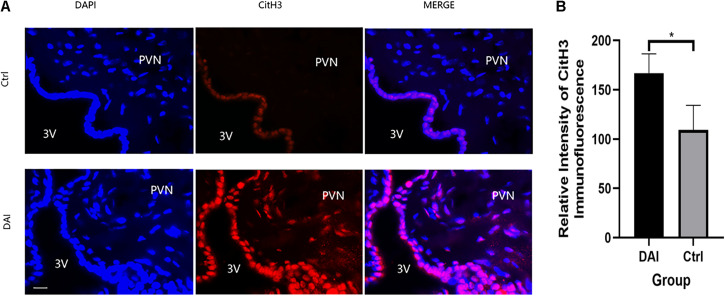
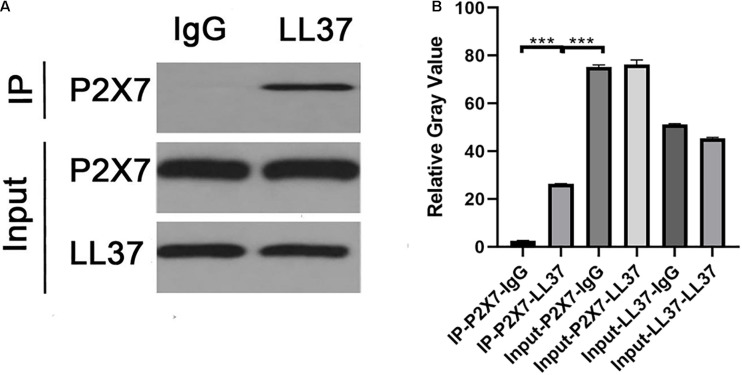
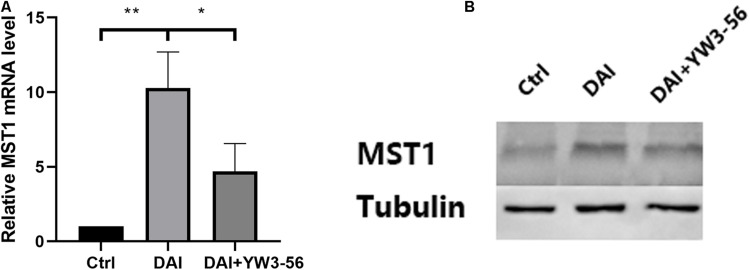
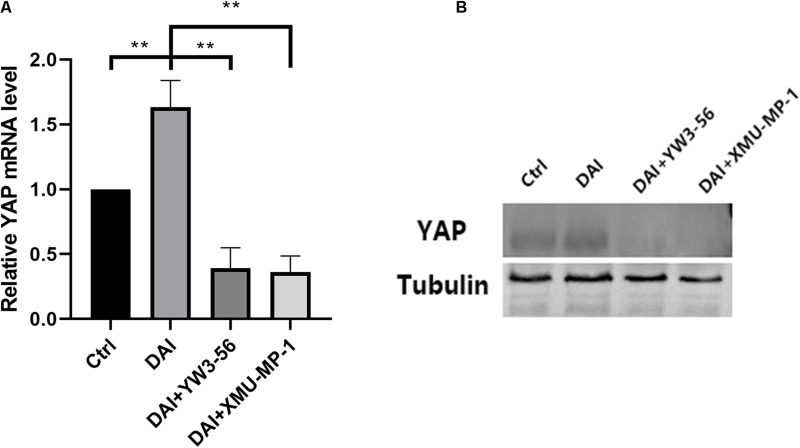
Paroxysmal sympathetic hyperactivity (PSH) is one of the important reasons for the high mortality and morbidity of traumatic brain injury (TBI). We aim to explore the role of the neutrophil extracellular traps (NETs) in the pathogenesis of sympathetic hyperexcitability after TBI and the underlying mechanisms, providing evidence for clinical treatment. Enzyme-linked immunosorbent assay was used to assess the plasma metanephrine and normetanephrine levels which represented the variation of the sympathetic system after TBI with rat diffuse axonal injury (DAI) model. NETs in the paraventricular nucleus (PVN) and circulating blood were examined using immunofluorescence and flow cytometry. Neutrophils-microglia co-culture system was established to further explore the effect of NETs on PSH and its mechanisms. After TBI, metanephrine and normetanephrine levels began to increase at 9 h and peaked at 72 h. After the injury, the level of NETs kept increasing at 24 and 72 h in the PVN. A positive correlation was found between the concentration of the PVN NETs and blood catecholamine. Flow cytometry of peripheral blood cells revealed that NETs level in the injury group was higher than that in the control group. Immunofluorescence results confirmed the presence of NETs in the PVN after TBI. The positive result of immunoprecipitation suggested a correlation effect between LL37 and P2 × 7. Peptidyl arginine deiminase-4 (PAD4) inhibitor could inhibit the expression levels of MST1, YAP, and IL-1β. The hippo/MST1 pathway inhibitor could inhibit the expression levels of YAP and IL-1β. NETs formation in the PVN might be associated with sympathetic hyperactivity after TBI, which might relate to the activation of microglia cells and increased secretion of IL-1β via the hippo/MST1 pathway.
阵发性交感神经过度兴奋(PSH)是创伤性脑损伤(TBI)死亡率和发病率居高不下的重要原因之一。我们旨在探讨中性粒细胞胞外陷阱(NETs)在TBI后交感神经过度兴奋发病机制中的作用及其潜在机制,为临床治疗提供依据。采用酶联免疫吸附测定法评估血浆间甲肾上腺素和去甲间肾上腺素水平,以大鼠弥漫性轴索损伤(DAI)模型代表TBI后交感神经系统的变化。使用免疫荧光和流式细胞术检测室旁核(PVN)和循环血液中的NETs。建立中性粒细胞-小胶质细胞共培养系统,进一步探讨NETs对PSH的影响及其机制。TBI后,间甲肾上腺素和去甲间肾上腺素水平在9小时开始升高,并在72小时达到峰值。损伤后,PVN中NETs水平在24小时和72小时持续升高。PVN中NETs浓度与血儿茶酚胺之间存在正相关。外周血细胞流式细胞术显示,损伤组的NETs水平高于对照组。免疫荧光结果证实TBI后PVN中存在NETs。免疫沉淀阳性结果表明LL37与P2×7之间存在相关效应。肽基精氨酸脱亚氨酶4(PAD4)抑制剂可抑制MST1、YAP和IL-1β的表达水平。河马/MST1通路抑制剂可抑制YAP和IL-1β的表达水平。PVN中NETs的形成可能与TBI后交感神经过度兴奋有关,这可能与小胶质细胞的激活以及通过河马/MST1通路增加IL-1β的分泌有关。