Gautam Milan, Kim Jong Oh, Yong Chul Soon
College of Pharmacy, Yeungnam University, 214-1 Dae-Dong, Gyeongsan, 712-749 Republic of Korea.
J Pharm Investig. 2021;51(4):361-375. doi: 10.1007/s40005-021-00523-1. Epub 2021 May 12.
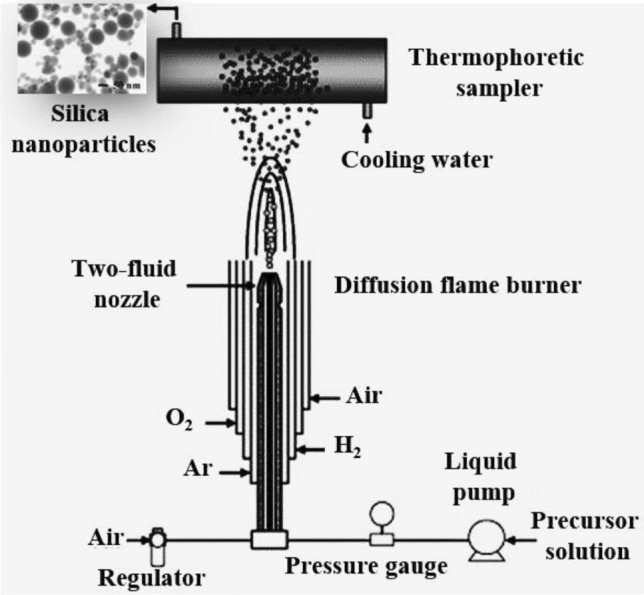
Traditionally, nanoparticles for biomedical applications have been produced via the classical wet chemistry method, with size control remaining a major problem in drug delivery. In recent years, advances in aerosol-based technologies have led to the development of methods that enable the production of nanosized particles and have opened up new opportunities in the field of nano-drug delivery and biomedicine. Aerosol-based technologies have been constantly used to synthesize multifunctional nanoparticles with different properties, which extends their possible biological and medicinal applications. Moreover, aerosol technologies are often more beneficial than other existing approaches because of the major disadvantages of these other techniques.
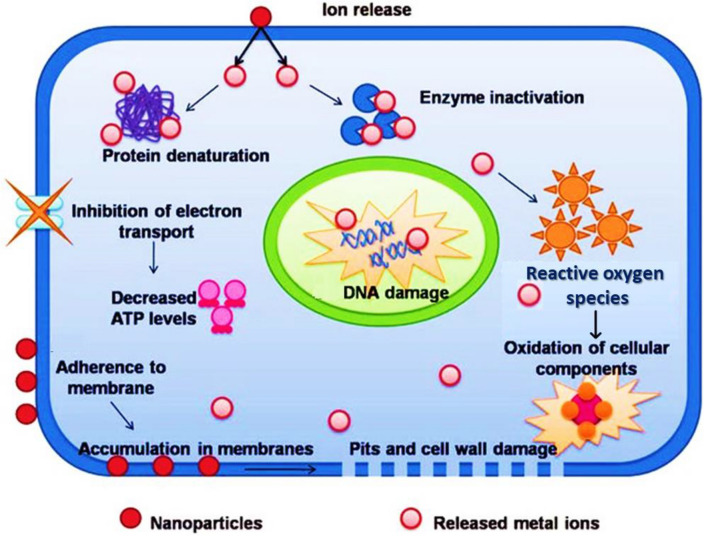
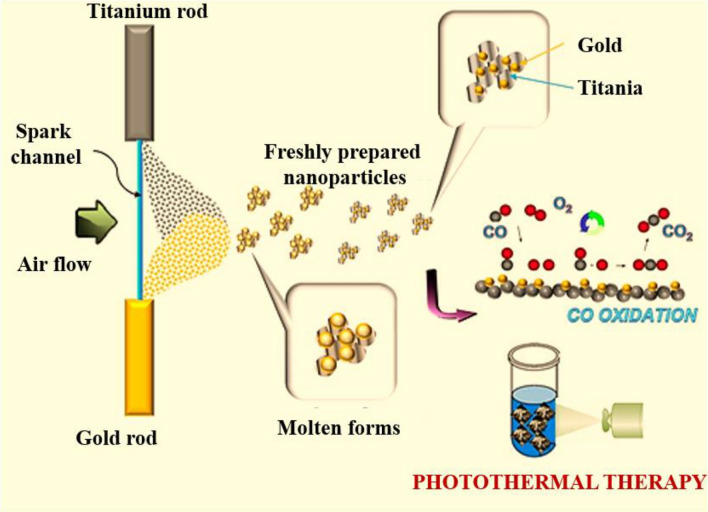
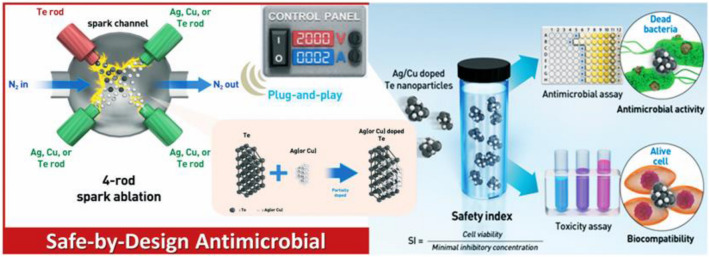
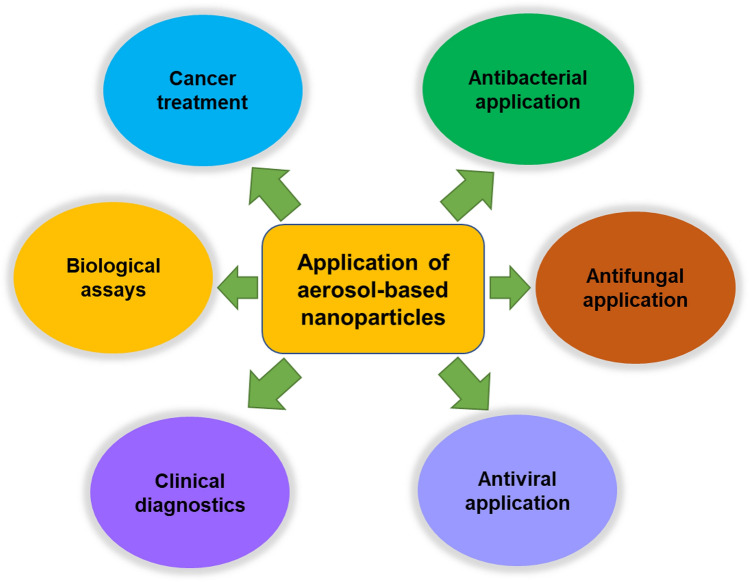
This review provides a brief discussion of the existing aerosol-based nanotechnologies and applications of nanoparticles in a variety of diseases. Various types of nanoparticles, such as graphene oxide, Prussian blue, black phosphorous, gold, copper, silver, tellurium, iron oxide, titania, magnesium oxide, and zinc oxide nanoparticles, prepared using aerosol technologies are discussed in this review. The different tactics used for surface modifications are also outlined. The biomedical applications of nanoparticles in chemotherapy, bacterial/fungal/viral treatment, disease diagnosis, and biological assays are also presented in this review.
Aerosol-based technologies can be used to design nanoparticles with the desired functionality. This significantly benefits the nanomedicine field, particularly as product parameters are becoming more encompassing and exacting. One of the biggest issues with conventional methods is their scale-up/scale-down and clinical translation. Aerosol-based nanoparticle synthesis helps enhance control over the product properties and facilitate their use for clinical applications.
传统上,用于生物医学应用的纳米颗粒是通过经典的湿化学方法制备的,尺寸控制仍然是药物递送中的一个主要问题。近年来,基于气溶胶的技术取得了进展,催生了能够生产纳米级颗粒的方法,并在纳米药物递送和生物医学领域开辟了新机遇。基于气溶胶的技术一直被用于合成具有不同特性的多功能纳米颗粒,这扩展了它们可能的生物学和医学应用。此外,由于其他技术存在重大缺点,气溶胶技术往往比其他现有方法更具优势。
本综述简要讨论了现有的基于气溶胶的纳米技术以及纳米颗粒在多种疾病中的应用。本综述讨论了使用气溶胶技术制备的各种类型的纳米颗粒,如氧化石墨烯、普鲁士蓝、黑磷、金、铜、银、碲、氧化铁、二氧化钛、氧化镁和氧化锌纳米颗粒。还概述了用于表面改性的不同策略。本综述还介绍了纳米颗粒在化疗、细菌/真菌/病毒治疗、疾病诊断和生物测定中的生物医学应用。
基于气溶胶的技术可用于设计具有所需功能的纳米颗粒。这对纳米医学领域大有裨益,尤其是在产品参数变得更加全面和严格的情况下。传统方法最大的问题之一是其放大/缩小以及临床转化。基于气溶胶的纳米颗粒合成有助于加强对产品特性的控制,并便于其用于临床应用。