Cai Xiangming, Yuan Feng, Zhu Junhao, Yang Jin, Tang Chao, Cong Zixiang, Ma Chiyuan
School of Medicine, Southeast University, Nanjing, China.
School of Medicine, Nanjing University, Nanjing, China.
Front Oncol. 2021 Apr 29;11:672928. doi: 10.3389/fonc.2021.672928. eCollection 2021.
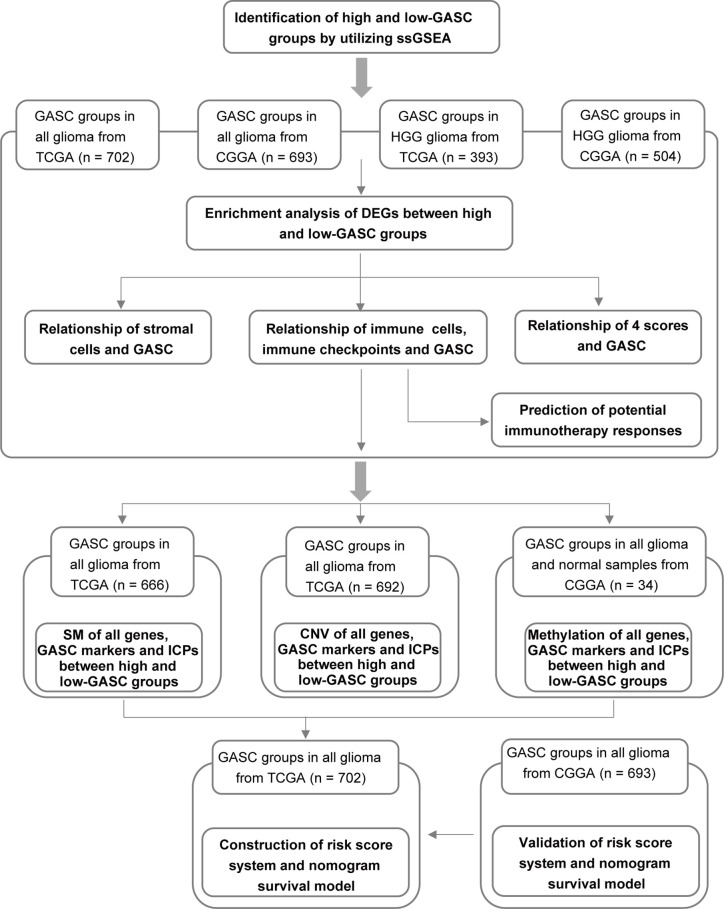
The glioma-associated stromal cell (GASC) is a recently identified type of cell in the glioma microenvironment and may be a prognostic marker for glioma. However, the potential mechanisms of GASCs in the glioma microenvironment remain largely unknown. In this work, we aimed to explore the mechanisms of GASCs in gliomas, particularly in high-grade gliomas (HGG).
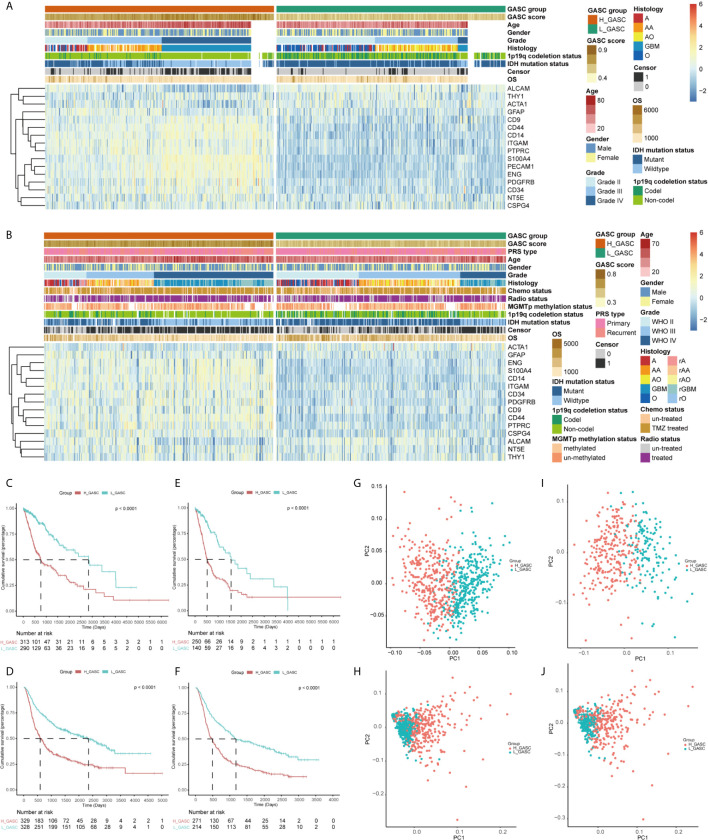
We used glioma datasets from The Cancer Genome Atlas (TCGA) and the Chinese Glioma Genome Atlas (CGGA). We utilized the Single-sample Gene Set Enrichment Analysis (ssGSEA) algorithm to discriminate between patients with high or low GASC composition. The xCELL and CIBERSORT algorithms were used to analyze the composition of stromal cells and immune cells. Risk score and a nomogram model were constructed for prognostic prediction of glioma.
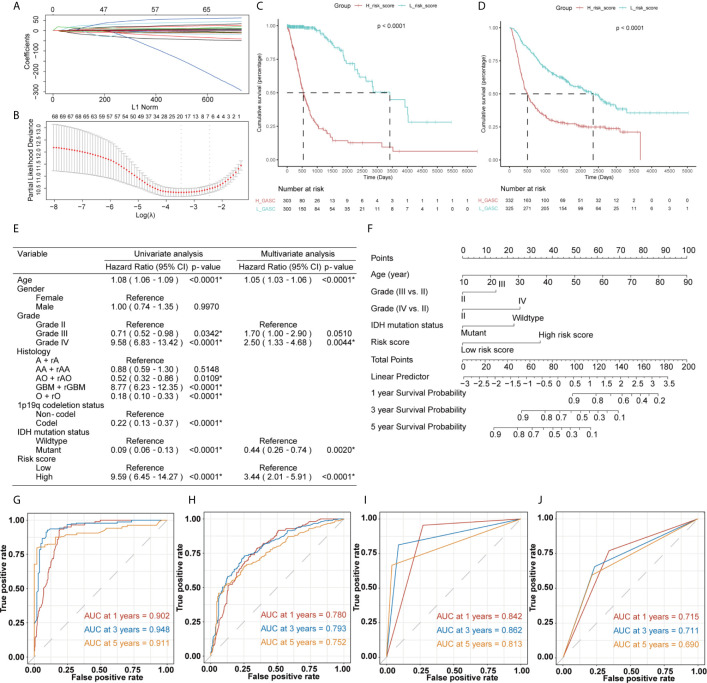
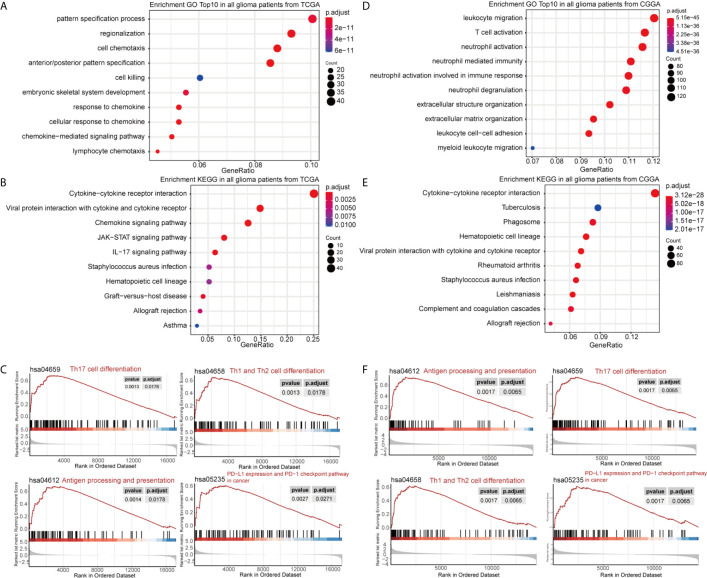
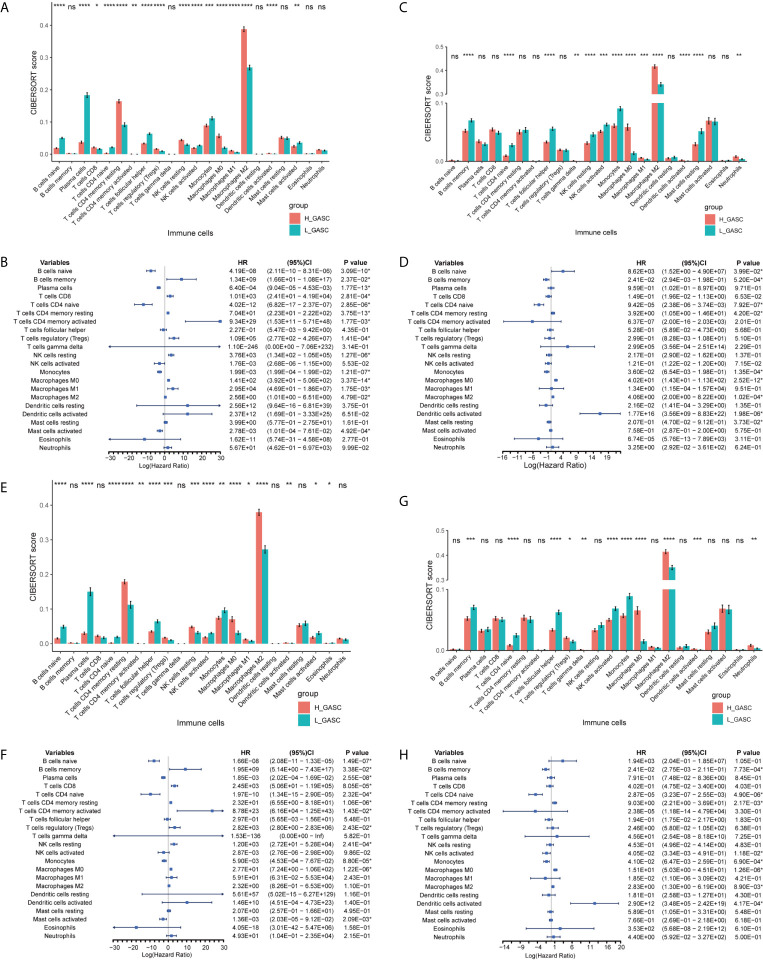
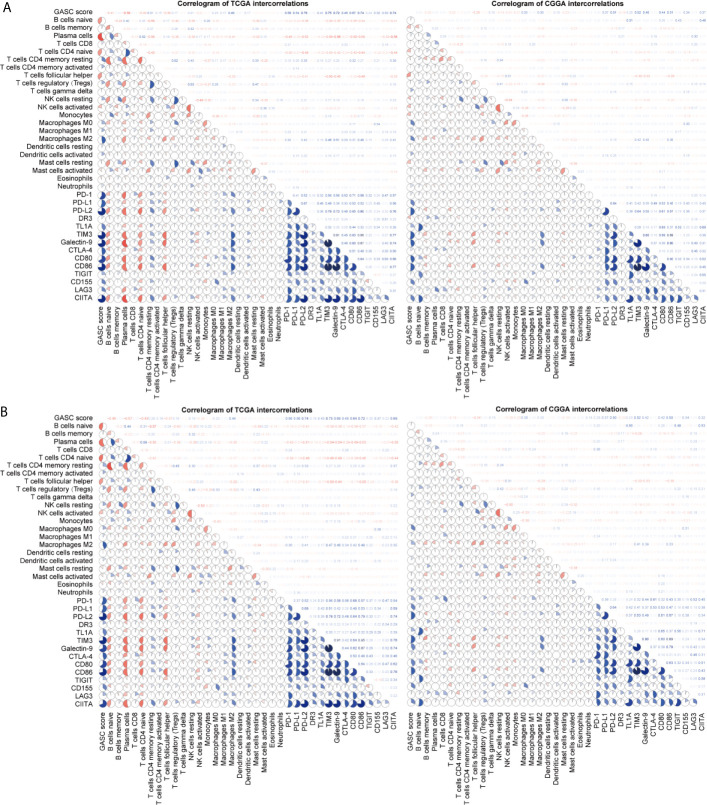
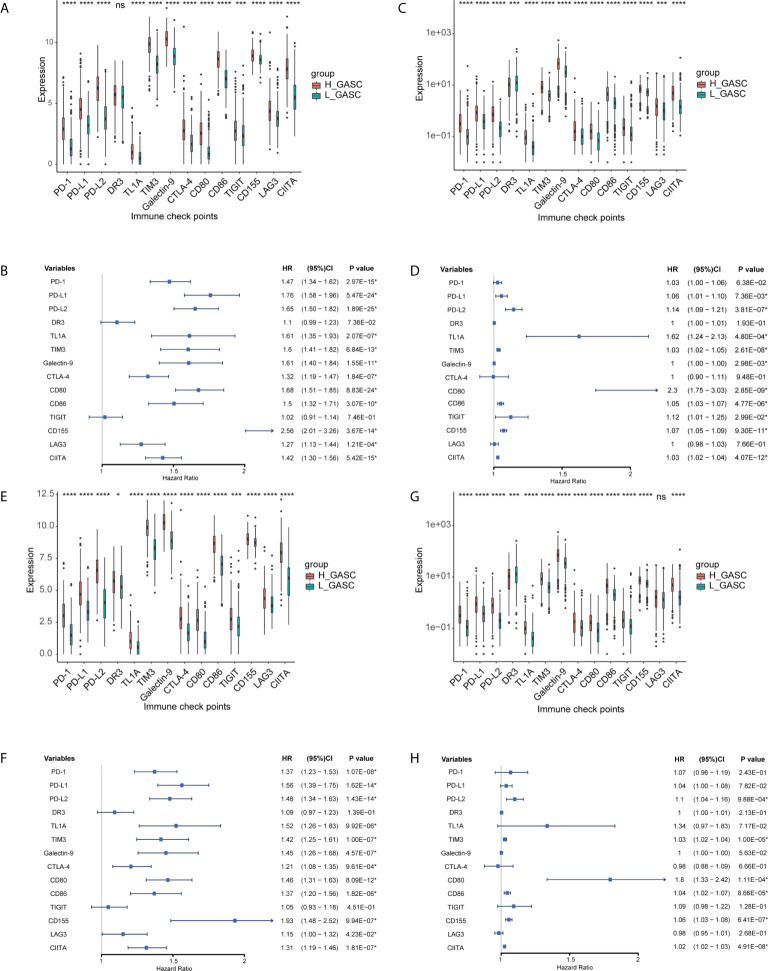
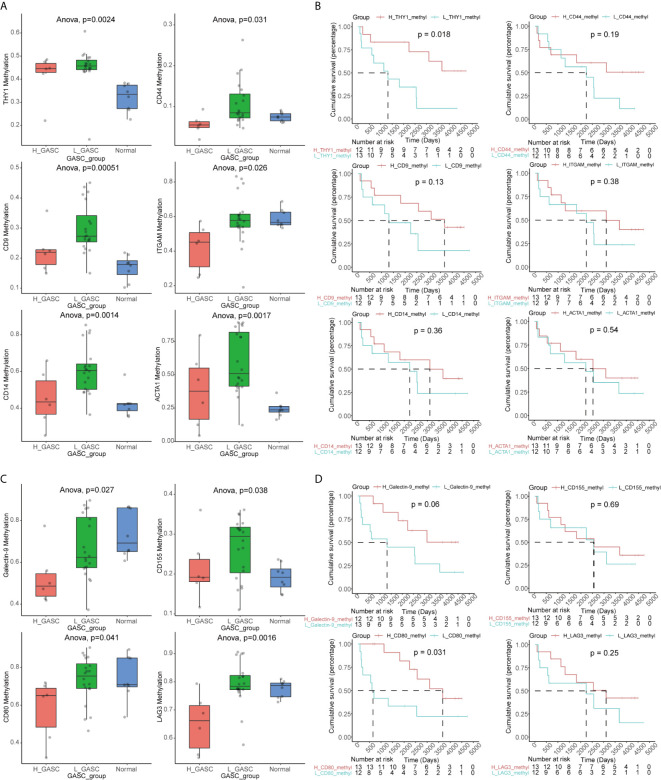
We observed for the first time that the levels of M2 macrophages and immune checkpoints (PD-1, PD-L1, PD-L2, TIM3, Galectin-9, CTLA-4, CD80, CD86, CD155, and CIITA) were significantly higher in the high GASC group and showed positive correlation with the GASC score in all glioma population and the HGG population. Copy number variations of DR3 and CIITA were higher in the high-GASC group. THY1, one of the GASC markers, exhibited lower methylation in the high GASC group. The constructed risk score was an independent predictor of glioma prognostics. Finally, a credible nomogram based on the risk score was established.
GASCs stimulate glioma malignancy through the M2 macrophage, and are associated with the level of immune checkpoints in the glioma microenvironment. The methylation of THY1 could be used as prognostic indicator and treatment target for glioma. However, further studies are required to verify these findings.
胶质瘤相关基质细胞(GASC)是胶质瘤微环境中最近发现的一种细胞类型,可能是胶质瘤的预后标志物。然而,GASC在胶质瘤微环境中的潜在机制仍 largely 未知。在本研究中,我们旨在探讨 GASC 在胶质瘤,特别是高级别胶质瘤(HGG)中的作用机制。
我们使用了来自癌症基因组图谱(TCGA)和中国胶质瘤基因组图谱(CGGA)的胶质瘤数据集。我们利用单样本基因集富集分析(ssGSEA)算法来区分 GASC 组成高或低的患者。使用 xCELL 和 CIBERSORT 算法分析基质细胞和免疫细胞的组成。构建风险评分和列线图模型用于胶质瘤的预后预测。
我们首次观察到,在高 GASC 组中,M2 巨噬细胞和免疫检查点(PD-1、PD-L1、PD-L2、TIM3、Galectin-9、CTLA-4、CD80、CD86、CD155 和 CIITA)的水平显著更高,并且在所有胶质瘤人群和 HGG 人群中与 GASC 评分呈正相关。高 GASC 组中 DR3 和 CIITA 的拷贝数变异更高。GASC 标志物之一 THY1 在高 GASC 组中甲基化程度较低。构建的风险评分是胶质瘤预后的独立预测指标。最后,基于风险评分建立了一个可靠的列线图。
GASC 通过 M2 巨噬细胞刺激胶质瘤的恶性程度,并与胶质瘤微环境中免疫检查点的水平相关。THY1 的甲基化可作为胶质瘤的预后指标和治疗靶点。然而,需要进一步研究来验证这些发现。