Chen Shu, Wu Xiaohui
State Key Laboratory of Genetic Engineering and National Center for International Research of Development and Disease, Institute of Developmental Biology and Molecular Medicine, Collaborative Innovation Center of Genetics and Development, School of Life Sciences, Fudan University, Shanghai, China.
Heliyon. 2021 Apr 22;7(4):e06735. doi: 10.1016/j.heliyon.2021.e06735. eCollection 2021 Apr.
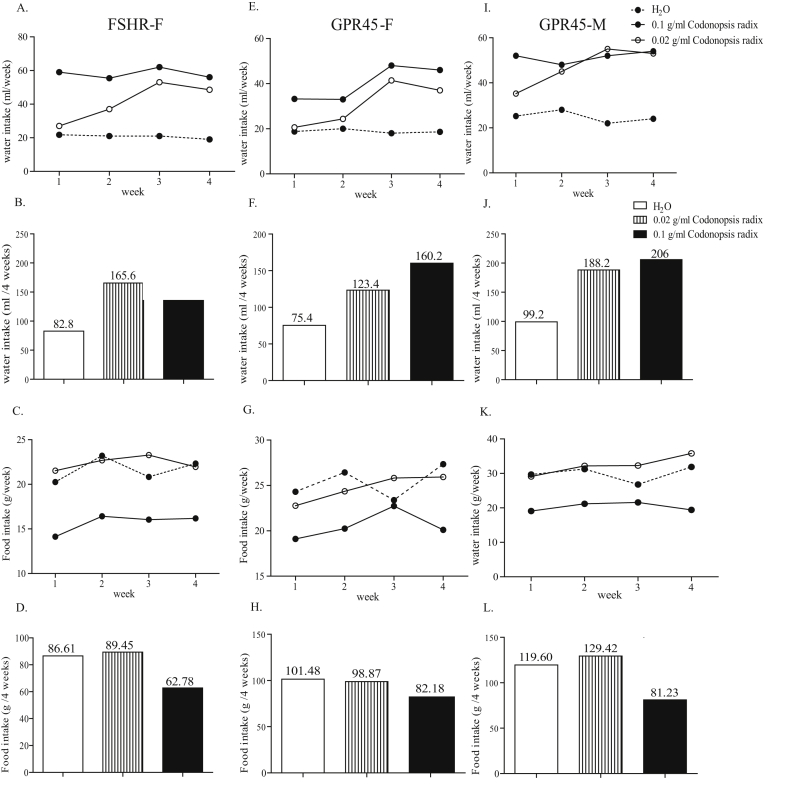
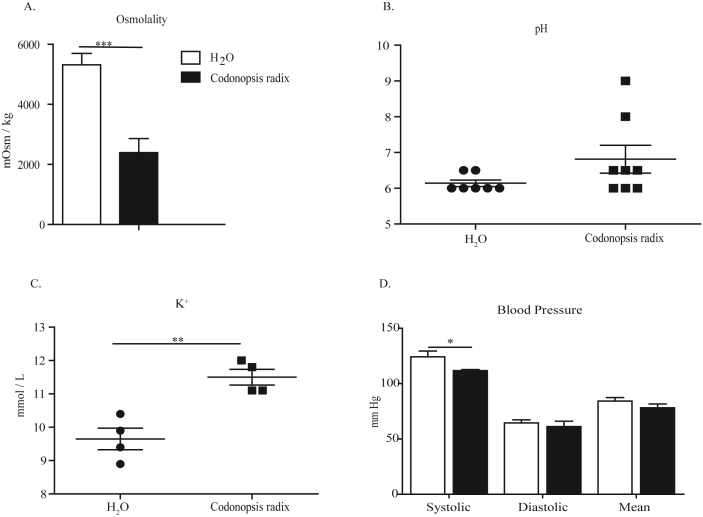
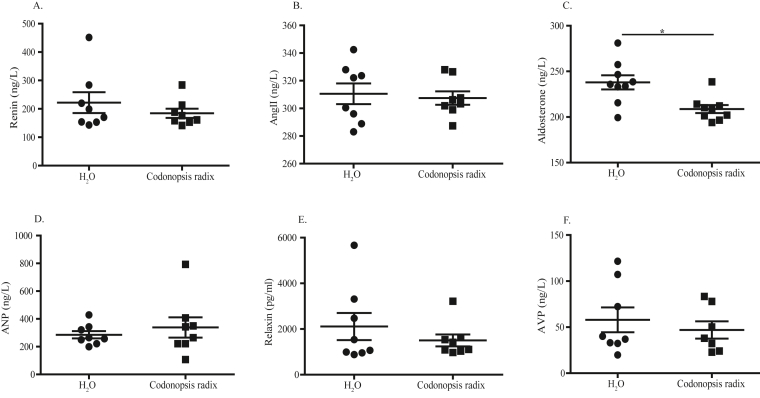
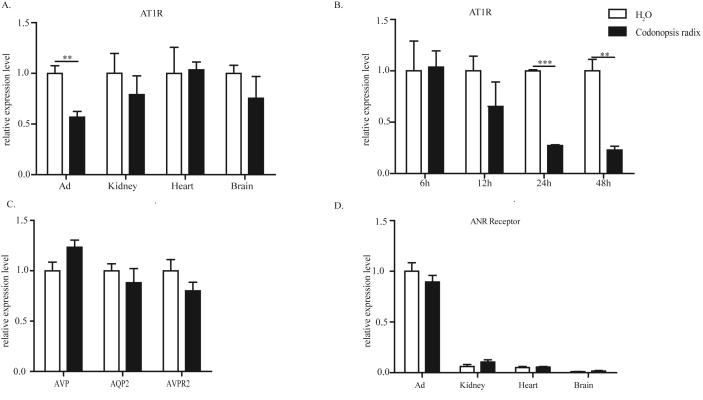
Codonopsis Radix is a traditional Chinese medicine best known for its effects in treating digestive, cardiovascular, immunological and hematopoitic diseases. It also appears in the traditional Chinese medical prescriptions against ascites. However, the physiological effect and molecular mechanism of Codonopsis Radix in water and electrolytes homeostasis have not been well studied. We found that Codonopsis Radix decoction increased water intake and the urine volume, but decreased food intake in mice. The treatment significantly reduced angiotensin II receptor (AT1R) transcription and serum aldosterone level in animals, suggested perturbed function of renin-angiotensin system. RNAseq analysis of Codonopsis Radix treated NCI-H295R cells detected suppressed AT1R, SP1, and TEF transcription as well. Thus, Codonopsis Radix may regulate water and electrolytes homeostasis by affecting AT1R expression and aldosterone biosynthesis, possibly through downregulating SP1 and TEF transcription.
党参是一种传统中药,以其治疗消化、心血管、免疫和造血系统疾病的功效而闻名。它也出现在治疗腹水的中药方剂中。然而,党参在水和电解质稳态方面的生理作用和分子机制尚未得到充分研究。我们发现党参水煎剂增加了小鼠的饮水量和尿量,但减少了食物摄入量。该处理显著降低了动物体内血管紧张素II受体(AT1R)的转录水平和血清醛固酮水平,提示肾素-血管紧张素系统功能紊乱。对经党参处理的NCI-H295R细胞进行RNA测序分析,也检测到AT1R、SP1和TEF的转录受到抑制。因此,党参可能通过影响AT1R表达和醛固酮生物合成来调节水和电解质稳态,可能是通过下调SP1和TEF的转录来实现的。