Zenner Christian, Hitch Thomas C A, Riedel Thomas, Wortmann Esther, Tiede Stefan, Buhl Eva M, Abt Birte, Neuhaus Klaus, Velge Philippe, Overmann Jörg, Kaspers Bernd, Clavel Thomas
Department for Veterinary Sciences, Veterinary Immunology Study Group, Ludwig-Maximilians-University Munich, Munich, Germany.
Functional Microbiome Research Group, RWTH University Hospital, Aachen, Germany.
mSystems. 2021 May 18;6(3):e01300-20. doi: 10.1128/mSystems.01300-20.
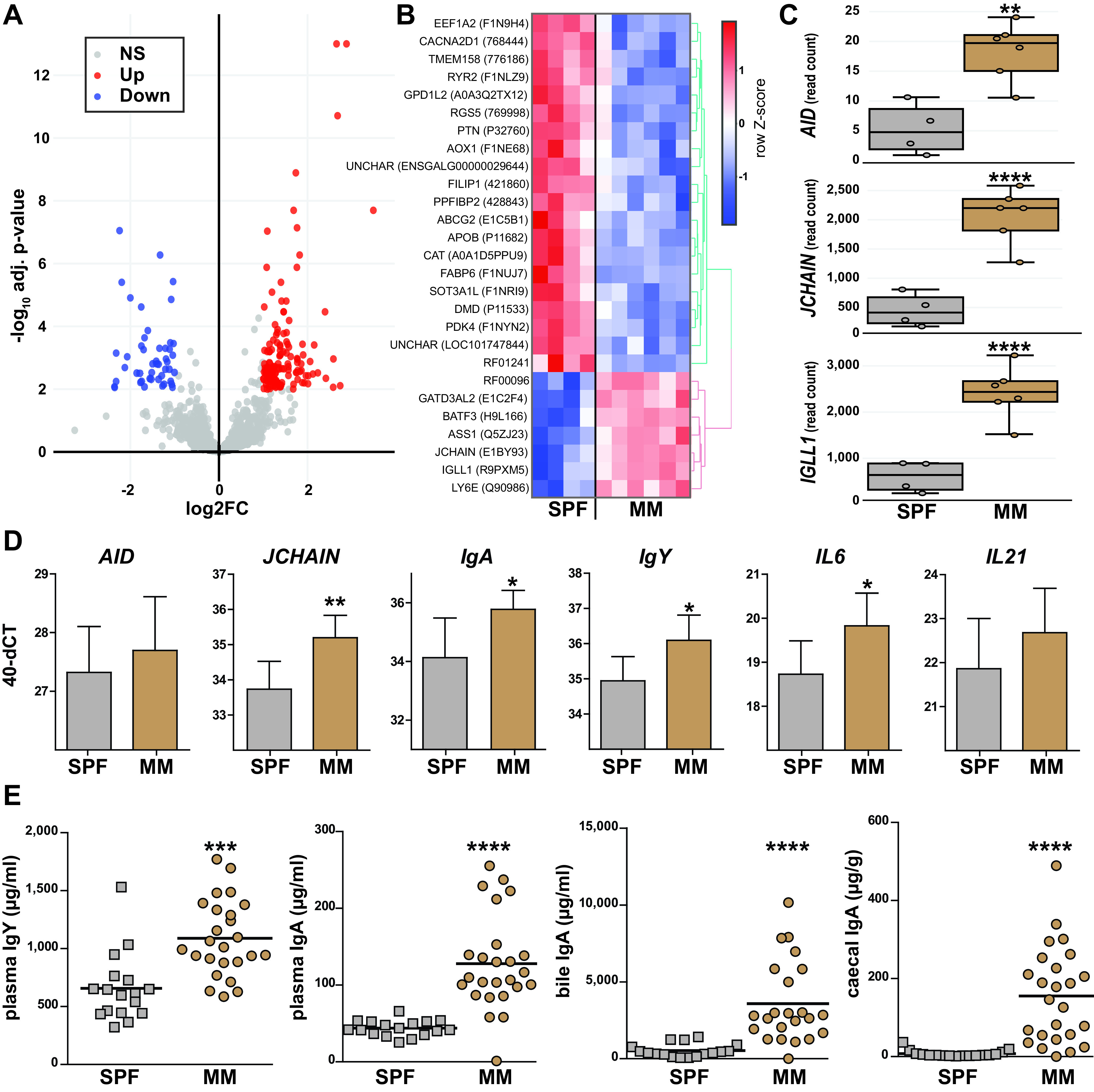
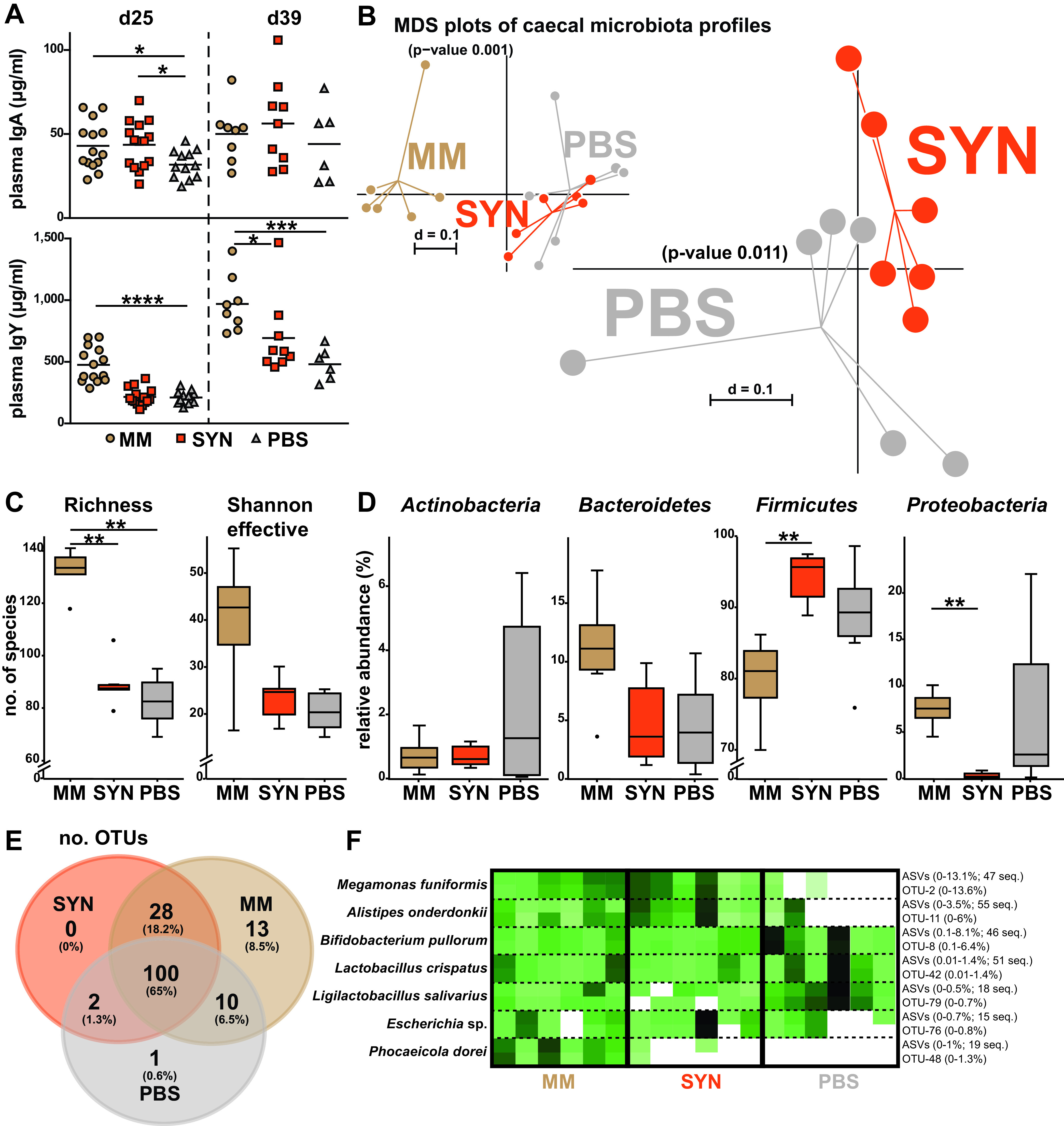
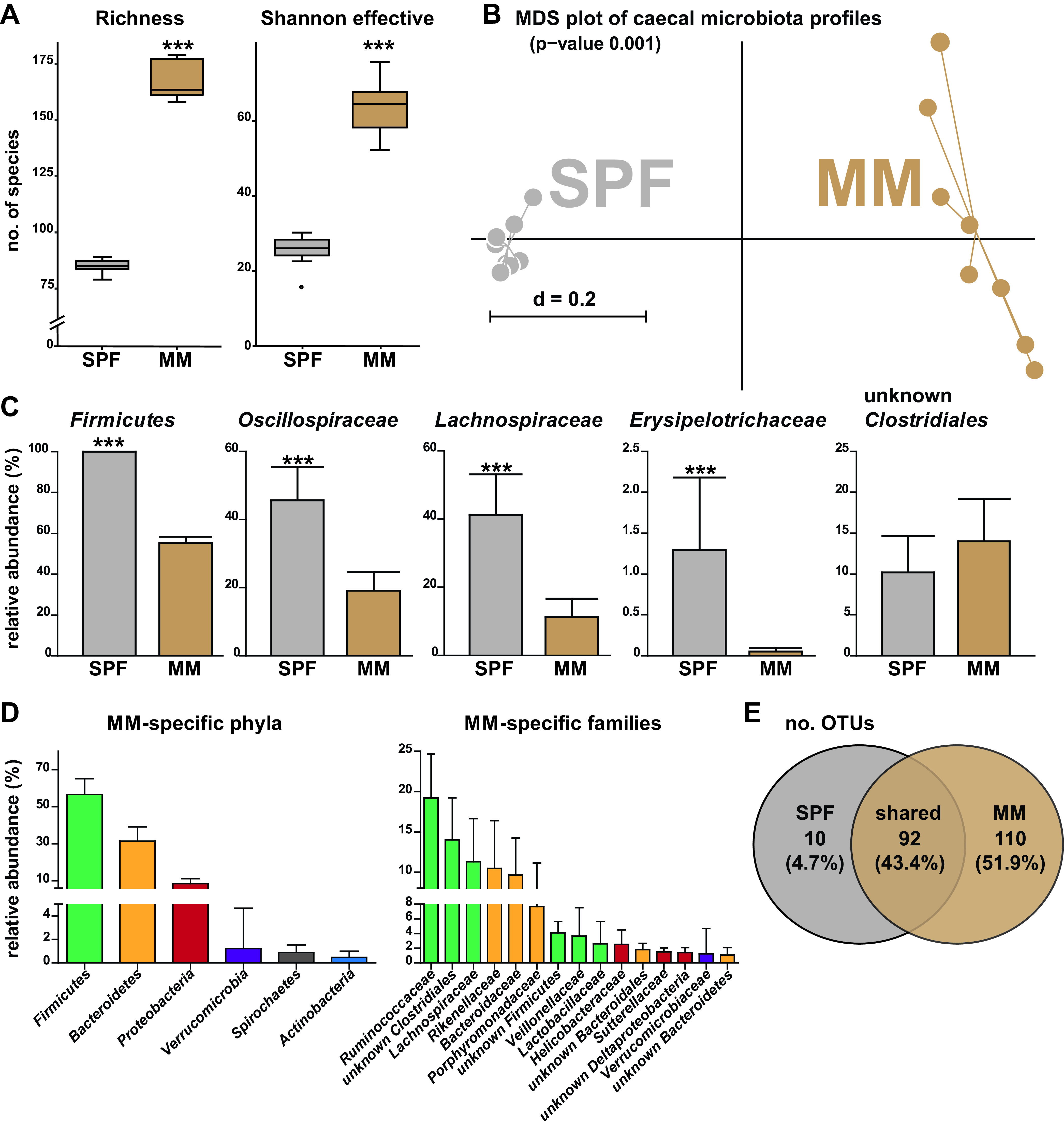
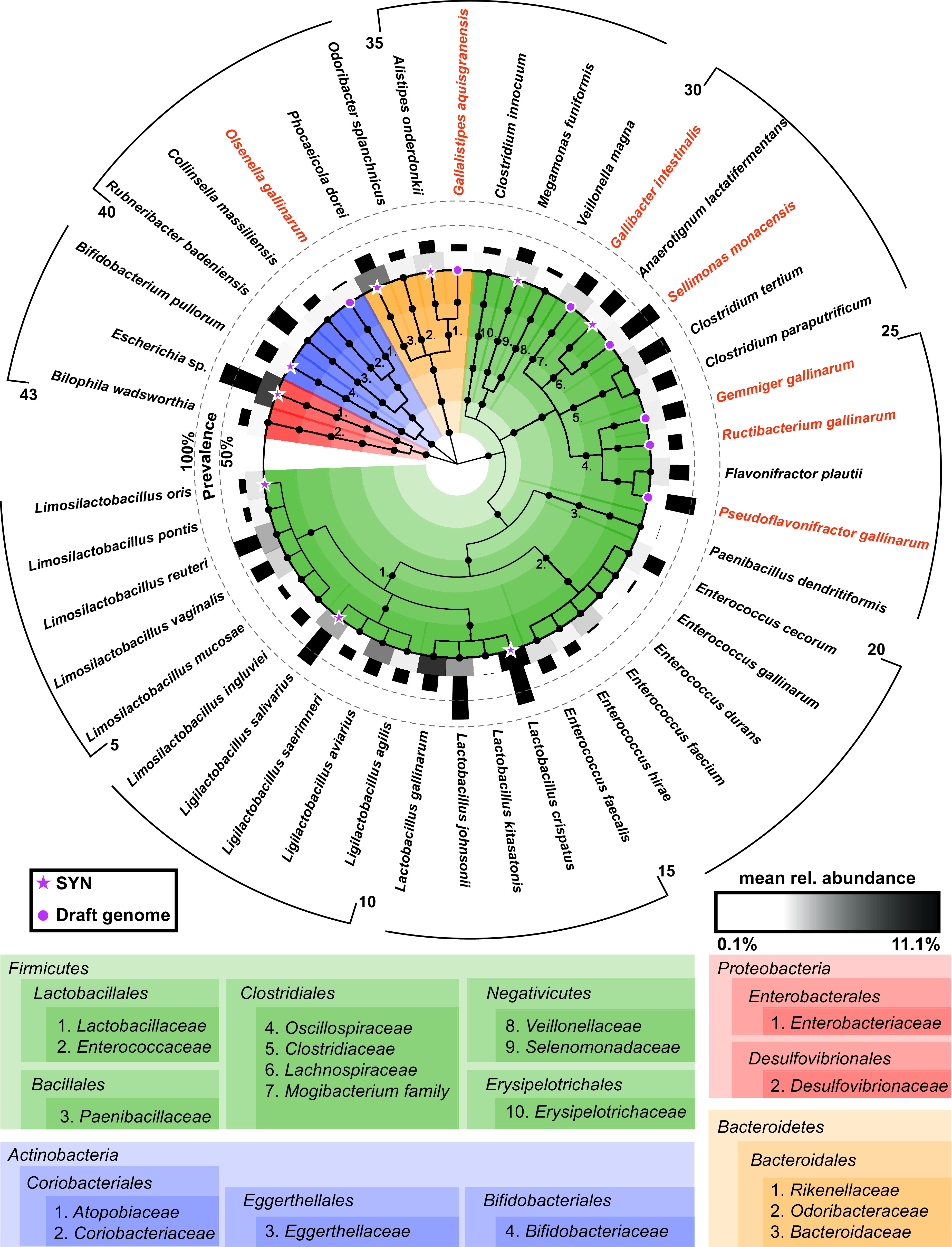
The gut microbiome is crucial for both maturation of the immune system and colonization resistance against enteric pathogens. Although chicken are important domesticated animals, the impact of their gut microbiome on the immune system is understudied. Therefore, we investigated the effect of microbiome-based interventions on host mucosal immune responses. Increased levels of IgA and IgY were observed in chickens exposed to maternal feces after hatching compared with strict hygienic conditions. This was accompanied by increased gut bacterial diversity as assessed by 16S rRNA gene amplicon sequencing. Cultivation work allowed the establishment of a collection of 43 bacterial species spanning 4 phyla and 19 families, including the first cultured members of 3 novel genera and 4 novel species that were taxonomically described. This resource is available at www.dsmz.de/chibac A synthetic community consisting of nine phylogenetically diverse and dominant species from this collection was designed and found to be moderately efficient in boosting immunoglobulin levels when provided to chickens early in life. The immune system plays a crucial role in sustaining animal health. Its development is markedly influenced by early microbial colonization of the gastrointestinal tract. As chicken are fully dependent on environmental microbes after hatching, extensive hygienic measures in production facilities are detrimental to the microbiota, resulting in low colonization resistance against pathogens. To combat enteric infections, antibiotics are frequently used, which aggravates the issue by altering gut microbiota colonization. Intervention strategies based on cultured gut bacteria are proposed to influence immune responses in chicken.
肠道微生物群对于免疫系统的成熟以及抵抗肠道病原体的定植抗性都至关重要。尽管鸡是重要的家畜,但它们的肠道微生物群对免疫系统的影响却研究不足。因此,我们研究了基于微生物群的干预措施对宿主黏膜免疫反应的影响。与严格的卫生条件相比,孵化后接触母体粪便的鸡体内观察到IgA和IgY水平升高。通过16S rRNA基因扩增子测序评估,这伴随着肠道细菌多样性的增加。培养工作使得建立了一个包含43个细菌物种的集合,这些物种跨越4个门和19个科,包括3个新属和4个新物种的首个培养成员,并对其进行了分类描述。该资源可在www.dsmz.de/chibac获取。设计了一个由该集合中9个系统发育多样且占主导地位的物种组成的合成群落,发现当在鸡生命早期提供给它们时,在提高免疫球蛋白水平方面具有中等效率。免疫系统在维持动物健康方面起着至关重要的作用。其发育受到胃肠道早期微生物定植的显著影响。由于鸡孵化后完全依赖环境微生物,生产设施中的广泛卫生措施对微生物群有害,导致对病原体的定植抗性较低。为了对抗肠道感染,经常使用抗生素,这通过改变肠道微生物群的定植加剧了问题。提出了基于培养的肠道细菌的干预策略来影响鸡的免疫反应。