Department of Medicine, Division of Infectious Diseases, Johns Hopkins University School of Medicine, Baltimore, MD.
Department of Epidemiology, Johns Hopkins Bloomberg School of Public Health, Baltimore, MD.
Hepatology. 2021 Oct;74(4):1782-1794. doi: 10.1002/hep.31912. Epub 2021 Aug 25.
Implementing effective interventions for HCV requires a detailed understanding of local transmission dynamics and geospatial spread. Little is known about HCV phylodynamics, particularly among high-burden populations, such as people who inject drugs (PWID).
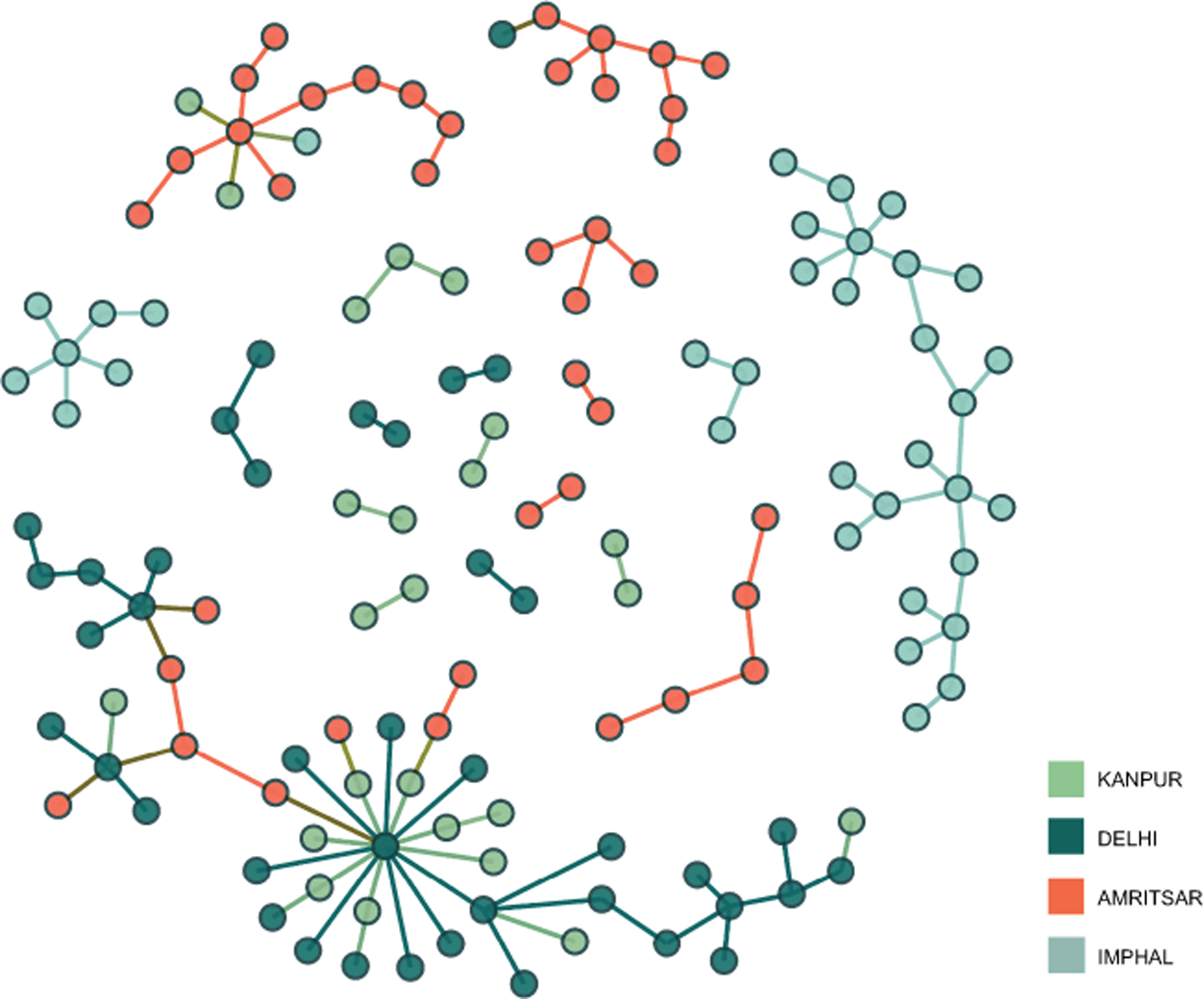
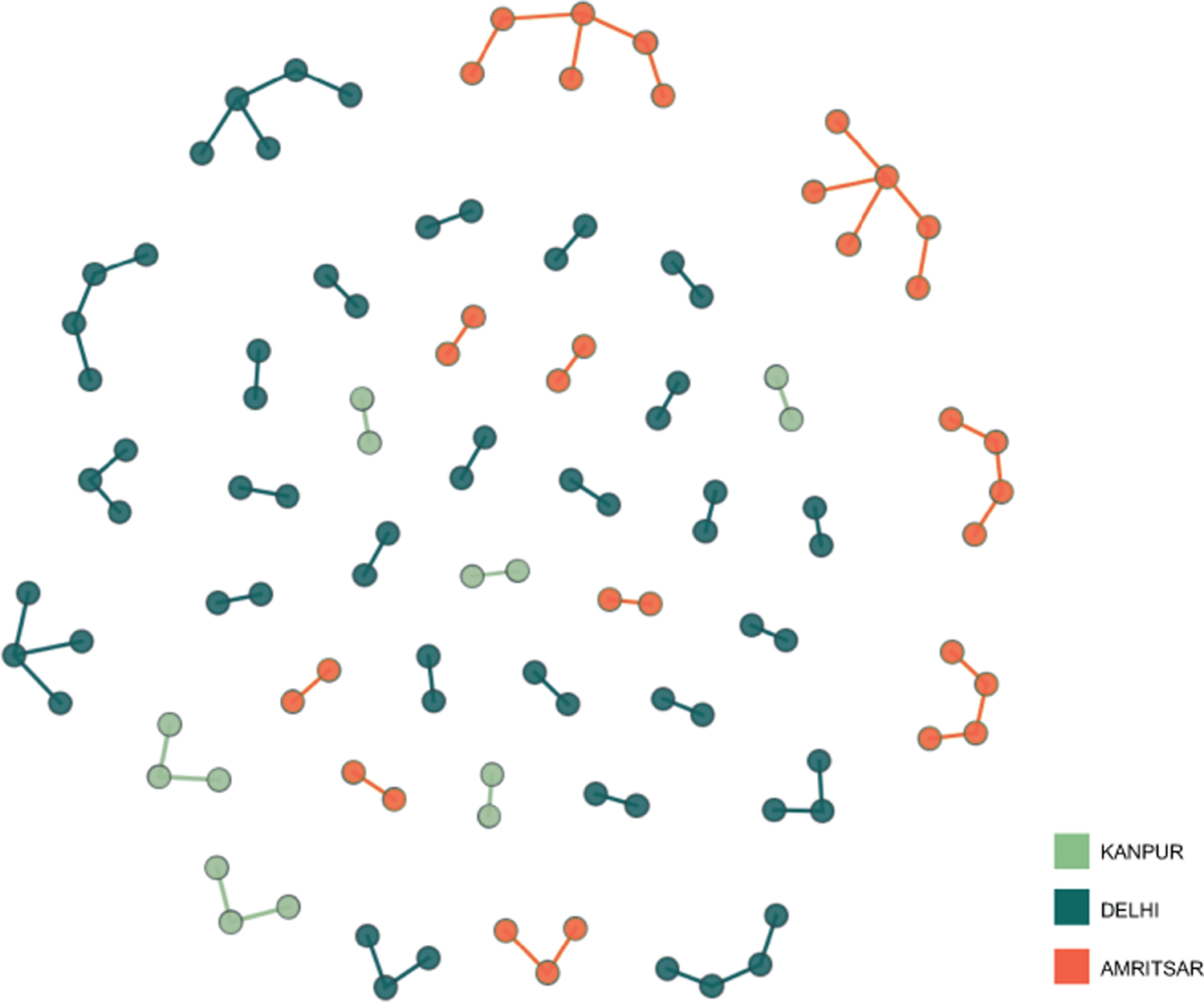
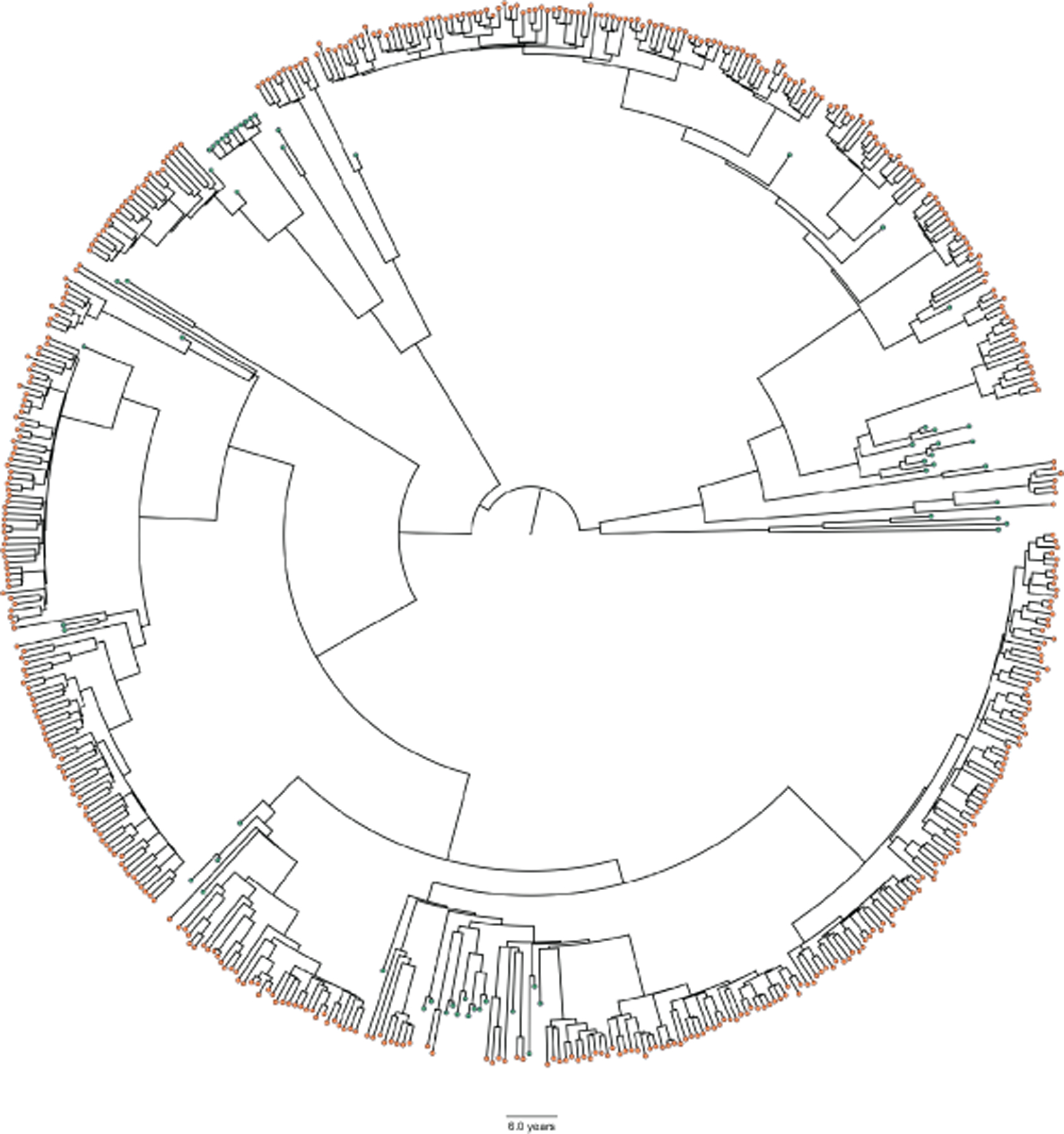
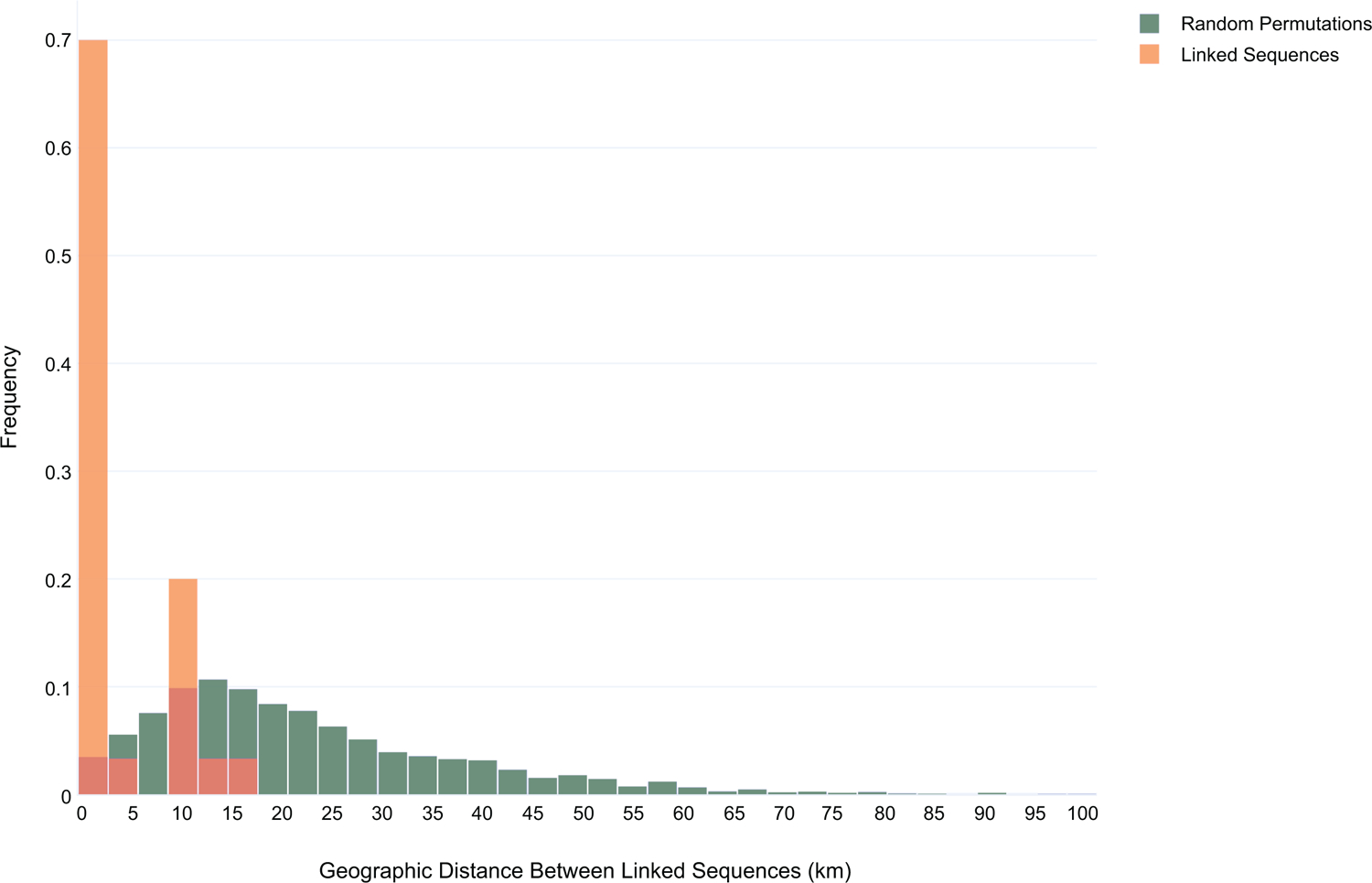
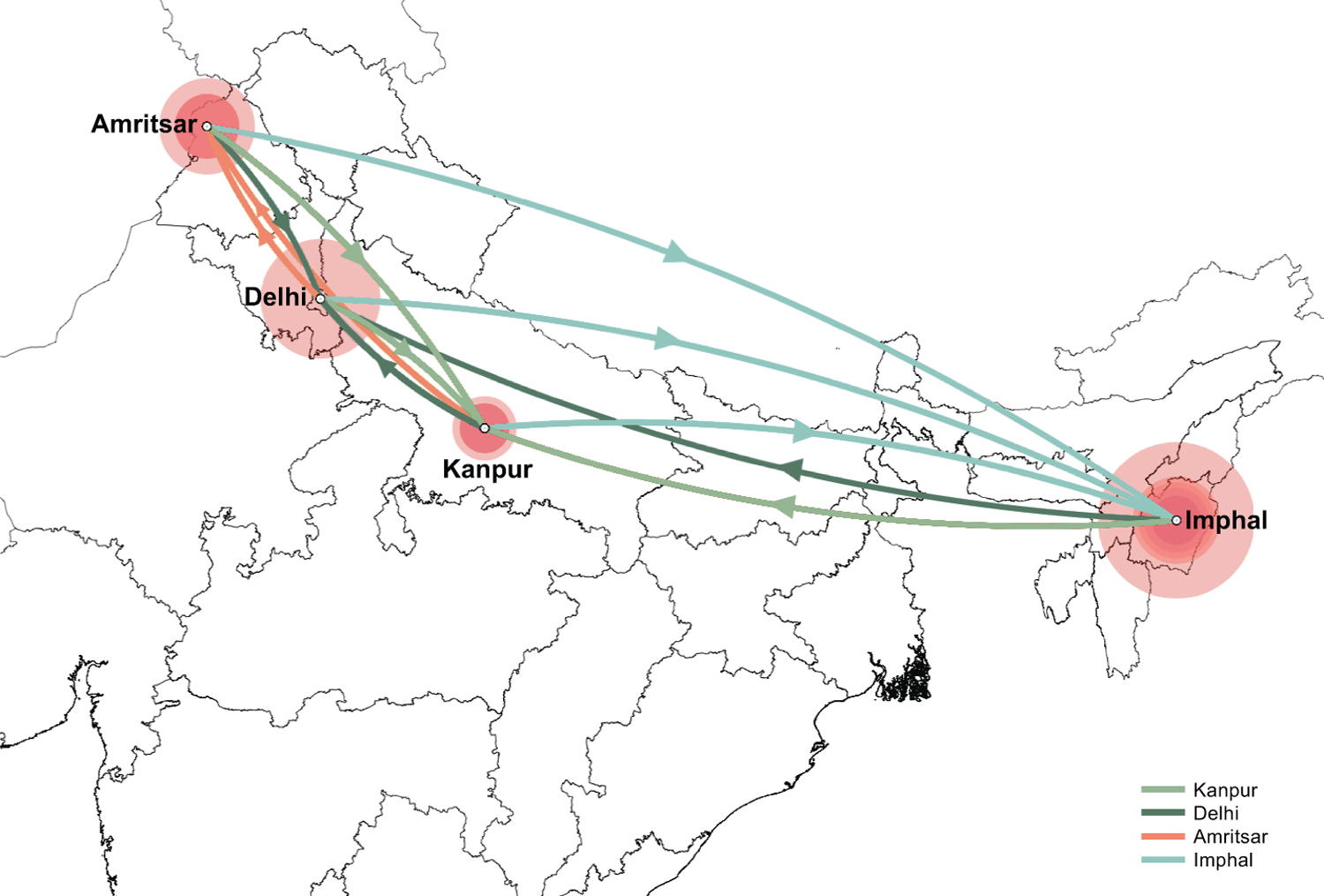
We used 483 HCV sequences and detailed individual-level data from PWID across four Indian cities. Bayesian phylogeographic analyses were used to evaluate transmission hotspots and geospatial diffusion of the virus. Phylogenetic cluster analysis was performed to infer epidemiologic links and factors associated with clustering. A total of 492 HIV sequences were used to draw comparisons within the same population and, in the case of coinfections, evaluate molecular evidence for shared transmission pathways. Overall, 139/483 (28.8%) of HCV sequences clustered with a median cluster size of 3 individuals. Genetically linked participants with HCV were significantly younger and more likely to be infected with HCV subtype 3b as well as to live and inject close to one another. Phylogenetic evidence suggests likely ongoing HCV infection/reinfection with limited support for shared HIV/HCV transmission pathways. Phylogeographic analyses trace historic HCV spread back to Northeastern India and show diffusion patterns consistent with drug trafficking routes.
This study characterizes HCV phylodynamics among PWID in a low and middle-income country setting. Heterogeneity and recent genetic linkage of HCV across geographically disparate Indian states suggest that targeted interventions could help prevent reimportation of virus through drug trafficking routes.
实施有效的 HCV 干预措施需要详细了解当地的传播动态和地理空间传播。关于 HCV 的系统发生动力学,特别是在高负担人群(如注射毒品者 [PWID])中,知之甚少。
我们使用了来自印度四个城市的 483 个 HCV 序列和详细的个体水平数据。贝叶斯系统地理学分析用于评估病毒的传播热点和地理空间扩散。进行系统聚类分析以推断流行病学联系和与聚类相关的因素。共使用 492 个 HIV 序列在同一人群内进行比较,并且在合并感染的情况下,评估共享传播途径的分子证据。总体而言,483 个 HCV 序列中有 139 个(28.8%)聚类,中位数聚类大小为 3 个个体。具有 HCV 遗传联系的参与者明显更年轻,更有可能感染 HCV 亚型 3b,并且更可能生活和注射地点彼此靠近。系统发生学证据表明可能存在 HCV 持续感染/再感染,而 HIV/HCV 共享传播途径的证据有限。地理发生分析追溯到 HCV 在印度东北部的历史传播,并显示出与毒品贩运路线一致的扩散模式。
本研究描述了在中低收入国家环境中 PWID 中的 HCV 系统发生动力学。HCV 在地理上差异很大的印度各州之间存在异质性和近期遗传联系,表明有针对性的干预措施可能有助于防止通过毒品贩运路线重新输入病毒。