Song Pingping, Li Jing
Guizhou Medical University, China.
Data Brief. 2021 Apr 20;36:107050. doi: 10.1016/j.dib.2021.107050. eCollection 2021 Jun.
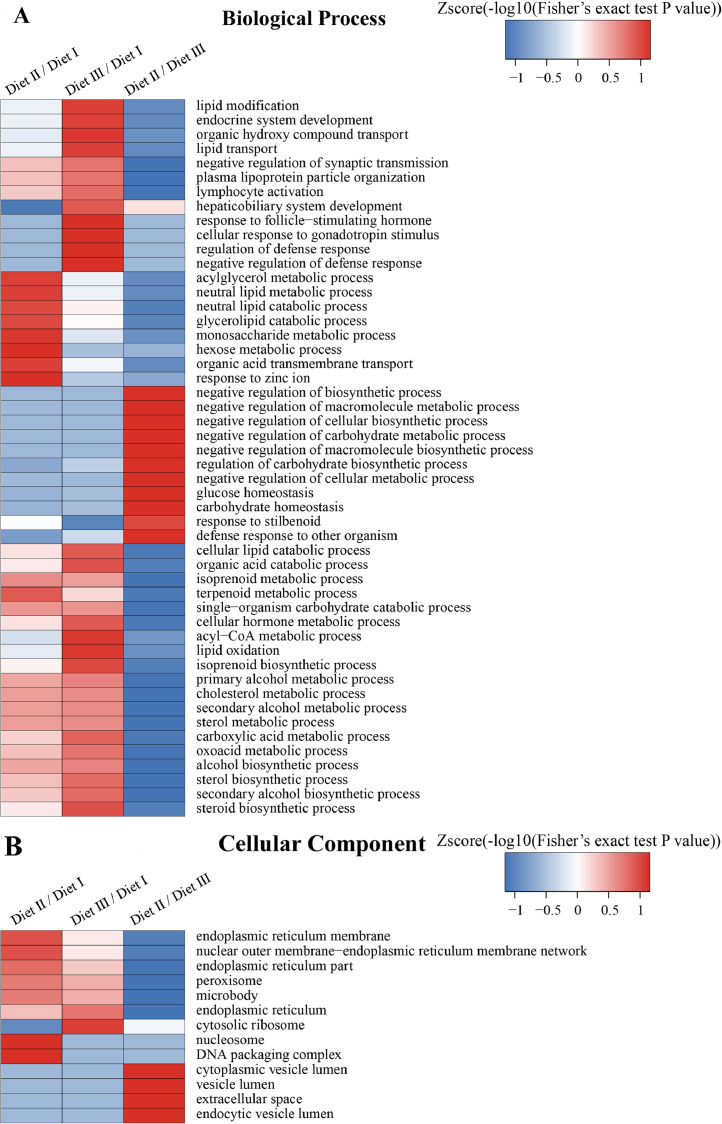
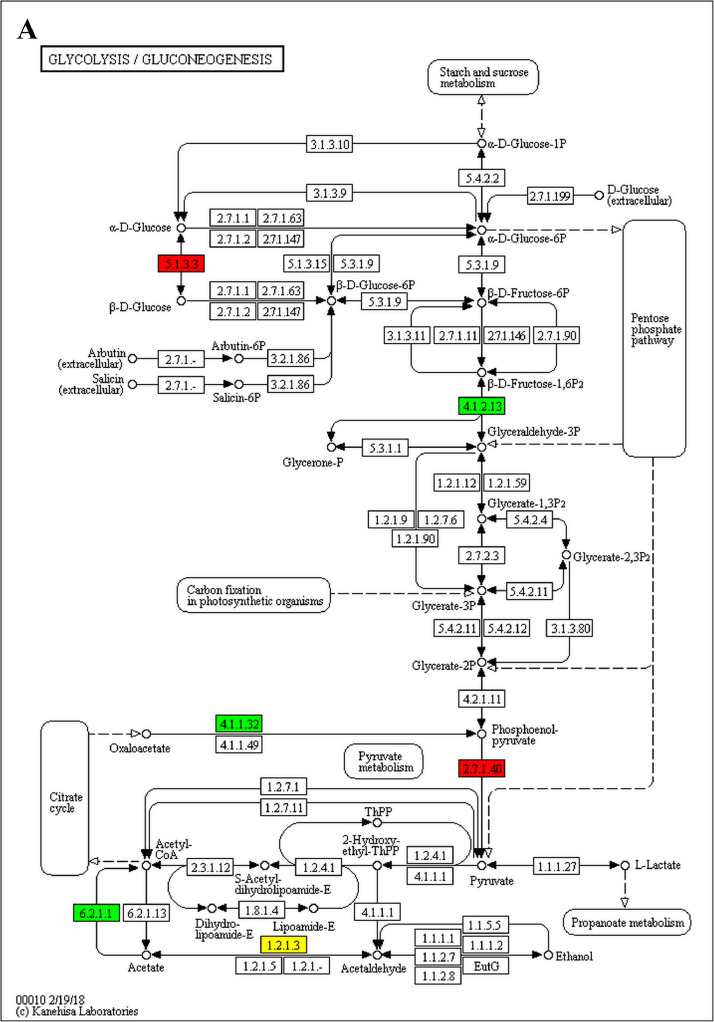
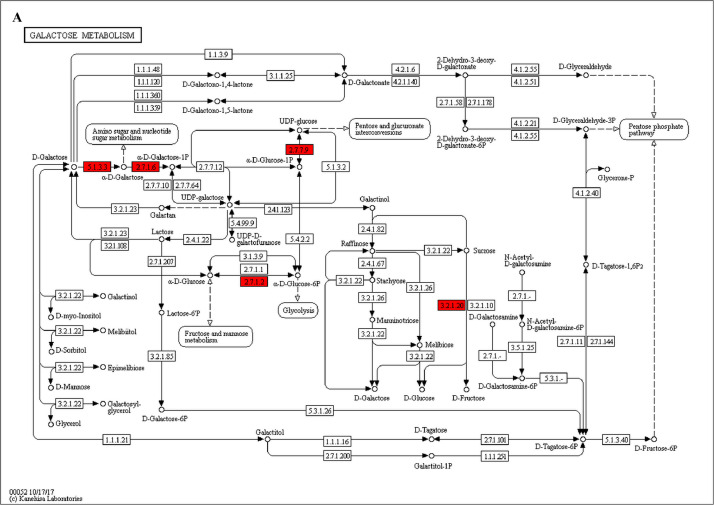
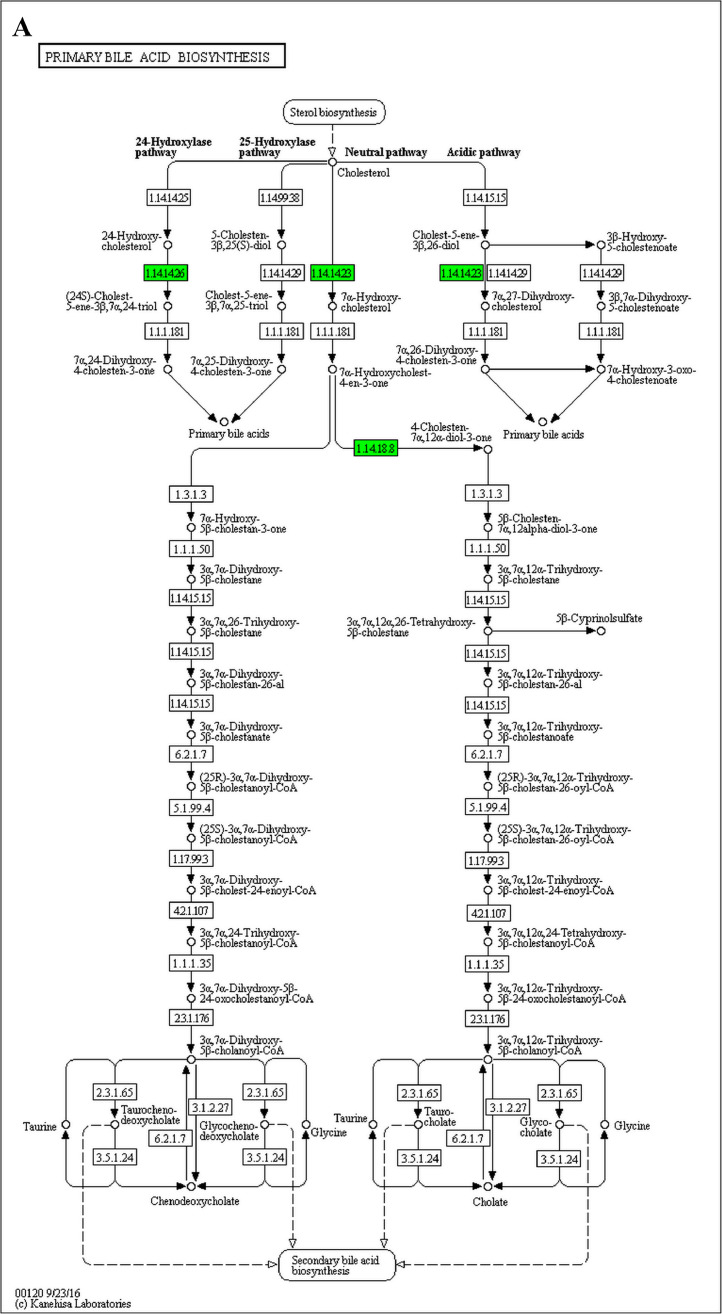
(FRR) has been considered as edible and medicinal fruit possessing antiatherosclerotic effect [1], [2], [3], [4], [5], but the mechanism is still unclear. Hyperlipidemia (HLP) is the material basis for atherosclerosis (AS) formation [6,7]. In this study, total cholesterol (TC), triglyceride (TG), low-density lipoprotein (LDL), lower high-density lipoprotein (HDL) and atherosclerotic index (ASI) in mice were analyzed under the action of FRR juice. Then differentially expressed proteins in liver were further analyzed by using TMT labeling and LC-MS/MS for better understanding the effect and molecular mechanism of FRR on diet-induced hyperlipidemic mice [8]. After the protein extraction and trypsin digestion, TMT labeling proteomic analysis were performed. The functions and KEGG signaling pathways of differentially expressed proteins were analyzed by bioinformatics methods. Hence, the potential antiatherosclerotic mechanism of FRR regulating blood lipids from protein level has great significance to explore new drug targets for AS.
火参果(FRR)被认为是具有抗动脉粥样硬化作用的药食两用水果[1,2,3,4,5],但其作用机制尚不清楚。高脂血症(HLP)是动脉粥样硬化(AS)形成的物质基础[6,7]。本研究分析了火参果汁作用下小鼠的总胆固醇(TC)、甘油三酯(TG)、低密度脂蛋白(LDL)、降低的高密度脂蛋白(HDL)和动脉粥样硬化指数(ASI)。然后通过TMT标记和LC-MS/MS进一步分析肝脏中差异表达的蛋白质,以更好地了解火参果对饮食诱导的高脂血症小鼠的作用及分子机制[8]。蛋白质提取和胰蛋白酶消化后,进行TMT标记蛋白质组学分析。采用生物信息学方法分析差异表达蛋白质的功能和KEGG信号通路。因此,从蛋白质水平探讨火参果调节血脂的潜在抗动脉粥样硬化机制,对探索AS的新药靶点具有重要意义。