Centre for Health Evaluation and Outcome Sciences, Providence Health Care, St. Paul's Hospital, 575-1081 Burrard St., Vancouver, BC, V6Z 1Y6, Canada.
Providence Health Care, Providence Crosstown Clinic, 84 West Hastings Street, Vancouver, BC, V6B 1G6, Canada.
Harm Reduct J. 2021 May 20;18(1):57. doi: 10.1186/s12954-021-00500-9.
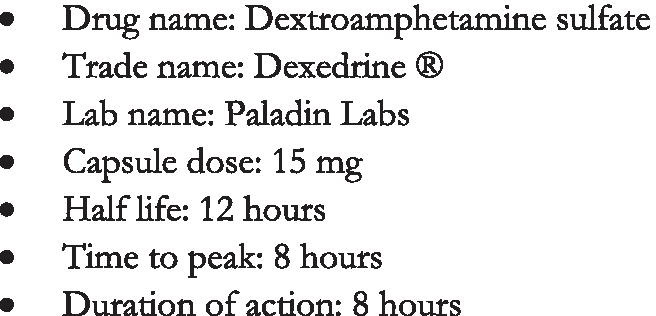
For people with opioid use disorder who are not responding to oral opioid agonist treatment, evidence supports the effectiveness of injectable opioid agonist treatment with injectable hydromorphone (an opioid analgesic) and diacetylmorphine (pharmaceutical grade heroin). While this treatment is effective at reducing illicit opioid use, concurrent cocaine use is prevalent. Dextroamphetamine (a central nervous system stimulant) has been found to be a safe and effective treatment for cocaine dependence among people receiving injectable opioid agonist treatment in Europe. We present the first report of dextroamphetamine prescribing offered for the treatment of stimulant use disorder among a patient receiving iOAT outside of a clinical trial. This case report can be used to inform clinical practice in the treatment of cocaine use disorder, an area where interventions are currently lacking.
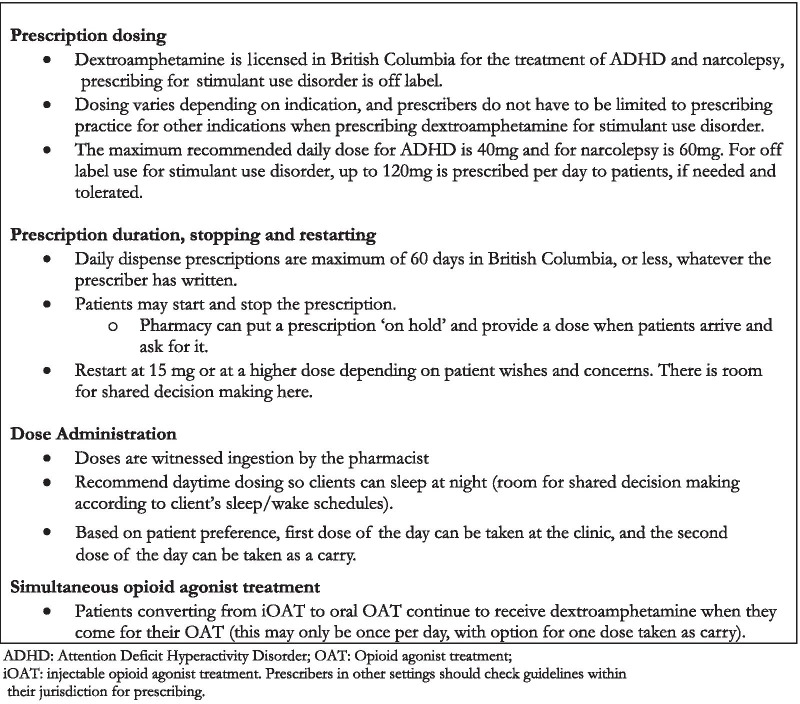
Dextroamphetamine was prescribed to a 51-year-old male who was diagnosed with concurrent opioid and stimulant use disorder in an injectable opioid agonist treatment clinic in Vancouver, Canada. He reported smoking crack cocaine daily for more than two decades and was experiencing health consequences associated with this use. He presented to his routine physician visit with the goal of reducing his cocaine use and was prescribed dextroamphetamine for the treatment of stimulant use disorder. After 4-weeks the patient was tolerating the medication with no observed adverse events and was achieving his therapeutic goal of reducing his cocaine use.
Dextroamphetamine can be prescribed to support patients with stimulant use disorder to reduce or stop their use of cocaine. The case demonstrated that when dextroamphetamine was prescribed, a significant reduction in cocaine use was experienced among a patient that had been regularly using cocaine on a daily basis for many years. Daily contact with care for the opioid medication promoted adherence to the stimulant medication and allowed for monitoring of dose and tolerance. Settings where patients are in regular contact with care such as oral and injectable opioid agonist treatment clinics serve as a suitable location to integrate dextroamphetamine prescribing for patients that use illicit stimulants to reduce use and associated harms.
对于阿片类药物使用障碍且对口服阿片类激动剂治疗无反应的患者,有证据表明,注射用羟吗啡酮(一种阿片类镇痛药)和二乙酰吗啡(药用级海洛因)的注射用阿片类激动剂治疗有效。虽然这种治疗方法能有效减少非法阿片类药物的使用,但同时使用可卡因的情况很普遍。在接受注射用阿片类激动剂治疗的人群中,右旋苯丙胺(一种中枢神经系统兴奋剂)已被发现是治疗可卡因依赖的安全有效方法,在欧洲。我们首次报告了在注射用阿片类激动剂治疗诊所外为接受 iOAT 的患者开具右旋苯丙胺处方,以治疗兴奋剂使用障碍。该病例报告可用于为治疗可卡因使用障碍提供临床实践信息,而目前在这一领域缺乏干预措施。
在加拿大温哥华的一家注射用阿片类激动剂治疗诊所,一位 51 岁的男性被诊断为同时患有阿片类药物和兴奋剂使用障碍,医生为其开具了右旋苯丙胺处方。他报告说,他每天吸食快克可卡因已有二十多年,而且出现了与这种使用相关的健康后果。他到常规医生就诊,目的是减少可卡因的使用,并开了右旋苯丙胺治疗兴奋剂使用障碍。四周后,患者耐受了药物,没有观察到不良反应,并且达到了减少可卡因使用的治疗目标。
可以为患有兴奋剂使用障碍的患者开具右旋苯丙胺处方,以减少或停止其可卡因的使用。该病例表明,当开具右旋苯丙胺处方时,一位多年来每天吸食可卡因的患者的可卡因使用量显著减少。每天与阿片类药物治疗保持联系促进了对兴奋剂药物的依从性,并可以监测剂量和耐受性。患者与医护人员保持定期联系的环境,如口服和注射用阿片类激动剂治疗诊所,为整合开具右旋苯丙胺处方以减少使用和相关危害提供了合适的场所。