El-Refaei Mohamed F, Abdallah Eman A A
Faculty of Medicine, Albaha University, Albaha, Saudi Arabia.
Genetic Institute, Sadat City University, Egypt.
Heliyon. 2021 May 5;7(5):e06965. doi: 10.1016/j.heliyon.2021.e06965. eCollection 2021 May.
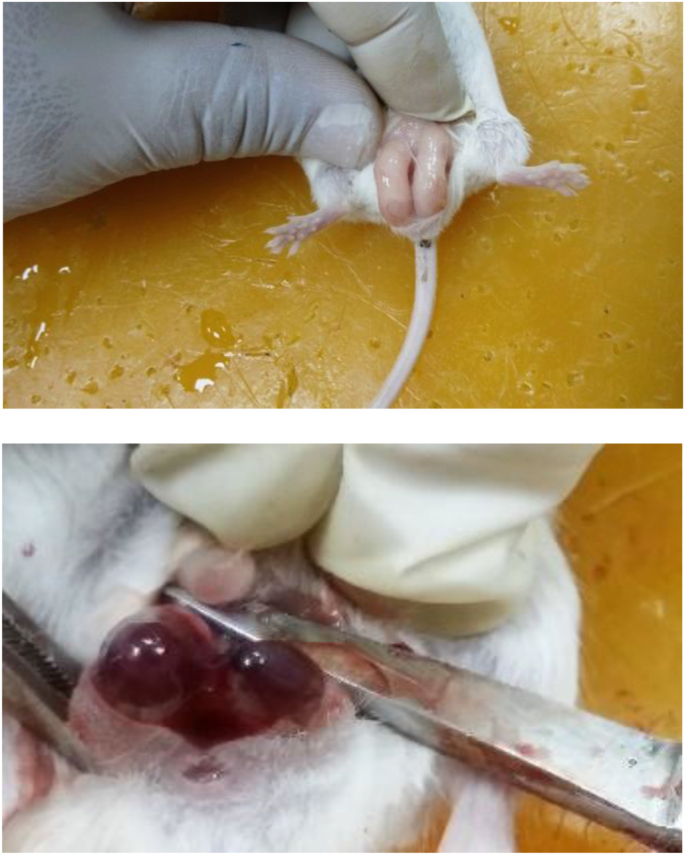
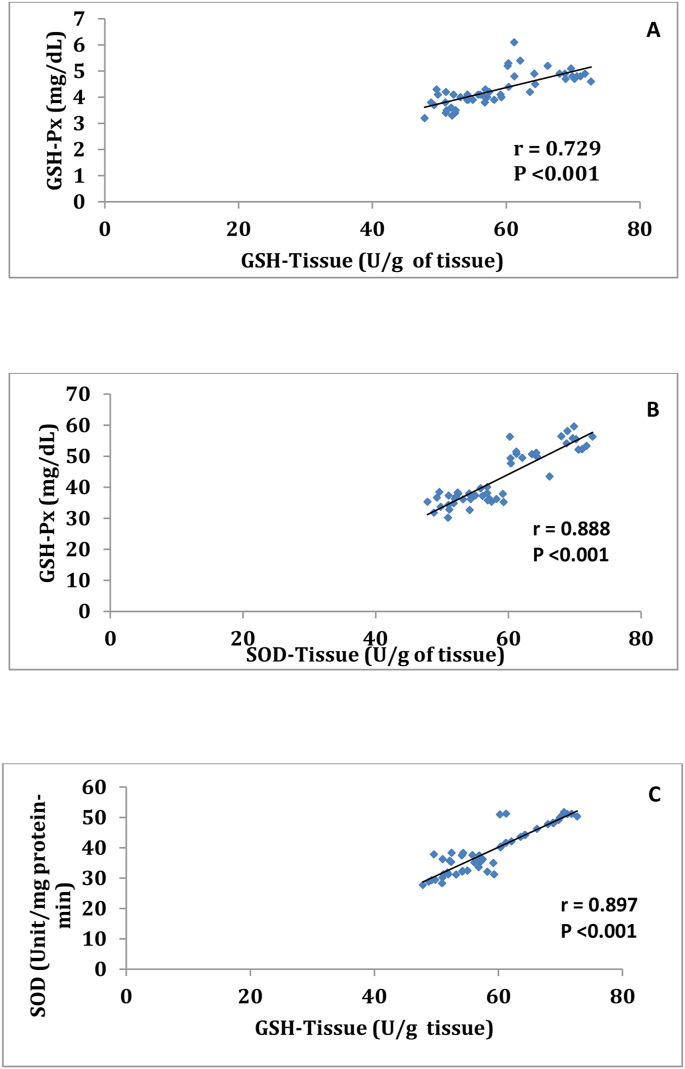
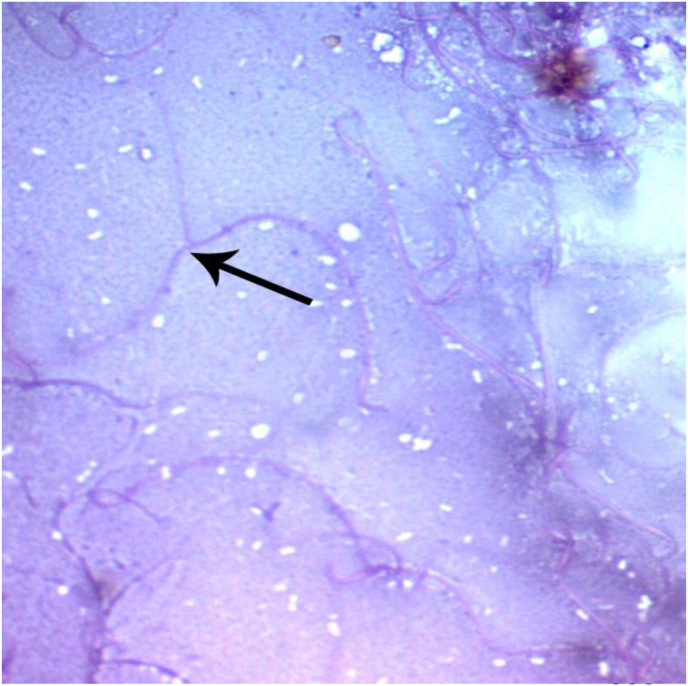
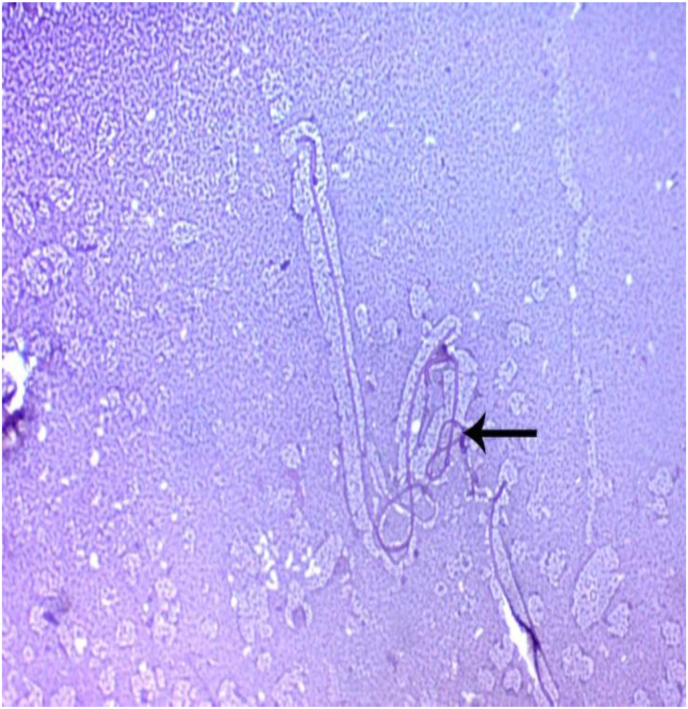
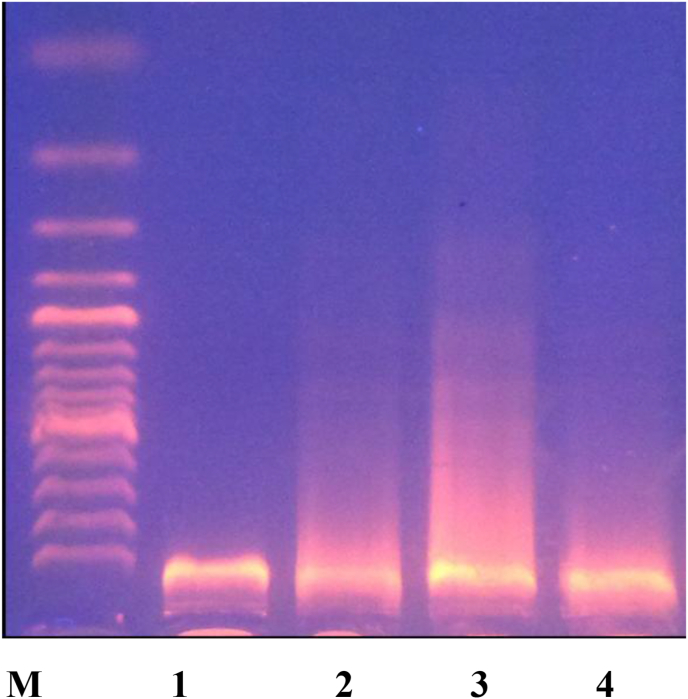
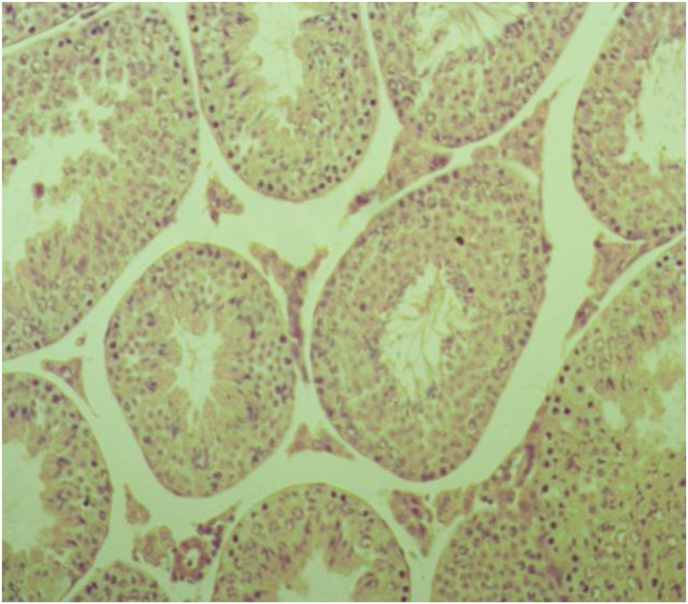
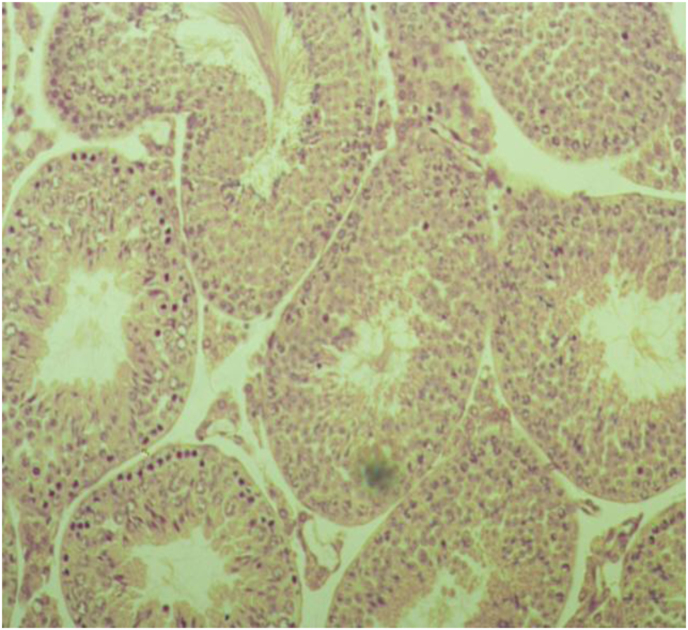
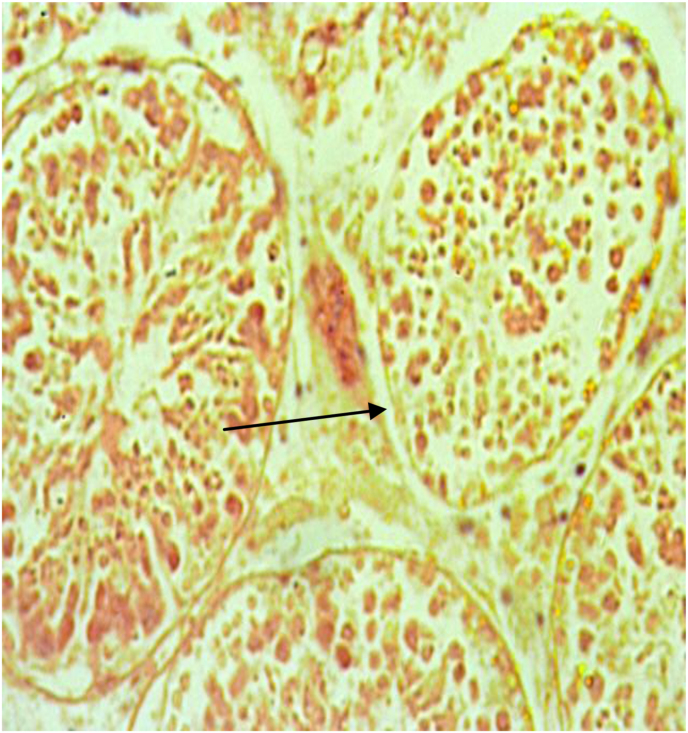
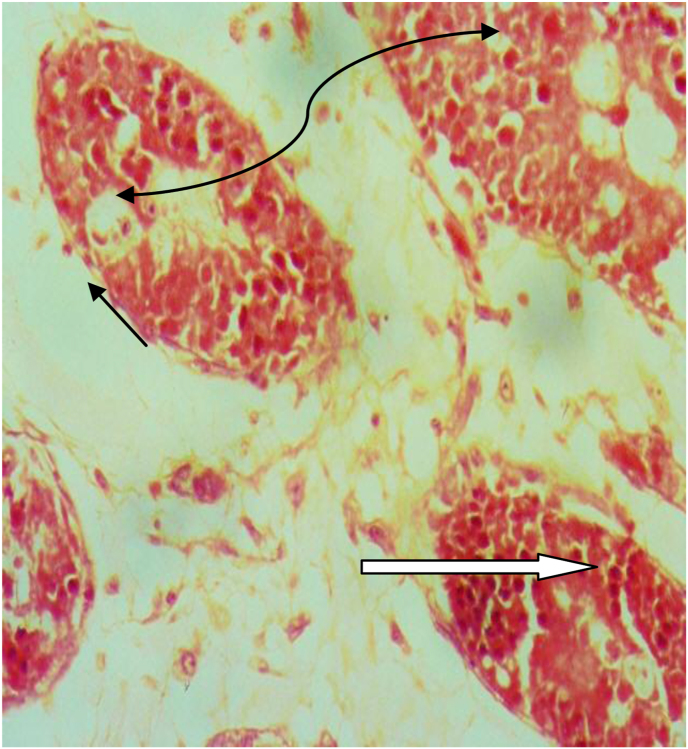
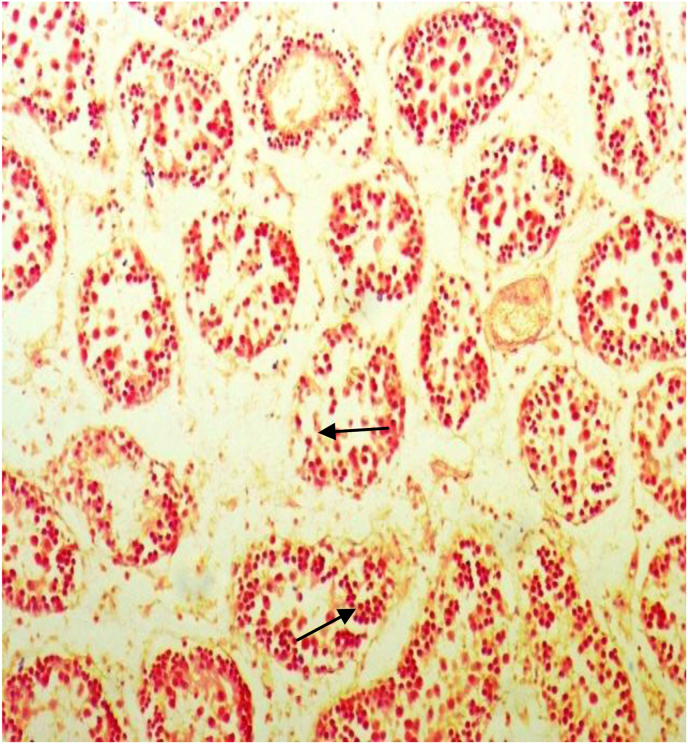
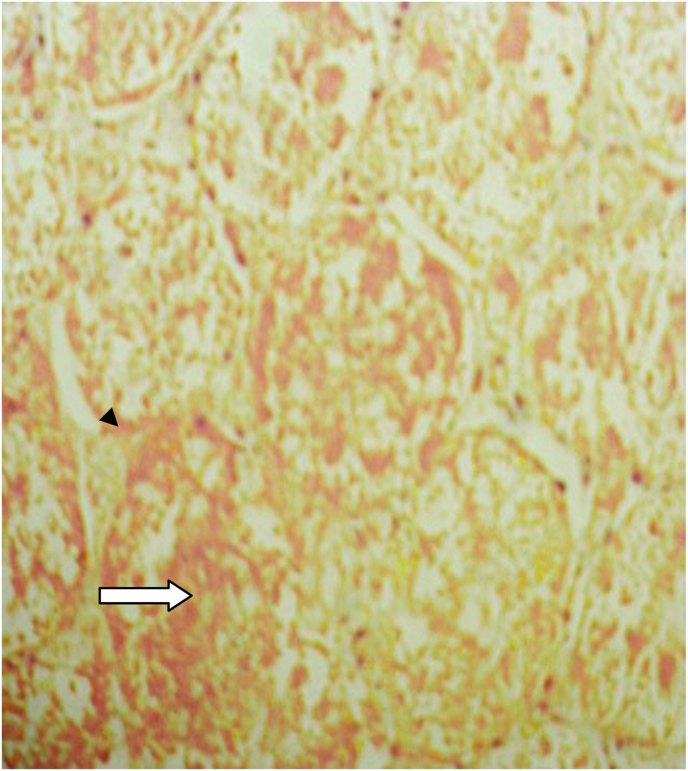
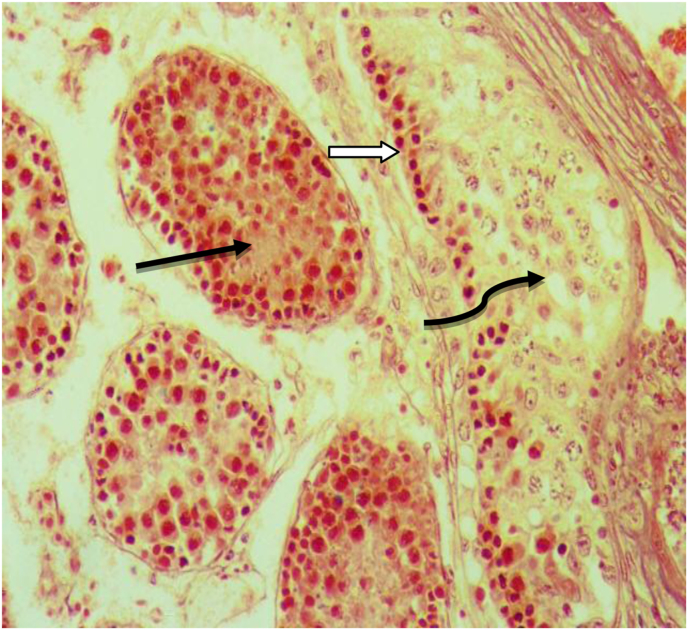
Infertility in men is referred to inability to achieve pregnancy in fertile females after at least one year of regular intercourse. The lack of oxygen in the environment may lead to an imbalance of testes production. Swiss mice were alienated into four groups 10 mice/each. This included one negative normal control group I. The induction of infertility was achieved with injection of cadmium chloride at dose 3 mg/kg body weight for four consecutive days for the rest groups. Group III received vehicle (saline) from the second day of induction for the similar period during the experiment. Infertile mice determined depending on alterations in morphology, motility, and reduced sperm count. Group IV was treated with 3 mg/kg of caffeic acid phenethyl ester (CAPE) per day, for 6 days from the second day of cadmium intoxication. Data showed effectiveness of CAPE significantly through improving the antioxidant enzymes SOD, GST and GSH in testes homogenate and GSH-Px in mice serum that were treated compared to those in the untreated group II (P˂0.001). The histopathology, DNA analysis showed marked improvement in spermatogenesis and DNA intact pattern in treated mice testis. Overall, the results demonstrated the ability of CAPE to improve spermatogenic cells. The data analysis indicated the possibility for the future use of CAPE as an inhibitory agent of infertility. Clinical trials and further studies are required to evaluate the definite medical effects of CAPE based on abundant experimental studies, with predictive future applications in human clinical trials.
男性不育是指在与有生育能力的女性进行至少一年规律性交后仍无法使其受孕。环境中缺氧可能导致睾丸生成失衡。将瑞士小鼠分为四组,每组10只。其中包括一个阴性正常对照组I。其余组连续四天以3毫克/千克体重的剂量注射氯化镉以诱导不育。从诱导的第二天起,第三组在实验期间的相同时间段内接受赋形剂(生理盐水)。根据形态、活力的改变以及精子数量减少来确定不育小鼠。第四组从镉中毒的第二天起每天用3毫克/千克的咖啡酸苯乙酯(CAPE)治疗,持续6天。数据显示,与未治疗的第二组相比,CAPE通过改善经治疗小鼠睾丸匀浆中的抗氧化酶超氧化物歧化酶(SOD)、谷胱甘肽S-转移酶(GST)和谷胱甘肽(GSH)以及小鼠血清中的谷胱甘肽过氧化物酶(GSH-Px)具有显著效果(P˂0.001)。组织病理学和DNA分析显示,经治疗的小鼠睾丸中生精作用和DNA完整模式有明显改善。总体而言,结果证明了CAPE改善生精细胞的能力。数据分析表明未来有可能将CAPE用作不育抑制剂。需要进行临床试验和进一步研究,以基于大量实验研究评估CAPE的确切医学效果,并预测其在人类临床试验中的未来应用。