Department of Microbiology and Molecular Genetics, Larner College of Medicine, University of Vermont, Burlington, VT, USA.
Translational Global Infectious Disease Research Center, Larner College of Medicine, University of Vermont, Burlington, VT, USA.
Nat Commun. 2021 May 24;12(1):3054. doi: 10.1038/s41467-021-22930-6.
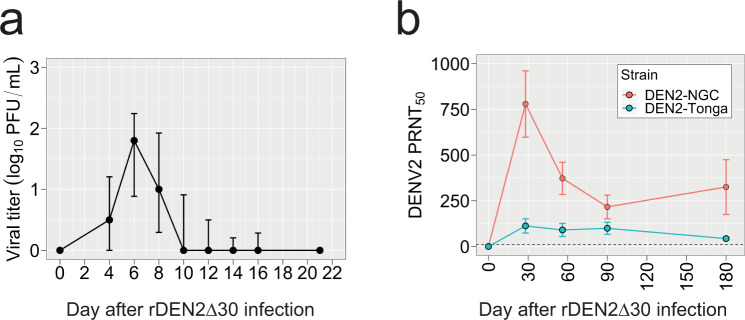
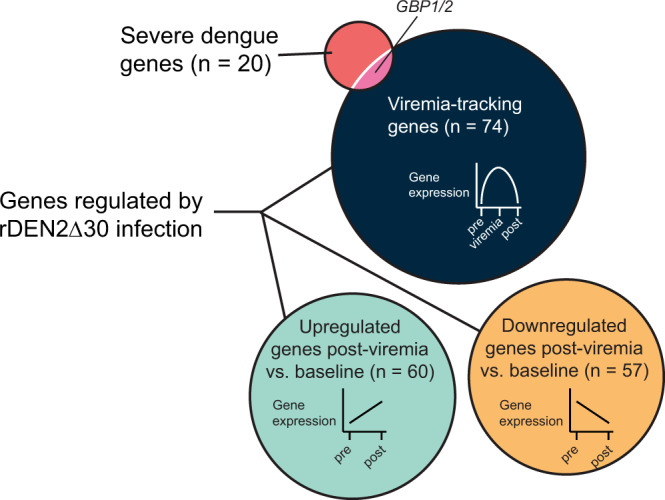
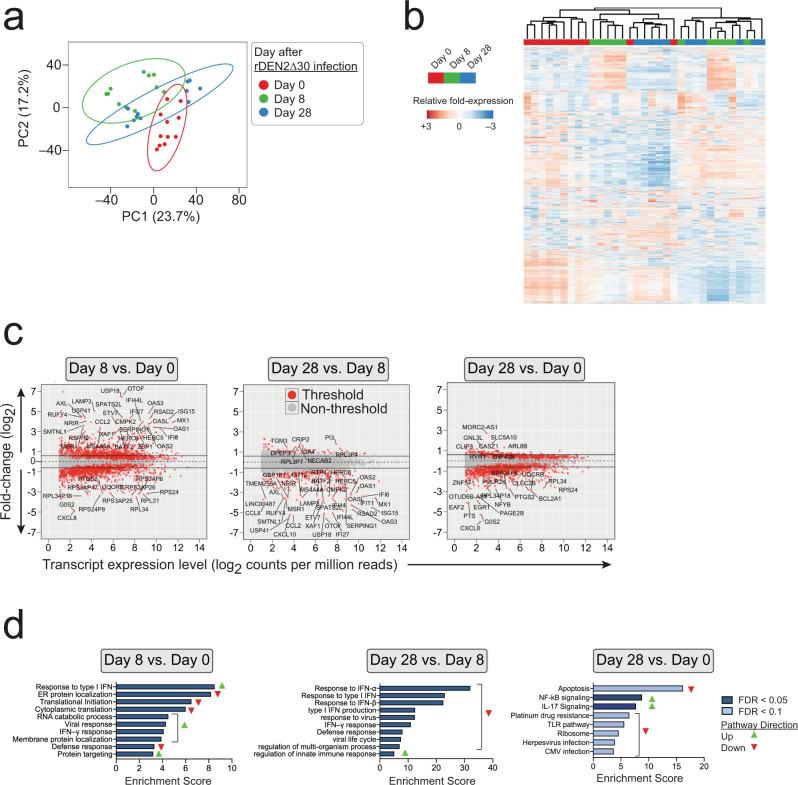
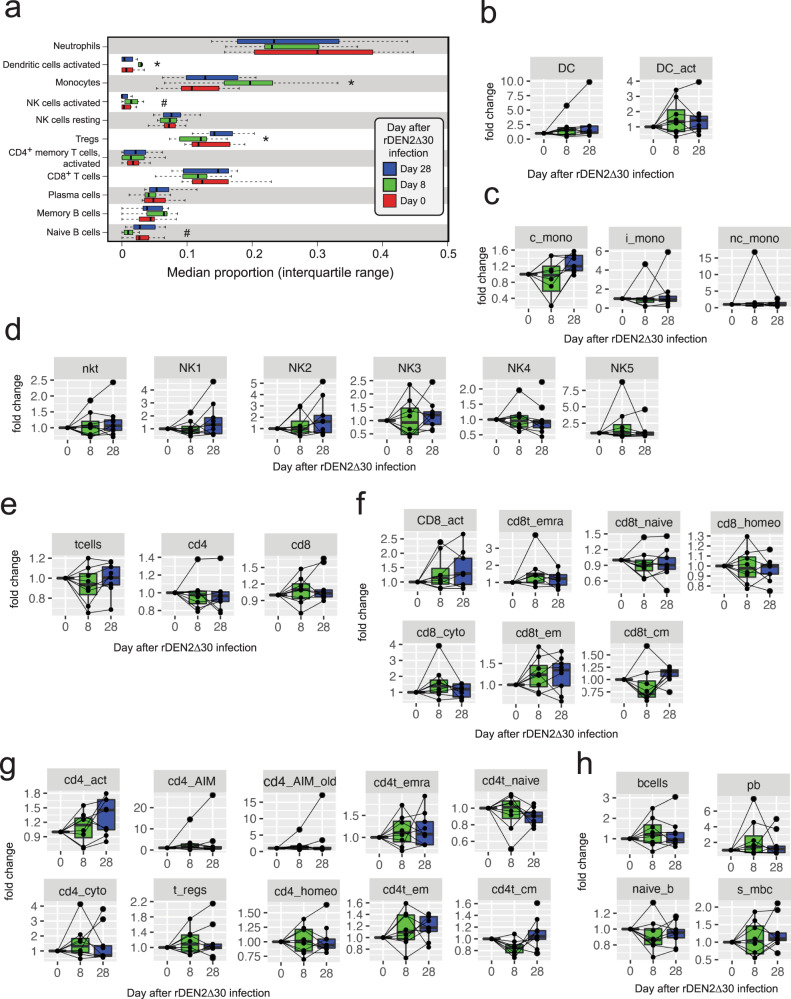
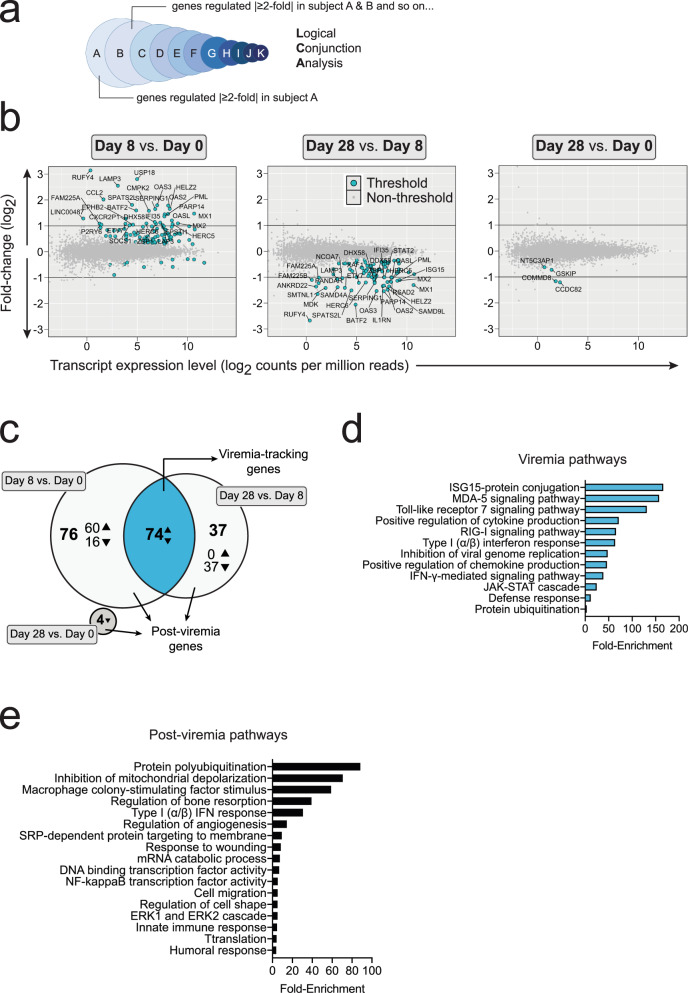
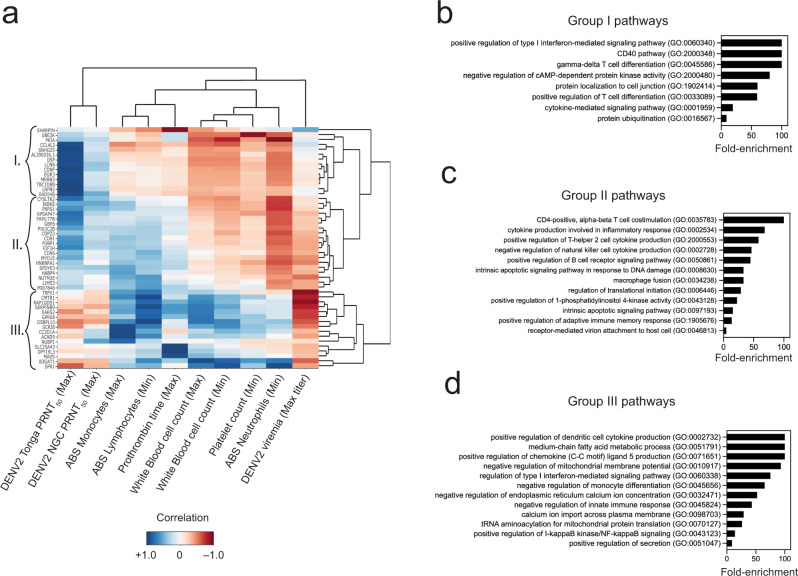
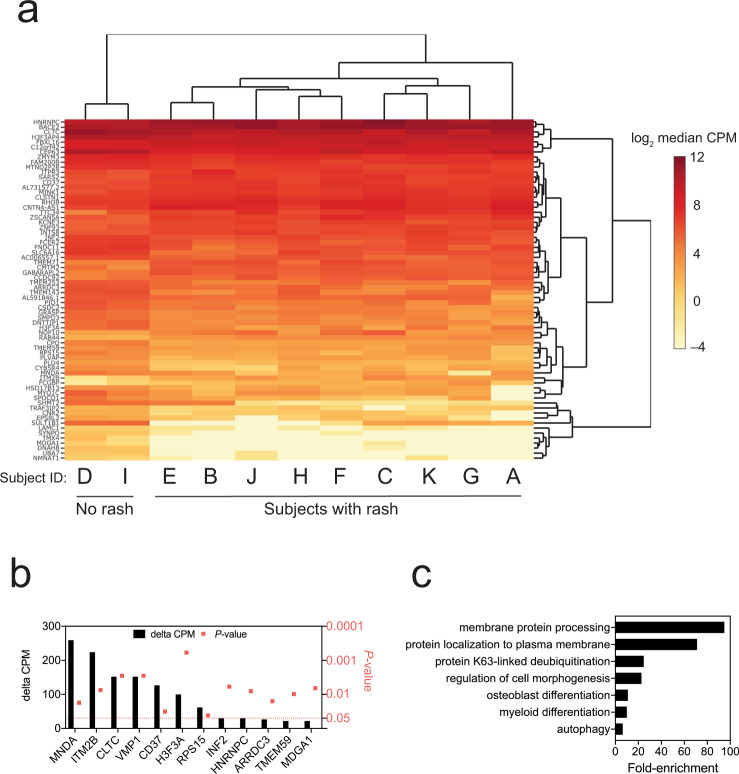
About 20-25% of dengue virus (DENV) infections become symptomatic ranging from self-limiting fever to shock. Immune gene expression changes during progression to severe dengue have been documented in hospitalized patients; however, baseline or kinetic information is difficult to standardize in natural infection. Here we profile the host immunotranscriptome response in humans before, during, and after infection with a partially attenuated rDEN2Δ30 challenge virus (ClinicalTrials.gov NCT02021968). Inflammatory genes including type I interferon and viral restriction pathways are induced during DENV2 viremia and return to baseline after viral clearance, while others including myeloid, migratory, humoral, and growth factor immune regulation factors pathways are found at non-baseline levels post-viremia. Furthermore, pre-infection baseline gene expression is useful to predict rDEN2Δ30-induced immune responses and the development of rash. Our results suggest a distinct immunological profile for mild rDEN2Δ30 infection and offer new potential biomarkers for characterizing primary DENV infection.
约 20-25%的登革热病毒 (DENV) 感染会出现症状,从自限性发热到休克不等。在住院患者中已经记录了进展为重症登革热期间免疫基因表达的变化;然而,在自然感染中,很难对基线或动力学信息进行标准化。在这里,我们在人类感染部分减毒 rDEN2Δ30 挑战病毒之前、期间和之后描绘了宿主免疫转录组反应 (ClinicalTrials.gov NCT02021968)。在登革热 2 型病毒血症期间,包括 I 型干扰素和病毒限制途径在内的炎症基因被诱导,而在病毒清除后则恢复到基线水平,而其他包括髓样、迁移、体液和生长因子免疫调节因子途径则在病毒血症后处于非基线水平。此外,感染前的基线基因表达可用于预测 rDEN2Δ30 诱导的免疫反应和皮疹的发生。我们的研究结果表明,轻度 rDEN2Δ30 感染具有独特的免疫学特征,并为描述原发性 DENV 感染提供了新的潜在生物标志物。