Li Heqin, Yue Haiwang, Li Li, Liu Yu, Zhang Haiyan, Wang Jianhua, Jiang Xuwen
Dryland Technology Key Laboratory of Shandong Province, Qingdao Agricultural University, Qingdao, 266109, China.
Dryland Farming Institute, Hebei Academy of Agriculture and Forestry Sciences, Hengshui, 053000, China.
AMB Express. 2021 May 25;11(1):74. doi: 10.1186/s13568-021-01237-1.
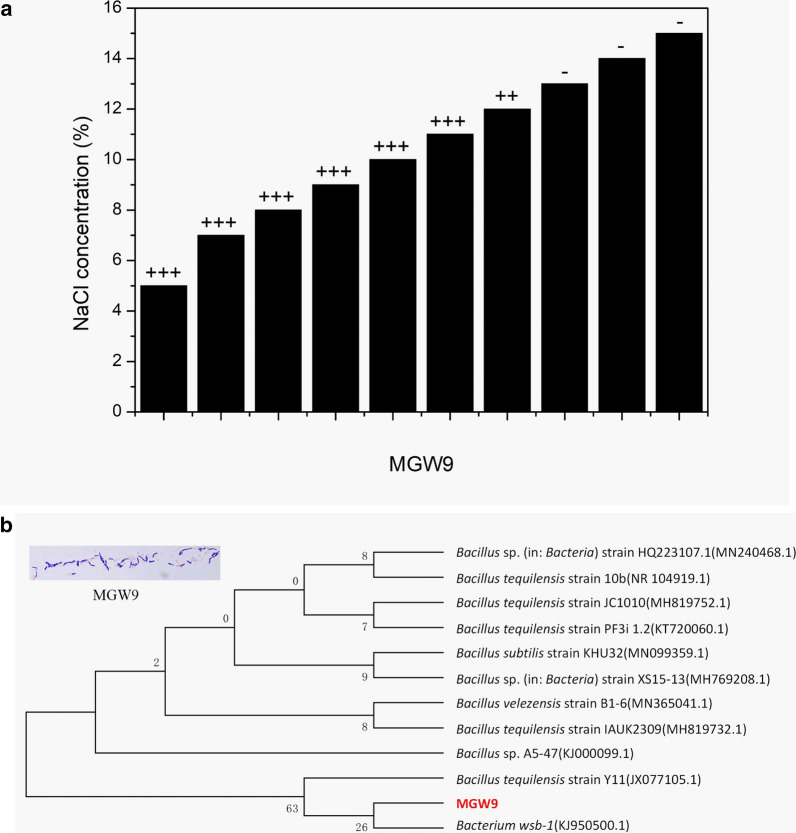
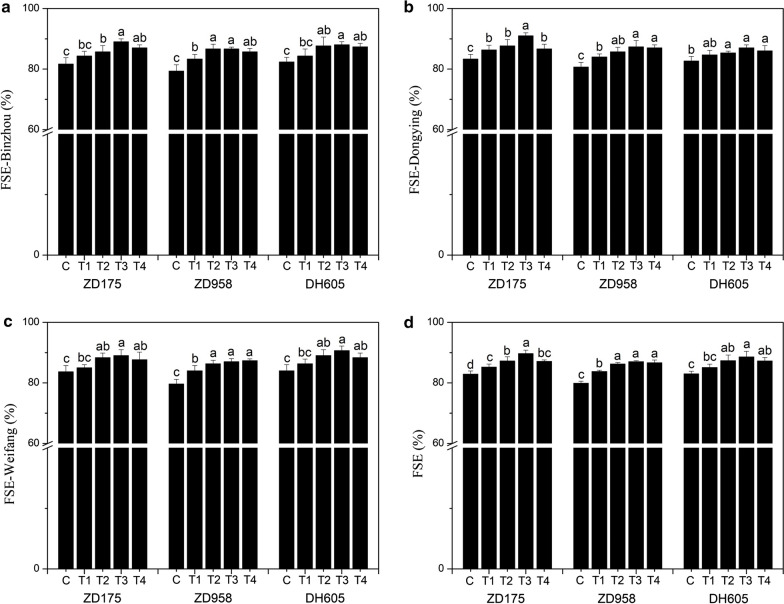
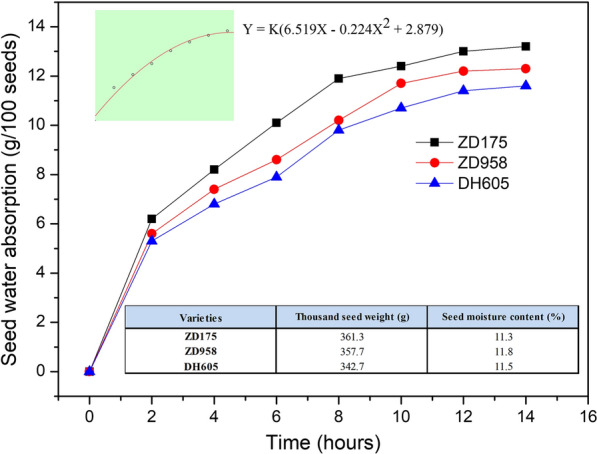
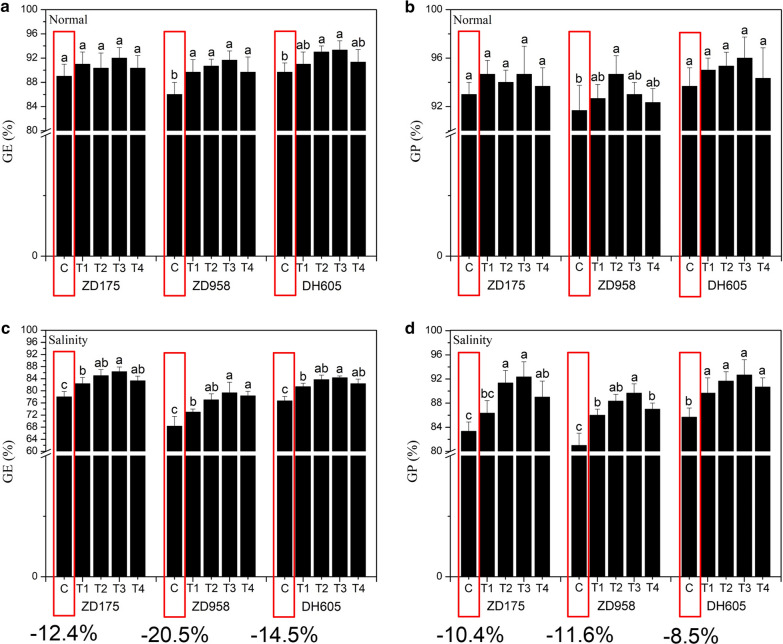
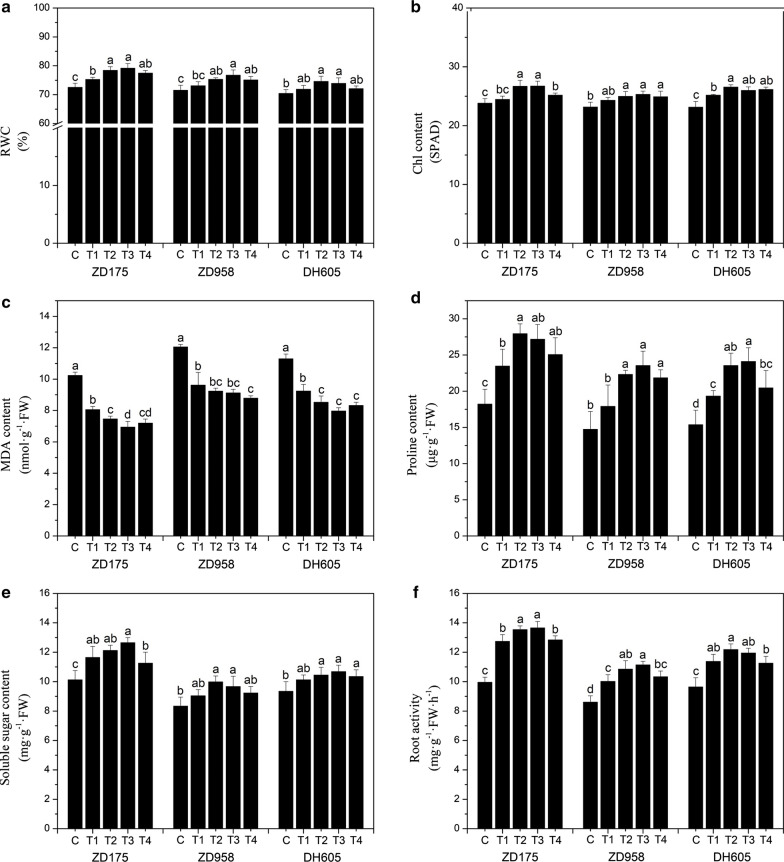
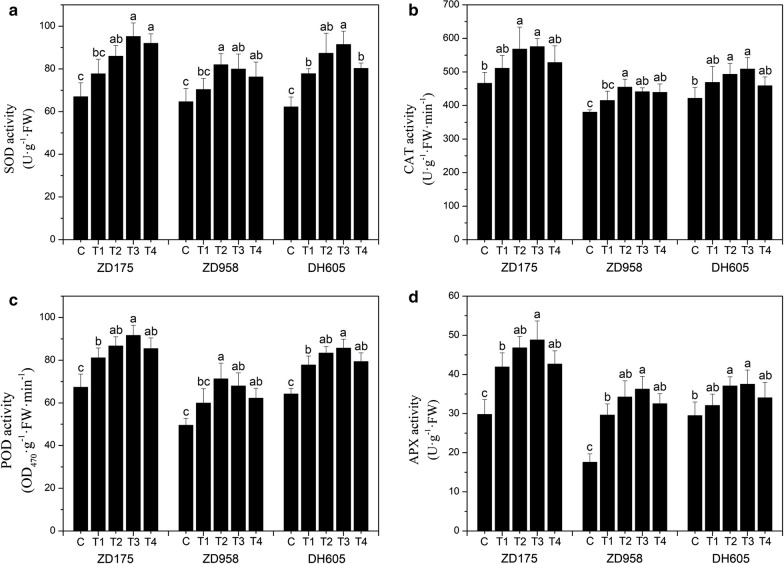
Crop performance is seriously affected by high salt concentrations in soils. To develop improved seed pre-sowing treatment technologies, it is crucial to improve the salt tolerance of seed germination. Here, we isolated and identified the strain Bacillus sp. MGW9 and developed the seed biostimulant MGW9. The effects of seed biopriming with the seed biostimulant MGW9 in maize (Zea mays L.) under saline conditions were studied. The results show that the strain Bacillus sp. MGW9 has characteristics such as salt tolerance, nitrogen fixation, phosphorus dissolution, and indole-3-acetic acid production. Seed biopriming with the seed biostimulant MGW9 enhanced the performance of maize during seed germination under salinity stress, improving the germination energy, germination percentage, shoot/seedling length, primary root length, shoot/seedling fresh weight, shoot/seedling dry weight, root fresh weight and root dry weight. Seed biostimulant MGW9 biopriming also alleviated the salinity damage to maize by improving the relative water content, chlorophyll content, proline content, soluble sugar content, root activity, and activities of superoxide dismutase, catalase, peroxidase and ascorbate peroxidase, while decreasing the malondialdehyde content. In particular, the field seedling emergence of maize seeds in saline-alkali soil can be improved by biopriming with the seed biostimulant MGW9. Therefore, maize seed biopriming with the seed biostimulant MGW9 could be an effective approach to overcoming the inhibitory effects of salinity stress and promoting seed germination and seedling growth.
土壤中的高盐浓度严重影响作物生长。为开发改进的种子播种前处理技术,提高种子萌发的耐盐性至关重要。在此,我们分离并鉴定了芽孢杆菌属菌株MGW9,并开发了种子生物刺激剂MGW9。研究了在盐胁迫条件下,用种子生物刺激剂MGW9对玉米(Zea mays L.)进行种子生物引发的效果。结果表明,芽孢杆菌属菌株MGW9具有耐盐、固氮、解磷和产生吲哚-3-乙酸等特性。用种子生物刺激剂MGW9进行种子生物引发提高了盐胁迫下玉米种子萌发期间的性能,改善了发芽势、发芽率、地上部/幼苗长度、初生根长度、地上部/幼苗鲜重、地上部/幼苗干重、根鲜重和根干重。种子生物刺激剂MGW9生物引发还通过提高相对含水量、叶绿素含量、脯氨酸含量、可溶性糖含量、根系活力以及超氧化物歧化酶、过氧化氢酶、过氧化物酶和抗坏血酸过氧化物酶的活性,同时降低丙二醛含量,减轻了盐胁迫对玉米的损害。特别是,用种子生物刺激剂MGW9进行生物引发可提高盐碱地中玉米种子的田间出苗率。因此,用种子生物刺激剂MGW9对玉米种子进行生物引发可能是克服盐胁迫抑制作用、促进种子萌发和幼苗生长的有效途径。